
The question of when people in Puerto Rico became American citizens is a pivotal point in understanding the island’s complex relationship with the United States and its unique place within the American political landscape. This historical milestone is not a single, simple declaration but rather a series of legislative acts and judicial interpretations that have shaped the identity and rights of Puerto Ricans. To truly grasp this, we must delve into the historical context following the Spanish-American War and the subsequent transition of sovereignty.
The Aftermath of the Spanish-American War and the Foraker Act
The conclusion of the Spanish-American War in 1898 marked a significant turning point for Puerto Rico. As a spoil of war, the island was ceded by Spain to the United States under the terms of the Treaty of Paris. Initially, the status of the inhabitants of these newly acquired territories, including Puerto Rico, was uncertain. The U.S. Congress grappled with how to govern these non-contiguous lands and define the relationship between their people and the mainland.
In 1900, Congress passed the Foraker Act, also known as the Organic Act of 1900. This landmark legislation established a civilian government in Puerto Rico and defined its political status as an unincorporated territory of the United States. Critically, the Foraker Act did not grant U.S. citizenship to the inhabitants of Puerto Rico. Instead, it declared them to be “citizens of Puerto Rico” and accorded them “all the privileges and immunities of citizens of the United States” as far as they might be applicable. This meant that while Puerto Ricans enjoyed certain rights akin to U.S. citizens, they were not full citizens themselves. They could not vote in U.S. presidential elections, and their representation in the U.S. Congress was limited to a Resident Commissioner who could speak but not vote. This created a class of people who were subjects of the U.S. but lacked the full rights and responsibilities of citizens. The distinction was significant, leading to ongoing debates about self-determination and political equality. The Foraker Act laid the groundwork for decades of discussion and legal challenges regarding the rights and status of Puerto Ricans, highlighting the inherent complexities of territorial governance.
The Legal Status of Puerto Ricans Pre-Citizenship
Before the passage of the Jones-Shafroth Act in 1917, the legal standing of individuals born in Puerto Rico was ambiguous. They were not considered foreign nationals, nor were they fully recognized as American citizens. This liminal status had practical implications, particularly concerning military service and international recognition. The Supreme Court played a role in defining these ambiguities through a series of cases, most notably the Insular Cases. These cases, decided in the early 20th century, established the doctrine that the U.S. Constitution did not automatically extend to unincorporated territories like Puerto Rico. The Court distinguished between “incorporated” territories, where the Constitution applied fully, and “unincorporated” territories, where Congress had the power to decide which constitutional provisions would apply. This legal framework meant that the rights and status of Puerto Ricans were largely subject to the will of Congress rather than being constitutionally guaranteed. The concept of “unincorporated territory” became a cornerstone of U.S. territorial policy, influencing the governance of Guam, the U.S. Virgin Islands, and American Samoa as well. The implications of these rulings were far-reaching, impacting issues of civil rights, taxation, and political participation for millions of people.
The Jones-Shafroth Act of 1917: A Milestone in Citizenship
The landscape of Puerto Rican rights and identity shifted dramatically with the passage of the Jones-Shafroth Act in 1917. This legislation, enacted during World War I, was a significant development that aimed to further define the relationship between the United States and its Caribbean territory. The most impactful provision of the Jones-Shafroth Act was the granting of statutory U.S. citizenship to the inhabitants of Puerto Rico. This meant that individuals born in Puerto Rico on or after April 11, 1899 (the date the Treaty of Paris was ratified), were now considered U.S. citizens by birth.

This was a monumental change, as it provided Puerto Ricans with rights and protections previously denied. They were now eligible for U.S. passports, and their connection to the U.S. mainland was solidified in a legal sense. However, it is crucial to note that this was a statutory grant of citizenship, meaning it was conferred by an act of Congress and could, in theory, be revoked by Congress. Unlike citizens born in one of the U.S. states, Puerto Rican citizens still could not vote in presidential elections and had limited representation in Congress. Despite these limitations, the granting of citizenship was a significant step towards greater integration and recognition for the people of Puerto Rico. The act also established a bill of rights for Puerto Rico, further solidifying its governance structure and the rights of its citizens. The context of World War I played a role in this decision, as it was deemed important for all inhabitants of U.S. territories to be able to serve in the U.S. military with the rights and status of citizens. This act remains the foundational legislation regarding Puerto Rican citizenship.
Implications of Statutory Citizenship
The implications of the Jones-Shafroth Act were profound and multifaceted. On one hand, it provided a clear legal status and a sense of belonging to the larger American polity for many. Puerto Ricans could now travel more freely, work across the mainland, and their children born outside Puerto Rico were unequivocally U.S. citizens. This facilitated greater mobility and opportunity for some.
However, the statutory nature of the citizenship also meant that it did not come with the full suite of rights enjoyed by citizens born in the states. The ongoing debate about statehood versus independence, or maintaining the current territorial status, has been fueled by this distinction. The inability to vote for the President and the limited representation in Congress remain significant points of contention, highlighting the ongoing evolution of Puerto Rico’s political status. The act also led to an increase in Puerto Ricans migrating to the mainland United States, seeking broader economic and political opportunities, further shaping the demographics and cultural landscape of both Puerto Rico and the U.S. mainland.
Post-1917 Developments and Continuing Debates
While the Jones-Shafroth Act provided statutory U.S. citizenship, the journey towards full political equality and the resolution of Puerto Rico’s status has been a long and ongoing process. Since 1917, various legislative efforts and judicial decisions have further shaped the relationship between Puerto Rico and the United States.
The Elective Governor Act of 1947 allowed Puerto Ricans to elect their own governor, a significant step towards greater self-governance within the U.S. framework. However, the fundamental question of political status—whether Puerto Rico should become a state, remain a territory, or become an independent nation—continues to be a subject of intense debate and numerous plebiscites. The U.S. Congress retains ultimate authority over Puerto Rico’s affairs, and until its political status is definitively resolved, the rights and responsibilities of its citizens will continue to be a topic of discussion. The island’s financial challenges, its relationship with federal programs, and its representation in national political discourse are all intertwined with its current status. The 21st century has seen renewed calls for a resolution, with various proposals and referendums aiming to clarify the island’s future and the nature of its citizenship. The debate is not merely political but also deeply cultural and economic, impacting the lives of millions of Puerto Ricans.
The Ongoing Question of Political Status
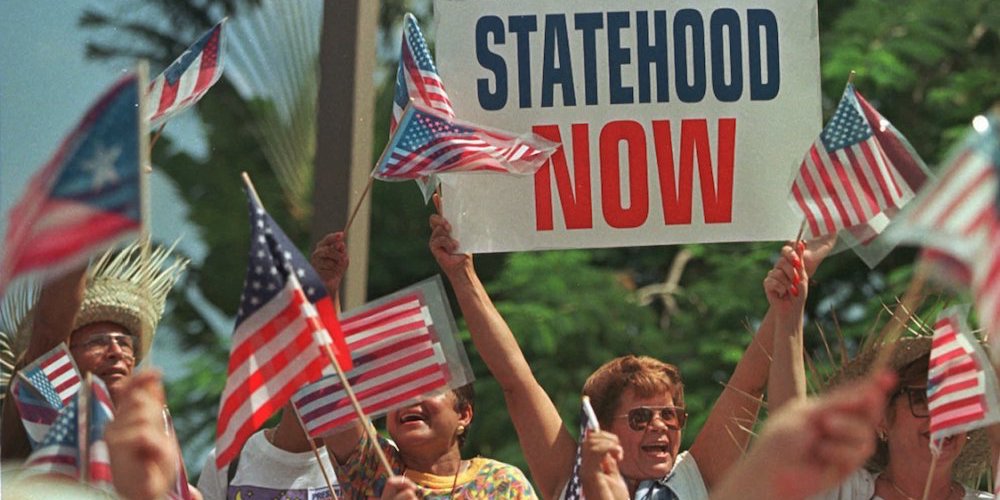
The distinction between statutory citizenship and constitutionally guaranteed citizenship remains a core issue in the ongoing debate about Puerto Rico’s political status. For many, the ideal is to achieve statehood, which would grant Puerto Rico full representation in Congress and voting rights in presidential elections, akin to states like Hawaii or Alaska. Others advocate for enhanced commonwealth status, which would grant more autonomy while maintaining a relationship with the United States. A significant portion of the population also supports independence, seeking full sovereignty and self-determination as a separate nation.
These aspirations are reflected in numerous referendums and plebiscites held on the island over the decades. While these votes have often shown a desire for change, they have not yet resulted in a definitive resolution from the U.S. Congress. The complexities of U.S. territorial policy, the economic implications of different status options, and the diverse political views within Puerto Rico itself contribute to the protracted nature of this debate. The question of when Puerto Ricans became American citizens, therefore, is not just about a date and a law, but about an evolving understanding of rights, responsibilities, and national identity. The impact of this unresolved status is felt across all aspects of life in Puerto Rico, from its economy and infrastructure to its cultural and political future, and its citizens’ ongoing quest for full political equality within the United States or as an independent entity.
LifeOutOfTheBox is a participant in the Amazon Services LLC Associates Program, an affiliate advertising program designed to provide a means for sites to earn advertising fees by advertising and linking to Amazon.com. Amazon, the Amazon logo, AmazonSupply, and the AmazonSupply logo are trademarks of Amazon.com, Inc. or its affiliates. As an Amazon Associate we earn affiliate commissions from qualifying purchases.