
The allure of Las Vegas, Nevada is undeniable. A city synonymous with entertainment, luxury, and an ever-present buzz, it draws millions of visitors annually. Yet, beneath the glittering facade of casinos and world-class shows lies a natural environment that significantly shapes the visitor experience. Understanding the weather in Las Vegas is not merely a trivial detail; it is a crucial component of planning a successful and enjoyable trip. From the scorching heat of summer to the surprisingly mild winter days, the climate dictates everything from the activities you can comfortably pursue to the attire you should pack. This guide delves into the typical weather patterns and provides insights into how to best navigate them, ensuring your visit to this unique desert metropolis is memorable for all the right reasons.
Understanding the Las Vegas Climate
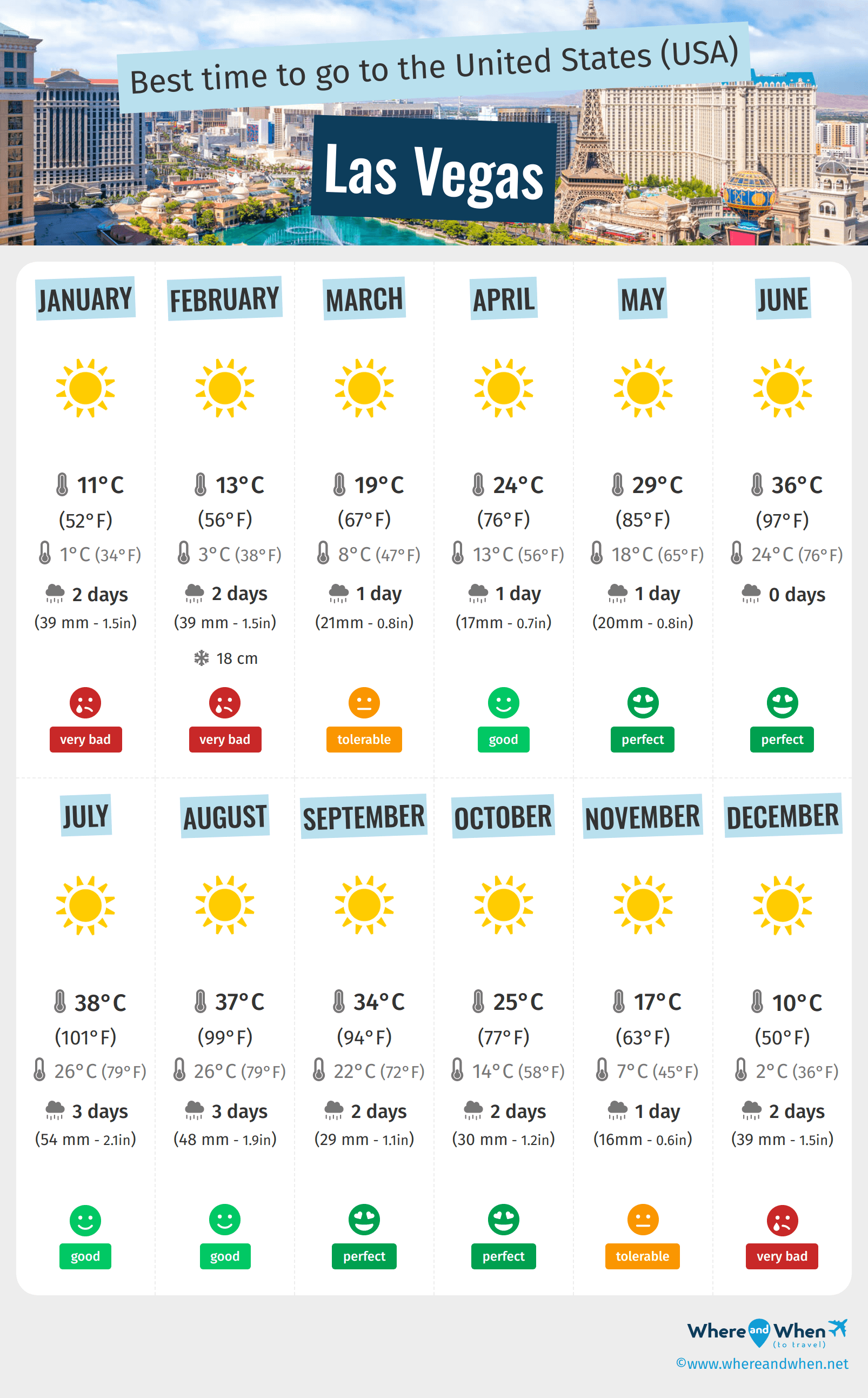
Las Vegas is situated in the Mojave Desert, a geographic location that profoundly influences its climate. This means you can generally expect an arid environment characterized by low humidity and abundant sunshine throughout the year. Unlike many other major tourist destinations, Las Vegas experiences distinct seasons, each with its own set of atmospheric conditions. The average annual rainfall is remarkably low, typically less than five inches, which contributes to the dry air and the prevalence of clear skies.
Seasonal Breakdown: A Year in Las Vegas Weather
Spring (March – May): This is arguably one of the most pleasant times to visit Las Vegas. The temperatures begin to warm up considerably after the cooler winter months, offering comfortable conditions for exploring the city and its surrounding natural attractions.
- March: Expect average high temperatures in the mid-60s Fahrenheit (around 18°C), with evenings cooling down into the 40s (around 7°C). The sunshine is plentiful, and humidity remains low.
- April: Spring truly blossoms, with highs climbing into the low 70s Fahrenheit (around 22°C). Evenings are still cool but generally more palatable, in the 50s (around 11°C).
- May: This month often ushers in summer-like conditions. Average highs soar into the low 80s Fahrenheit (around 28°C), and evenings are mild, in the 60s (around 15°C). This is a prime time for outdoor activities before the intense summer heat arrives.
Summer (June – August): The summer months in Las Vegas are defined by extreme heat. This is when the desert truly asserts its dominance, and visitors should be prepared for soaring temperatures.
- June: Highs regularly exceed 90°F (32°C), often reaching into the triple digits. Nights offer some respite but remain warm, typically in the 70s (around 22°C).
- July: This is typically the hottest month. Average highs are well above 100°F (38°C), and it’s not uncommon for temperatures to reach 110°F (43°C) or higher. Evenings can still be in the 80s (around 27°C). Air conditioning becomes your best friend.
- August: Similar to July, August remains intensely hot. Temperatures hover in the high 90s to low 100s Fahrenheit (around 35-38°C). The sun is relentless, and hydration is paramount for anyone venturing outdoors.
Autumn (September – November): As the summer heat begins to recede, autumn offers a welcome return to more temperate weather, making it another excellent season for a visit.
- September: While still warm, temperatures start to moderate. Average highs are in the high 90s Fahrenheit (around 35°C) at the beginning of the month, gradually dropping to the mid-80s (around 29°C) by the end. Evenings become increasingly pleasant.
- October: This is often considered a peak month for outdoor activities. Average highs are in the comfortable mid-70s Fahrenheit (around 24°C), with evenings cooling down to the 50s (around 11°C). The desert landscape is often at its most inviting.
- November: Temperatures continue to cool, with highs typically in the 60s Fahrenheit (around 18°C). Evenings can be crisp, dipping into the 40s (around 7°C). It’s a good time for exploring without the oppressive heat.
Winter (December – February): Las Vegas winters are surprisingly mild compared to many other parts of the country. While you won’t find snow on the Strip, the weather can be cool and breezy.
- December: Average highs are in the low 50s Fahrenheit (around 11°C), with evenings dropping into the high 30s (around 4°C). It’s a good time for indoor attractions, but daytime exploration is still feasible with appropriate layering.
- January: This is generally the coolest month. Highs average around the high 50s Fahrenheit (around 14°C), but mornings can be quite chilly, with lows in the high 30s (around 4°C). Frost is possible overnight.
- February: Temperatures begin to creep up again. Average highs are in the low 60s Fahrenheit (around 16°C), and evenings are still cool, in the low 40s (around 6°C).
Precipitation and Extreme Weather Events

While Las Vegas is known for its dryness, it is not immune to precipitation. Rain is most common during the winter months (December to February), and even then, it is usually light. However, during the late summer monsoon season (July to September), Las Vegas can experience sudden, intense thunderstorms. These storms can bring heavy downpours, flash floods, and even hail, though they are typically short-lived. Dust storms can also occur, especially during transitional seasons, reducing visibility and impacting air quality.
Planning Your Visit: Weather-Smart Strategies
Knowing the weather forecast is essential for maximizing your Las Vegas experience. It informs decisions about what to pack, what activities to prioritize, and how to stay comfortable and safe.
Packing Essentials: Dressing for the Desert
Your packing list will largely depend on the time of year you visit.
- Summer (June-August): Light, breathable clothing is paramount. Think cotton or linen fabrics. Short-sleeved shirts, shorts, skirts, and sundresses are ideal. Sun protection is non-negotiable: a wide-brimmed hat, sunglasses, and high SPF sunscreen are must-haves. Comfortable walking shoes are essential, as you’ll likely be doing a lot of exploring. For evenings, a light jacket or sweater might be useful, but generally, the heat lingers. Remember to pack swimwear for the numerous hotel pools.
- Spring & Autumn (March-May, September-November): These shoulder seasons offer a more versatile packing experience. Layers are key. Pack T-shirts, long-sleeved shirts, and a medium-weight jacket or sweater for cooler mornings and evenings. Jeans or comfortable trousers are suitable for daytime wear. You can still enjoy outdoor activities comfortably, so bring comfortable walking shoes. A light scarf can be a stylish and practical accessory.
- Winter (December-February): Pack warmer clothing, but avoid heavy winter gear unless you plan extensive excursions outside the city. Sweaters, long-sleeved shirts, and a warm jacket or coat are recommended. Long pants are essential. While temperatures can dip, especially at night, the daytime sun can still feel pleasant. Comfortable, closed-toe shoes are necessary. A hat and gloves might be useful for early mornings or late evenings.
Embracing the Outdoors: Activities by Season
The weather in Las Vegas significantly influences outdoor activities.
- Summer: Outdoor activities are best enjoyed during the early morning or late evening hours. Poolside lounging at your resort, like the Bellagio or the Wynn Las Vegas, becomes a primary attraction. Indoor activities, such as exploring the Caesars Palace Forum Shops or catching a show on the Las Vegas Strip, are highly recommended during the peak heat of the day. Day trips to cooler climates, like the higher elevations of Mount Charleston, can offer a welcome escape from the heat.
- Spring & Autumn: These seasons are ideal for exploring the natural beauty surrounding Las Vegas. Hiking in Red Rock Canyon National Conservation Area or visiting the Hoover Dam are prime activities. Walking the Las Vegas Strip to admire the themed resorts and enjoying outdoor dining are also highly pleasurable.
- Winter: While cooler, winter offers opportunities for exploring attractions like the Neon Museum or taking scenic drives. The Fremont Street Experience can still be enjoyed, though perhaps with more layers. Some visitors might even find a brisk walk along the Strip invigorating.
Staying Hydrated and Protected
Regardless of the season, staying hydrated is paramount in the arid climate of Las Vegas. The dry air can lead to dehydration more quickly than you might expect. Always carry a water bottle, especially when spending time outdoors.
Sun protection is another critical consideration. The desert sun is intense year-round, even on cloudy days. Wear sunscreen with a high SPF, reapply regularly, and seek shade whenever possible. Wide-brimmed hats and sunglasses are essential accessories.

Weather and the Las Vegas Experience
The weather in Las Vegas is an integral part of the visitor experience, shaping not only the activities available but also the very ambiance of the city. While the temperate climate of spring and fall offers the most comfortable conditions for exploration, the extremes of summer and the cooler winter months present unique opportunities and challenges. By understanding the prevailing weather patterns and planning accordingly, travelers can ensure a comfortable, safe, and thoroughly enjoyable visit to this vibrant desert oasis, whether they are here for the casinos, the shows, the dining, or the natural wonders that lie just beyond the city lights. From the shimmering heat haze over the Strip to the crisp desert air of a winter morning, the weather is a constant, albeit often understated, companion to every Las Vegas adventure.
LifeOutOfTheBox is a participant in the Amazon Services LLC Associates Program, an affiliate advertising program designed to provide a means for sites to earn advertising fees by advertising and linking to Amazon.com. Amazon, the Amazon logo, AmazonSupply, and the AmazonSupply logo are trademarks of Amazon.com, Inc. or its affiliates. As an Amazon Associate we earn affiliate commissions from qualifying purchases.