
For the modern traveler, checking into a luxury suite at the Four Seasons or a chic boutique hotel in Paris is meant to be an experience of comfort and relaxation. However, the hospitality industry faces a persistent, microscopic challenge that can turn a dream vacation into a logistical nightmare: the bed bug. These resilient hitchhikers do not discriminate between budget motels and five-star resorts like the Ritz-Carlton. Understanding how to navigate hotel environments with a proactive mindset is essential for any frequent guest. To maintain the sanctity of your travel experience, mastering the art of the room inspection and understanding the behavior of these pests is as important as knowing the concierge by name.

The Essential Check-In Protocol for Discerning Guests
The first fifteen minutes after receiving your key card at the front desk are the most critical. While it is tempting to collapse onto a plush mattress after a long flight to London or Tokyo, a disciplined approach to checking into your room can prevent months of headache. Bed bugs are nocturnal, elusive, and expert hiders, meaning they are rarely seen in plain sight during the day. Therefore, a systematic search is required.
The Luggage Safe Zone: Starting in the Bathroom
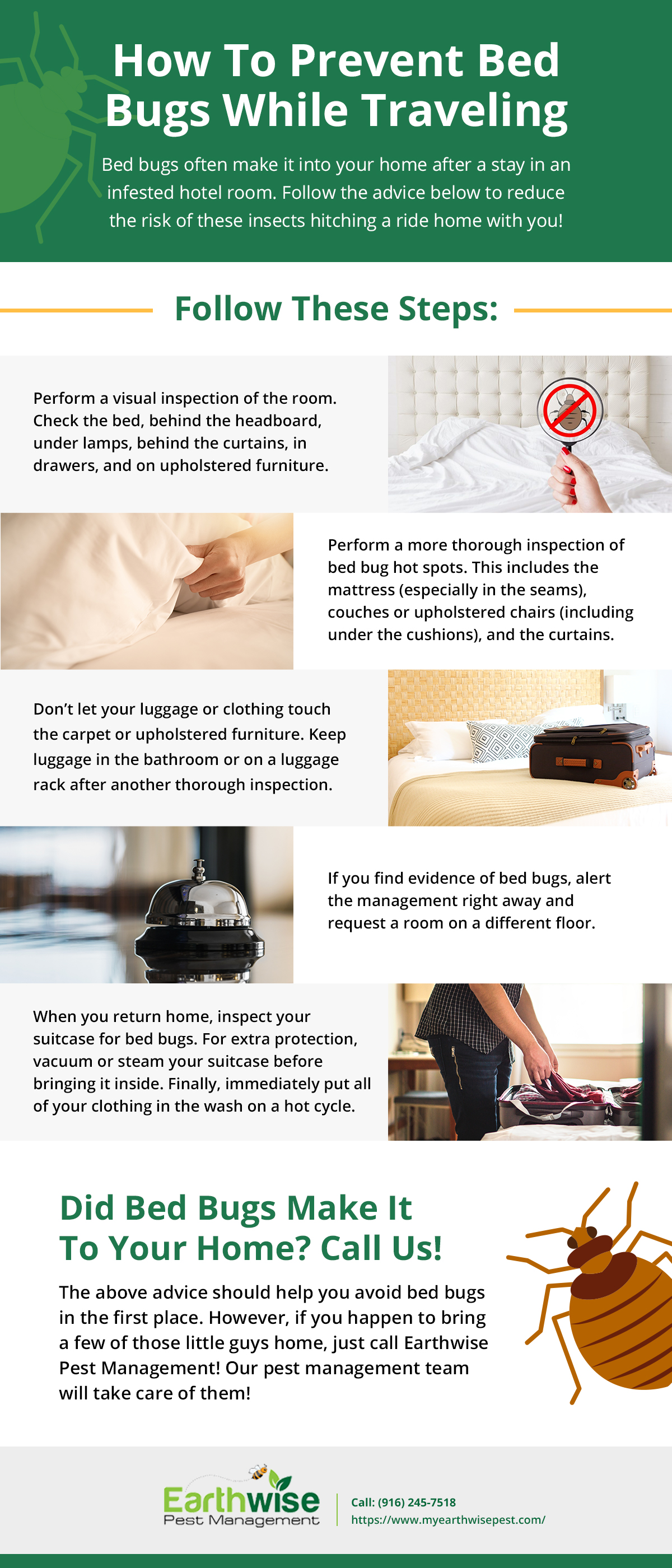
The most common mistake guests make is placing their suitcases directly onto the bed or the carpeted floor upon entry. Instead, immediately move your luggage to the bathroom. Whether you are staying at a Marriott in New York City or a local guest house in Rome, the bathroom is typically the safest place to store bags during an initial inspection. Bed bugs prefer porous surfaces like wood, fabric, and paper. Tile floors and porcelain tubs are difficult for them to navigate and offer no hiding spots.
By placing your belongings in the bathtub or on a tiled vanity, you create a barrier between your clothing and potential infestation sites. If the room does not have a large enough bathroom, use a metal luggage rack. Ensure the rack is pulled away from the wall, as bed bugs can easily crawl from a baseboard onto a suitcase resting against a wall.
Inspecting the Bedding and Mattress
Once your luggage is secure, focus your attention on the center of the room. Start by stripping back the linens. Bed bugs are not usually found on the surface of the sheets; they prefer the dark, tight crevices of the mattress itself. Focus on the corners and the piping of the mattress. Look for small, reddish-brown spots—these are often blood stains or fecal matter left behind by the insects.
Check the mattress pad and the “skirt” of the bed. If you are staying in a high-traffic destination like Las Vegas or Orlando, hotels often use mattress encasements. These are protective covers designed to trap bed bugs inside or prevent them from entering. While these are helpful, you should still inspect the seams of the encasement for any activity.
Identifying the Signs of Infestation in Luxury Suites
In high-end accommodations like the Mandarin Oriental or a Waldorf Astoria, the rooms are often designed with intricate headboards, heavy drapery, and upholstered furniture. While these amenities add to the aesthetic appeal, they also provide more real estate for pests to inhabit. Identifying an infestation requires looking beyond the mattress.
Beyond the Bed: Headboards and Upholstery
Bed bugs tend to stay within five to ten feet of their food source—the guest. In many modern hotel designs, headboards are bolted to the wall. If possible, use a flashlight (the one on your smartphone works perfectly) to peer behind the headboard. This is a primary hiding spot. Look for “cast skins,” which are the translucent exoskeletons that bed bugs shed as they grow.
Move on to the upholstered armchairs and sofas. Check the seams of the cushions and the underside of the furniture. In a city like Chicago or San Francisco, where hotels often occupy historic buildings, bed bugs can also hide behind loose wallpaper, inside electrical outlets, or within the folds of heavy blackout curtains.
What to Look for: From Cast Skins to Dark Spots
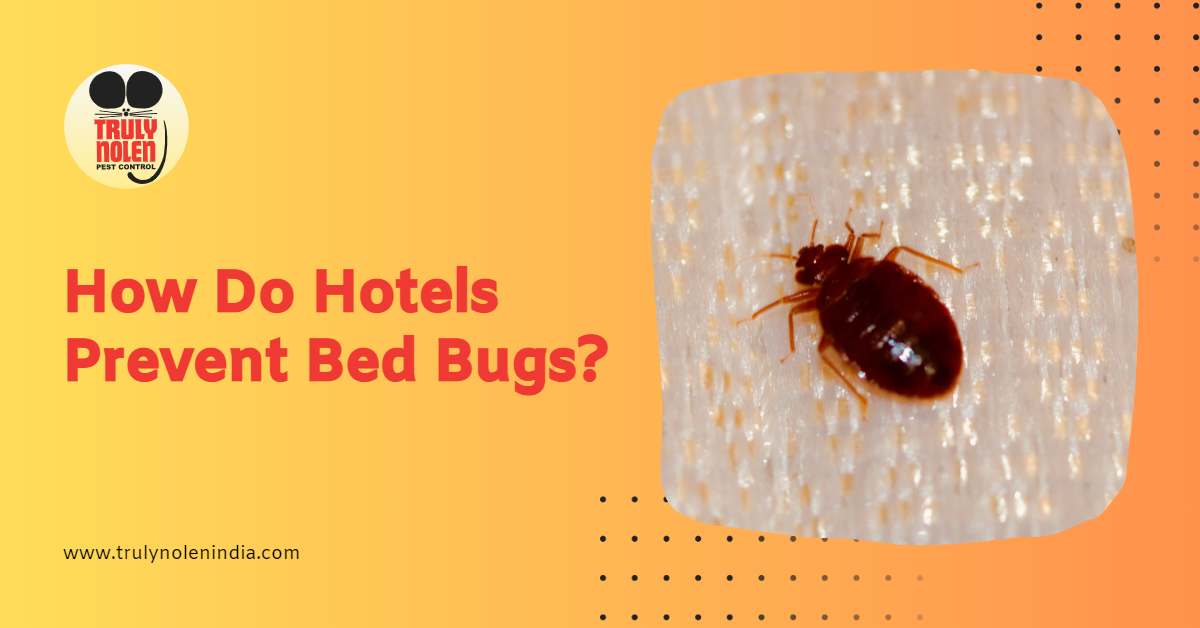
The physical presence of a live bug is the most obvious sign, but it is often the last thing you will see. A live bed bug is roughly the size of an apple seed, flat, and oval-shaped. If it has recently fed, it will appear elongated and bright red. However, you are more likely to find evidence of their presence before seeing the insect itself.
Dark, ink-like spots on the frame or the box spring are a definitive red flag. These spots are often clustered in areas where the bugs congregate. Additionally, a sweet, musty odor—often compared to rotting raspberries or coriander—can indicate a heavy infestation. If you encounter any of these signs in a suite at the Hilton or any other establishment, do not attempt to handle the situation yourself.
Proactive Measures and Amenities for a Pest-Free Stay
Hotel management takes pest control seriously, but the sheer volume of travelers moving through hubs like Dubai or Hong Kong makes total eradication a constant battle. As a guest, you can use the room’s amenities to further protect yourself.
Using In-Room Safe Storage for Luggage
Many seasoned travelers utilize plastic compression bags or “packing cubes” within their luggage. This not only organizes your wardrobe for a trip to France or Italy but also creates an airtight seal that bed bugs cannot penetrate. Throughout your stay, keep your suitcase zipped shut and elevated. Avoid using the wooden dressers provided in the room, as these can harbor pests in the joints of the drawers.
If your room at the InterContinental features a metal luggage rack, use it. If you must use the closet, inspect the shelf and the hanging rod before placing your items there. Remember, bed bugs are not a sign of poor hygiene or a “dirty” hotel; they are simply biological opportunists that travel on clothing and luggage. Even the most pristine hotels in Switzerland can be affected.
Interacting with Hotel Staff and Management
If you discover evidence of bed bugs, remain calm and contact the front desk immediately. Professional hotel chains like Hyatt or Sheraton have specific protocols for these situations. They will typically send a member of the housekeeping management or a third-party pest control specialist to verify the finding.
When requesting a new room, ensure it is not adjacent to, directly above, or directly below the infested room. Bed bugs can travel through wall voids and electrical conduits to neighboring suites. If you are staying in a large resort like the Bellagio, ask to be moved to a completely different floor or wing of the building to ensure maximum distance from the affected area.
Best Practices for Post-Check-Out and Home Re-Entry
The danger of bed bugs does not end when you check out of your hotel in Barcelona or Sydney. The primary goal of these pests is to find a way into your permanent residence. Taking precautions during your return journey is the final step in a successful prevention strategy.
Managing Laundry and Travel Gear
Upon arriving home from the United States or any international destination, do not bring your suitcase into your bedroom. Instead, unpack in a laundry room or a garage. Immediately place all your clothing—including the items you didn’t wear—into the dryer. High heat is the most effective way to kill bed bugs at all life stages, including eggs. Running a dryer on high heat for at least 30 minutes is generally sufficient.
For items that cannot be laundered, such as delicate fabrics or the suitcase itself, consider using a portable heating unit designed for pest control or a handheld steamer. Steam can penetrate the deep crevices of a suitcase where eggs might be hidden.
Protecting Your Permanent Residence
The psychological toll of bringing bed bugs home can be significant. By maintaining a strict “no suitcases on the bed” rule at home, you reinforce a barrier of protection. If you are a frequent visitor to major tourist attractions like the Eiffel Tower or Disneyland, you are statistically more likely to encounter these pests due to the high density of people.
Vigilance is the price of mobility. Whether you are traveling for business in Singapore or luxury leisure in the Maldives, the habits you form in hotels will dictate the safety of your home environment.
Navigating High-Traffic Destinations Safely
Certain cities are known as global transit hubs, making them higher risk for the spread of bed bugs. Metropolitan areas such as London, New York, and Paris see millions of visitors annually, each bringing luggage from different corners of the world. In these locations, hotel staff are often highly trained in detection, but the sheer volume of turnover means that a room could be infested by a previous guest only hours before your arrival.
Vigilance in Global Hubs
When staying in a high-density city, it is worth checking online registries or recent reviews for the specific hotel you have booked. While a single report of bed bugs shouldn’t necessarily disqualify a hotel—accidents happen—a pattern of reports suggests a management failure in pest control protocols. If you are visiting landmarks like the Colosseum in Italy or the Statue of Liberty, remember that public transportation and theater seating in these cities can also be transfer points.
By following a strict inspection routine, utilizing hotel amenities like bathrooms and luggage racks for storage, and managing your return home with heat-based cleaning, you can enjoy the finest hospitality the world has to offer without the fear of unwanted guests. The luxury of travel is built on peace of mind, and a few minutes of inspection is a small price to pay for a pest-free experience.
LifeOutOfTheBox is a participant in the Amazon Services LLC Associates Program, an affiliate advertising program designed to provide a means for sites to earn advertising fees by advertising and linking to Amazon.com. Amazon, the Amazon logo, AmazonSupply, and the AmazonSupply logo are trademarks of Amazon.com, Inc. or its affiliates. As an Amazon Associate we earn affiliate commissions from qualifying purchases.