
The Mirage of a Desert Oasis: Early Days and the Dawn of Gaming
The story of Las Vegas becoming a household name, a synonymous beacon of entertainment and leisure, is a fascinating evolution that stretches back further than many might assume. While its modern iteration is intrinsically linked to the glitz and glamour of megaresorts and world-class shows, the seeds of its popularity were sown in more humble, yet equally ambitious, beginnings. The early 20th century saw Las Vegas as a small railway town, a stopover point in the vast Mojave Desert. Its initial draw was not the promise of fortune or extravagant escapades, but its strategic location and the allure of legal gambling, which began to take root in Nevada in the early 1930s.
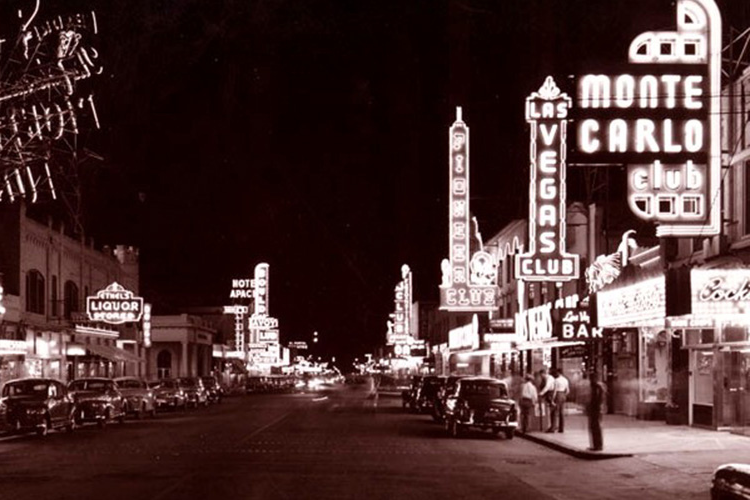
The legalization of gambling in Nevada in 1931, spurred by the economic desperation of the Great Depression, was the critical catalyst. Initially, gambling was confined to small, unpretentious establishments, often tucked away in saloons and bars. These were not the opulent casinos we associate with Las Vegas today, but rather basic operations catering to a local clientele and transient travelers. The El Rancho Vegas, opening in 1941, is often cited as the first resort on the Las Vegas Strip, setting a precedent for future developments by combining accommodation with gaming. However, it was the post-World War II era that truly began to amplify Las Vegas’s emerging popularity.
The influx of returning soldiers, accustomed to the camaraderie and entertainment found in military towns, found Las Vegas appealing. The construction of new, larger hotels and casinos, like the Flamingo (opened in 1946 by Bugsy Siegel), began to transform the landscape. These establishments offered more than just gambling; they introduced dining, dancing, and a nascent form of entertainment. The allure of escaping the mundane, the thrill of risk, and the promise of a good time started to draw visitors from across the country, particularly from nearby California. This period marked the transition from a functional stopover to a destination, albeit one still in its formative stages.
The Mob’s Influence and the Rise of the Modern Resort
The 1940s and 1950s witnessed a significant, and often shadowy, influence on Las Vegas’s rise to prominence: organized crime. Figures like Bugsy Siegel and later Meyer Lansky saw the potential for profit in the burgeoning gambling industry and invested heavily, not just with cash but with their acumen for operations and entertainment. They brought a sense of flair and showmanship, understanding that to attract and retain visitors, the experience had to be more than just a roll of the dice.
The Flamingo was a testament to this new vision, embodying a luxurious, yet accessible, resort experience. Following its success, other mob-backed ventures emerged, creating a competitive environment that spurred innovation. Hotels like the Sands, the Riviera, and the Desert Inn became synonymous with high-stakes gambling, lavish dining, and, crucially, world-class entertainment. This era saw the introduction of lavish stage shows, featuring some of the biggest stars of the time. The likes of Frank Sinatra, Dean Martin, and Sammy Davis Jr., collectively known as the Rat Pack, became intrinsically linked with Las Vegas, performing regularly in its showrooms and personifying the city’s image as a playground for the stars.
This fusion of gambling, fine dining, and celebrity entertainment proved to be an immensely popular formula. It attracted not only high rollers but also the burgeoning middle class, eager for an escape and a taste of the glamorous life. The accessibility of air travel in the post-war period also played a crucial role, making Las Vegas a viable destination for a wider audience. The city was no longer just a regional draw; it was becoming a national phenomenon, a place where fortunes could be made and lost, and where dreams of glitz and excitement were readily available. The mob’s involvement, while controversial, undeniably played a pivotal role in establishing the foundational infrastructure and entertainment ethos that would define Las Vegas for decades to come.
The Golden Age of Entertainment and Expansion
The 1960s and 1970s marked what is often referred to as the “Golden Age” of Las Vegas. The city’s popularity solidified as its reputation as the “Entertainment Capital of the World” reached its zenith. The influence of organized crime began to wane as legitimate business interests, spurred by figures like Howard Hughes, started to acquire major properties. Hughes alone purchased several iconic hotels, including the Desert Inn, the Sands, and the Frontier, signaling a shift towards more corporate management and a cleaner image.
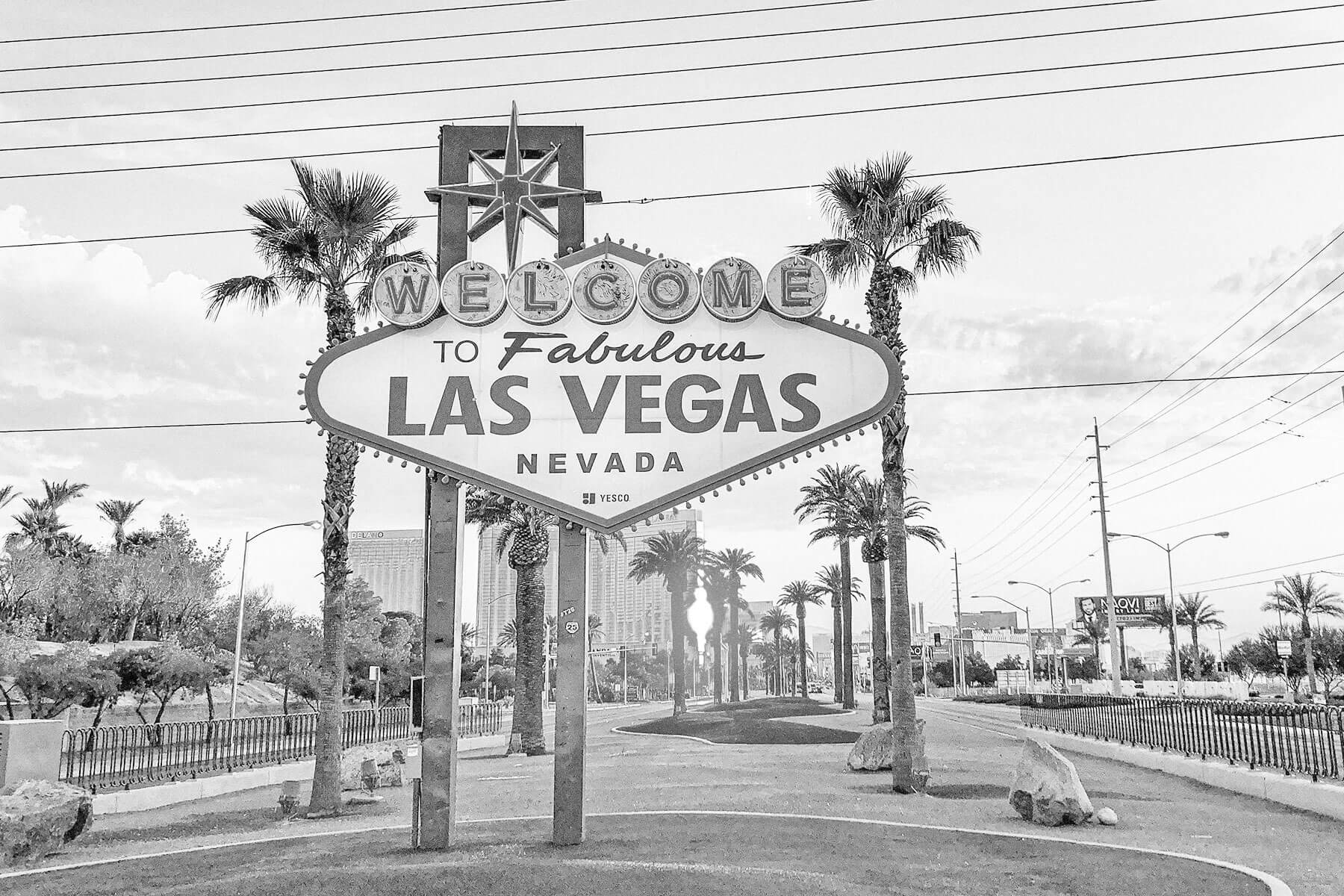
This era saw a dramatic expansion of the resort concept. Hotels grew larger, incorporating more amenities, and entertainment became even more spectacular. The scale of productions escalated, with elaborate stage shows featuring world-renowned performers and dazzling production numbers. The introduction of “all-you-can-eat” buffets, a concept pioneered in Las Vegas, made fine dining more accessible to the masses, further enhancing the city’s appeal. The casinos themselves evolved, becoming more sophisticated and offering a wider array of games and betting options.
Beyond Gaming: Diversification and the Rise of Conventions
While gambling remained the primary draw, the popularity of Las Vegas in this period was also bolstered by a conscious effort to diversify its appeal. The city began to market itself as a premier destination for conventions and business meetings. The construction of large convention centers, coupled with the vast array of hotel rooms and entertainment options, made Las Vegas an attractive choice for corporate events. This strategic move not only brought in a steady stream of visitors during weekdays but also introduced a new demographic to the city’s attractions.
The development of massive, themed resorts began to take shape, offering immersive experiences that went beyond the traditional hotel and casino. While the true scale of themed resorts would explode in later decades, the groundwork was laid during this period with ambitious projects that aimed to create entire worlds within their walls. The allure was no longer just about chance and celebrity, but about escaping reality and indulging in a fantasy. This diversification was key to sustaining and growing Las Vegas’s popularity, ensuring it was not solely reliant on the gambling market and laying the foundation for its transformation into the global entertainment mecca it is today. The city’s ability to reinvent itself, embracing new trends and catering to evolving visitor expectations, was central to its enduring appeal.
The Modern Era: Megaresorts, Themed Attractions, and Global Appeal
The late 20th century and the dawn of the 21st century witnessed Las Vegas transform into a global phenomenon, solidifying its popularity through unprecedented scale, thematic innovation, and a relentless pursuit of the ultimate visitor experience. The concept of the megaresort truly came into its own, moving far beyond the foundational structures of earlier decades. Properties like The Mirage (opened 1989), with its iconic volcano and tropical theme, and later the Bellagio (opened 1998), with its stunning Fountains of Bellagio and world-class art collection, redefined what a resort could be.
These megaresorts were meticulously designed to be destinations in themselves, offering a comprehensive array of attractions that catered to every conceivable interest. They housed an astonishing number of hotel rooms, an eclectic mix of world-class restaurants, sprawling casino floors, expansive retail outlets, and, of course, breathtaking entertainment venues. The thematic approach became paramount, transporting visitors to different worlds, from the canals of Venice at The Venetian to the pyramids of Egypt at the Luxor Hotel. This immersion created a powerful draw, offering escapism and a sense of wonder that appealed to a broad international audience.

The Entertainment Capital Evolves: Shows, Sports, and Culinary Delights
Las Vegas’s reputation as the “Entertainment Capital of the World” was not just maintained but amplified during this modern era. The traditional showroom format evolved into grand-scale production shows, featuring Cirque du Soleil’s gravity-defying spectacles like “O” and “Mystère,” and elaborate resident headliner shows by global superstars. The city became a primary stop for major touring artists and musicians, ensuring a constant rotation of top-tier talent.
Beyond traditional entertainment, Las Vegas strategically embraced other forms of leisure and competition. The rise of professional sports has been a significant factor in its recent surge in popularity. The arrival of the Vegas Golden Knights (NHL) in 2017 and the Las Vegas Raiders (NFL) in 2020 brought a new dimension to the city’s appeal, transforming it into a major sports hub and attracting fans from across the globe. The city also cemented its status as a premier destination for combat sports, particularly boxing and mixed martial arts, hosting iconic championship bouts.
The culinary landscape of Las Vegas also underwent a dramatic transformation. It evolved from offering simply abundant buffets to becoming a global epicenter for fine dining. Celebrity chefs established flagship restaurants across the Strip and beyond, offering sophisticated and diverse culinary experiences that rivaled those found in the world’s greatest gastronomic capitals. From Michelin-starred establishments to innovative fusion cuisine, Las Vegas became a destination for food enthusiasts, further diversifying its appeal beyond gambling and shows. This continuous innovation and expansion of offerings, combined with strategic marketing and a relentless focus on creating unforgettable experiences, cemented Las Vegas’s status as a truly global tourist destination.
LifeOutOfTheBox is a participant in the Amazon Services LLC Associates Program, an affiliate advertising program designed to provide a means for sites to earn advertising fees by advertising and linking to Amazon.com. Amazon, the Amazon logo, AmazonSupply, and the AmazonSupply logo are trademarks of Amazon.com, Inc. or its affiliates. As an Amazon Associate we earn affiliate commissions from qualifying purchases.