
The Flamingo Las Vegas Hotel & Casino is more than just a hotel; it’s a glittering icon, a cornerstone of the Las Vegas Strip, and a landmark steeped in history and legendary ownership. Understanding who has held the reins of this vibrant property offers a fascinating glimpse into the evolution of Las Vegas itself, from its nascent days as a Mob-influenced playground to its current status as a globally recognized entertainment mecca.
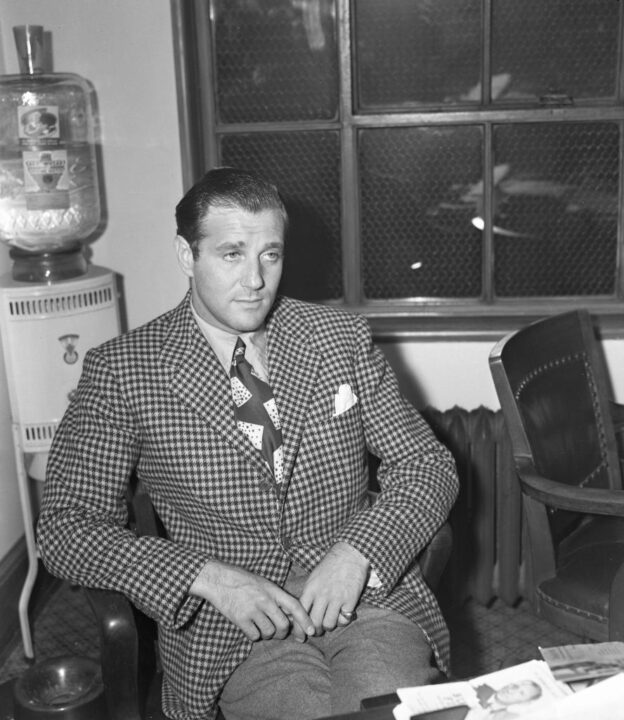
The story of the Flamingo is inextricably linked with one of the most infamous figures in American organized crime: Bugsy Siegel. His vision, ambition, and ultimately, his downfall, are central to the hotel’s origin. However, the narrative extends beyond Siegel, encompassing a series of ownership changes that reflect the shifting tides of the gambling and hospitality industries.

The Visionary and the Mob: Bugsy Siegel’s Flamingo
The genesis of the Flamingo dates back to the early 1940s. While the Mob Museum in Las Vegas details many such enterprises, the Flamingo stands out due to its audacious scale and the dramatic involvement of Bugsy Siegel. Siegel, a notorious gangster with a taste for the finer things in life, envisioned a luxurious resort that would redefine the Las Vegas experience. He wanted a place that appealed not just to gamblers, but to the Hollywood elite, offering glamour, sophistication, and high-stakes entertainment.
Siegel, along with partners like Meyer Lansky and Moe Dalitz, secured funding through a network of organized crime figures. Construction began in 1945, and the project was named “The Flamingo” in honor of Siegel’s girlfriend, Virginia Hill, whose nickname was allegedly “The Flamingo” due to her long, slender legs. The ambition was immense: a world-class hotel with a casino, showrooms, fine dining, and an exclusive atmosphere.
The original opening was on December 26, 1946. However, the initial iteration of the Flamingo was not an immediate success. Siegel was heavily criticized for overspending and for what some considered extravagant, almost tasteless, opulence. Crucially, the initial financing came with strings attached, and Siegel’s management was under scrutiny by his associates. The very people who had funded his dream soon began to question his stewardship and the return on their investment.
The dark shadow of the Mob loomed large over the early years of the Flamingo. Siegel’s control was precarious. His extravagant spending and alleged siphoning of funds created tension. Tragically, just six months after the hotel’s grand opening, on June 20, 1947, Bugsy Siegel was assassinated in Beverly Hills, California. His murder is widely believed to have been ordered by his own associates who felt he had become a liability and had failed to deliver on his promises for the Flamingo.
Following Siegel’s death, his partners, particularly Moe Dalitz, took more direct control. They aimed to stabilize the operation and ensure profitability. While the Mob’s influence persisted in the background for some time, their direct management of day-to-day operations began to shift as the industry evolved.
Transition and Diversification: From Mob Control to Corporate Ownership
The era of overt Mob control in Las Vegas was destined to wane, and the ownership of the Flamingo mirrored this transition. After Bugsy Siegel’s assassination and the subsequent consolidation of power by figures like Moe Dalitz, the focus began to shift towards professional management and broader investor involvement.

In the 1960s, the landscape of Las Vegas began to change. Legislation aimed at curbing organized crime’s influence in the gaming industry, coupled with increased public scrutiny, led to a gradual professionalization of casino ownership and management.
A significant shift occurred in 1970 when the Flamingo was acquired by the Hilton Hotels Corporation, led by the renowned hotelier Barron Hilton. This marked a pivotal moment, moving the property from the shadows of organized crime into the hands of legitimate, publicly traded corporate ownership. Under Hilton’s stewardship, the Flamingo underwent significant renovations and expansions, aiming to modernize its facilities and appeal to a wider demographic. The iconic “Flamingo Hilton” name became synonymous with a more mainstream, family-friendly Las Vegas experience, though it retained its gambling heart. This period saw the property transition from a somewhat gritty, albeit legendary, establishment to a polished resort that could compete with the burgeoning megaresorts of the era.
The Hilton era was characterized by an emphasis on hospitality standards, entertainment diversification, and integration into a larger hotel network. However, the dynamics of the casino industry were constantly shifting. The rise of corporate takeovers and the increasing complexity of casino operations meant that even established names like Hilton would eventually see their portfolios change.
The Age of Global Hospitality: Caesars Entertainment’s Reign
The late 20th and early 21st centuries ushered in an era of massive consolidation within the Las Vegas hospitality and gaming industry. The property that began with Bugsy Siegel’s daring vision and later flourished under Hilton’s corporate banner eventually found its way into the hands of one of the world’s largest entertainment conglomerates.
In 1998, Hilton Hotels Corporation spun off its casino operations into a separate company called Park Place Entertainment. This move was a precursor to further consolidation. Shortly after, in 2000, Park Place Entertainment itself was acquired by Caesars World (a subsidiary of Starwood Hotels & Resorts at the time) in a deal that significantly reshaped the Las Vegas landscape. This acquisition meant the Flamingo was now under the umbrella of the company that would eventually become Caesars Entertainment Corporation.
The name officially changed from Flamingo Hilton back to simply The Flamingo in 2000, as part of this transition. Under Caesars Entertainment’s ownership, the Flamingo has continued to evolve. While it may not boast the massive scale of some of its sister properties on the Strip, it remains a beloved and integral part of the Caesars portfolio.
Caesars Entertainment has invested in keeping the Flamingo competitive, undertaking various renovations to update its rooms, amenities, and public spaces. The hotel has worked to maintain its distinct personality – a blend of its historic charm and its modern appeal. It continues to attract a diverse clientele, from those seeking nostalgic connections to its past to new visitors drawn by its central location, entertainment options, and the vibrant atmosphere that has defined it for decades.
The Ongoing Legacy of Flamingo Ownership
The journey of ownership for the Flamingo Las Vegas Hotel & Casino is a microcosm of Las Vegas history. From its inception as a dream project of a notorious gangster to its transformation into a corporate flagship, the property has witnessed and shaped the evolution of the entertainment capital.
The initial ownership by Bugsy Siegel and his Mob associates laid the foundation, imbuing the hotel with a sense of daring and illicit glamour that still lingers in its lore. This was followed by the era of professional management and corporate oversight under Barron Hilton and Hilton Hotels Corporation, which brought stability and a more polished hospitality experience. Finally, the current ownership by Caesars Entertainment Corporation places the Flamingo within one of the largest gaming and hospitality empires in the world, ensuring its continued relevance and adaptation in the ever-changing landscape of Las Vegas. Each phase of ownership has left its indelible mark, contributing to the rich tapestry that makes the Flamingo one of the most enduring and captivating landmarks on the Las Vegas Strip.
LifeOutOfTheBox is a participant in the Amazon Services LLC Associates Program, an affiliate advertising program designed to provide a means for sites to earn advertising fees by advertising and linking to Amazon.com. Amazon, the Amazon logo, AmazonSupply, and the AmazonSupply logo are trademarks of Amazon.com, Inc. or its affiliates. As an Amazon Associate we earn affiliate commissions from qualifying purchases.