
Understanding the tax landscape in Colorado is crucial for anyone planning a visit, considering a move, or simply managing their daily expenses within the state. From the bustling streets of Denver to the serene slopes of Aspen and Vail, tax rates can significantly influence your budget for accommodation, dining, activities, and even long-term living. As a vibrant hub for outdoor adventure, cultural experiences, and burgeoning industries, the Centennial State presents a multi-layered tax system that warrants a closer look for a seamless and financially savvy experience.
Understanding Colorado’s Tax Landscape for Visitors
For travelers and temporary residents, the most immediate impact of Colorado’s tax system will be felt through sales and lodging taxes. Unlike some states that rely heavily on income or property taxes, Colorado features a relatively low state sales tax, but this is often compounded by local rates, creating a varied financial picture across different municipalities. Navigating these nuances is key to effective budget planning, whether you’re embarking on a luxurious ski trip or a budget-conscious family adventure.
State Sales Tax: The Baseline
The statewide sales tax in Colorado is a consistent 2.9%. This relatively low rate applies to most tangible goods purchased, as well as certain services. This baseline means that for every dollar spent on eligible items, you’ll pay an additional 2.9 cents to the state. However, it’s essential to remember that this is just the starting point. This state rate contributes to public services and infrastructure across Colorado, impacting everything from road maintenance to educational funding. For visitors, this foundational tax applies to souvenirs, clothing, many retail purchases, and a host of other consumer goods.
Local Sales Taxes: The Variable Element
The true complexity and variability in Colorado’s sales tax system arise from local sales taxes. Cities, counties, and special districts (such as those funding transportation or specific cultural initiatives) have the authority to impose their own sales taxes, which are levied in addition to the state’s 2.9%. This means that the combined sales tax rate can differ significantly depending on where you are within Colorado.
For instance, while the state rate remains constant, a city like Denver might have a combined sales tax rate exceeding 8%, whereas a smaller town could have a significantly lower rate. These local taxes fund municipal services, local infrastructure projects, parks, and other community-specific needs. When planning a shopping spree or calculating the cost of daily essentials, it’s crucial to research the specific combined sales tax rate for the city or county you’ll be visiting. Online tools and local government websites are excellent resources for obtaining the most current and accurate figures, ensuring there are no surprises at the checkout.
Specific Taxes Affecting Your Colorado Experience
Beyond general sales tax, several specific tax categories directly impact the cost of travel and lifestyle choices in Colorado. Being aware of these can help you fine-tune your budget and make informed decisions about your itinerary.
Lodging Taxes: Accommodation Costs
Accommodation is often one of the most significant expenses for visitors, and Colorado imposes various lodging taxes. The state levies its own sales tax on lodging, but again, local municipalities often add their own lodging taxes. These can be percentage-based or, in some rare cases, a flat fee per night. Resort towns like Vail or Aspen, for example, typically have higher combined lodging tax rates compared to less tourist-dense areas.
These taxes fund local tourism initiatives, convention centers, and other amenities designed to enhance the visitor experience. When booking hotels, short-term rentals, or vacation homes, always factor in these additional lodging taxes. They can add a substantial percentage to your total accommodation bill, particularly for extended stays or luxury properties. It’s common for these taxes to bring the total cost of a room significantly higher than the advertised base rate, so always look for the “total price” when comparing options.
Rental Car Taxes: Exploring the Centennial State
For those planning to explore the vast landscapes of Colorado, a rental car is often indispensable. Be prepared for additional taxes and fees beyond the base rental rate. In addition to the state and local sales taxes that apply to the rental transaction itself, Colorado typically imposes a specific rental car tax. This tax contributes to transportation infrastructure and related services. These fees, combined with other surcharges (like airport concession fees if picking up at Denver International Airport), can add a significant amount to your rental car expense. Always request a detailed breakdown of all taxes and fees when reserving a vehicle to avoid unexpected costs.
Food & Beverage Taxes: Dining Out
Dining out is an integral part of experiencing local culture, and in Colorado, food and beverages are subject to sales tax. Similar to general retail, this includes the state’s 2.9% plus applicable local sales taxes. However, it’s worth noting that unprepared food items (groceries) are generally exempt from state sales tax, although some local jurisdictions may still apply a tax to them. This distinction can be important for budget travelers who plan to cook some of their meals. When enjoying a meal at a restaurant, coffee shop, or bar, the total bill will include these taxes, so factor them into your dining budget. Tipping is, of course, a separate consideration and is customary for good service.
Cannabis Taxes: A Unique Consideration

Colorado was one of the first states to legalize recreational cannabis, and sales of marijuana products are subject to a distinct and higher tax structure. Beyond the standard state and local sales taxes, there is a dedicated state excise tax on wholesale marijuana transfers and a special state sales tax on retail marijuana purchases. These taxes are significantly higher than general sales taxes and are designed to fund state regulatory oversight, public health initiatives, and school construction. If you choose to purchase cannabis products, be aware that the combined tax rate will be considerably higher than for other goods, often pushing the total cost upwards of 20-30% or more, depending on the location. Always consult reputable dispensaries for precise pricing and tax information.
Beyond Sales: Income, Property, and Fuel Taxes
While less directly impactful for short-term visitors, understanding Colorado’s broader tax framework can be insightful for those considering extended stays, remote work from the state, or even potential relocation. These taxes contribute to the overall economic environment and quality of life in Colorado.
Income Tax: For Longer Stays or Relocation Considerations
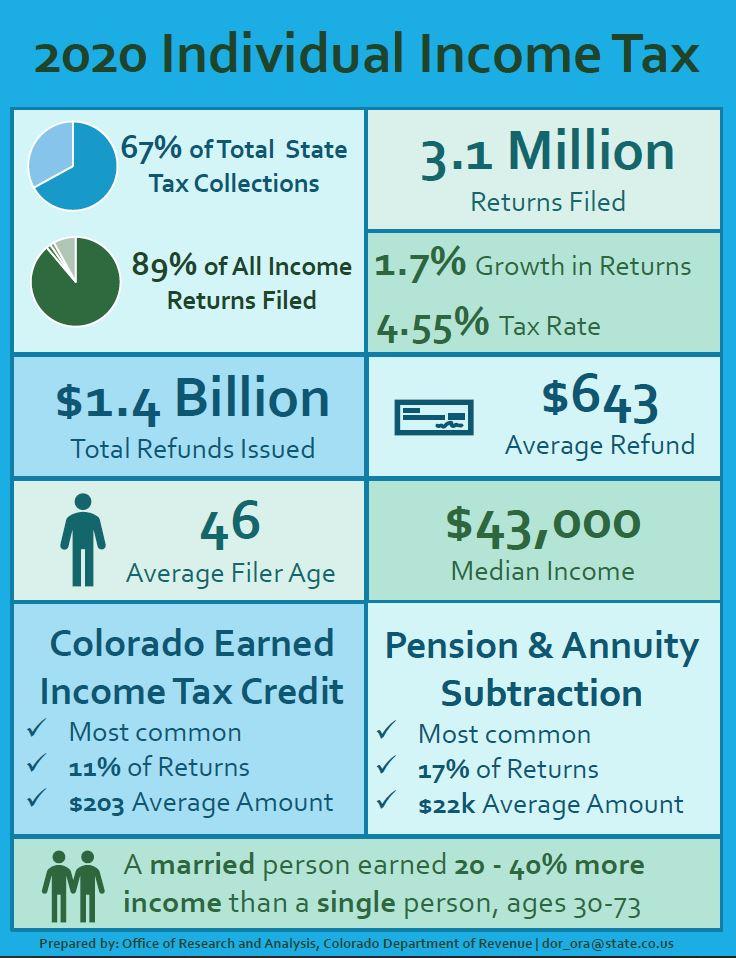
Colorado has a flat-rate state income tax. This means that all taxable income is taxed at the same percentage, regardless of the income level. The current rate is typically around 4.40%, though it can vary slightly based on legislative changes. This flat tax is generally considered favorable compared to states with progressive income tax structures where higher earners pay a larger percentage. For visitors, this primarily becomes relevant if you earn income while physically present in Colorado for an extended period, or if you establish residency. It’s a key factor for anyone contemplating a move to cities like Colorado Springs or Boulder.
Property Tax: Homeownership Implications
Property taxes in Colorado are relatively complex, as they are assessed at the local level (county and special districts) and based on a percentage of the actual value of the property. While the state sets the assessment rate, the actual mill levies are determined by local governments. Compared to some other states, Colorado’s residential property tax rates are often considered moderate, especially in terms of effective rates. However, property values in popular areas, particularly along the Front Range or in mountain resort communities, can be quite high, leading to substantial tax bills despite lower rates. This is a critical consideration for anyone looking to invest in real estate or establish a permanent home in the state.
Fuel Tax: Getting Around
Gasoline and diesel fuel are subject to state excise taxes in Colorado. This per-gallon tax is added to the price you see at the pump and contributes to the maintenance and improvement of the state’s roads, highways, and transportation infrastructure. While not a massive line item for most visitors, those embarking on extensive road trips across the Rocky Mountains or traversing long distances will find it adds up. The fuel tax is a standard component of vehicle operation costs and is fairly consistent across the state.
Budgeting Strategies for Your Colorado Lifestyle
With the varying tax rates across Colorado, smart budgeting is paramount to enjoying your experience without financial stress. Incorporating tax considerations into your planning can lead to significant savings and a more predictable expenditure profile.
Planning for Variable Local Taxes
The most effective strategy is to research the specific sales and lodging tax rates for each city or county you plan to visit. Websites for local chambers of commerce or municipal governments typically provide this information. For example, if you’re choosing between staying in Denver or a neighboring suburb, the combined sales and lodging taxes could differ by several percentage points, impacting your total spend on accommodation, dining, and retail. Factor these differences into your accommodation choices and even where you decide to shop for souvenirs or dine out.
Off-Peak Savings and Tax Implications
While tax rates themselves don’t change with the seasons, the amount of goods and services you consume might. Visiting Colorado during off-peak seasons (e.g., late spring or early fall outside of major holidays) often means lower prices for hotels, rental cars, and even some activities. While the percentage of tax remains constant, the base price it’s applied to is lower, resulting in a lower overall tax payment. This can contribute to substantial savings, especially on higher-cost items like lodging in prime tourist destinations.
Utilizing Tax-Exempt Services
Be aware that certain services or goods might be tax-exempt. For instance, as mentioned, most unprepared food (groceries) is exempt from state sales tax. Understanding these exemptions can help you make choices that subtly reduce your overall tax burden. If you’re on a budget, opting to prepare some of your meals from groceries bought at a local supermarket rather than dining out for every meal can result in savings on both the base cost and the associated sales taxes.

Navigating Colorado’s Tax System: Key Takeaways
Colorado’s tax system, particularly for visitors, is characterized by its combination of a moderate state sales tax and significantly variable local sales and lodging taxes. The key to successfully navigating these taxes lies in proactive research and planning. Always account for these additional percentages when budgeting for accommodations, rental cars, dining, and general purchases.
For those considering a longer-term stay or relocation, the flat state income tax and locally administered property taxes add another layer of financial consideration. While generally considered a tax-friendly state overall, the cumulative effect of various local taxes can still add up. By understanding “How Much Is Tax In Colorado?” in detail, you empower yourself to make informed decisions, ensuring a smooth, enjoyable, and financially predictable experience in this beautiful and dynamic state. Always refer to official Colorado Department of Revenue publications or local municipal websites for the most current and accurate tax rates, as these figures are subject to change.
LifeOutOfTheBox is a participant in the Amazon Services LLC Associates Program, an affiliate advertising program designed to provide a means for sites to earn advertising fees by advertising and linking to Amazon.com. Amazon, the Amazon logo, AmazonSupply, and the AmazonSupply logo are trademarks of Amazon.com, Inc. or its affiliates. As an Amazon Associate we earn affiliate commissions from qualifying purchases.