
The question of ownership for a property as colossal and iconic as Mandalay Bay in Las Vegas is not as straightforward as one might assume. While the recognizable name and operations are a constant on the Las Vegas Strip, the entity holding the reins has evolved over time. Understanding the ownership structure provides insight into the broader landscape of integrated resort development and management in the global entertainment capital. At present, Mandalay Bay is a flagship property of a major hospitality and entertainment corporation, a common paradigm for many of the large-scale resorts that define the Las Vegas experience.
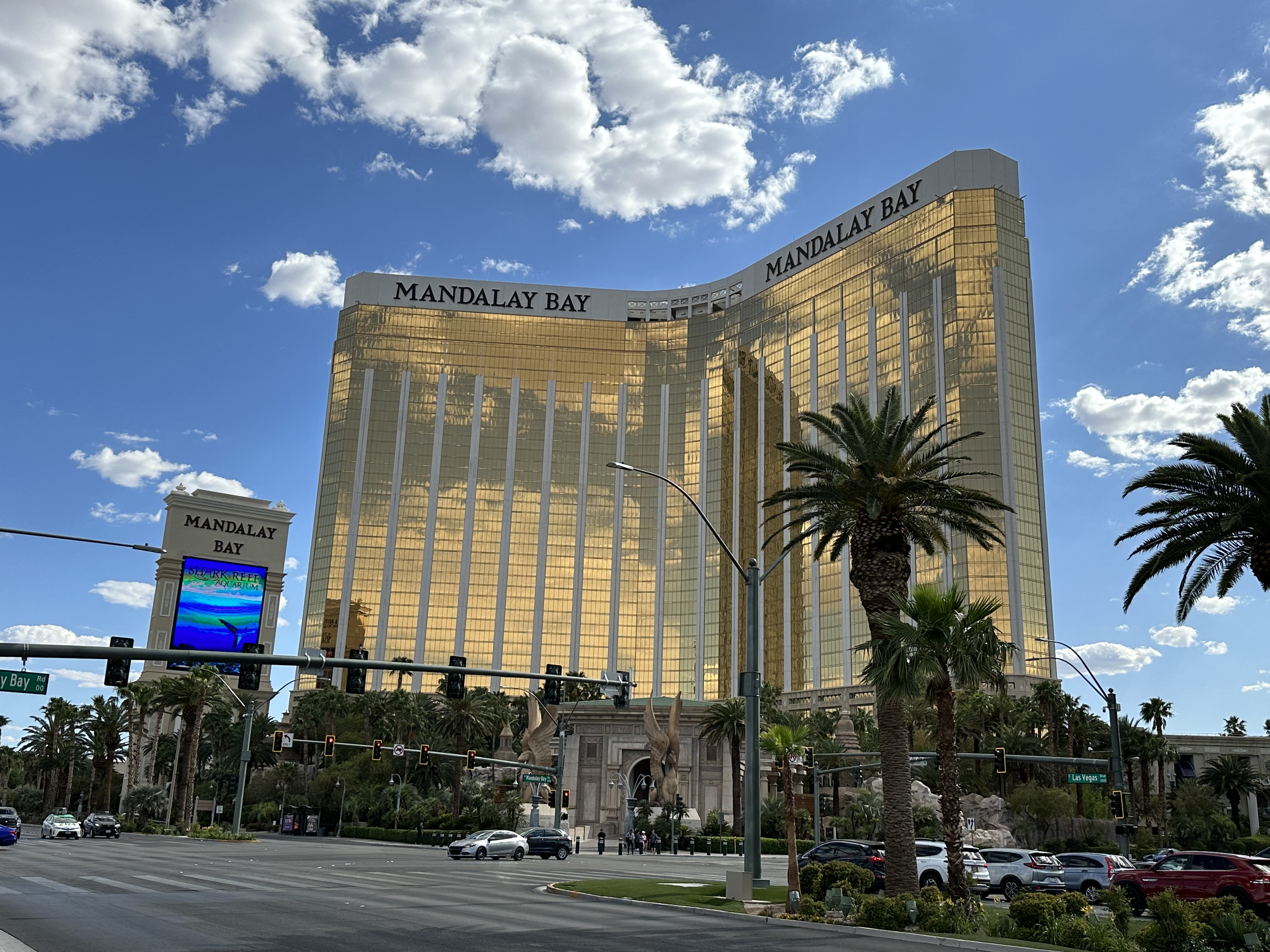
The Corporate Landscape of [Las Vegas] Resorts
The ownership of large integrated resorts like Mandalay Bay is typically not held by an individual or a small private group. Instead, these properties are part of the portfolios of publicly traded corporations that specialize in developing, owning, and operating casinos, hotels, and entertainment venues. This corporate structure allows for the significant capital investment required to build and maintain such vast complexes, as well as the expertise to manage their diverse operations, from gaming floors and dining establishments to convention centers and entertainment productions.
The current owner of Mandalay Bay is MGM Resorts International. This is a significant player in the global hospitality industry, with a vast array of iconic properties primarily located in the United States and internationally. MGM Resorts International has a long and storied history in Las Vegas, and its portfolio includes many of the most recognizable names on the Las Vegas Strip, such as Bellagio, Aria Resort & Casino, The Cosmopolitan of Las Vegas, and Luxor Hotel and Casino. The acquisition and consolidation of properties by large corporations are common themes in the evolution of the Las Vegas market.
The Evolution of Ownership
The history of Mandalay Bay itself, and its ownership, reflects the dynamic nature of the Las Vegas casino industry. Originally opened in 1999 as part of Circus Circus Enterprises, the resort was later acquired by MGM MIRAGE (the precursor to MGM Resorts International) in 2005. This acquisition was part of a significant consolidation within the Las Vegas market, where larger entities absorbed smaller ones to gain market share and operational efficiencies.
The rebranding from MGM MIRAGE to MGM Resorts International in 2010 further solidified the company’s global presence and its commitment to developing integrated resort destinations. This corporate evolution is crucial to understanding the current ownership structure of Mandalay Bay. The company operates a vast portfolio, often with different branding and operational strategies for each property, yet unified under a single corporate umbrella.
[MGM Resorts International]’s Role and Strategy
As the owner, MGM Resorts International is responsible for the strategic direction, financial performance, and overall management of Mandalay Bay. This includes decisions related to capital investments, property upgrades, marketing efforts, and the integration of the resort into the broader MGM Rewards loyalty program. The company’s strategy often involves creating synergistic opportunities across its properties, allowing guests to leverage their loyalty points and enjoy a seamless experience across multiple venues.
Integrated Resort Operations
Mandalay Bay is a prime example of an integrated resort. This means it’s not just a hotel or a casino, but a comprehensive destination offering a wide range of amenities and attractions. MGM Resorts International leverages this integrated model to maximize revenue streams and guest engagement. This includes:
- Gaming: The casino floor offers a vast selection of slot machines, table games, and a poker room.
- Accommodations: The resort features thousands of hotel rooms and suites, catering to various budgets and preferences.
- Dining: A diverse culinary landscape, from casual eateries to high-end fine dining restaurants, is a hallmark of MGM Resorts International properties.
- Entertainment: Mandalay Bay hosts world-class entertainment, including resident shows and touring productions in its arena and event venues.
- Convention and Events: The property boasts an extensive convention center, attracting major business and trade shows.
- Recreation and Amenities: This includes multiple swimming pools, a spa, a fitness center, and unique attractions like the Mandalay Bay Shark Reef Aquarium.
The success of Mandalay Bay is, therefore, intrinsically linked to the strategic vision and operational capabilities of its parent company, MGM Resorts International.
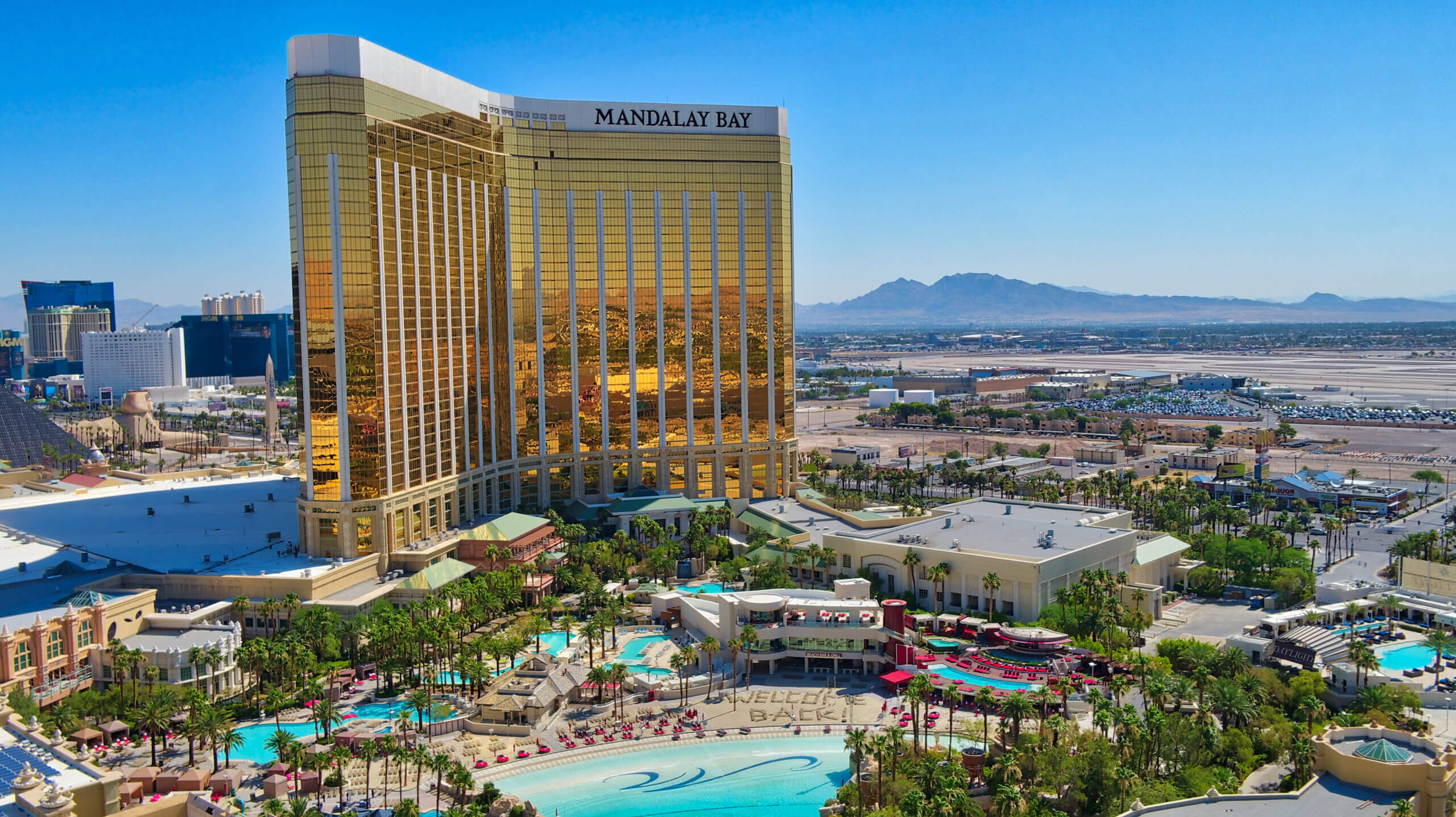
Beyond Direct Ownership: Real Estate Investment Trusts (REITs)
A nuanced aspect of resort ownership, particularly in markets like Las Vegas, involves the role of Real Estate Investment Trusts (REITs). In many instances, the physical real estate of a casino resort is owned by a REIT, while a separate company, such as MGM Resorts International, operates the business. This structure can be employed for various financial and strategic reasons, including tax benefits and a clearer separation of real estate assets from operational liabilities.
In the case of Mandalay Bay, a significant portion of its real estate is indeed owned by a REIT. Specifically, in 2020, MGM Resorts International completed a transaction where it sold the real estate assets of Mandalay Bay and the adjacent Delano Las Vegas to the real estate investment trust MGM Growth Properties (MGP). Subsequently, MGM Resorts International entered into a long-term lease agreement with [MGP] to continue operating the resort.
This dual ownership model is prevalent in the gaming industry. MGM Resorts International retains operational control, brand management, and customer-facing aspects, while [MGP] manages the physical property as a real estate asset. This arrangement allows MGM Resorts International to focus on its core competencies in hospitality and entertainment, while [MGP] benefits from stable rental income from a prime asset.
The Impact of [MGM Growth Properties]
MGM Growth Properties (MGP) itself became a publicly traded real estate investment trust, meaning its shares are available for purchase by investors on stock exchanges. This means that indirectly, through investment in MGP, the public can have a stake in the real estate underlying Mandalay Bay. This financial structuring is a sophisticated strategy employed by large corporations to manage their assets and capital efficiently.
More recently, there has been a significant development: Apollo Global Management, a major alternative investment firm, acquired MGM Growth Properties in a deal that closed in March 2022. Following this acquisition, Apollo Global Management merged MGP into its newly formed REIT, Vici Properties. Therefore, the current owner of the real estate portfolio that includes Mandalay Bay and Delano Las Vegas is Vici Properties. MGM Resorts International continues to operate these properties under lease agreements with Vici Properties. This intricate web of ownership and operational agreements is characteristic of the modern integrated resort landscape.
Understanding the Operator vs. Owner Distinction
It is crucial to differentiate between the operator of a property and the owner of its underlying real estate. In the context of Mandalay Bay:
- Operator: MGM Resorts International is the operator. They manage all aspects of the resort’s day-to-day activities, guest experience, branding, marketing, and employee workforce. Their revenue is generated from the profits of the casino, hotel, F&B, and entertainment operations.
- Owner (of the Real Estate): Vici Properties is the current owner of the land and buildings comprising Mandalay Bay and Delano Las Vegas. They receive rental income from MGM Resorts International based on their long-term lease agreements.
This distinction is vital for investors, analysts, and even seasoned travelers who are interested in the financial structure and corporate entities behind these massive entertainment complexes. The lease agreements are typically long-term, often spanning decades, and include provisions for rent escalations and other financial terms. This arrangement provides stability for both parties, allowing MGM Resorts International to focus on running a successful resort without the burden of direct real estate ownership, and Vici Properties to benefit from a reliable income stream from a high-profile asset.
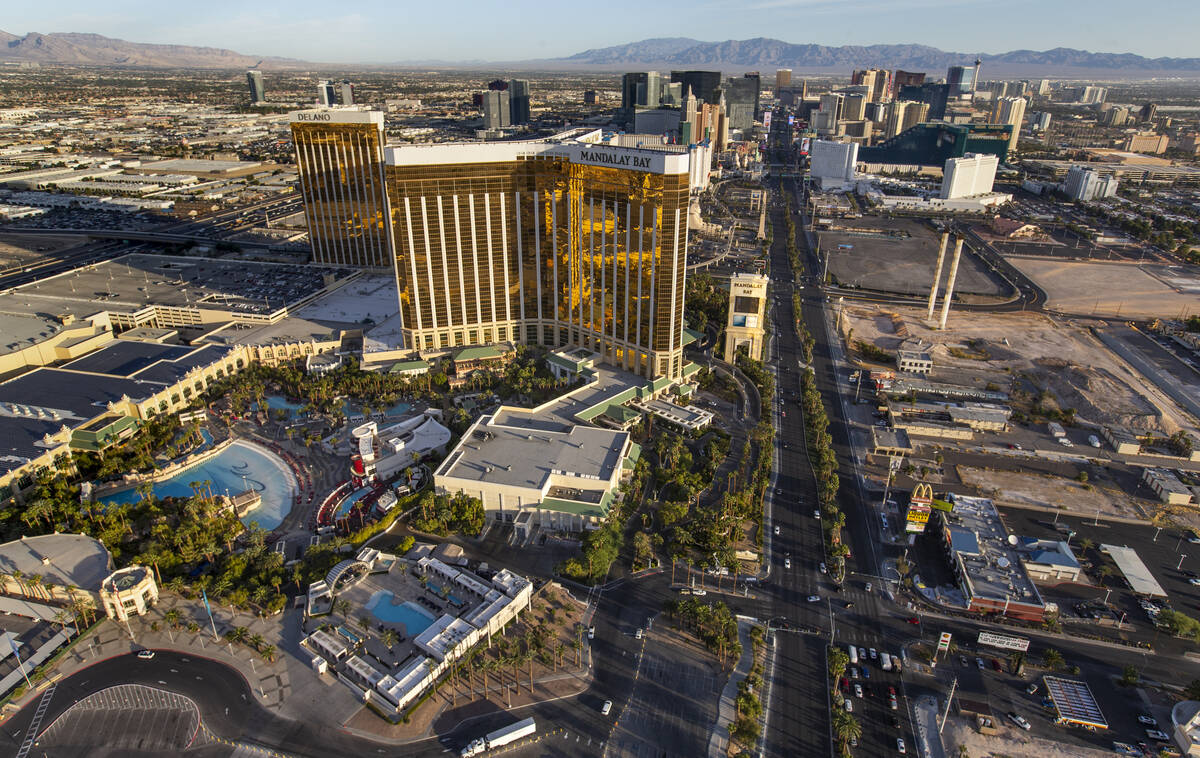
The Broader Implications for [Las Vegas]
The ownership structure of Mandalay Bay, with its interplay between MGM Resorts International as the operator and Vici Properties as the real estate owner, is not an anomaly but rather a reflection of a strategic trend in the hospitality and gaming industry. Many of the iconic resorts on the Las Vegas Strip are part of similar arrangements. This model has enabled significant investment and development in the market, as it allows companies to divest real estate assets, free up capital for new projects or debt reduction, and maintain operational control over their most valuable brands and properties.
The stability provided by these long-term lease agreements with REITs like Vici Properties is crucial for the continuous evolution and enhancement of properties like Mandalay Bay. It ensures that these resorts remain competitive, well-maintained, and capable of offering the high-end experiences that attract millions of visitors to Las Vegas annually. Ultimately, while the name on the marquee and the experience within the resort belong to MGM Resorts International, the physical foundation rests with entities like Vici Properties, highlighting the sophisticated financial engineering that underpins these world-renowned destinations.
LifeOutOfTheBox is a participant in the Amazon Services LLC Associates Program, an affiliate advertising program designed to provide a means for sites to earn advertising fees by advertising and linking to Amazon.com. Amazon, the Amazon logo, AmazonSupply, and the AmazonSupply logo are trademarks of Amazon.com, Inc. or its affiliates. As an Amazon Associate we earn affiliate commissions from qualifying purchases.