
Navigating the sprawling metropolis of Los Angeles can be an exciting endeavor, particularly when it comes to air travel. The sheer number of airports serving this vast region often surprises visitors and even some locals. Understanding the landscape of Los Angeles aviation is crucial for seamless travel, whether you’re arriving for a sun-drenched vacation, a critical business meeting, or a cross-country adventure. This guide delves into the primary and secondary airports that collectively form the backbone of air transportation for the Greater Los Angeles area, offering insights into their unique characteristics and the travelers they serve.
The Grand Gateway: Los Angeles International Airport (LAX)
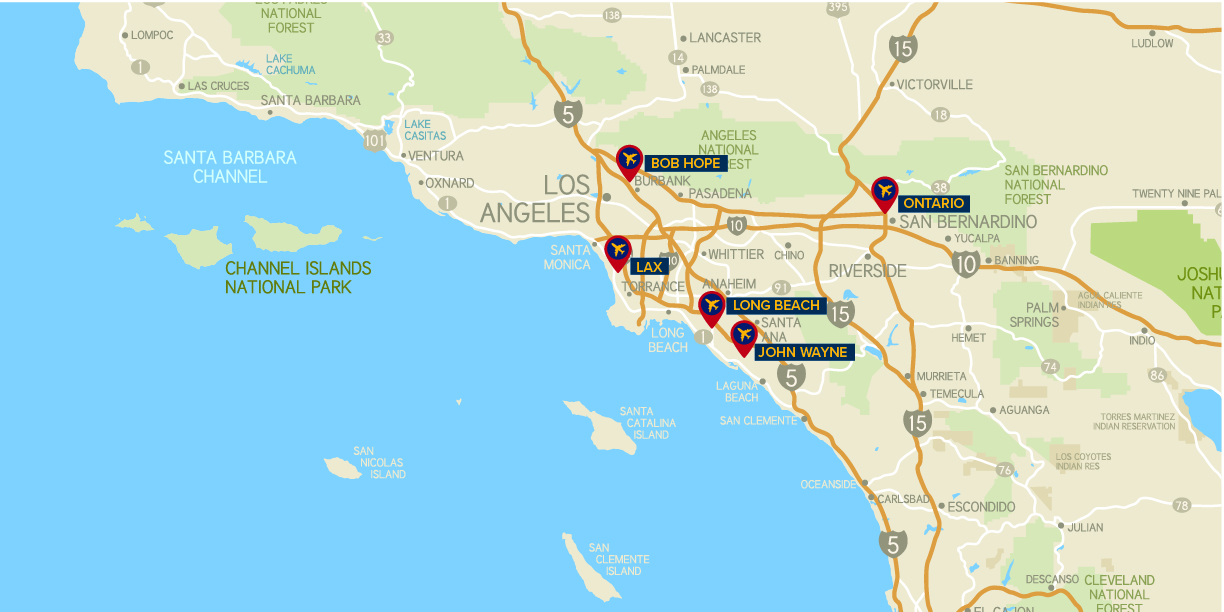
At the heart of the Los Angeles air travel ecosystem lies Los Angeles International Airport (LAX). As one of the busiest airports in the world, LAX serves as the primary international gateway to Southern California. Its sheer scale and the volume of passengers it handles are staggering, making it a pivotal point for global connectivity.
A Hub of Global Connectivity
LAX boasts an impressive array of terminals, each dedicated to specific airlines and destinations. This intricate network facilitates flights to virtually every corner of the globe. For international travelers, LAX is often the first and last impression of the United States, and its operations are a testament to complex logistical coordination. The airport features a wide range of amenities, from world-class dining options and extensive retail outlets to lounges and services designed to cater to the diverse needs of its millions of annual passengers.
Navigating the LAX Experience
The experience at LAX can be characterized by its dynamism and scale. With nine passenger terminals, connecting between flights or simply getting to your departure gate requires careful planning. The airport offers various transportation options within its sprawling complex, including the LAX shuttle bus system and the newer LAXit train, designed to ease congestion and improve passenger flow between terminals and to off-site parking and rental car facilities. For those seeking convenience, ride-sharing services and traditional taxis are readily available, though they often contend with the area’s notorious traffic.
Beyond the Main Hub: Major Reliever Airports
While LAX dominates the conversation, the Los Angeles basin is supported by a network of major airports that play crucial roles in alleviating pressure on the primary gateway and serving specific regional needs. These airports, often referred to as reliever airports, are vital components of the region’s air traffic infrastructure.
Long Beach Airport (LGB)
Nestled in the vibrant city of Long Beach, the Long Beach Airport (LGB) offers a more relaxed and intimate alternative to LAX. Known for its distinctive Art Deco terminal building, LGB provides a charming and efficient travel experience. It primarily serves domestic flights, with a focus on airlines offering convenient routes to major cities across the United States. Its compact size makes for quick check-ins, shorter walks to gates, and generally less stressful arrivals and departures. For travelers whose destinations are closer to the Long Beach or Orange County areas, LGB presents an attractive and often time-saving option.
Hollywood Burbank Airport (BUR)
Located in the heart of the entertainment industry in Burbank, the Hollywood Burbank Airport (BUR) is a significant player in the Los Angeles area’s air travel scene. BUR is particularly convenient for those heading to or from the San Fernando Valley and the northern parts of Los Angeles County. Its relatively small size, single terminal, and efficient operations contribute to a streamlined travel experience. BUR is a popular choice for both business and leisure travelers, offering direct flights to numerous domestic destinations. The airport’s proximity to major studios and attractions in Burbank and nearby Hollywood makes it an ideal entry point for entertainment-focused trips.

John Wayne Airport (SNA)
While technically located in Orange County, John Wayne Airport (SNA) is a crucial aviation asset for Southern California and is easily accessible to many residents of the southern parts of the Los Angeles metropolitan area. SNA is renowned for its user-friendly design, with a focus on passenger comfort and convenience. It serves a variety of domestic destinations and is a popular choice for those traveling to and from Southern California’s famous theme parks and coastal communities. The airport’s streamlined operations and manageable scale offer a refreshing contrast to the hustle and bustle of larger international hubs, making it an attractive option for a significant portion of the region’s travelers.
Smaller Airports and General Aviation
Beyond the major commercial airports, the Los Angeles area is served by a number of smaller airports that cater primarily to general aviation, private aircraft, and sometimes specialized commercial operations. These airports are essential for business aviation, flight training, and providing niche air services.
Van Nuys Airport (VNY)
Van Nuys Airport (VNY) is one of the busiest general aviation airports in the world. Located in the San Fernando Valley, it is a vital hub for private pilots, corporate jets, and helicopter operations, including emergency medical services. While not a destination for commercial airlines, VNY plays a critical role in supporting the region’s diverse aviation needs and often serves as a staging area for high-profile individuals and important business travel.
Other General Aviation Facilities
The broader Los Angeles metropolitan area includes several other smaller airports, such as Whiteman Airport in Pacoima, Zamperini Field in Torrance, and Palo Alto Airport (though slightly further north but relevant to the broader regional influence). These facilities support recreational flying, flight schools, and specialized aviation businesses. Their existence underscores the comprehensive nature of aviation infrastructure in Southern California, ensuring that various segments of the aviation community have dedicated spaces to operate.
The Role of Airports in Los Angeles Travel
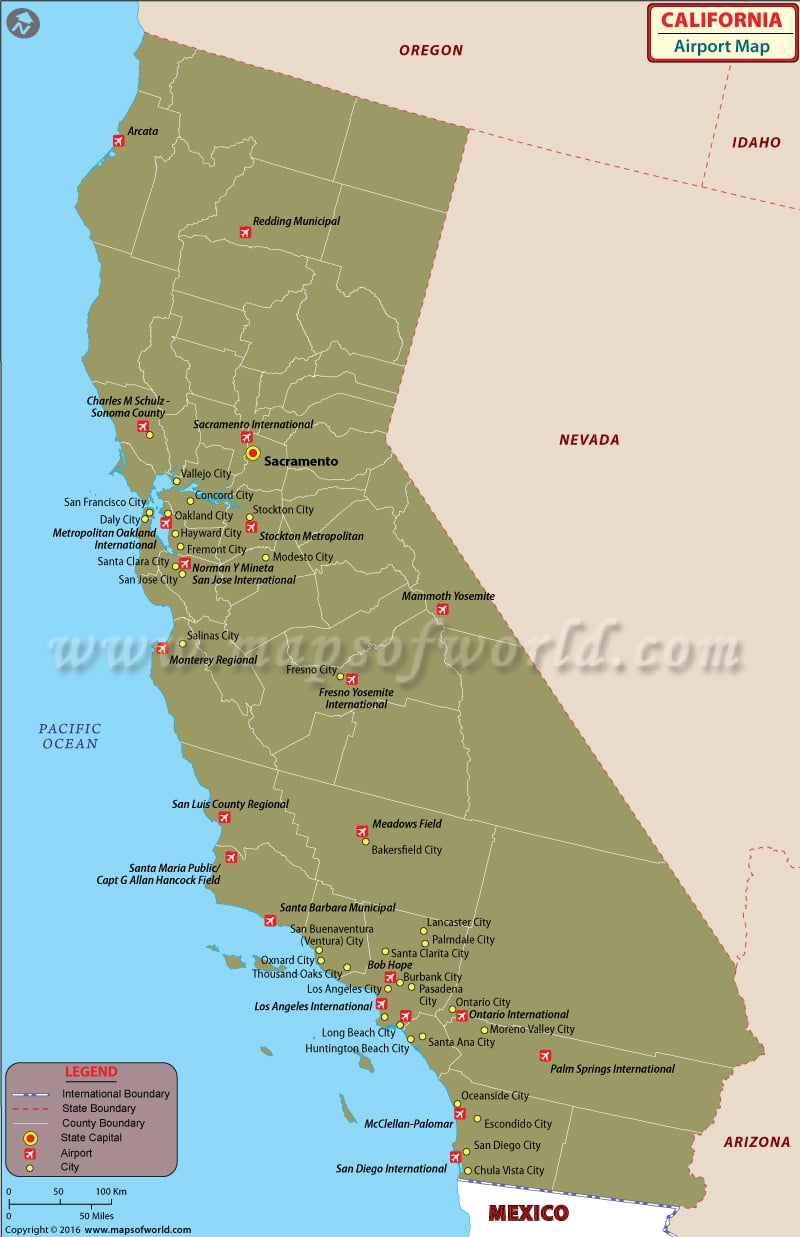
The presence of multiple airports significantly shapes the travel experience in Los Angeles. This network allows for a distribution of air traffic, which can help manage congestion at the primary hub, LAX. For travelers, this means having choices based on their final destination, budget, and preferred travel experience. Opting for a reliever airport can sometimes lead to shorter travel times to specific parts of the sprawling county and a less overwhelming airport environment.
Factors to Consider When Choosing an Airport
When planning a trip to or from Los Angeles, it’s essential to consider which airport best suits your needs. Key factors include:
- Your Final Destination: Is your accommodation or meeting in the Westside, downtown, the San Fernando Valley, or further south in Orange County? Choosing an airport closer to your destination can save significant travel time and cost on ground transportation.
- Airline Choice and Flight Availability: Certain airlines have stronger presences at specific airports. If you have loyalty to a particular carrier or are seeking a specific route, check which airports they serve predominantly.
- Desired Travel Experience: Do you prefer the vast amenities and global reach of LAX, or the more compact and potentially less stressful environment of Long Beach Airport or Hollywood Burbank Airport?
- Cost of Airfare and Ground Transportation: Flight prices can vary between airports, and so can the cost and time required for ground transportation to your final destination.
In conclusion, while Los Angeles International Airport is the undisputed heavyweight, the region is robustly supported by several other significant airports, each contributing to its status as a major global travel hub. Understanding this complex network empowers travelers to make informed decisions, ensuring a smoother and more efficient journey through the dynamic landscape of Southern California.
LifeOutOfTheBox is a participant in the Amazon Services LLC Associates Program, an affiliate advertising program designed to provide a means for sites to earn advertising fees by advertising and linking to Amazon.com. Amazon, the Amazon logo, AmazonSupply, and the AmazonSupply logo are trademarks of Amazon.com, Inc. or its affiliates. As an Amazon Associate we earn affiliate commissions from qualifying purchases.