
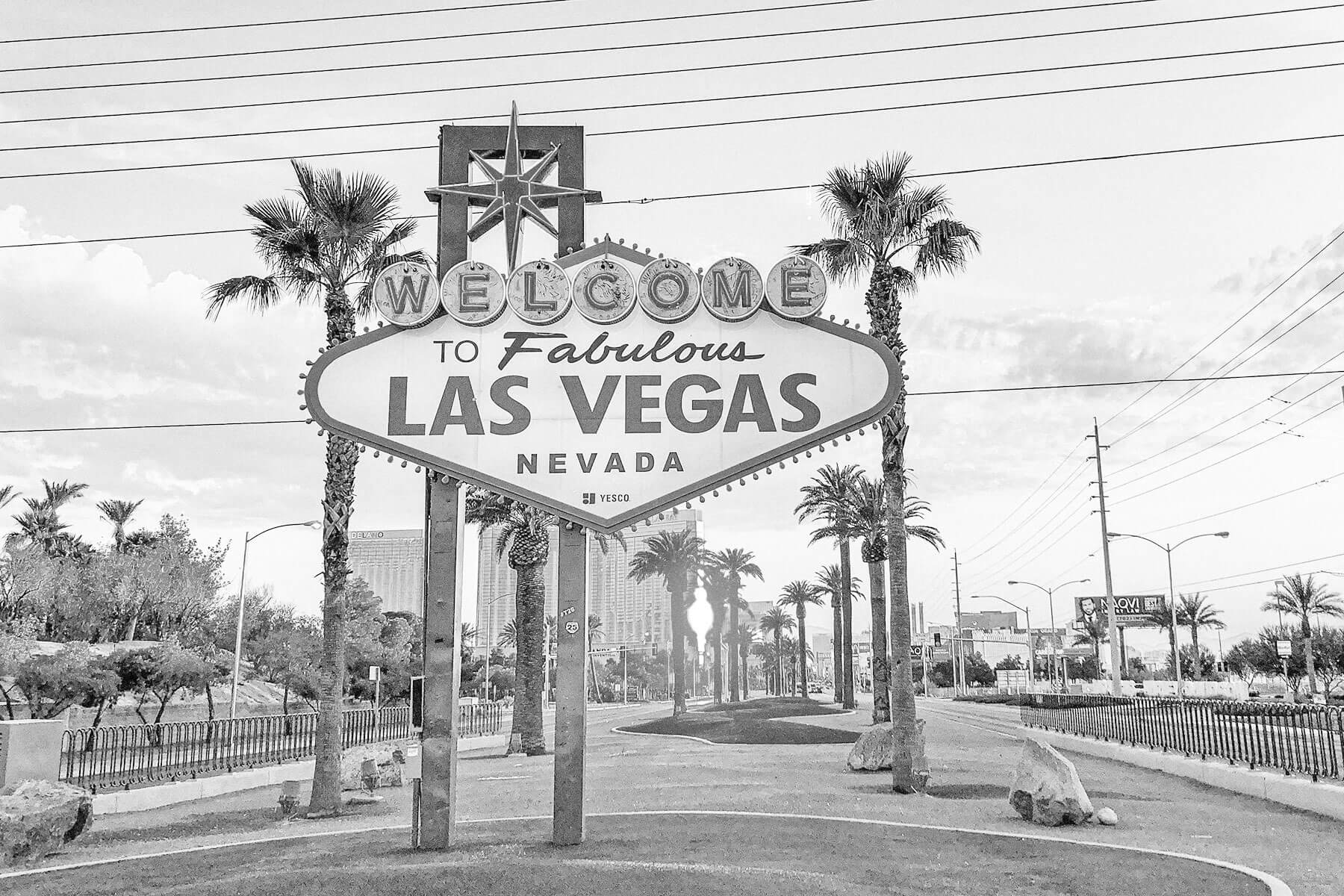
Las Vegas, Nevada, a city synonymous with dazzling lights, world-class entertainment, and unparalleled hospitality, conjures images of lavish resorts and iconic casinos. Yet, beneath the veneer of its modern glamour lies a rich and often overlooked history. The story of its genesis is not one of a single visionary but a confluence of strategic decisions, entrepreneurial spirit, and the sheer determination to transform a desolate desert landscape into a beacon of possibility. To understand who “started” Las Vegas, Nevada, we must delve into the foundational elements that shaped its destiny, from its indigenous roots to its pivotal role in the railway and the subsequent rise of organized gaming.
The Indigenous Foundations and Early Explorations
Long before it bore the name “Las Vegas,” this fertile valley was a vital oasis for indigenous peoples. The Southern Paiute tribes, among others, recognized the valley’s significance as a watering hole and a stopping point along ancient trails. The very name “Las Vegas,” meaning “the meadows” in Spanish, was bestowed upon the area by Spanish explorers in the 19th century, most notably by Antonio Armijo in 1829 as he traveled the Old Spanish Trail. This trail was a crucial trade route connecting New Mexico with California, and the availability of water in the Las Vegas valley made it an indispensable respite for weary travelers.
The Importance of Water
The presence of artesian wells and the lush, meadow-like vegetation surrounding them were the lifeblood of this region. These natural springs, now largely covered or channeled, provided the essential resource that allowed for human and animal sustenance in an otherwise arid environment. Without this abundant water source, the development of any settlement, let alone a sprawling metropolis, would have been an impossible feat. Early pioneers, prospectors, and traders relied on these springs, marking the valley as a place of critical importance on the map of the American West.
The Railroad’s Transformative Arrival
The true catalyst for the formal establishment of a permanent settlement in Las Vegas was the arrival of the railroad. In the early 20th century, William A. Clark, a magnate and senator from Montana, played a pivotal role in financing and developing the San Pedro, Los Angeles & Salt Lake Railroad (later part of the Union Pacific Railroad). The railroad line was strategically routed through the Las Vegas valley, recognizing its potential as a central hub and a critical watering station.
The Birth of a Town
In 1905, Clark’s Las Vegas Land and Water Company held a public auction of town lots in what would become downtown Las Vegas. This event is widely considered the official founding of the modern city. The railroad offered land and resources, attracting settlers, businesses, and laborers. The initial settlement was a modest railroad town, but its strategic location and the vision of those involved in its development set the stage for future growth. The railroad provided the essential infrastructure for transportation and commerce, connecting Las Vegas to the wider world and facilitating the movement of goods and people.
The Era of Prohibition and the Rise of Gaming
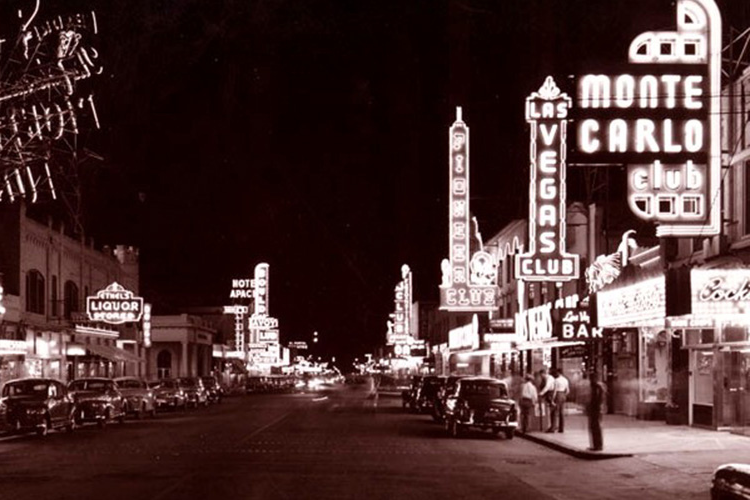
While the railroad laid the groundwork, it was a confluence of economic and legal factors in the mid-20th century that truly defined Las Vegas and propelled it into the global spotlight. The state of Nevada legalized gambling in 1931, a decision largely driven by the need to generate revenue during the Great Depression and to revitalize its economy. This legislative change, coupled with the easing of divorce laws, began to attract a different kind of visitor and investor.
Bugsy Siegel and the Flamingo
The true turning point, however, came with the post-World War II era and the influx of organized crime figures who saw the immense potential for lucrative gambling operations. Among them, Meyer Lansky and Charles “Lucky” Luciano were instrumental in funneling mob money into the nascent casino industry. The most iconic figure in this chapter is arguably Benjamin “Bugsy” Siegel, a notorious mobster who, along with his associates, envisioned and began construction of the Flamingo Hotel in 1945. Though Siegel did not live to see the Flamingo’s grand opening, his ambition and the subsequent success of the hotel signaled the dawn of a new era for Las Vegas. He is often credited with shaping the image of the glamorous, high-stakes casino resort that would become the city’s hallmark.
The Blueprint for the Modern Resort
The Flamingo Hotel was revolutionary. It was not merely a casino; it was a luxurious destination offering dining, entertainment, and accommodation under one roof. This integrated resort model, pioneered by Siegel and his team, became the blueprint for virtually every subsequent development on the Las Vegas Strip. The infusion of mob capital, while controversial, provided the financial backing necessary to build these extravagant establishments at a scale previously unimagined in the desert.

The Architects of Influence
It’s a simplification to attribute the “start” of Las Vegas, Nevada to a single individual or entity. Instead, it was a multi-faceted process involving various key players and historical junctures:
- Indigenous Peoples: They were the first inhabitants, recognizing the land’s value as a vital oasis.
- Spanish Explorers: They named the valley, embedding it on maps and in history.
- William A. Clark and the Railroad: His enterprise provided the crucial infrastructure and formal settlement.
- Nevada State Legislature: Their decision to legalize gambling created the economic incentive.
- Organized Crime Figures: Notably Meyer Lansky and Bugsy Siegel, they provided the capital and visionary drive for the modern casino resort.
Each played a distinct, indispensable role. From the indigenous peoples who first navigated its arid expanse to the railroad barons who laid the tracks, and the entrepreneurs, both legitimate and illicit, who built the glittering empire, the story of Las Vegas is a testament to human ingenuity and the transformative power of opportunity. The city’s genesis is not a single point of origin but a dynamic evolution, shaped by those who saw potential where others saw only sand and sun. The legacy of these pioneers, in their varied forms, continues to define the vibrant spirit of Las Vegas today.
LifeOutOfTheBox is a participant in the Amazon Services LLC Associates Program, an affiliate advertising program designed to provide a means for sites to earn advertising fees by advertising and linking to Amazon.com. Amazon, the Amazon logo, AmazonSupply, and the AmazonSupply logo are trademarks of Amazon.com, Inc. or its affiliates. As an Amazon Associate we earn affiliate commissions from qualifying purchases.