
The Mojave Desert’s Embrace
The allure of Las Vegas often conjures images of dazzling lights, extravagant resorts, and non-stop entertainment. However, beneath the surface of its vibrant nightlife lies a more primal and pervasive characteristic: its intense heat. Understanding why Las Vegas experiences such extreme temperatures requires a deep dive into its geographical setting, specifically its location within the vast and unforgiving Mojave Desert.
Arid Land, Intense Sun
The Mojave Desert is an arid basin characterized by its lack of significant rainfall and high levels of solar radiation. This environment dictates the fundamental thermal conditions of the region. The defining factor for Las Vegas being so hot is its location in a high desert plateau, approximately 2,000 feet above sea level. While this elevation offers a slight buffer compared to desert floors, it does little to mitigate the overwhelming influence of the desert sun.

The atmosphere in a desert environment is typically very dry, meaning there’s little moisture to absorb and release heat. Water has a high specific heat capacity, allowing it to absorb a great deal of heat before its temperature rises significantly. In arid regions like the Mojave Desert, the absence of this moderating influence means that land surfaces, once heated by the sun, rapidly transfer that heat to the air above. This process, combined with the intense solar insolation due to clear skies and minimal atmospheric obstruction, leads to exceptionally high ambient temperatures.
Topography and Heat Trapping
Beyond the general aridity, the specific topography surrounding Las Vegas plays a crucial role in exacerbating its heat. The city is nestled within a valley, surrounded by mountain ranges on all sides. These natural barriers, such as the Spring Mountains to the west and the Black Mountains to the east, create a basin effect.
During the day, the sun heats the land and the air within the valley. As the air warms, it rises. However, the surrounding mountains act as a physical impediment, trapping the heated air within the valley. This phenomenon is known as a thermal inversion, where a layer of warmer air sits above a layer of cooler air, preventing the natural circulation and dissipation of heat. Consequently, the heat is concentrated and intensified, leading to the notoriously high temperatures experienced in Las Vegas.
Furthermore, the composition of the desert landscape itself contributes. The soil and rocks in the Mojave Desert, often consisting of sand, gravel, and dark-colored minerals, have a low albedo. This means they absorb a significant portion of the solar radiation that strikes them, rather than reflecting it. This absorbed energy is then re-radiated as heat, further contributing to the overall temperature increase.
The Urban Heat Island Effect
While the natural environment sets the stage for extreme heat, the built environment of Las Vegas significantly amplifies it through what is known as the Urban Heat Island (UHI) effect. Cities, with their vast expanses of concrete, asphalt, and dark-colored roofing materials, absorb and retain more solar heat than surrounding rural or natural landscapes.
Concrete Jungles and Asphalt Oases
The Las Vegas Strip and the surrounding urban areas are prime examples of UHI phenomena. The extensive use of dark asphalt for roads, parking lots, and sidewalks, along with the heat-absorbing surfaces of buildings, acts like a massive thermal battery. These materials heat up considerably during the day and then slowly release that stored heat throughout the evening and night. This effect means that Las Vegas not only experiences scorching daytime temperatures but also struggles to cool down significantly after sunset, leading to higher average daily temperatures and oppressive nighttime lows.
Buildings themselves contribute to the UHI effect in several ways. The materials used in their construction, especially dark-colored facades and roofing, absorb solar radiation. Furthermore, the physical structures can block wind flow, reducing natural ventilation and trapping heat within the urban canyon. The dense concentration of structures in areas like downtown Las Vegas and the Strip creates an environment where heat is constantly generated and recirculated.
Human Activity and Waste Heat
Beyond the physical structures, human activities within Las Vegas contribute a substantial amount of waste heat. The sheer density of people, vehicles, and commercial operations generates significant thermal energy.
- Air Conditioning: The ubiquitous use of air conditioning systems in hotels, casinos, homes, and vehicles is a major contributor. While these systems provide relief indoors, they expel warm air outdoors, directly adding to the ambient temperature. The more air conditioning units in operation, the more heat is released into the environment.
- Vehicular Traffic: The constant flow of vehicles on the city’s roads and highways generates heat from engines and exhaust systems. This is particularly noticeable during peak traffic hours.
- Industrial and Commercial Processes: While not as prominent as in some other cities, certain industrial and commercial activities within or near Las Vegas also release heat as a byproduct of their operations.
- Energy Consumption: The high energy demands of the city, particularly for lighting and entertainment infrastructure, translate into heat generation from power plants and transmission systems.
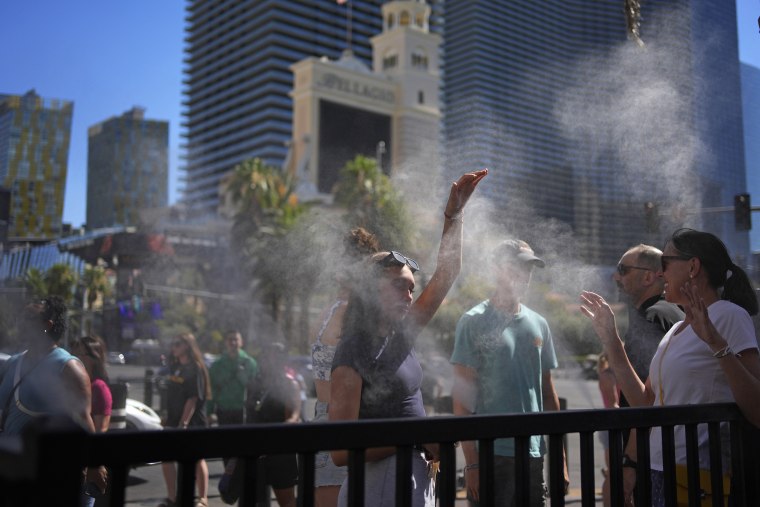
The cumulative effect of these human-generated heat sources, combined with the heat absorbed by urban materials, creates a powerful UHI effect that significantly raises temperatures in Las Vegas compared to the surrounding natural desert.
Seasonal Variations and Climate Patterns
While Las Vegas is known for its heat year-round, the intensity of this heat fluctuates with the seasons, influenced by broader climate patterns.
Summer’s Reign of Heat
The summer months, typically from June through September, represent the peak of Las Vegas’s heat. During this period, the North American Monsoon can occasionally bring brief, intense thunderstorms, but for the most part, summers are characterized by prolonged periods of dry, clear skies and relentless sunshine. The sun’s angle is high, its rays are direct, and the lack of cloud cover allows for maximum solar energy to reach the surface. Daytime temperatures frequently soar above 100°F (38°C), and can even reach 110°F (43°C) or higher. Nighttime temperatures often remain in the high 70s and 80s Fahrenheit (26-30°C), offering little respite.
The geographical position of Las Vegas within the Great Basin Desert, a sub-region of the Mojave Desert, means it is susceptible to the high-pressure systems that dominate the region during summer. These systems suppress cloud formation and promote sinking air, which warms as it descends, further intensifying the heat.
Milder Winters and Spring/Fall Transitions
Winters in Las Vegas, from December to February, are considerably milder. While still sunny, daytime temperatures are much more pleasant, often ranging from the high 50s to the low 70s Fahrenheit (15-22°C). Snowfall is rare, though occasional light dustings can occur at higher elevations surrounding the city. The lower angle of the sun and shorter daylight hours contribute to these cooler conditions.
Spring (March to May) and Fall (October to November) offer a welcome transition. Temperatures begin to warm significantly in spring, reaching the 80s and 90s Fahrenheit (27-37°C) by May. Similarly, fall sees a gradual cooling from the summer extremes, with comfortable daytime temperatures in the 70s and 80s Fahrenheit (21-32°C) in October, before dipping into the cooler weather of November. These shoulder seasons are often considered the most pleasant times to visit Las Vegas from a temperature perspective, offering a stark contrast to the summer’s intense heat.
Adapting to the Heat
The extreme heat of Las Vegas is an undeniable aspect of its identity, influencing everything from daily life to tourism. The city and its inhabitants have developed various strategies to cope with and even leverage this challenging climate.
Architectural and Urban Planning Responses
Modern architecture and urban planning in Las Vegas are increasingly designed with the extreme heat in mind.
- Shade Structures: Extensive use of awnings, covered walkways, and large umbrellas in outdoor areas, particularly along the Las Vegas Strip and at attractions like the Fremont Street Experience, provides crucial shade for pedestrians. The Mandalay Bay Resort and Casino and the Bellagio Hotel & Casino are examples of resorts that incorporate significant shaded outdoor areas.
- Water Features: The presence of numerous pools, splash pads, and water attractions throughout the city offers immediate cooling relief. Resorts like The Venetian Resort Las Vegas and The Mirage are renowned for their elaborate pool complexes.
- Building Design: Newer constructions often incorporate reflective roofing materials, improved insulation, and energy-efficient windows to minimize heat absorption. Landscaping with drought-tolerant native plants helps reduce the need for water and provides some evaporative cooling.

Visitor and Resident Strategies
For both visitors and long-time residents, adapting to the heat is a daily necessity.
- Hydration: Staying adequately hydrated is paramount. Carrying water bottles and consuming plenty of fluids is a non-negotiable aspect of being outdoors.
- Timing Activities: Planning outdoor activities for the cooler parts of the day – early morning or late evening – is a common strategy. Midday hours are best spent indoors, enjoying the air-conditioned environments of casinos, shops, and restaurants.
- Appropriate Attire: Light-colored, loose-fitting clothing made from breathable fabrics like cotton or linen is ideal for staying cool. Wide-brimmed hats and sunglasses are essential for protecting against the intense sun.
- Utilizing Indoor Attractions: Las Vegas is uniquely suited for heat adaptation due to its vast array of indoor attractions. From world-class shows and fine dining to expansive shopping malls and, of course, the casinos themselves, there’s always something to do away from the scorching sun.
The heat of Las Vegas is a defining characteristic, a testament to its desert environment, amplified by its urban development. It shapes the city’s landscape, its architecture, and the daily routines of its inhabitants, making it an integral part of the Las Vegas experience.
LifeOutOfTheBox is a participant in the Amazon Services LLC Associates Program, an affiliate advertising program designed to provide a means for sites to earn advertising fees by advertising and linking to Amazon.com. Amazon, the Amazon logo, AmazonSupply, and the AmazonSupply logo are trademarks of Amazon.com, Inc. or its affiliates. As an Amazon Associate we earn affiliate commissions from qualifying purchases.