
The allure of lightning bugs, or fireflies, dancing in the twilight is a nostalgic summer dream for many, evoking images of magical evenings and untouched natural beauty. For visitors planning a trip to California, a state renowned for its diverse landscapes and rich biodiversity, the question often arises: can I experience this captivating natural light show here? The answer, while nuanced, largely suggests that the iconic widespread firefly displays common in other parts of the world are a rare spectacle in the Golden State. Understanding why this is the case, and what alternative nocturnal wonders California offers, enriches the tourism experience, guiding enthusiasts to appreciate the state’s unique ecological identity.
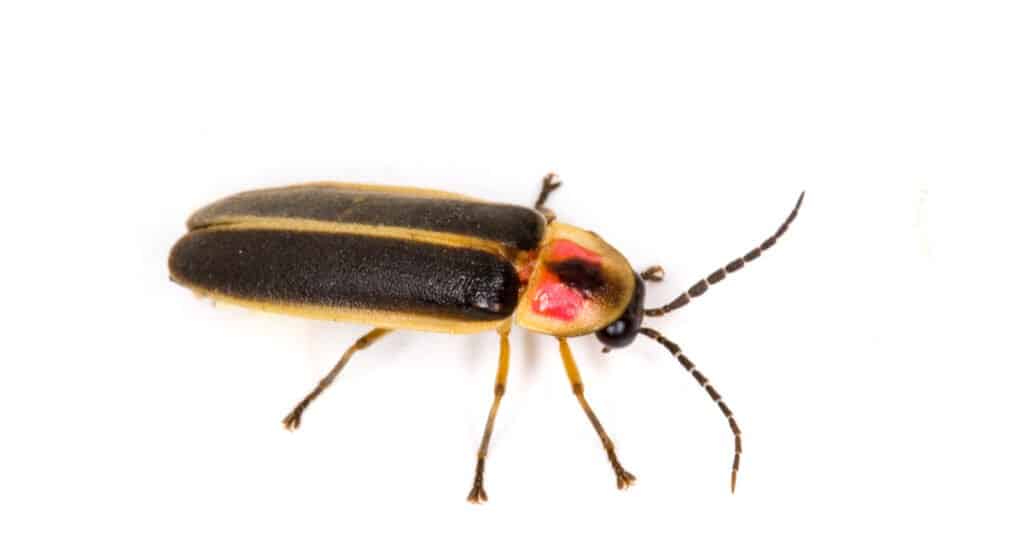
The Elusive Glow: Understanding California’s Firefly Landscape
California stands apart from the typical firefly-rich regions of the eastern and midwestern United States. While the romantic notion of thousands of tiny lights twinkling across a meadow might be a staple of summer nights elsewhere, it’s an exceptional occurrence here. This rarity is a critical piece of information for tourists, shaping expectations and guiding their search for unique natural experiences within the state.
The Rarity of Fireflies in the Golden State
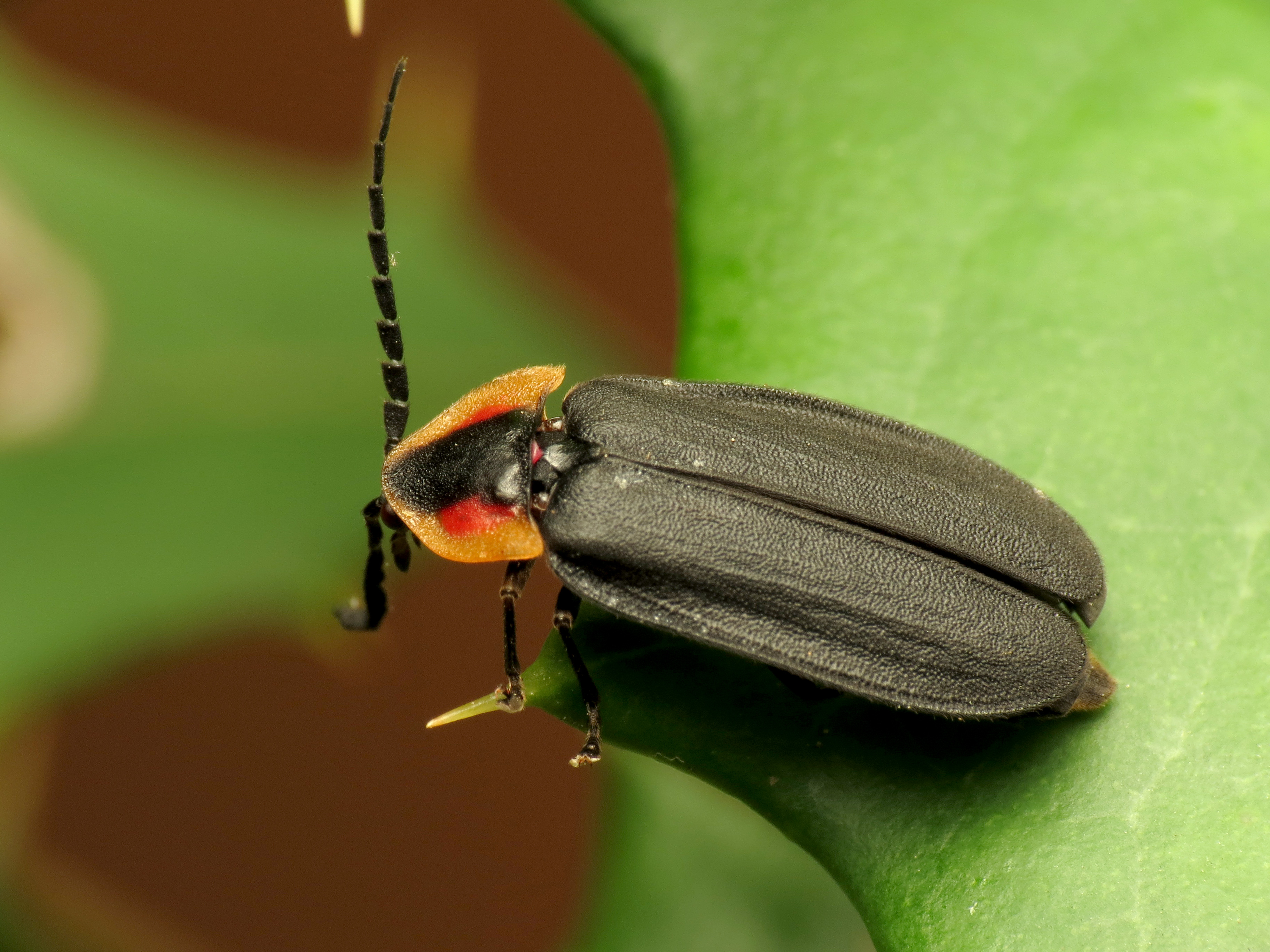
While there are firefly species native to California, they are not abundant, nor do they typically produce the synchronized, spectacular light shows that attract tourists to places like the Great Smoky Mountains. The fireflies found in California are often less luminous, or in some cases, entirely non-luminescent as adults. Their presence is usually localized, sparse, and requires specific environmental conditions that are not widespread across the state’s varied climate zones. For the average tourist exploring Los Angeles‘ bustling streets, San Francisco’s iconic landmarks, or the sun-drenched beaches of San Diego, encountering a firefly is highly improbable. This makes the search for fireflies less of a planned activity and more of a serendipitous discovery for the most dedicated nature observers.
Why California Isn’t a Firefly Hotspot
Several ecological factors contribute to the scarcity of fireflies in California. The primary reason lies in the state’s predominantly arid and semi-arid climate, particularly in its southern and central regions. Fireflies thrive in humid environments with ample moisture, often found in wetlands, marshy areas, and dense forests with consistently damp ground cover. California’s characteristic dry summers, even in areas with significant winter rainfall, do not provide the sustained humidity and moisture that many firefly species require for their larval development and adult survival.
Furthermore, habitat loss due to extensive urbanization and agricultural development across fertile valleys and coastal plains has significantly reduced the natural environments conducive to firefly populations. Pesticide use in these areas also impacts insect populations, including those crucial for the firefly life cycle. While California boasts vast protected wilderness, these areas, particularly the mountainous and desert regions, often present climate conditions that are either too dry, too cold, or lack the specific prey (snails, slugs) that firefly larvae consume. This combination of climatic unsuitability and human impact makes fireflies a truly special, and often localized, find for those exploring California’s natural wonders.
Where to Spot the Sparkle (If You’re Lucky)
Despite their general rarity, pockets of firefly activity do exist in California. Tourists with a keen interest in these luminous insects might find success in very specific ecological niches, often requiring a dedicated search away from mainstream attractions.
Specific Regions and Habitats
The best chances of spotting fireflies in California are typically found in the northern, more humid parts of the state, or in higher elevations within the Sierra Nevada and other mountain ranges, particularly in areas near freshwater sources. These locations often retain more moisture and possess the dense forest cover that fireflies prefer. For instance, areas around Shasta County or portions of the Central Valley with riparian habitats might occasionally host small populations. Similarly, some remote, undisturbed areas in Redwood National Park or other northern coastal forests, where humidity levels are higher, could offer a fleeting glimpse.
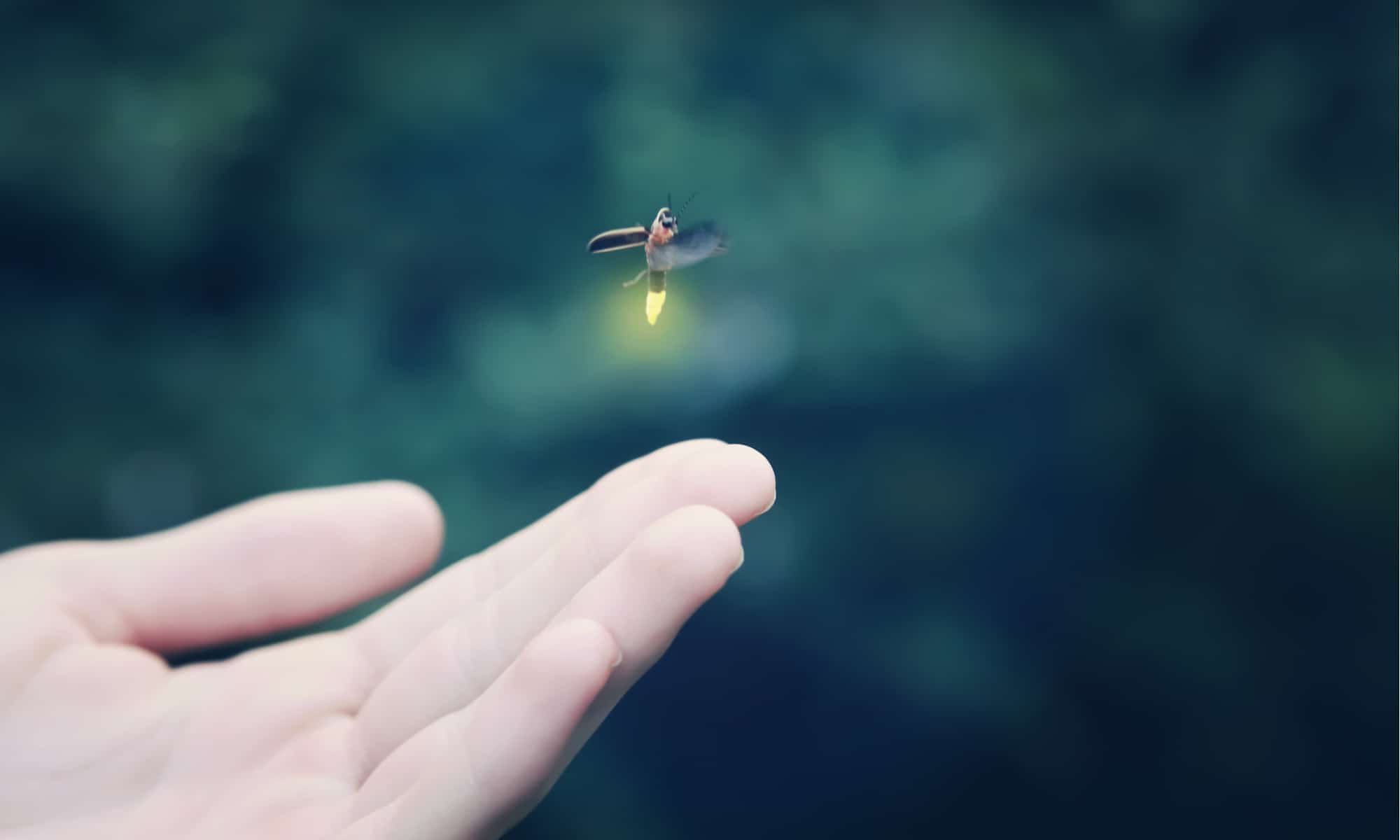
It is important to manage expectations, however. Even in these locations, sightings are usually of individual fireflies or small, scattered groups, not the overwhelming swarms seen in the American South or East. These fireflies are often less showy, emitting fainter glows or appearing to “walk” with their lights rather than flying in grand aerial displays.
The Best Times for a Glimmer of Hope
For those determined to seek out California’s fireflies, timing is crucial. The prime viewing period is typically during the warmer, more humid months of late spring and early summer, usually from May through July. Activity tends to peak during twilight hours, shortly after sunset, and continues into the darker parts of the night. On evenings following rain, or near consistently damp areas such as stream banks, meadows adjacent to wetlands, or lush forest undergrowth, the chances might slightly increase. Always remember to venture into these natural areas responsibly, minimizing disturbance to the environment and its inhabitants.
Beyond the Glow: Other Nocturnal Wonders in California
While fireflies might not be a cornerstone of California’s nocturnal tourism, the state abounds with other incredible experiences after dark. For nature enthusiasts, the absence of widespread firefly displays opens the door to appreciating the unique and equally mesmerizing aspects of California’s nighttime environment.
Alternative Nighttime Nature Experiences
California’s dark skies are a major draw, especially in its national parks and remote wilderness areas. Stargazing is an unparalleled activity here, with many locations designated as International Dark Sky Parks. Imagine gazing up at the Milky Way from Joshua Tree National Park, Death Valley National Park, or Anza-Borrego Desert State Park. These parks offer ranger-led astronomy programs and vast, unimpeded views of constellations, planets, and meteor showers, providing a celestial light show far grander than any earthly bioluminescence.
Nocturnal wildlife viewing is another captivating experience. The deserts come alive at night with creatures like coyotes, owls, bats, and various rodents, whose activity levels increase dramatically after the heat of the day subsides. Forested areas in the Sierra Nevada or coastal mountains offer chances to hear the calls of night birds or spot elusive mammals. For a truly unique phenomenon, parts of California’s coastline occasionally experience bioluminescent waves, where microscopic plankton emit light, creating a stunning blue glow in the surf—a different kind of natural light show that is utterly unforgettable.
Embracing California’s Unique Ecology
Understanding the specific ecological conditions that limit fireflies in California allows tourists to appreciate the state’s natural beauty on its own terms. Instead of seeking what is rare, visitors can focus on what is abundant and unique. California’s diverse ecosystems—from its redwood forests and alpine meadows to its expansive deserts and rugged coastlines—each offer distinct flora and fauna, many of which are endemic to the region. Experiencing these unique environments, whether by day or by night, is what truly defines a California tourism adventure. Embracing the unexpected and discovering the natural wonders that thrive in this specific climate fosters a deeper connection to the destination.
Tips for the Aspiring Firefly Enthusiast (or Nature Lover)
For tourists hoping to engage with California’s natural world, whether in pursuit of a rare firefly sighting or simply to enjoy the state’s myriad other nocturnal offerings, mindful preparation and sustainable practices are key.
Sustainable Ecotourism Practices
When exploring natural habitats, especially at night, adhering to Leave No Trace principles is paramount. This includes staying on designated trails to protect sensitive ecosystems, packing out all trash, and refraining from disturbing wildlife. If by some rare chance you do encounter fireflies, observe them from a distance, do not attempt to capture them, and avoid using bright flashlights or camera flashes, as these can disorient the insects and disrupt their communication signals. Supporting local conservation efforts and parks by paying entrance fees or donating to environmental organizations also contributes to preserving these precious natural spaces for future generations of visitors.
Planning Your Nocturnal Nature Exploration
To maximize your chances of a memorable nighttime nature experience in California, research specific locations known for dark skies or nocturnal wildlife. Check park websites or local tourism boards for information on ranger-led night hikes, astronomy programs, or specific viewing tips. Pack appropriate gear: warm layers, sturdy footwear, a red-light headlamp (to preserve night vision), and plenty of water. Always inform someone of your itinerary, especially when venturing into remote areas. While the quest for fireflies in California might largely be a lesson in managing expectations, the state’s nocturnal landscape offers an abundance of alternative, equally breathtaking natural spectacles that promise to enchant and inspire any discerning traveler.
LifeOutOfTheBox is a participant in the Amazon Services LLC Associates Program, an affiliate advertising program designed to provide a means for sites to earn advertising fees by advertising and linking to Amazon.com. Amazon, the Amazon logo, AmazonSupply, and the AmazonSupply logo are trademarks of Amazon.com, Inc. or its affiliates. As an Amazon Associate we earn affiliate commissions from qualifying purchases.