
The vast and varied landscape of Los Angeles presents a captivating conundrum for gardeners and green thumbs alike: what exactly is its planting zone? Understanding your USDA Plant Hardiness Zone is fundamental to successful gardening, dictating which plants will thrive and which will struggle against the local climate. For Los Angeles, this question is not a simple one, as its extensive metropolitan area encompasses a diverse range of microclimates influenced by proximity to the Pacific Ocean, elevation, and urban heat island effects.
The United States Department of Agriculture (USDA) Hardiness Zones are based on the average annual extreme minimum temperature during which a plant can survive in a specific location. These zones are crucial for selecting perennial plants, shrubs, and trees, as they provide a baseline for their cold tolerance. However, for a city as sprawling and topographically diverse as Los Angeles, a single zone designation often falls short of capturing the nuanced horticultural conditions across its many neighborhoods.
Decoding the USDA Plant Hardiness Zones for Los Angeles
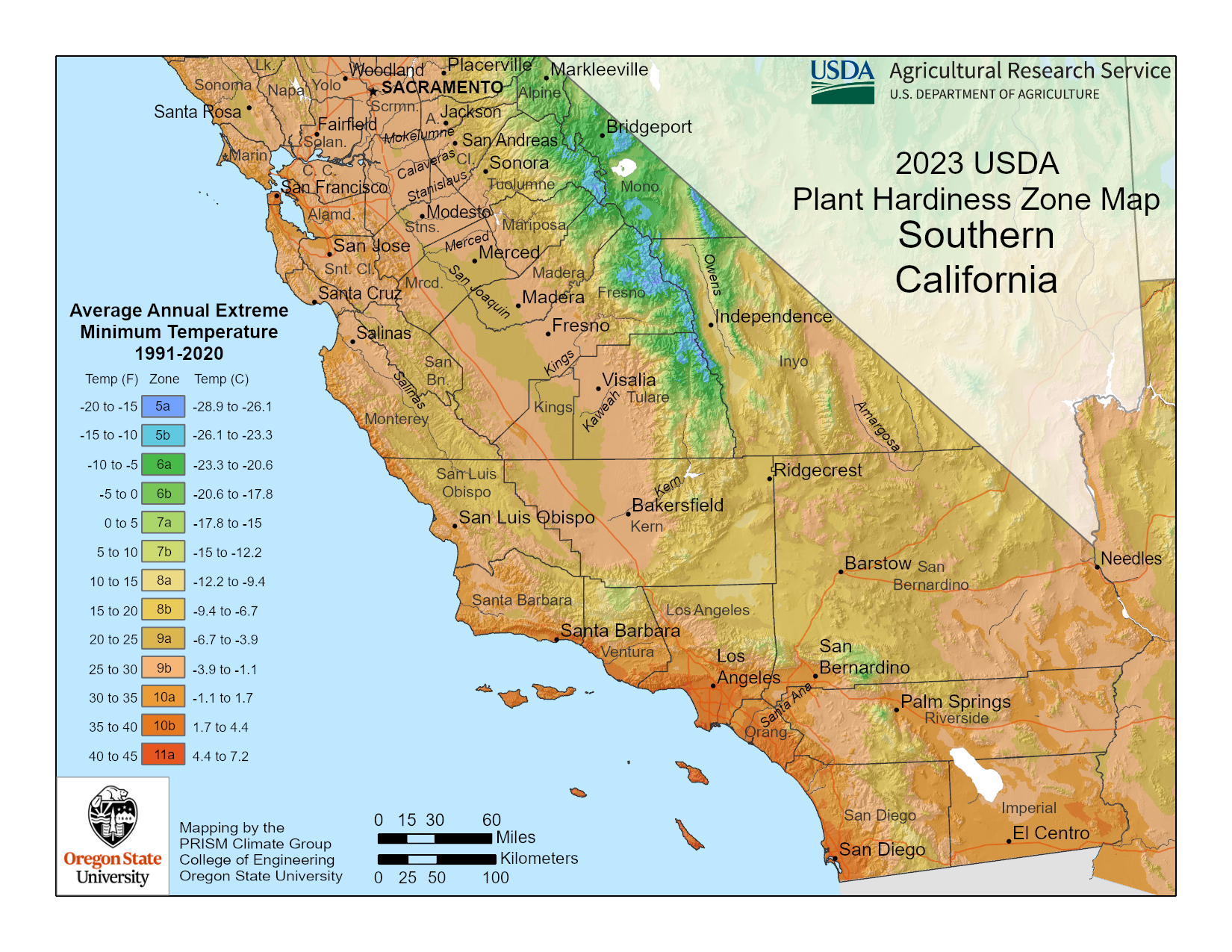
Los Angeles County, in its entirety, spans a significant portion of Southern California’s coastal plain, inland valleys, and mountainous regions. This geographical breadth means that different areas will fall into distinct planting zones. Generally, much of the urbanized coastal and near-coastal areas of Los Angeles fall into USDA Hardiness Zone 10b and 11a.
Zone 10b: The Mild Coastal Embrace
Zone 10b is characterized by average annual extreme minimum temperatures between 35°F and 40°F (1.7°C to 4.4°C). This zone is prevalent in many of the more established, lower-elevation neighborhoods of Los Angeles, extending from the coast inland for several miles. Areas like Santa Monica, Venice, and parts of the San Fernando Valley often experience these milder winter temperatures.
Gardening in Zone 10b offers a remarkable advantage: the ability to grow a vast array of subtropical and tender perennial plants year-round. Citrus trees, such as lemons, limes, oranges, and grapefruits, flourish in this zone. Tropical delights like bougainvillea, hibiscus, jasmine, and bird of paradise are not just seasonal visitors but can establish themselves as permanent fixtures. Many herbs, including basil, rosemary, thyme, and mint, also thrive with minimal winter protection. Even more delicate plants that might require overwintering in colder climates can often survive outdoors in Zone 10b.
Zone 11a: The Near-Subtropical Haven
Moving slightly warmer, Zone 11a encompasses areas with average annual extreme minimum temperatures between 40°F and 45°F (4.4°C to 7.2°C). These zones are typically found in the most protected coastal pockets and the warmest inland areas that still benefit from some maritime influence, or specific urban microclimates. While the difference between 10b and 11a might seem minimal, it can allow for an even wider selection of heat-loving and frost-sensitive plants to thrive without concern.
In Zone 11a, the growing season is virtually year-round for many species. This is where you might successfully cultivate plants like bananas, papayas, and even some of the more sensitive varieties of orchids outdoors. The extended warmth allows for more robust growth and fruiting for many subtropical species that might be borderline in Zone 10b. The key advantage here is the significantly reduced risk of frost damage, opening up a broader palette for landscape designers and home gardeners looking to create a truly tropical or subtropical oasis.
Beyond the Coastal Plain: Inland and Upland Variations
The influence of the Pacific Ocean diminishes as one moves further inland or ascends in elevation, leading to a shift in hardiness zones.
Inland Valleys: Cooler Winters, Hotter Summers
As you venture into the San Gabriel Valley or the western edges of the San Bernardino Valley, the climate becomes more continental. Winters are typically cooler, and summers are significantly hotter and drier. These areas may fall into USDA Hardiness Zone 9b or 10a.
Zone 9b: Average annual extreme minimum temperatures range from 25°F to 30°F (-3.9°C to -1.1°C). This zone signifies a greater risk of frost. While many of the plants suited for Zone 10b will still grow, they might require more protection during colder snaps. Certain fruit trees that need a specific chilling hour accumulation, like apples and pears, might perform better here than in the milder coastal zones. Plants like lavender and rosemary will still thrive, but more sensitive tropicals might struggle or be limited to very sheltered microclimates.
Zone 10a: Average annual extreme minimum temperatures are between 30°F and 35°F (-1.1°C to 1.7°C). This zone is a transitional area. Frost is still a possibility, but less frequent and severe than in Zone 9b. The selection of plants is broad, but vigilance regarding cold protection for the most tender species remains advisable.
Mountainous Regions: Colder Climates and Frost
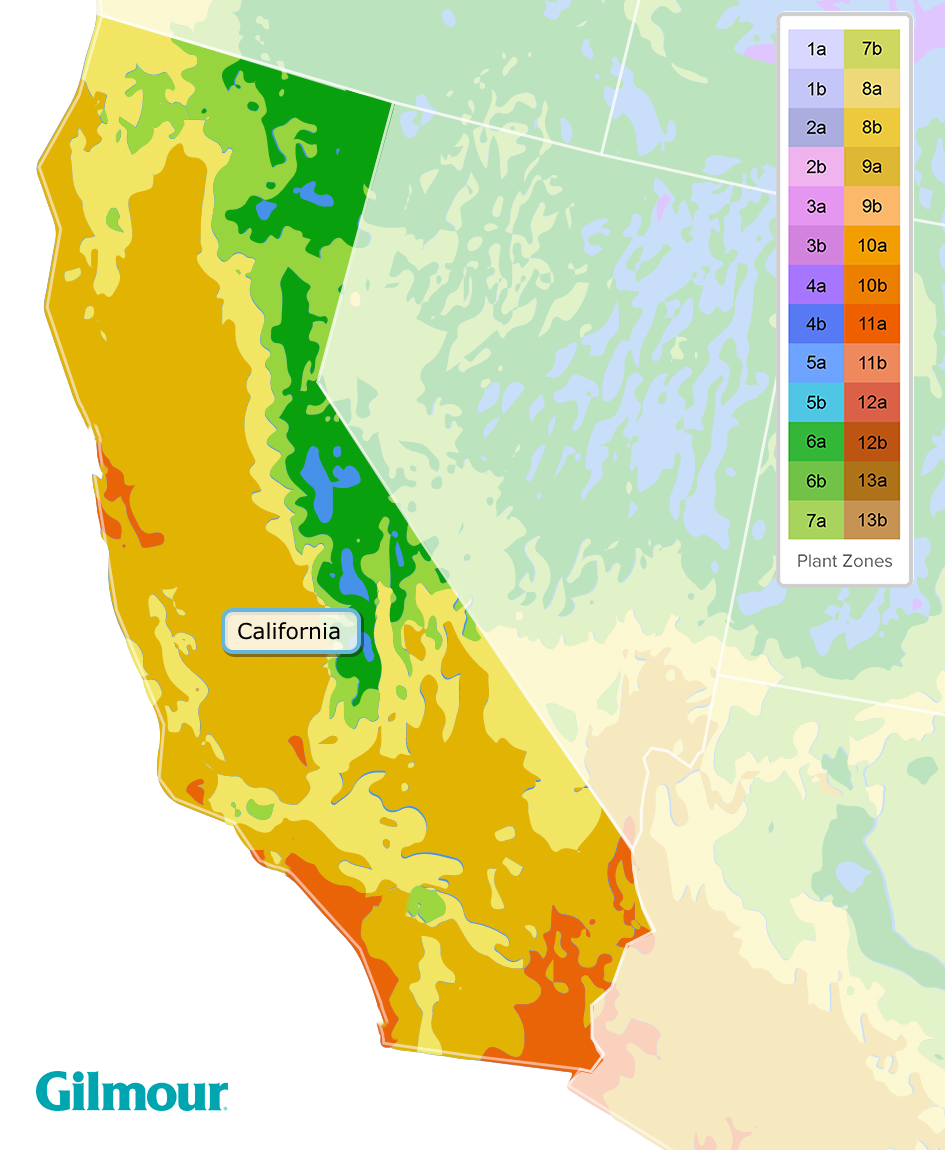
The San Gabriel Mountains and other elevated areas within Los Angeles County experience significantly colder temperatures. Here, you can find zones ranging from USDA Hardiness Zone 8b and 9a at higher elevations.
Zone 8b: Average annual extreme minimum temperatures fall between 15°F and 20°F (-9.4°C to -6.7°C). This zone experiences regular frosts and potential for snow. Gardening here requires a focus on plants that are decidedly cold-hardy. Many deciduous fruit trees, including cherries, plums, and peaches, will thrive due to their need for winter chill. Coniferous trees, native mountain flora, and plants adapted to colder climates will be the most successful.
Zone 9a: Average annual extreme minimum temperatures are between 20°F and 25°F (-6.7°C to -3.9°C). Frosts are common, and the selection of plants shifts further towards those that can tolerate cooler conditions. While some subtropical plants might survive in sheltered, lower-elevation pockets within these zones, the general gardening palate will lean towards temperate climate species.
Beyond Zone Numbers: Considering Microclimates and Other Factors
While USDA hardiness zones provide an essential framework, they are not the sole determinant of gardening success in Los Angeles. Several other factors play a crucial role:
Urban Heat Island Effect
The dense urban environment of Los Angeles creates an “urban heat island” effect, where concrete, asphalt, and buildings absorb and retain heat, leading to higher temperatures compared to surrounding rural or natural areas. This can effectively make some neighborhoods feel like they are in a slightly warmer hardiness zone than their geographical location might suggest. Conversely, large, mature parks and green spaces within the city can act as “urban oases” offering cooler temperatures.
Proximity to the Ocean and Coastal Fog
The moderating influence of the Pacific Ocean is profound. Areas directly on the coast experience less extreme temperature fluctuations. The infamous “May gray” and “June gloom” periods, characterized by persistent coastal fog, can significantly reduce sunlight and temperatures during late spring and early summer, impacting plant growth, especially for heat-loving vegetables and fruits. This marine layer effect can sometimes make coastal areas behave as if they are in a slightly cooler zone during certain parts of the year.
Elevation and Topography
As discussed, elevation is a primary driver of temperature differences. Higher elevations will naturally be cooler and experience more frost. Topography also plays a role; north-facing slopes will be shadier and cooler, while south-facing slopes will be sunnier and hotter. Valleys can trap cold air during winter nights, leading to frost pockets.
Rainfall Patterns and Water Availability
While not directly part of hardiness zones, Los Angeles experiences a Mediterranean climate with dry summers and mild, wet winters. Water availability is a critical consideration for any gardener. The choice of plants should also align with water-wise principles, especially considering the region’s ongoing drought concerns. Many native Californian plants are well-adapted to these conditions and are excellent choices for sustainable landscaping.
Practical Application for Los Angeles Gardeners
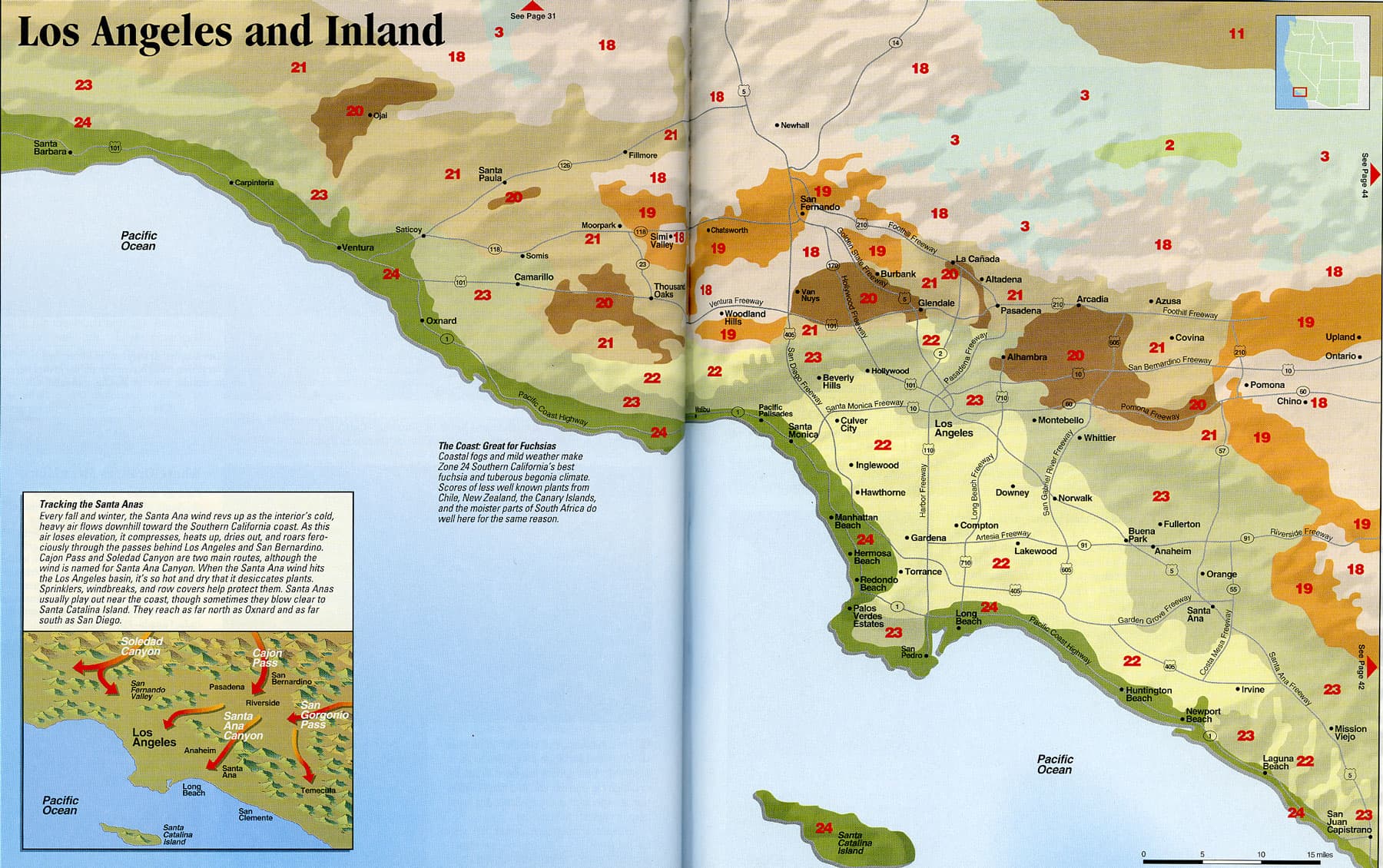
When planning your garden in Los Angeles, it is essential to determine your specific location’s microclimate.
- Consult a Localized Map: The USDA offers interactive hardiness zone maps that allow you to input your zip code for a more precise zone designation. However, even these can be broad.
- Observe Your Neighbors: Look at what your neighbors are successfully growing. If they have lush citrus groves or tropical hibiscus blooming year-round, you are likely in a warmer zone. If they are protecting tender plants in winter, you are in a cooler zone.
- Consider Elevation and Distance from the Coast: These are strong indicators. The higher you go, the cooler it generally gets. The further from the ocean, the more extreme temperature swings you will experience.
- Factor in Site-Specific Conditions: Is your garden in a frost pocket? Is it exposed to harsh winds? Is it in full sun all day, or does it get afternoon shade? These microclimatic details are often more important than the general zone number.
By understanding the nuances of Los Angeles’s planting zones and considering the multitude of microclimatic factors, gardeners can make informed decisions, select appropriate plants, and cultivate beautiful, thriving gardens that truly reflect the unique horticultural potential of this iconic city. Whether you are aiming for a lush, tropical paradise or a drought-tolerant native landscape, knowing your zone is the first step to bringing your green dreams to life.
LifeOutOfTheBox is a participant in the Amazon Services LLC Associates Program, an affiliate advertising program designed to provide a means for sites to earn advertising fees by advertising and linking to Amazon.com. Amazon, the Amazon logo, AmazonSupply, and the AmazonSupply logo are trademarks of Amazon.com, Inc. or its affiliates. As an Amazon Associate we earn affiliate commissions from qualifying purchases.