
The question of whether the infamous Los Angeles fires are still burning is not a simple yes or no. The reality of wildfires in Southern California, particularly in and around the sprawling metropolis of Los Angeles, is a complex and ongoing challenge. While major, headline-grabbing conflagrations may be extinguished, the threat of fire is a perpetual presence, dictated by climate, weather patterns, and the region’s unique environment. For travelers planning a visit, understanding this dynamic is crucial for a safe and enjoyable experience.
The dramatic images of flames engulfing hillsides and smoke plumes dominating the skyline often dominate news cycles, leading to the perception that these events are constant. However, the landscape of Southern California, characterized by its Mediterranean climate with dry summers and mild, wet winters, creates ideal conditions for wildfire. This includes vast expanses of dry chaparral and coastal sage scrub that act as fuel.

Understanding Wildfire Dynamics in Los Angeles
Wildfires in the Los Angeles area are not solely a consequence of a single event. They are a recurring phenomenon that influences everything from travel advisories to the very availability of certain outdoor activities. The “fire season,” once primarily associated with the late summer and fall months, has become increasingly unpredictable, with significant fire activity sometimes occurring year-round.
Seasonal Patterns and Climate Change
Historically, the dry season from May to October provided a predictable window for increased fire risk. However, the intensifying effects of climate change have blurred these lines. Prolonged droughts, hotter temperatures, and reduced snowpack in the mountains (which normally feed rivers and moisture into the ecosystem) contribute to drier vegetation, making it more susceptible to ignition and faster spread.
The Santa Ana winds, notorious for their hot, dry, and gusty conditions, play a significant role. These offshore winds can fan embers for miles, rapidly transforming small fires into uncontrollable infernos. When these winds coincide with critically dry vegetation, the risk of widespread and destructive fires escalates dramatically.
Factors Contributing to Fire Ignition
While natural causes like lightning strikes do occur, a significant percentage of wildfires in the Los Angeles area are human-caused. These can range from accidental sparks from vehicles, discarded cigarettes, and faulty electrical equipment to arson. The proximity of urban areas to wildland vegetation, known as the Wildland-Urban Interface (WUI), means that human activity is constantly in close proximity to fire-prone environments.
The presence of numerous hiking trails, campgrounds, and popular outdoor destinations means that human presence is a constant factor. This underscores the importance of fire safety regulations and public awareness campaigns to minimize the risk of accidental ignitions.
Impact on Travel and Tourism
The presence of wildfires, whether actively burning or a persistent threat, can significantly impact the travel experience in and around Los Angeles. While the city itself is a sprawling urban center, many of its most popular attractions and natural wonders are located in areas susceptible to fires.
Air Quality and Health Concerns
One of the most immediate and noticeable impacts of wildfires is on air quality. Smoke plumes can travel hundreds of miles, blanketing cities and regions in a hazy, acrid atmosphere. This can lead to:
- Reduced Visibility: Affecting road travel, air travel, and outdoor sightseeing.
- Respiratory Issues: Irritation of the eyes, nose, and throat, and exacerbation of pre-existing conditions like asthma.
- Cancellation of Outdoor Activities: Parks, beaches, and hiking trails may be closed due to poor air quality or direct fire threats.
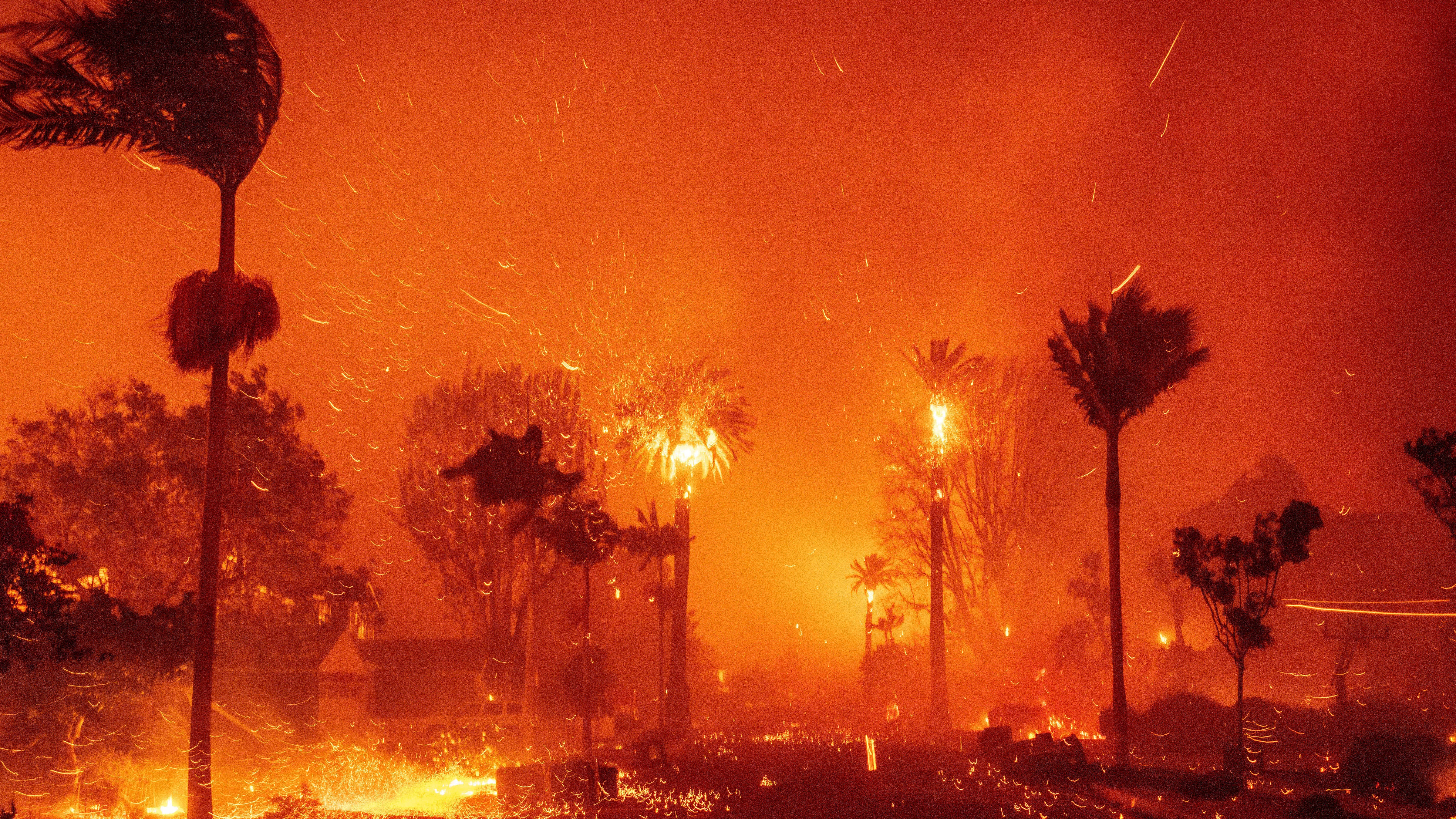
Travelers experiencing poor air quality are advised to stay indoors, limit strenuous activity, and use air purifiers if available. Travelers with respiratory conditions should consult their doctor before traveling to a region experiencing wildfire smoke.
Destination Closures and Evacuations
When fires become particularly severe, they can directly threaten communities and infrastructure. This can lead to:
- Road Closures: Major highways and local roads may be shut down to allow for firefighting efforts and ensure public safety, disrupting travel plans and potentially causing significant delays.
- Evacuations: Residents and visitors in affected areas may be ordered to evacuate, requiring immediate changes to accommodation and travel itineraries.
- Attraction Closures: National forests, state parks, hiking trails, and even some tourist attractions might be temporarily closed to the public for safety reasons. For instance, areas within the Santa Monica Mountains National Recreation Area are particularly vulnerable.
It is imperative for travelers to stay informed about current conditions through local news, official emergency alerts, and park service websites before and during their visit.
Impact on Accommodation and Events
While major hotels in the heart of Los Angeles are generally well-protected, fires in surrounding areas can still cause disruptions.
- Smoke Infiltration: Even if not directly threatened, hotels may experience smoke infiltration, leading to unpleasant indoor air quality.
- Transportation Delays: Evacuations and road closures can impact staff availability and guest access to hotels.
- Event Cancellations: Outdoor events, weddings, and festivals planned in fire-prone areas may be postponed or canceled.
The proximity of many resorts and vacation rentals to wildland areas means they are at a higher risk of being affected by fires, either directly or indirectly through smoke and access issues.
Staying Informed and Prepared
For travelers, proactive information gathering and preparedness are key to navigating potential wildfire impacts in Los Angeles. The question “Are the fires still burning?” is best answered by looking at real-time data and official advisories.
Official Sources of Information
- CAL FIRE: The California Department of Forestry and Fire Protection is the primary state agency for fire information. Their website provides incident maps, fire statistics, and evacuation orders.
- Local Fire Departments: Many Los Angeles cities and counties have their own fire departments that issue localized alerts.
- Emergency Alert Systems: Sign up for local emergency alert systems (e.g., Nixle) for text or email notifications.
- Air Quality Monitoring: Websites like AirNow.gov provide real-time air quality data, essential for understanding the impact of smoke.
- Transportation Alerts: Check the California Department of Transportation (Caltrans) website for highway closures and traffic advisories.

Pre-Trip Planning and During Your Stay
- Check Fire Status: Before booking and just before your trip, check for any active wildfires or red flag warnings (high fire danger conditions).
- Review Accommodation Location: Consider the proximity of your chosen accommodation to wildland areas.
- Pack Accordingly: Consider bringing N95 masks, especially if you have respiratory sensitivities, for days with poor air quality.
- Have a Flexible Itinerary: Be prepared to alter your plans if an outdoor activity or destination becomes inaccessible due to fire or poor air quality.
- Know Evacuation Routes: Familiarize yourself with potential evacuation routes from your accommodation and any areas you plan to visit.
While the sight of a wildfire can be alarming, with diligent preparation and up-to-date information, travelers can still enjoy the many wonders Los Angeles has to offer while respecting the natural forces at play in this beautiful, yet fire-prone, region. The “burning” is often a dynamic, not a static, situation, requiring constant vigilance and informed decision-making.
LifeOutOfTheBox is a participant in the Amazon Services LLC Associates Program, an affiliate advertising program designed to provide a means for sites to earn advertising fees by advertising and linking to Amazon.com. Amazon, the Amazon logo, AmazonSupply, and the AmazonSupply logo are trademarks of Amazon.com, Inc. or its affiliates. As an Amazon Associate we earn affiliate commissions from qualifying purchases.