
Embarking on an adventure from the bustling metropolis of Chicago to the dramatic landscapes of Iceland is a journey that captivates many travelers. One of the most common initial questions for anyone planning this transatlantic voyage is, naturally, “How long will the flight take?” Understanding the typical flight duration, along with the variables that can influence it, is crucial for effective travel planning, ensuring a smooth and enjoyable experience from departure to arrival. While seemingly a simple query, the answer involves nuances of direct versus connecting flights, geographical factors, and operational considerations.
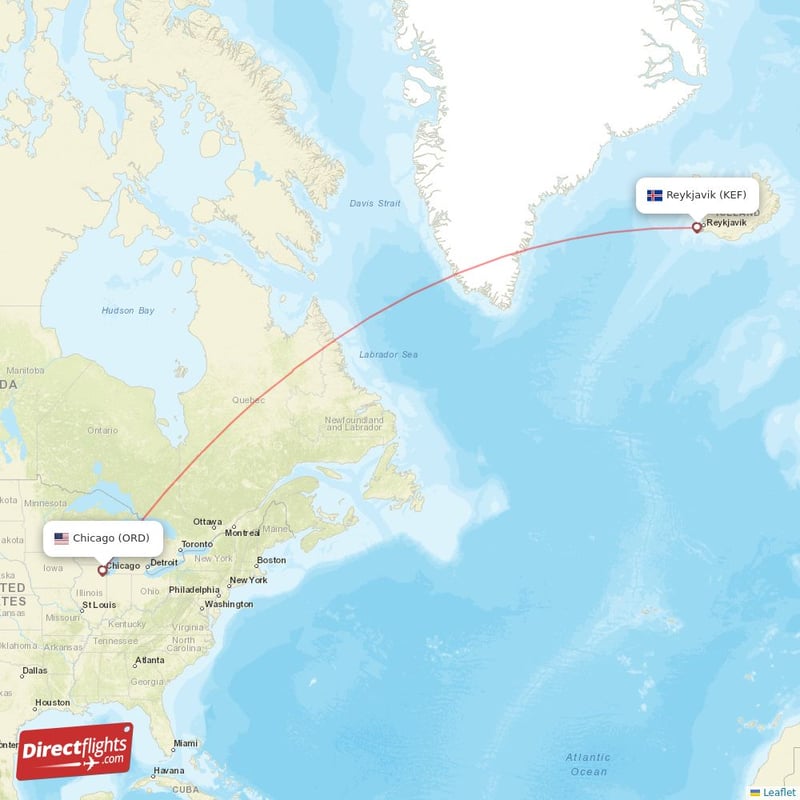
Understanding the Direct Flight Duration
For travelers flying directly from Chicago to Iceland, the journey is remarkably straightforward and efficient. Direct flights primarily originate from O’Hare International Airport (ORD), Chicago’s largest and busiest airport, offering non-stop service to Iceland. The destination airport in Iceland for nearly all international arrivals is Keflavík International Airport (KEF), located approximately 50 kilometers southwest of the capital, Reykjavík.
On average, a direct flight from Chicago to Keflavík typically spans between 6 hours and 30 minutes to 7 hours and 15 minutes. This duration can fluctuate slightly based on the specific airline, the aircraft model utilized, and prevailing atmospheric conditions. Airlines such as Icelandair frequently operate this route, providing a convenient and direct link between the United States Midwest and the Nordic island nation. It’s a relatively short transatlantic hop, especially when compared to journeys to mainland Europe, making Iceland an accessible and appealing destination for a shorter getaway or as a stopover. The westbound return flight, from Keflavík to Chicago, often takes slightly longer, generally ranging from 7 hours to 7 hours and 45 minutes, a phenomenon primarily attributed to the effects of the jet stream.
Keflavík International Airport as Your Gateway
Upon arrival at Keflavík International Airport, travelers will find a modern and efficient facility designed to handle international traffic. While the flight itself concludes here, it’s important to factor in the additional time required for clearing immigration, retrieving luggage, and transferring to your final destination in Iceland, such as Reykjavík. Shuttle services, public buses (like Flybus or Airport Direct), and rental car agencies are readily available at the airport, providing seamless onward travel options. This post-flight process typically adds another 1-2 hours to your overall journey time, depending on queues and your chosen mode of transport.
Factors Influencing Flight Times
While the average flight duration provides a good baseline, several dynamic factors can influence the exact time it takes to fly from Chicago to Iceland. Understanding these variables can help set realistic expectations and appreciate the complexities involved in modern air travel.
Wind and Weather Patterns
Perhaps the most significant natural variable affecting transatlantic flight times is wind. The powerful jet stream, a narrow band of strong winds high in the atmosphere, predominantly flows from west to east.
- Eastbound Flights (Chicago to Keflavík): When flying eastward, aircraft often benefit from the tailwinds of the jet stream. This “push” can significantly reduce flight times, sometimes shaving off 30 minutes to an hour from the average duration. Stronger jet stream activity can lead to even quicker journeys.
- Westbound Flights (Keflavík to Chicago): Conversely, westbound flights often face headwinds from the jet stream. This resistance requires the aircraft to expend more fuel and time to maintain its ground speed, leading to longer flight durations. It’s not uncommon for the return journey to be 30 to 60 minutes longer than the outbound flight.
Beyond the jet stream, other weather phenomena such as strong crosswinds, thunderstorms, or heavy snow at either departure or arrival airport can necessitate altered flight paths or reduced cruising speeds for safety, indirectly impacting the flight time.
Aircraft Type and Speed
The type of aircraft used by an airline also plays a role in flight duration. Newer, more fuel-efficient planes with advanced aerodynamics and powerful engines can often maintain higher cruising speeds, potentially shortening travel times. For the Chicago to Iceland route, airlines typically deploy modern long-range narrow-body aircraft like the Boeing 737 MAX or Airbus A321neo, or occasionally wide-body aircraft like the Boeing 757 or 767, depending on passenger demand and airline fleet availability. Each aircraft model has optimal cruising speeds and operational efficiencies that contribute to the overall flight schedule.
Air Traffic Control and Routing
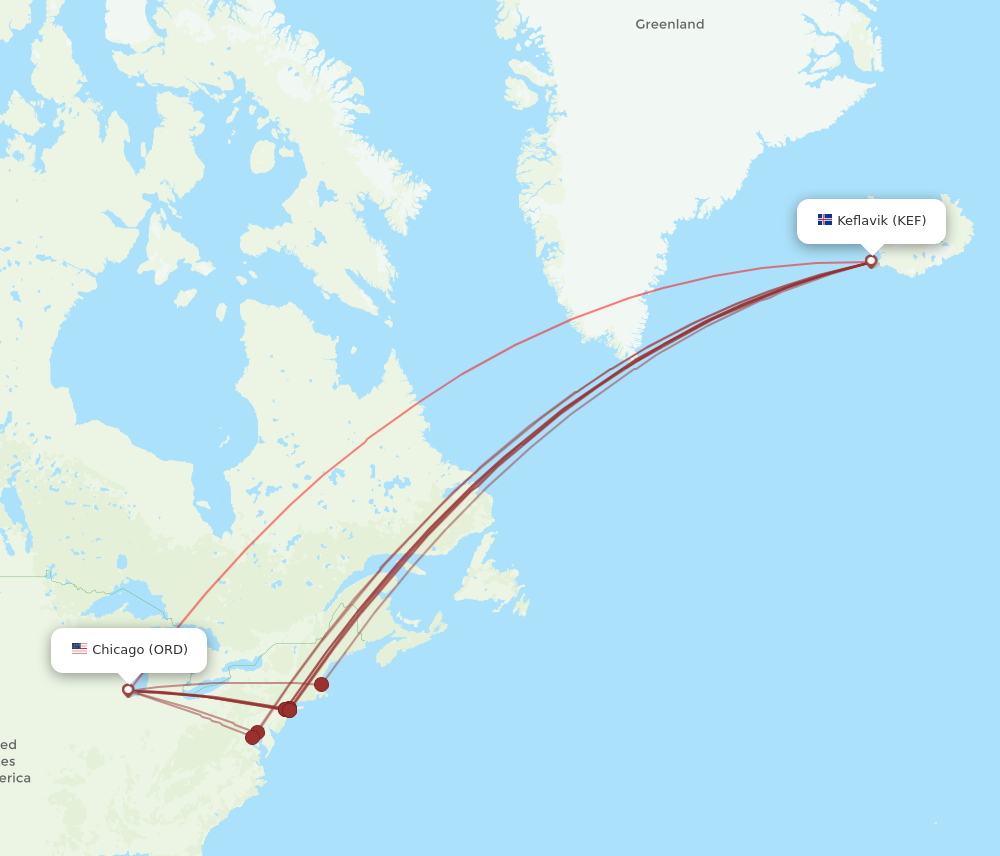
The precise flight path taken by an aircraft is determined by a complex interplay of air traffic control regulations, weather conditions, and efficiency considerations. While airlines plan their routes meticulously, real-time adjustments are common.
- Optimal Flight Paths: Air traffic controllers guide planes along predefined airways, but they can also issue clearances for more direct routes (known as “directs”) if air traffic permits.
- Congestion: High air traffic volume, particularly over busy oceanic corridors or approaching major airports like O’Hare, can lead to minor delays in departure or holding patterns upon arrival, slightly extending the overall trip.
- Geopolitical Factors: While less common for the Chicago-Iceland route, geopolitical considerations or restricted airspace can also necessitate longer, alternative routes, though Iceland’s northerly location generally positions it well for direct approaches from North America.
Connecting Flights: An Alternative Route
While direct flights offer the most expeditious path, connecting flights are a common alternative, especially for travelers seeking more flexible scheduling, different airline preferences, or potentially lower fares. Choosing a connecting flight inherently increases total travel time due to layovers and the additional segments of flight.
Common Layover Hubs
Travelers opting for a connecting flight from Chicago to Iceland will typically find layovers in major international hubs.
- East Coast United States: Common connection points include airports like Newark Liberty International Airport (EWR) or John F. Kennedy International Airport (JFK) in the New York area, Boston Logan International Airport (BOS), or Washington Dulles International Airport (IAD). These airports frequently offer direct flights to Keflavík, and the segment from Chicago to these hubs is relatively short (2-3 hours).
- Canadian Hubs: Occasionally, flights might connect through major Canadian cities such as Toronto Pearson International Airport (YYZ) or Montreal-Trudeau International Airport (YUL), especially if utilizing airlines like Air Canada or partner carriers.
- European Hubs: Less common for the Chicago-Iceland route due to Iceland’s direct accessibility from the United States, but possible connections through major European gateways like London Heathrow (LHR) or Copenhagen Airport (CPH) could occur with specific airline alliances, though this significantly extends travel time.
Calculating Total Travel Time with Layovers
When considering connecting flights, the total travel time is the sum of all flight segments plus the duration of each layover.
- Short Layovers: A typical short layover can range from 1 to 3 hours. This allows just enough time to deplane, navigate the airport, and board the next flight without excessive waiting.
- Longer Layovers: Some itineraries feature longer layovers, spanning 4 hours or more, which can be advantageous for travelers who wish to rest, explore a layover city briefly (if the layover is significantly long), or simply prefer a more relaxed transition between flights.
- Overall Impact: Factoring in a common 2-3 hour layover, a connecting flight from Chicago to Iceland could easily take anywhere from 10 to 15 hours or more of total travel time, door-to-door, depending on the number of connections and their duration. This includes the initial flight to the connecting hub, the layover, and the subsequent flight to Keflavík.
Planning Your Transatlantic Journey
Beyond just knowing the flight duration, several considerations are vital when planning your trip to Iceland from Chicago to ensure a smooth travel experience.
Best Time to Book and Fly
- Booking in Advance: For the best fares and flight availability, especially on direct routes, it is generally advisable to book your tickets 3 to 6 months in advance. Prices tend to increase closer to the departure date.
- Seasonal Variations: Iceland experiences significant seasonal variations in tourism demand. Peak season (June to August) sees the highest prices and busiest flights, offering long daylight hours and milder weather. Shoulder seasons (April-May and September-October) can offer a good balance of reasonable prices, fewer crowds, and pleasant weather, though daylight hours begin to shorten in the fall. Winter travel (November to March) is typically the cheapest, drawing visitors eager to see the Northern Lights, but flights might be more susceptible to weather-related delays. Consider the purpose of your trip when deciding on the best time to fly.
Essential Travel Tips for Long-Haul Flights
Regardless of the exact flight duration, traveling from Chicago to Iceland is a transatlantic journey that benefits from thoughtful preparation.
- Stay Hydrated: The dry cabin air on an airplane can lead to dehydration. Drink plenty of water before, during, and after your flight.
- Dress Comfortably: Wear loose, comfortable clothing and layers, as cabin temperatures can vary.
- Move Around: Combat the effects of prolonged sitting by performing simple stretches and walking the aisle when permitted, especially on a 6-7 hour flight.
- Manage Jet Lag: Iceland observes Greenwich Mean Time (GMT), meaning there’s a 5-hour time difference from Chicago’s Central Daylight Time (CDT) or 6-hour difference from Central Standard Time (CST). To minimize jet lag, try to adjust your sleep schedule gradually before departure, hydrate well, and expose yourself to natural light upon arrival. Aim to quickly adapt to the local time zone.
- Entertainment: Pack a good book, download movies or podcasts, and ensure your electronic devices are fully charged to stay entertained during the flight.
- Documentation: Double-check your passport’s validity (at least three months beyond your intended departure from Iceland is recommended) and any other necessary travel documents. While United States citizens do not need a visa for short tourist stays in Iceland (part of the Schengen Area), this is always worth verifying.

What to Expect Upon Arrival in Iceland
Once your flight successfully lands at Keflavík International Airport, the adventure truly begins. Passengers disembark, proceed through immigration, and collect their luggage. The airport is modern and well-signposted, making navigation straightforward. You’ll find car rental desks, duty-free shops, and currency exchange services within the terminal.
The journey from Keflavík to Reykjavík typically takes around 45-50 minutes by bus or car. Pre-booking your airport transfer is often recommended, especially during peak travel seasons, to ensure a seamless transition from air travel to your Icelandic experience. Buses run frequently, coordinating with flight schedules, and are a popular and efficient way to reach the capital. From the moment you land, the distinctive Icelandic air and unique landscapes offer an immediate sense of arrival, signaling the beginning of an unforgettable trip.
LifeOutOfTheBox is a participant in the Amazon Services LLC Associates Program, an affiliate advertising program designed to provide a means for sites to earn advertising fees by advertising and linking to Amazon.com. Amazon, the Amazon logo, AmazonSupply, and the AmazonSupply logo are trademarks of Amazon.com, Inc. or its affiliates. As an Amazon Associate we earn affiliate commissions from qualifying purchases.