
The drive between Los Angeles and San Francisco is one of the most iconic and scenic road trips in California. Spanning a significant portion of the state’s coastline, this journey offers a diverse tapestry of landscapes, from sun-drenched beaches to rugged cliffs and charming small towns. Understanding the distance is the first step in planning this unforgettable adventure.
The Direct Route: Understanding the Mileage
The most straightforward answer to “How far from Los Angeles to San Francisco?” depends on the specific route taken, but generally, the distance is approximately 380 to 400 miles (610 to 640 kilometers) when traveling via the most direct freeways. This direct path primarily utilizes the I-5 North freeway.
I-5 North: The Fastest, Though Less Scenic, Option
The Interstate 5 (I-5) is the lifeline connecting the major population centers of California. For those prioritizing speed and efficiency, this route is the clear choice.
- Estimated Driving Time: Without significant traffic, the drive can be completed in about 5.5 to 6 hours. However, Los Angeles and San Francisco are major metropolitan areas, and navigating their respective freeways during peak hours can add considerable time. Weekend travel, especially on Friday afternoons or Sunday evenings, can see this estimated time stretch considerably.
- Landscape: The I-5 route is characterized by vast agricultural lands, rolling hills, and occasional glimpses of the Tehachapi Mountains. While efficient, it lacks the dramatic coastal vistas that many travelers associate with a California road trip.
- Key Stops (if needed): This route is less about scenic stops and more about efficient transit. However, for a brief respite or a quick meal, towns like Bakersfield offer services directly off the freeway.
The Coastal Classic: Highway 1 and US-101
For travelers who embrace the journey as much as the destination, the coastal routes offer an unparalleled experience. These paths are significantly longer and slower but are richly rewarded with breathtaking scenery and charming towns.
US-101 North: A Blend of Scenery and Accessibility
The U.S. Route 101 (US-101) often parallels the coast, providing a more scenic alternative to the I-5 while remaining a well-maintained highway. This route is a popular choice for those seeking a balance between driving efficiency and visual appeal.
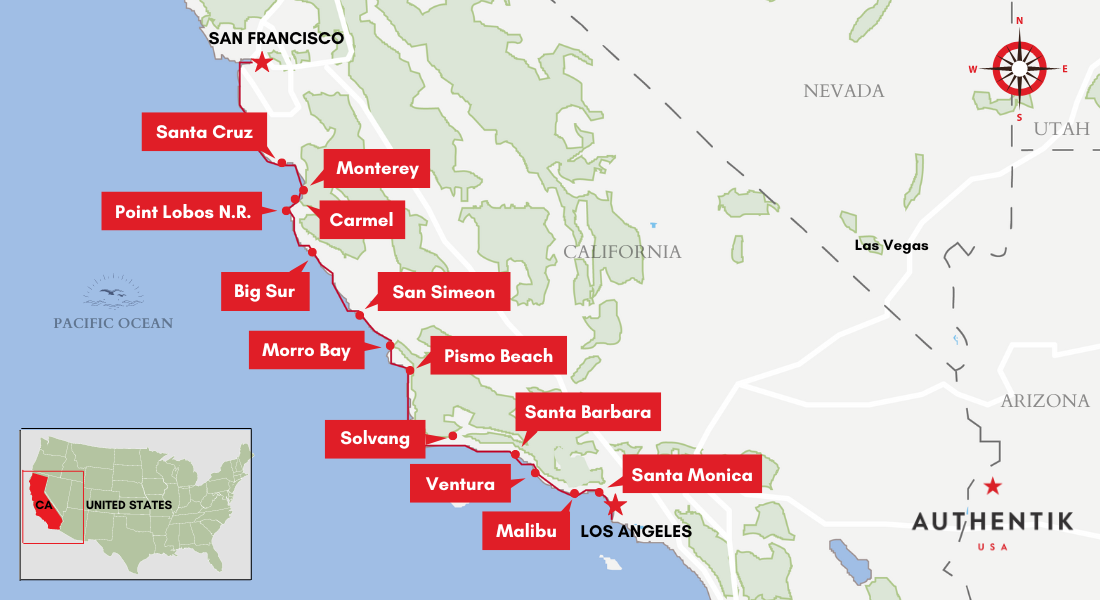
- Estimated Driving Time: The US-101 route typically takes between 7 to 9 hours of pure driving time, not including stops. The road winds through valleys and coastal communities, which naturally slows the pace.
- Landscape: Expect rolling hills, vineyards in regions like the Santa Ynez Valley, picturesque coastal towns, and expansive ocean views.
- Key Stops and Attractions: This route is dotted with opportunities for exploration:
- Santa Barbara: A charming city known for its Spanish colonial architecture, beautiful beaches, and vibrant downtown.
- Solvang: A unique Danish village offering distinctive architecture, bakeries, and shops.
- San Luis Obispo (SLO): A lively college town with a historic mission and a popular farmers’ market.
- Hearst Castle: A magnificent estate offering tours of opulent architecture and art collections (requires a detour and advance booking).
- Morro Bay: Famous for its iconic Morro Rock and abundant marine life.
- Paso Robles: A renowned wine region with numerous wineries offering tastings.
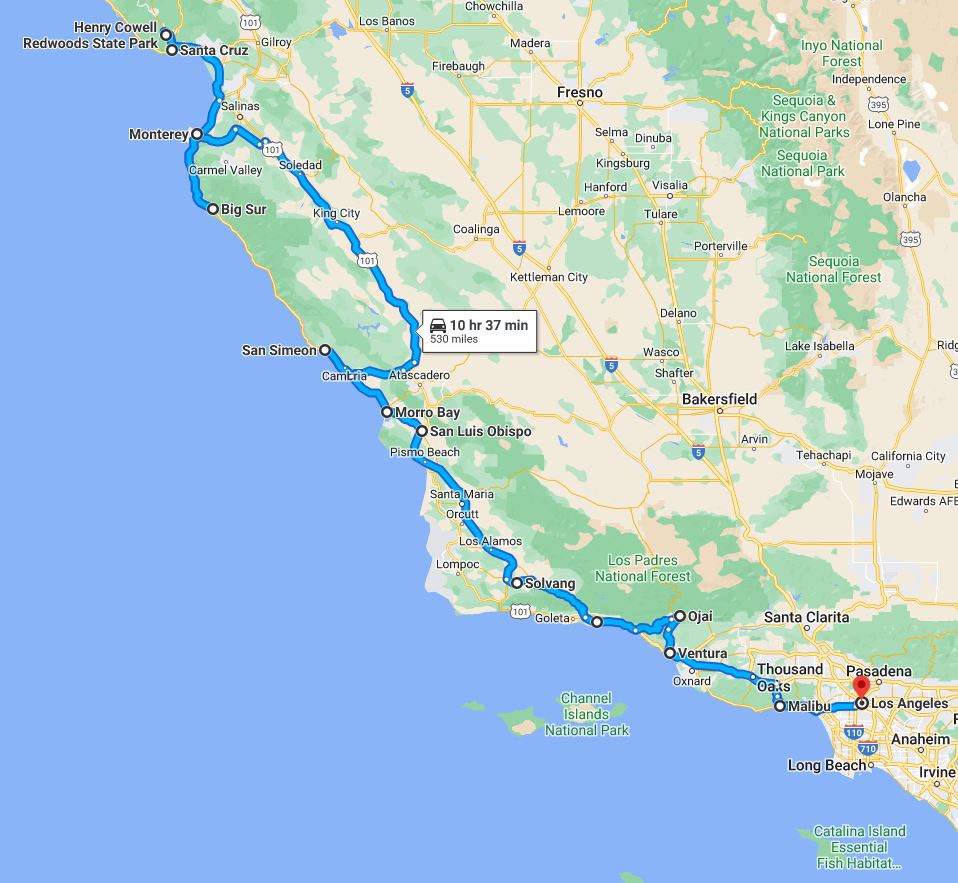
California State Route 1 (Pacific Coast Highway – PCH): The Ultimate Scenic Drive
The legendary California State Route 1, often referred to as the Pacific Coast Highway (PCH), offers the most spectacular, albeit slowest, journey between Los Angeles and San Francisco. This route is for those who want to immerse themselves in the dramatic beauty of the California coast.
- Estimated Driving Time: This route is not about speed. Driving the entire length of the PCH from a point near Los Angeles to San Francisco typically requires at least 10 to 12 hours of driving, and often much more when factoring in stops for sightseeing, dining, and photo opportunities. Many travelers extend this into a multi-day trip.
- Landscape: This is where the magic happens. You’ll experience:
- Dramatic Cliffs: The iconic Big Sur coastline features towering cliffs that plunge into the Pacific Ocean.
- Secluded Beaches: Numerous coves and stretches of sand offer opportunities for relaxation and exploration.
- Redwood Forests: Inland sections may offer a glimpse of magnificent redwood trees.
- Ocean Vistas: Uninterrupted panoramic views of the vast Pacific Ocean.
- Key Stops and Attractions: The PCH is a treasure trove of natural beauty and charming towns:
- Malibu: Famous for its celebrity homes and beautiful beaches.
- Santa Monica Pier: A historic landmark offering amusement rides and ocean views.
- Ventura: A pleasant coastal town with a historic pier and a charming downtown.
- Pismo Beach: Known for its sand dunes and clam chowder.
- Cambria: A picturesque village with art galleries and Moonstone Beach.
- Big Sur: The undisputed crown jewel. Key sights include:
- Bixby Creek Bridge: An iconic, photogenic concrete arch bridge.
- McWay Falls: A stunning waterfall that cascades onto the beach.
- Julia Pfeiffer Burns State Park: Home to McWay Falls and hiking trails.
- Pfeiffer Big Sur State Park: Offers redwood groves and hiking.
- Carmel-by-the-Sea: An enchanting village with fairy-tale cottages, art galleries, and a beautiful beach.
- Monterey: Home to the world-renowned Monterey Bay Aquarium and Cannery Row.
- Santa Cruz: A laid-back surf town with a classic boardwalk amusement park.
Combining Routes: A Hybrid Approach
Many travelers opt for a hybrid approach, combining segments of different routes to create a personalized road trip. For instance, one might take US-101 for the initial stretch out of Los Angeles, then divert to the PCH for the dramatic Big Sur section, and finally rejoin US-101 or even I-5 as they approach San Francisco for a more efficient final leg. This allows for a balance of iconic scenery and manageable driving times. The distance and time will vary depending on the specific points of intersection.
Factors Influencing Distance and Travel Time
It’s crucial to remember that the stated distances and times are estimates. Several factors can influence how long it takes to get from Los Angeles to San Francisco:
- Traffic: As mentioned, the extensive urban areas of both Los Angeles and San Francisco can cause significant delays. Traffic along the coastal routes can also occur, particularly in popular tourist towns.
- Road Conditions and Closures: The California Coast is prone to landslides, especially on the PCH, which can lead to temporary road closures and detours. It is always advisable to check current road conditions before embarking on your journey, especially along Highway 1.
- Time of Year: Travel during peak tourist seasons (summer, holidays) will generally mean more traffic and longer travel times.
- Number of Stops: The more you stop to explore attractions, enjoy meals, or simply take in the views, the longer your trip will take.
- Vehicle Type: While less impactful on pure distance, the type of vehicle can influence comfort and efficiency, particularly on winding coastal roads.
Planning Your Trip: Distance is Just the Beginning
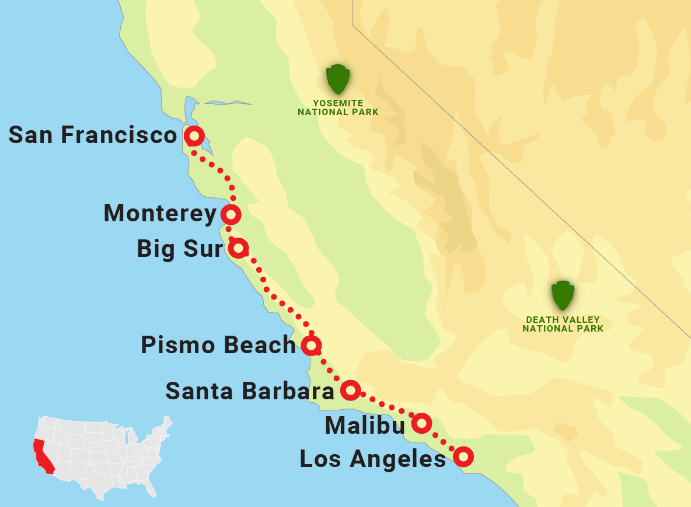
The question of “How far from Los Angeles to San Francisco?” is a starting point for a much richer planning process. Whether you’re looking for the quickest way to get there or envisioning a leisurely exploration of the California coast, understanding the different routes and their associated distances is key. Each path offers a unique perspective on the diverse beauty of the Golden State, making the journey itself a significant part of the adventure. Consider your priorities – time, scenery, or a blend of both – and choose the route that best suits your travel style.
LifeOutOfTheBox is a participant in the Amazon Services LLC Associates Program, an affiliate advertising program designed to provide a means for sites to earn advertising fees by advertising and linking to Amazon.com. Amazon, the Amazon logo, AmazonSupply, and the AmazonSupply logo are trademarks of Amazon.com, Inc. or its affiliates. As an Amazon Associate we earn affiliate commissions from qualifying purchases.