
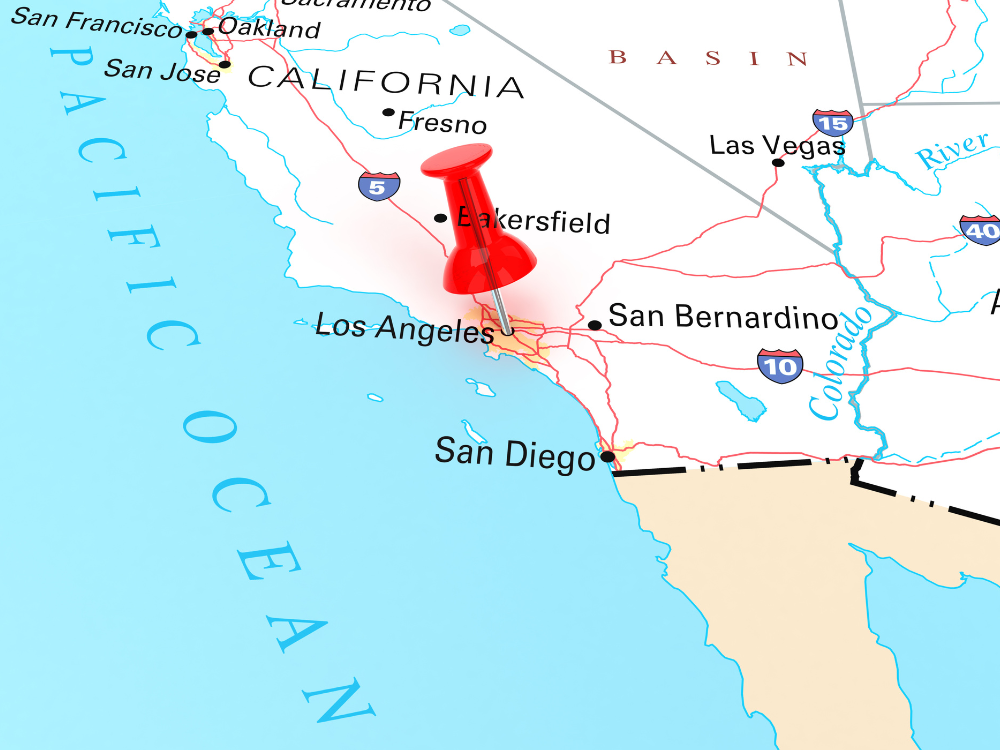
The question of distance between two of Southern California’s most iconic cities, San Diego and Los Angeles, is a common one for travelers and locals alike. While seemingly close on a map, the exact mileage, driving time, and optimal routes can vary significantly based on your chosen mode of transportation and the specific destinations within each sprawling metropolis. Understanding these nuances is crucial for planning a seamless trip, whether you’re embarking on a day excursion, a weekend getaway, or integrating it into a larger California road trip. This guide aims to provide a comprehensive overview of the distances and travel times involved, along with practical tips to make your journey as efficient and enjoyable as possible.
Understanding the Driving Distance and Time
The most common way to travel between San Diego and Los Angeles is by car, offering flexibility and the opportunity to explore along the way. The primary corridor is Interstate 5 (I-5) North.
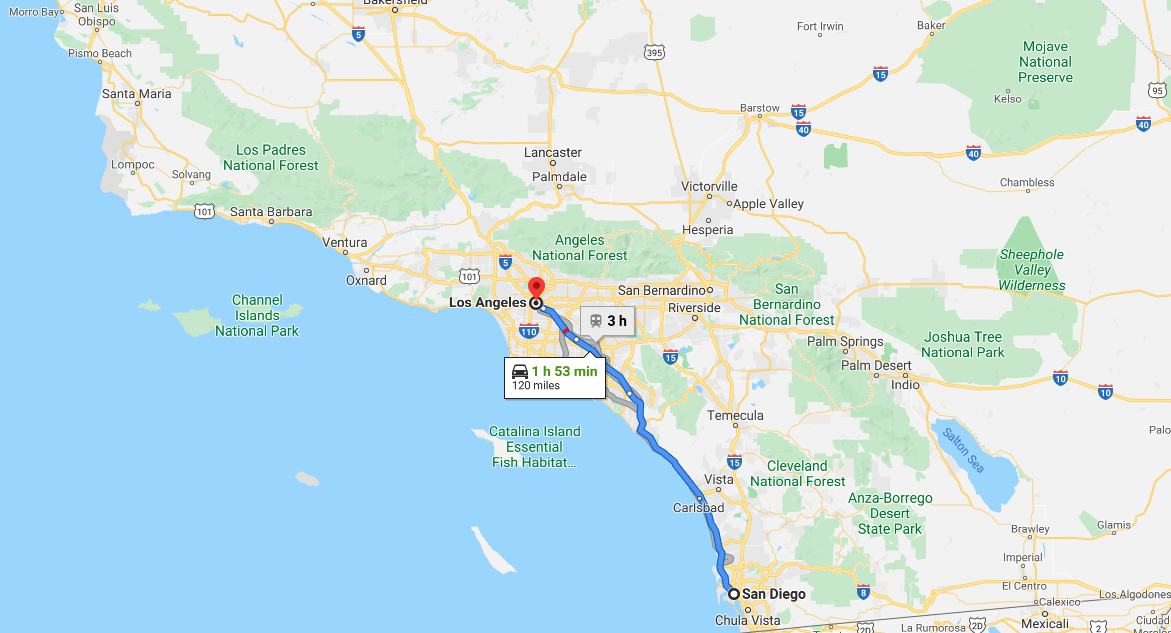
The Core Route: I-5 North
- Distance: The direct driving distance between downtown San Diego and downtown Los Angeles via I-5 North is approximately 120 miles (193 kilometers). However, this figure can fluctuate slightly depending on your exact starting point in San Diego (e.g., La Jolla or Coronado) and your final destination in the vast Los Angeles metropolitan area, which stretches from Long Beach to Hollywood and beyond.
- Estimated Driving Time: Under ideal traffic conditions, the drive can take as little as 2 hours and 15 minutes. However, this is a rare luxury. Due to the significant population density and high volume of commuters, traffic can be a major factor.
- Peak Hours: During morning (6:00 AM – 9:00 AM) and afternoon/evening (3:00 PM – 7:00 PM) rush hours, the travel time can easily double, extending to 3.5 to 5 hours or even more, especially on weekdays. The section of I-5 through Orange County and into Los Angeles County is particularly notorious for congestion.
- Mid-day & Weekends: While generally better, mid-day traffic can still present challenges, especially as you approach Los Angeles. Weekend traffic can be unpredictable, often influenced by events, beachgoers, and commuters heading out of town.
- Alternative Routes: While I-5 is the most direct, other routes exist, though they often add distance or time.
- I-15 North to CA-60 West: This route takes you inland through Riverside County before heading west towards Los Angeles. It can sometimes bypass coastal traffic but may encounter its own congestion in the inland empire. It generally adds about 10-20 miles to the journey.
- Pacific Coast Highway (PCH) / Highway 1: For a scenic, albeit much longer, journey, you can opt for portions of the Pacific Coast Highway. This is not a direct route for speed but is ideal if you have ample time and wish to enjoy coastal vistas and charming beach towns like Laguna Beach and Huntington Beach. This route can take 5-7 hours or more, depending on stops.
Tips for Driving:
- Utilize Navigation Apps: Always use real-time navigation apps like Google Maps, Waze, or Apple Maps. These apps constantly monitor traffic conditions and can reroute you to avoid major slowdowns.
- Travel Off-Peak: If possible, schedule your travel outside of the typical rush hours. Traveling early in the morning (before 6:00 AM) or later in the evening (after 7:00 PM) can significantly reduce your travel time.
- Consider the Day: Weekdays are generally more congested than weekends, particularly during commuting hours.
- Factor in Parking: Remember to account for time spent finding parking once you arrive in Los Angeles, as parking can be challenging and expensive in many areas.
Public Transportation Options
For those who prefer not to drive, several public transportation options connect San Diego and Los Angeles, offering a more relaxed travel experience.
Amtrak Pacific Surfliner
The Amtrak Pacific Surfliner is a popular and scenic choice for intercity travel.
- Route: The train runs along the coast for a significant portion of the journey, offering beautiful ocean views. The main San Diego station is Santa Fe Depot, and it terminates at Union Station in Los Angeles.
- Travel Time: The train journey typically takes between 2 hours and 45 minutes to 3 hours and 30 minutes, depending on the number of stops.
- Frequency: Trains operate multiple times daily, providing good flexibility for departure and arrival times.
- Amenities: Amtrak trains offer comfortable seating, Wi-Fi, power outlets, and a cafe car for snacks and beverages. This allows you to relax, work, or enjoy the scenery without the stress of driving.
- Cost: Fares can vary based on booking time and class of service, but it’s often comparable to or slightly more expensive than driving when factoring in gas and potential parking costs in Los Angeles. Booking in advance usually secures better prices.
Greyhound and Other Bus Services
Several intercity bus companies operate between San Diego and Los Angeles.
- Providers: Companies like Greyhound and FlixBus offer regular services.
- Departure/Arrival Points: Bus stations are typically located in downtown areas of both cities, with Santa Ana and Anaheim also serving as common pickup/drop-off points for connections to Los Angeles.
- Travel Time: Bus journeys can range from 2 hours and 30 minutes to 4 hours or more, depending heavily on traffic conditions and the specific route taken by the bus company.
- Cost: Buses are often the most budget-friendly option.
- Considerations: While cost-effective, bus travel can be less comfortable than the train, and travel times are more susceptible to traffic delays.
Flying
While not the most practical option for a direct trip due to the relatively short distance and the time required for airport procedures, flying is technically possible.
- Airports: San Diego International Airport (SAN) and various Los Angeles area airports, most commonly Los Angeles International Airport (LAX).
- Flight Time: Actual flight time is very short, typically around 45 minutes to 1 hour.
- Total Travel Time: However, when you factor in travel to and from airports, check-in procedures, security screening, and baggage claim, the total door-to-door travel time often exceeds that of driving or taking the train.
- Cost: Flights can be expensive, especially if not booked in advance, and don’t include the cost of airport transportation. This option is generally only considered if you’re connecting to a longer flight from Los Angeles or if specific flight deals make it worthwhile.
Connecting to Specific Destinations within Los Angeles
Los Angeles is a vast and diverse region. The 120-mile distance is a general approximation between city centers. Your specific destination within Los Angeles will impact the total mileage and travel time.

Examples of Distances and Times (Approximate):
- San Diego to Disneyland (Anaheim): Approximately 95-100 miles. Driving time can range from 1.5 hours (ideal) to 3+ hours (traffic).
- San Diego to Downtown Los Angeles: Approximately 120 miles, 2.25-5+ hours driving.
- San Diego to Hollywood: Approximately 125-130 miles, 2.5-5.5+ hours driving.
- San Diego to Santa Monica: Approximately 135-140 miles, 2.5-6+ hours driving.
When planning your journey, it’s essential to consider your ultimate destination within the Los Angeles area to accurately estimate travel times and choose the most appropriate route and mode of transport. For instance, if your primary interest is theme parks in Anaheim, heading directly towards that region via I-5 or I-15 might be more efficient than navigating through the heart of Los Angeles.
Ultimately, the question of “how far” is answered not just by miles, but by minutes and the journey itself. Whether you choose the efficiency of the freeway, the scenic charm of the train, or the budget-friendliness of the bus, the drive from San Diego to Los Angeles is a quintessential Southern California experience, offering a transition between two distinct, yet complementary, vibrant urban landscapes.
LifeOutOfTheBox is a participant in the Amazon Services LLC Associates Program, an affiliate advertising program designed to provide a means for sites to earn advertising fees by advertising and linking to Amazon.com. Amazon, the Amazon logo, AmazonSupply, and the AmazonSupply logo are trademarks of Amazon.com, Inc. or its affiliates. As an Amazon Associate we earn affiliate commissions from qualifying purchases.