
The proximity of Los Angeles to Burbank is a frequent question for visitors and residents alike, whether planning a day trip, a business meeting, or simply exploring the vast expanse of Southern California. While both are integral parts of the greater Los Angeles metropolitan area, understanding the precise distance and the nuances of travel between them is crucial for efficient navigation and maximizing your time. This guide delves into the various travel options, typical journey times, and factors influencing the travel experience between these two iconic Southern California locales.
Understanding the Geographic Relationship
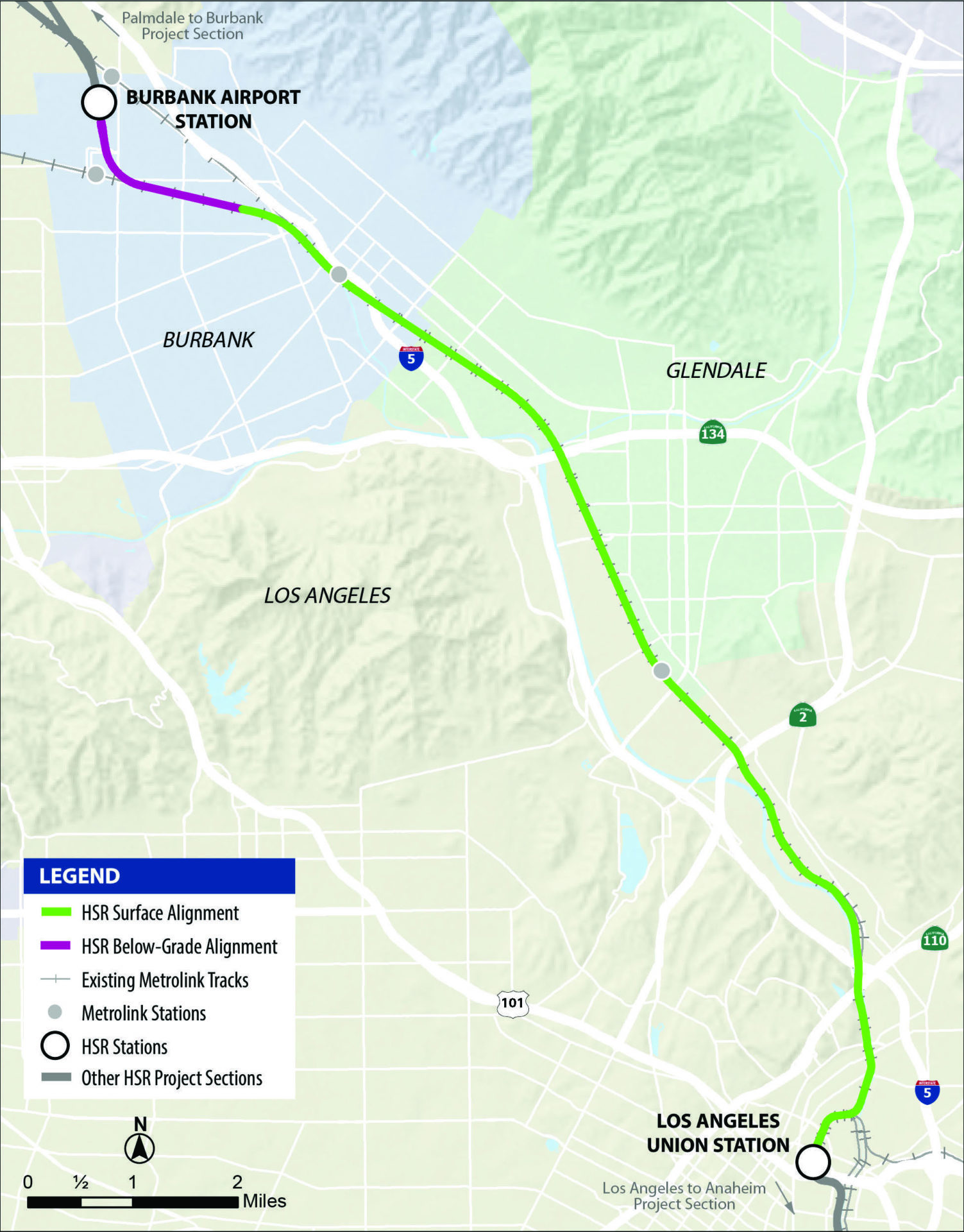
Burbank, often referred to as the “Media Capital of the World,” is situated directly north of Downtown Los Angeles. This close geographical relationship means that the distance, while seemingly short on a map, can involve navigating significant urban traffic. The exact mileage depends on the starting point within the sprawling city of Los Angeles and the specific destination within Burbank. However, as a general benchmark, the direct distance between the heart of Los Angeles and the center of Burbank is approximately 12 to 15 miles.
Core Los Angeles to Burbank Core
- Downtown Los Angeles to Downtown Burbank: This is a common reference point. The distance typically falls within the 12-15 mile range. The most direct routes often involve using freeways, which are the backbone of transportation in Los Angeles.
- Westside Los Angeles to Burbank: If your starting point is on the Westside, such as Santa Monica or Beverly Hills, the distance to Burbank increases, often reaching 20-25 miles. This expansion of the route can significantly impact travel time.
- San Fernando Valley to Burbank: For those already within the San Fernando Valley, Burbank is considerably closer. For instance, traveling from Sherman Oaks to Burbank might only be 5-8 miles.
Key Landmarks and Distances
To provide a more concrete understanding, consider these distances to well-known Los Angeles landmarks:
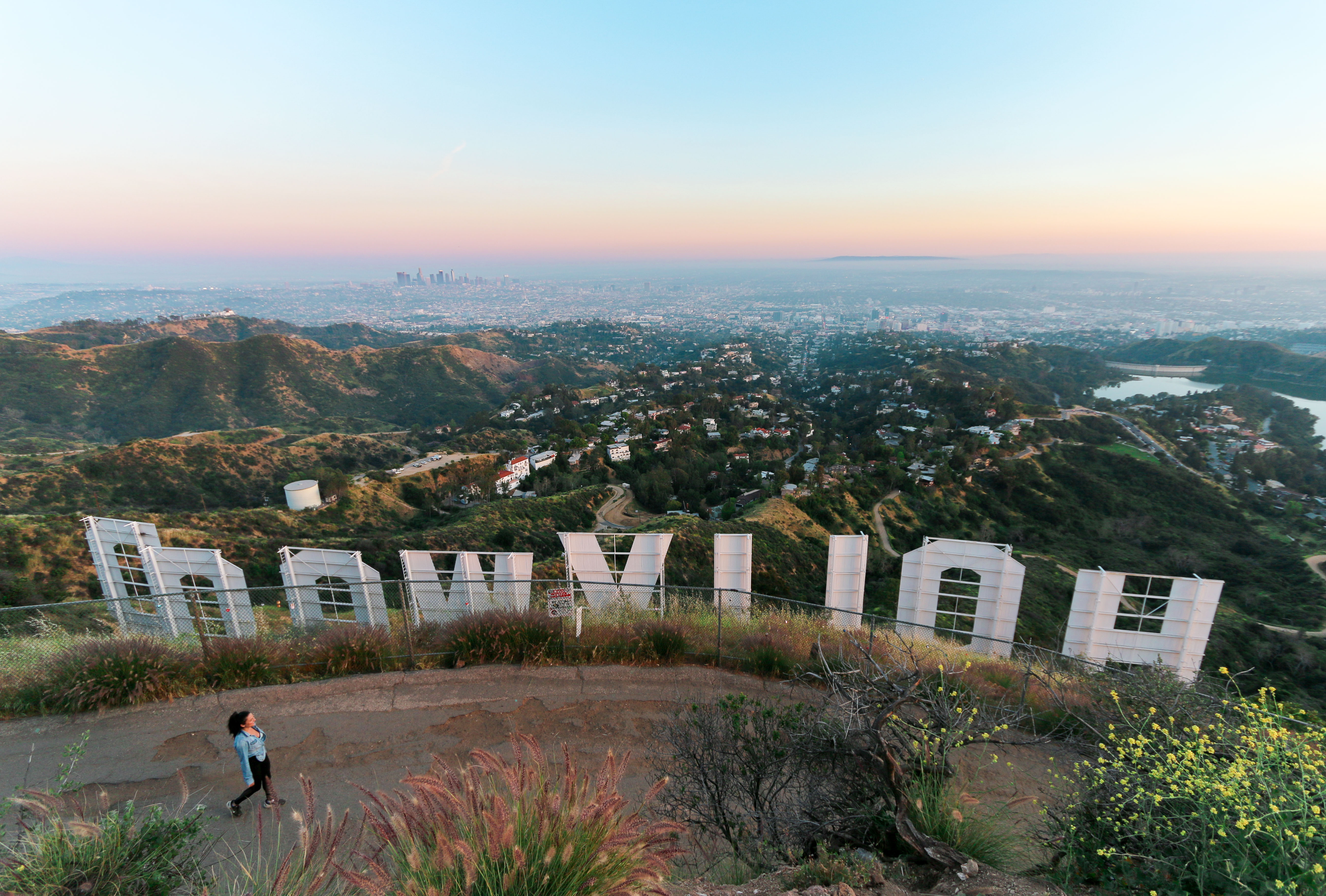
- Hollywood Sign to Burbank: Approximately 10-12 miles.
- Griffith Observatory to Burbank: Roughly 8-10 miles, offering relatively straightforward access.
- Universal CityWalk to Burbank: This is a particularly close connection, often less than 5 miles, making it a very convenient trip.
Navigating the Routes: Driving and Public Transportation
The choice of transportation significantly influences how far Burbank “feels” from Los Angeles. The urban landscape of Los Angeles is characterized by its extensive freeway system, which, when flowing freely, offers rapid transit. However, traffic congestion is a pervasive element of the Los Angeles experience.
Driving Routes and Travel Times
- The 101 Freeway (Hollywood Freeway): This is one of the most direct and commonly used routes. Traveling northbound on the US Route 101 from Downtown Los Angeles towards Burbank typically takes 20-40 minutes during off-peak hours. However, during morning or evening commutes, this journey can easily stretch to an hour or more, with traffic often unpredictable.
- The 5 Freeway (Golden State Freeway): Depending on your starting point in Los Angeles, the Interstate 5 Freeway might be an alternative. This route can be useful if you are coming from areas further east or south of Downtown. Travel times are comparable to the 101, with similar traffic considerations.
- Surface Streets: While less common for longer distances due to traffic lights and lower speed limits, utilizing major surface streets like Riverside Drive or Victory Boulevard can be an option, particularly for shorter hops or when freeways are severely congested. These routes are generally slower but can offer a more scenic perspective of the urban sprawl.
Factors Affecting Driving Time:
- Time of Day: Rush hour (typically 6-9 AM and 3-7 PM on weekdays) will dramatically increase travel times. Mid-day, evenings, and weekends generally offer smoother journeys.
- Day of the Week: Friday afternoons are notoriously difficult for traffic in Los Angeles.
- Special Events: Concerts at the Hollywood Bowl, sporting events, or major conventions can create localized traffic disruptions that impact routes to Burbank.
- Accidents and Roadwork: Unforeseen events on the freeways are a common cause of significant delays.
Public Transportation Options
For those opting for public transport, the journey between Los Angeles and Burbank is primarily facilitated by the Los Angeles County Metropolitan Transportation Authority (Metro).
- Metro Rail: The Metro B Line (Red Line) subway connects Downtown Los Angeles (stations like Union Station, Civic Center/Grand Park, Pershing Square) with North Hollywood. From the North Hollywood Station, you can then transfer to a bus route, such as the Metro 92 or 153, which will take you directly into Burbank. The subway portion of the journey from Downtown to North Hollywood typically takes around 30-35 minutes. The subsequent bus transfer adds another 10-20 minutes depending on traffic and stops.
- Metro Bus: Several bus lines connect various parts of Los Angeles directly to Burbank. For instance, routes originating from the Valley or northern Los Angeles can provide direct bus service. These journeys are often longer than driving or a rail-bus combination due to the nature of bus routes, which make more frequent stops. Travel times can range from 45 minutes to over an hour, highly dependent on the specific route and traffic conditions.
Considerations for Public Transport:
- Frequency: While Metro operates a comprehensive network, the frequency of certain bus lines can vary, especially during off-peak hours or on weekends.
- Transfers: Planning your route to minimize transfers is key to an efficient public transport journey.
- Walking and Waiting: Factor in time for walking to/from stations and bus stops, as well as potential waiting times.
The Experience of Travel Between Los Angeles and Burbank
Beyond mere distance, the “feel” of traveling from Los Angeles to Burbank is shaped by the character of the neighborhoods traversed and the overall urban environment.
Transitioning Through the Landscape
As you leave the dense urban core of Downtown Los Angeles, the landscape begins to shift. Moving north, you’ll pass through areas like the Silver Lake and Echo Park neighborhoods, known for their vibrant arts scenes and diverse communities. Continuing along the freeways, you might skirt the edges of neighborhoods like Atwater Village.
The transition into Burbank often feels distinct. Burbank is characterized by its significant media industry presence, housing major studios like Warner Bros. Studios and The Walt Disney Studios. This gives Burbank a unique feel, often described as more laid-back and community-oriented than some of the more frenetic areas of Los Angeles. Its streets are often lined with mature trees, and it boasts a well-maintained downtown area.
Practical Considerations for Your Journey
- Navigation Tools: Utilize GPS navigation apps like Google Maps or Waze. They provide real-time traffic updates, suggest optimal routes, and estimate arrival times, which are invaluable for traversing the Los Angeles area.
- Parking: If driving, be aware of parking availability and costs in Burbank. Downtown Burbank and areas around major studios generally have dedicated parking structures and street parking, but it’s wise to research your specific destination beforehand.
- Ride-Sharing Services: Services like Uber and Lyft are widely available throughout Los Angeles and Burbank, offering a convenient alternative to driving or public transport, especially for point-to-point travel without the hassle of parking. Prices will vary based on demand and distance.
In conclusion, the distance from Los Angeles to Burbank is deceptively short in miles but can be substantial in travel time due to the inherent complexities of urban transit. Whether you choose the efficiency of freeways, the flexibility of public transport, or the convenience of ride-sharing, understanding the variables involved will ensure a smoother and more predictable journey, allowing you to fully enjoy what both Los Angeles and Burbank have to offer.
LifeOutOfTheBox is a participant in the Amazon Services LLC Associates Program, an affiliate advertising program designed to provide a means for sites to earn advertising fees by advertising and linking to Amazon.com. Amazon, the Amazon logo, AmazonSupply, and the AmazonSupply logo are trademarks of Amazon.com, Inc. or its affiliates. As an Amazon Associate we earn affiliate commissions from qualifying purchases.