
Florida, often lauded as the Sunshine State, is a premier travel destination renowned for its diverse landscapes, pristine beaches, and vibrant cities. From the temperate forests of its northern reaches to the subtropical wetlands and tropical keys of its southern tip, Florida offers an unparalleled array of natural beauty and outdoor experiences. Understanding Florida’s gardening zones, officially known as USDA Plant Hardiness Zones, is not merely for horticulture enthusiasts; it is a fundamental key for travelers seeking to appreciate the ecological richness, natural attractions, and unique character of various regions across the state. These zones directly influence the indigenous flora, agricultural landscapes, and the overall aesthetic and environmental experiences a traveler can expect.
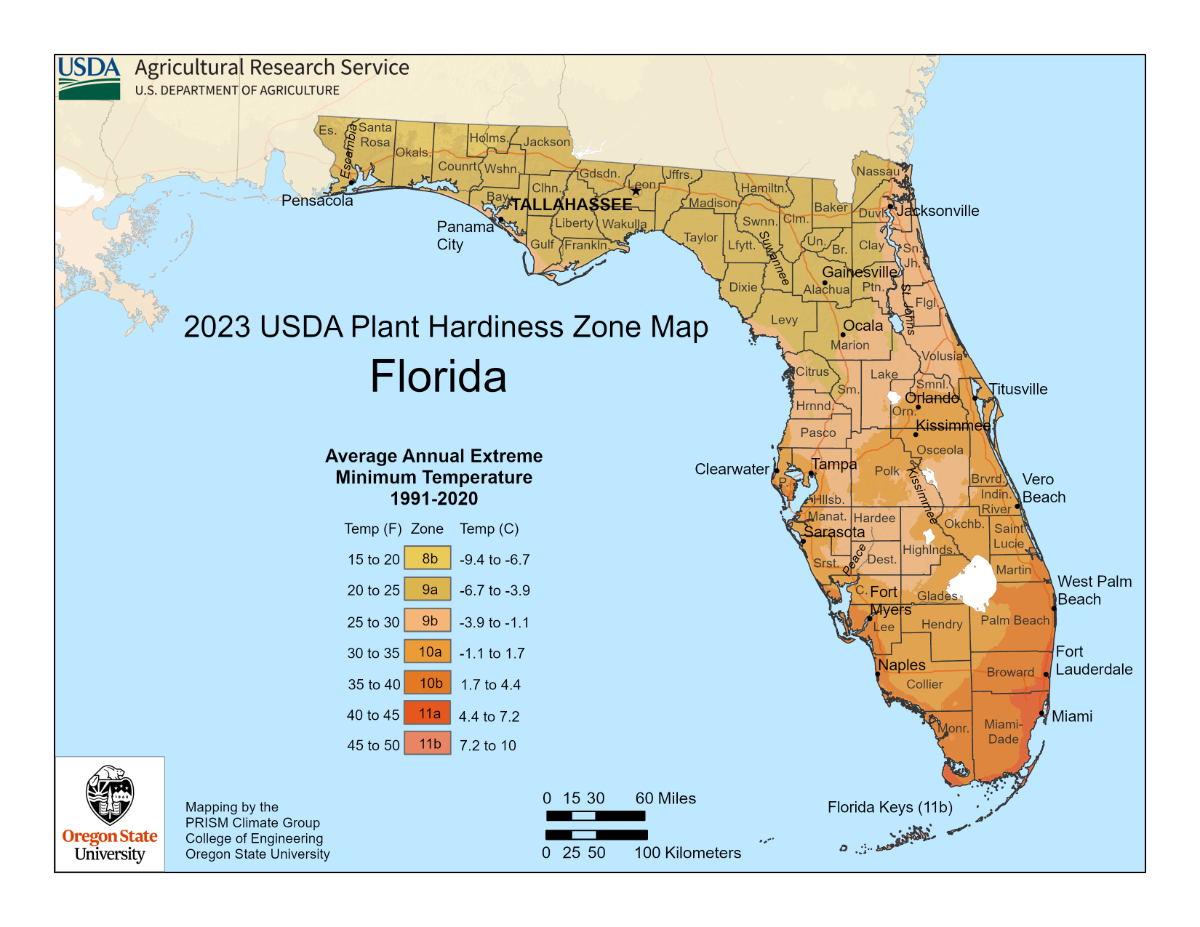
Deciphering USDA Plant Hardiness Zones for Travelers
The United States Department of Agriculture (USDA) Plant Hardiness Zone Map is a standardized geographical tool that divides North America into distinct zones based on average annual extreme minimum winter temperatures. Each zone represents a 10-degree Fahrenheit range, further subdivided into ‘a’ and ‘b’ sections, each representing a 5-degree Fahrenheit range. While primarily designed to guide gardeners and farmers on which perennial plants are most likely to survive winter temperatures in a specific location, these zones offer profound insights for travelers.
For those exploring Florida, knowing the local hardiness zone provides an immediate understanding of the prevailing climate and the type of natural vegetation and cultivated landscapes that define a region. It explains why you see palm trees in Miami but oak forests in Tallahassee, or why different types of wildlife thrive in specific areas. This knowledge empowers travelers to select destinations that align with their interests, whether it’s exploring lush tropical gardens, hiking through temperate woodlands, or observing specific ecosystems like mangroves or pine flatwoods.
Florida’s Expansive Climatic Spectrum: Zones 8a to 11b
Florida’s unique peninsula shape, stretching nearly 450 miles from north to south and bordered by the Atlantic Ocean and the Gulf of Mexico, results in a remarkably diverse climatic spectrum. The state encompasses a wide range of USDA Plant Hardiness Zones, typically spanning from 8a in its northernmost reaches to 11b in the extreme south, including the Florida Keys. This extensive range means that Florida is not a monolithic tropical paradise; rather, it’s a mosaic of distinct ecological regions, each offering unique experiences.
The transition across these zones is gradual, creating distinct environmental characteristics that shape local attractions, outdoor activities, and even the architectural styles found in different cities. From the occasional frosts experienced in Zone 8a to the perpetually warm, frost-free conditions of Zone 11b, Florida’s climate is a study in contrasts. This climatic variation is a boon for travelers, as it means the state offers a vast array of natural wonders within its borders, appealing to a wide range of preferences and interests.
Regional Exploration: A Traveler’s Guide to Florida’s Diverse Zones
To truly appreciate Florida as a travel destination, it’s beneficial to view it through the lens of its distinct hardiness zones. Each region, defined by its climatic zone, offers a different palette of flora, fauna, and experiences.
North Florida: A Temperate Gateway (Zones 8a-8b)
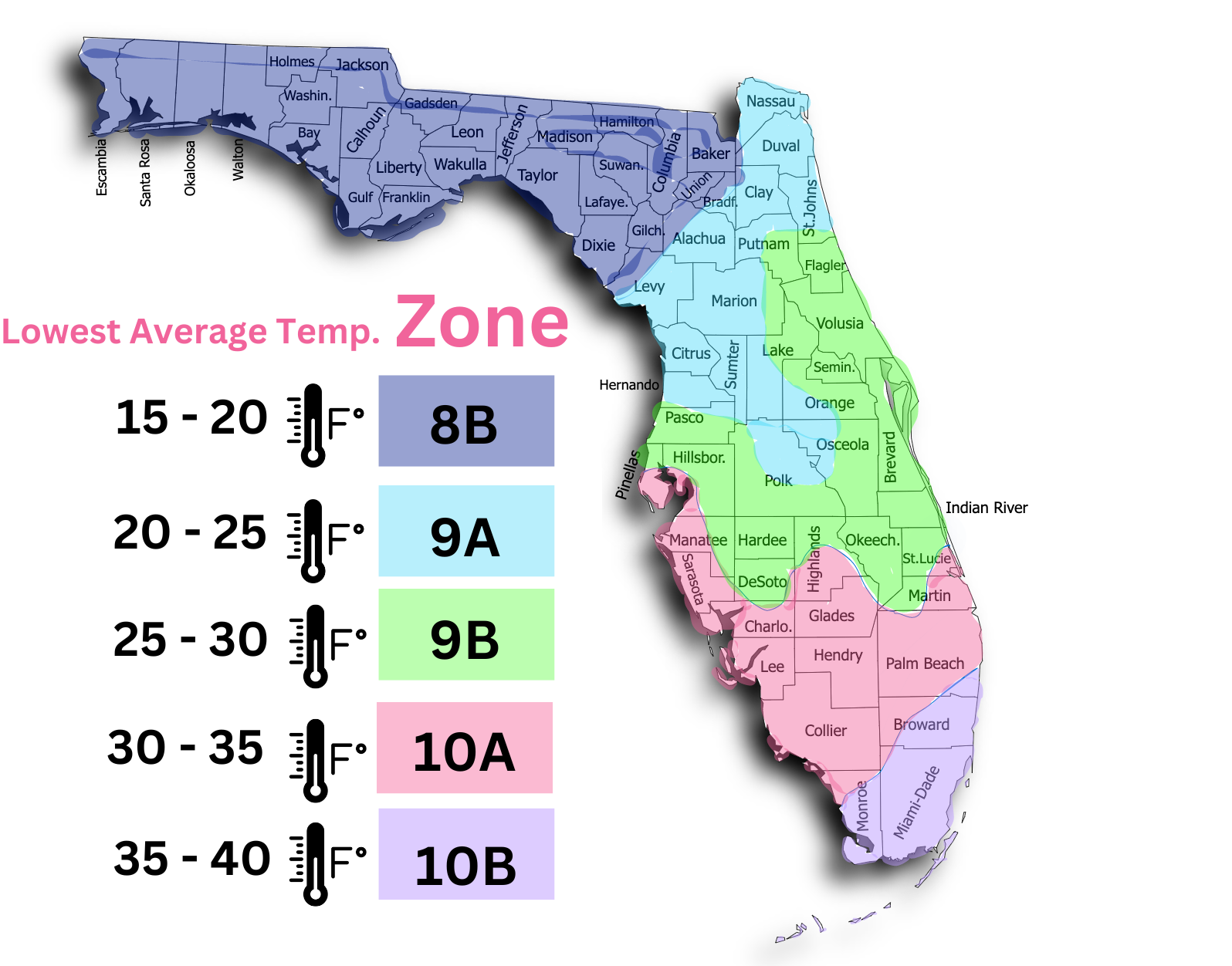
The northern region of Florida, including cities like Jacksonville, Tallahassee, and Gainesville, primarily falls within Zones 8a and 8b. This area experiences cooler winters with occasional frosts and even rare freezes, resembling more temperate southern states like Georgia or Alabama. The landscape here is characterized by dense pine forests, majestic live oaks draped in Spanish moss, and deciduous trees that offer subtle seasonal changes.
For travelers, this means exploring attractions like Torreya State Park, known for its ravines and unique flora, or hiking through the vast Apalachicola National Forest. The cultural heritage often reflects its proximity to the Deep South, with historical sites and traditional Southern charm. Winter travel in this region allows for comfortable outdoor activities without the intense heat of the south, making it ideal for hiking, camping, and exploring freshwater springs.
Central Florida: The Heart of Diversity (Zones 9a-10a)
Moving south, Central Florida acts as a transitional zone, predominantly covering Zones 9a, 9b, and extending into 10a towards the coasts. This region, home to major tourist hubs like Orlando, Tampa, and St. Petersburg, strikes a balance between temperate and subtropical influences. While frosts can occur, they are less frequent and less severe than in the north. This climate is famously conducive to citrus cultivation, with vast orange groves defining parts of the landscape.
Travelers to Central Florida will encounter a rich mix of vegetation. Beyond the world-famous theme parks like Walt Disney World Resort, the natural environment offers opportunities for kayaking through cypress swamps, exploring serene botanical gardens such as Harry P. Leu Gardens in Orlando, and enjoying the warmer beaches of both the Gulf and Atlantic coasts. The blend of ecosystems supports a diverse array of wildlife, making it a prime spot for birdwatching and nature photography.
South Florida: Tropical Paradise (Zones 10b-11b)
The southernmost part of Florida, encompassing cities like Miami, Fort Lauderdale, Naples, and the Florida Keys, belongs to Zones 10b, 11a, and even 11b. This is the heart of Florida’s tropical and subtropical climate, characterized by warm temperatures year-round and little to no frost. The landscape is dominated by iconic palm trees, vibrant tropical flowers, lush mangroves, and exotic fruit trees.
For travelers, South Florida is synonymous with sun-drenched beaches, unparalleled water sports, and unique ecosystems. Exploring Everglades National Park offers an immersive experience into a vast wetland wilderness, home to alligators, panthers, and diverse birdlife. Botanical gardens like Fairchild Tropical Botanic Garden in Coral Gables showcase an astounding collection of tropical plants. The vibrant coral reefs off the Keys, accessible from towns like Key West, reveal another layer of Florida’s rich biodiversity. This region offers a true escape into a perpetually warm, verdant world.
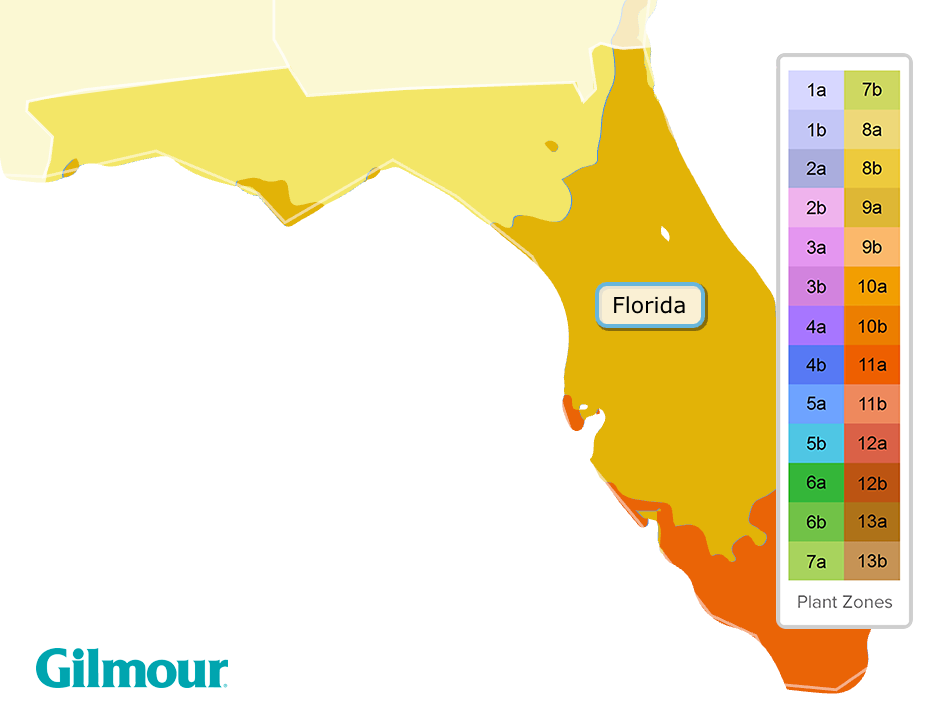
The Significance of Florida’s Zones for Travel Planning
Understanding Florida’s gardening zones is incredibly valuable for crafting an informed and rewarding travel itinerary. It allows visitors to:
- Set Expectations: Knowing the zone provides a realistic picture of the natural environment, preventing surprises and allowing travelers to appreciate the specific beauty of each region. You won’t find expansive pine forests in Key West, nor will you encounter wild orchids commonly growing in Jacksonville.
- Target Specific Experiences: Travelers interested in particular flora or fauna can pinpoint the ideal region. For birdwatchers, the wetlands of Central Florida or the unique habitats of South Florida might be priorities. Those seeking cooler hiking weather might gravitate towards the northern zones during winter.
- Optimize Timing: While Florida is a year-round destination, the ‘best’ time to visit often depends on the zone and desired activities. Cooler months are ideal for exploring the northern parks, while South Florida remains pleasant and active even in what would be winter elsewhere.
- Appreciate Agricultural Diversity: The zones dictate the types of crops that thrive. Travelers can observe diverse agricultural landscapes, from the historic citrus groves of Central Florida to the sugar cane fields of the Everglades Agricultural Area, gaining a deeper understanding of the state’s economic and cultural fabric.
- Explore Botanical Gardens and Nature Parks: Florida’s numerous botanical gardens, state parks, and national forests are living showcases of what each zone can sustain. Visiting these attractions with an understanding of their climatic context enhances the experience, highlighting the resilience and adaptability of plant life.
In essence, the USDA Plant Hardiness Zones offer a practical and fascinating framework for navigating the natural wonders of Florida. They reveal the intricate tapestry of climates and ecosystems that make the Sunshine State such a dynamic and unforgettable destination for every type of traveler.
LifeOutOfTheBox is a participant in the Amazon Services LLC Associates Program, an affiliate advertising program designed to provide a means for sites to earn advertising fees by advertising and linking to Amazon.com. Amazon, the Amazon logo, AmazonSupply, and the AmazonSupply logo are trademarks of Amazon.com, Inc. or its affiliates. As an Amazon Associate we earn affiliate commissions from qualifying purchases.