
Embarking on the journey of first employment at 14 in California offers a unique opportunity for young individuals to develop crucial life skills, gain financial independence, and contribute to their communities. For many teenagers, this initial foray into the workforce is more than just about earning money; it’s about learning responsibility, time management, and the value of hard work. Navigating the landscape of youth employment in the Golden State requires an understanding of specific labor laws, identifying suitable job sectors, and effectively presenting oneself to potential employers. This guide explores the realistic avenues and vital considerations for 14-year-olds seeking employment, framing it as a significant step in their lifestyle development.
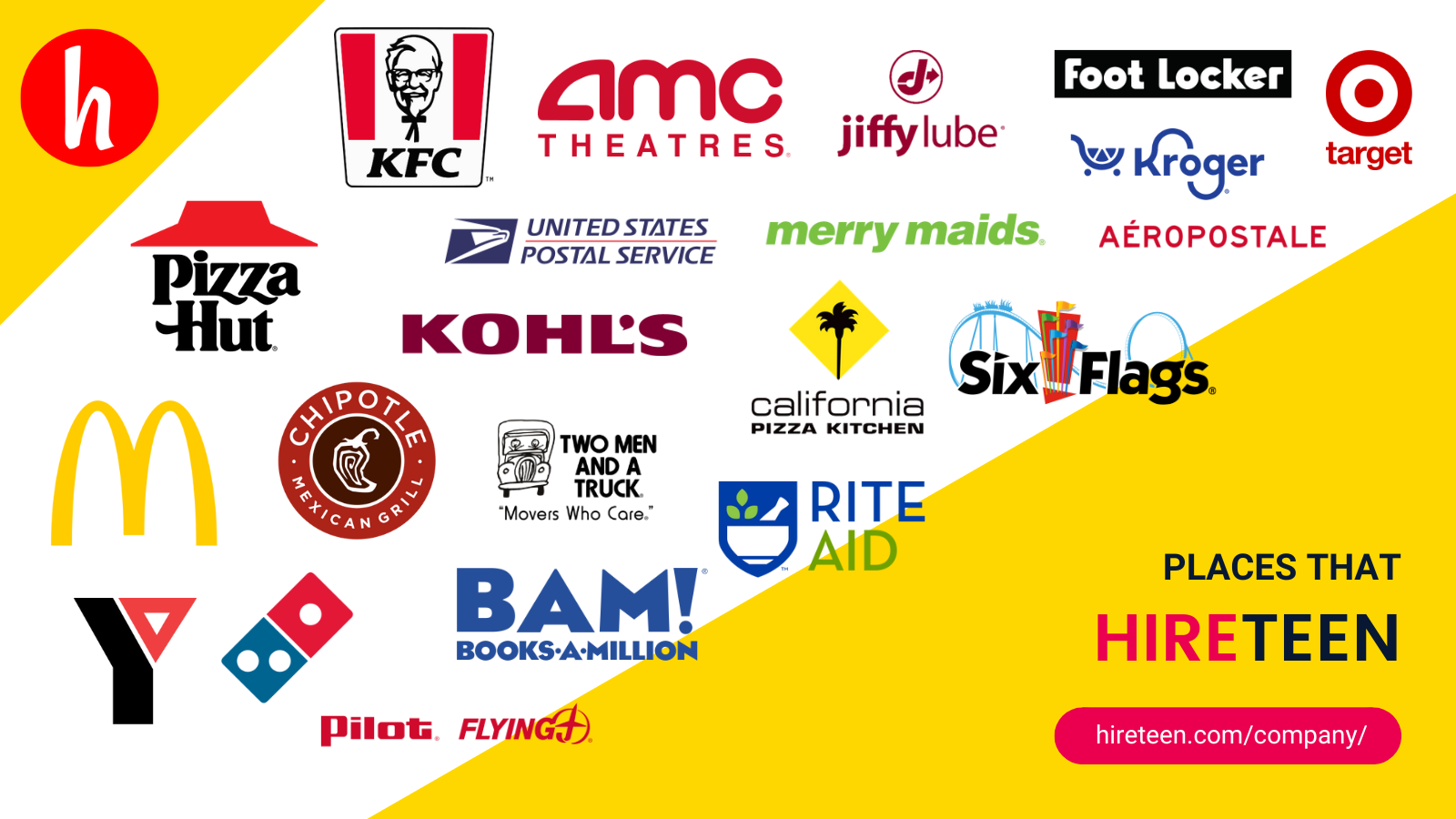
Understanding Youth Employment Laws in California
Before a 14-year-old can begin working in California, it’s imperative to understand the federal and state labor laws designed to protect young workers. These regulations dictate where, when, and how long minors can work, ensuring their safety and prioritizing their education.
Federal and State Regulations
At the federal level, the Fair Labor Standards Act (FLSA) sets the minimum age for employment at 14 for most non-agricultural jobs. It also specifies various restrictions on the types of jobs 14- and 15-year-olds can perform, generally prohibiting hazardous occupations or jobs involving manufacturing, mining, or processing. The FLSA aims to strike a balance, allowing minors to gain work experience while safeguarding their health, well-being, and educational opportunities.
California’s child labor laws are even more stringent than federal guidelines in many aspects, providing additional protections. The California Department of Industrial Relations (DIR) oversees these regulations, which cover everything from work permits to prohibited occupations. Employers in California must adhere to both federal and state laws, with the stricter of the two taking precedence. This commitment to protecting young workers means that while opportunities exist, they are carefully regulated.
Work Permits and Hour Restrictions
A key requirement for 14-year-olds seeking employment in California is obtaining a work permit. This document, officially known as a “Permit to Employ and Work,” is typically issued by the school district where the minor attends. The process usually involves the minor, their parents or guardians, and the prospective employer completing specific sections of an application. The school then verifies the minor’s academic standing and attendance before granting approval. This permit is crucial as it signifies that the school and parents approve of the employment, and it outlines the specific conditions under which the minor can work. Without a valid work permit, an employer cannot legally hire a 14-year-old.
Beyond the permit, strict rules govern working hours:
- During School Session: 14- and 15-year-olds can work a maximum of 3 hours on a school day and up to 18 hours in a school week. Work must be performed outside of school hours, and typically not before 7:00 AM or after 7:00 PM.
- During School Holidays and Vacations: The rules relax slightly during non-school periods, allowing up to 8 hours per day and 40 hours per week. The evening curfew extends to 9:00 PM.
These restrictions are paramount, reflecting California’s dedication to ensuring that employment does not interfere with a minor’s education or personal development. Employers found in violation of these laws face significant penalties.
Common Industries and Types of Jobs for 14-Year-Olds
While the legal framework sets boundaries, many industries in California are open to hiring 14-year-olds for suitable roles. These jobs often focus on light tasks, customer service, and support functions that align with federal and state regulations.
Retail and Grocery Stores
Smaller, independent retail establishments and local grocery stores are often more flexible in hiring younger employees compared to large corporate chains, which typically prefer workers aged 16 or older due to insurance policies and complex operational roles. For 14-year-olds, roles often involve:
- Stocking and Shelf Organizing: Arranging products, checking expiry dates, and ensuring aisles are neat.
- Bagging Groceries: Assisting customers at checkout by bagging their purchases.
- Cleaning and Maintenance: Light duties such as sweeping floors, wiping counters, or tidying display areas.
- Customer Service (Non-Cashier): Greeting customers, directing them to products, or assisting with basic inquiries.
Local boutiques, gift shops, and specialty food stores in towns like Santa Monica or Pasadena might be particularly receptive to hiring enthusiastic young workers for these support roles.
Food Service
The food service industry provides numerous entry-level opportunities, although roles involving heavy machinery, late-night shifts, or alcohol service are strictly prohibited for minors. Suitable positions include:
- Diners and Cafes: Bussing tables, washing dishes, food preparation (non-cooking, such as salad assembly), and cleaning.
- Ice Cream Shops and Bakeries: Serving customers, scooping ice cream, decorating simple pastries, and maintaining cleanliness.
- Fast-Casual Restaurants: Assisting with food prep, cleaning dining areas, and customer service.
Many family-owned restaurants or local eateries, often found in communities across California from San Diego to Sacramento, value the eager support that young workers can provide during peak hours.
Entertainment and Recreation
The entertainment sector, especially during summer breaks, can be a vibrant source of jobs for 14-year-olds, offering dynamic environments and often engaging work.
- Amusement Parks and Arcades: Operating games (non-hazardous), cleaning common areas, assisting guests, and distributing prizes.
- Movie Theaters: Cleaning theaters between showings, assisting with concessions (not handling cash or operating complex equipment), and guiding patrons.
- Bowling Alleys: Shoe rental, cleaning pins, and light maintenance.
- Miniature Golf Courses: Distributing clubs and balls, maintaining the course, and assisting guests.
These roles, especially in popular tourist destinations or local recreation spots, can provide enjoyable first job experiences, fostering a sense of community and teamwork.
Agricultural and Seasonal Work
While federal and state laws have specific, sometimes more lenient, rules for agricultural employment, opportunities for 14-year-olds in California’s vast agricultural sector are often limited to non-hazardous tasks. However, seasonal work tied to local produce stands or “pick-your-own” farms can be an option. These jobs might involve:
- Fruit Picking (Light Tasks): Harvesting berries or other delicate produce.
- Farm Stand Assistance: Setting up displays, bagging produce, and customer service.
These roles are often found in rural areas or during specific harvesting seasons, offering a direct connection to California’s rich agricultural heritage.

Community and Service Roles
Many community-focused organizations and public services also offer suitable positions for young workers, emphasizing civic engagement and service.
- Libraries: Shelving books, organizing materials, assisting with simple computer tasks, and helping with children’s programs.
- Community Centers: Assisting with event setup, basic administrative tasks, and supervising younger children during activities.
- Youth Sports Leagues: Umpiring for younger age groups, scorekeeping, or assisting coaches.
- Summer Camps: Counselor-in-training (CIT) roles, assisting camp staff, and helping with activities.
These opportunities, often found in local municipalities and non-profit organizations, allow 14-year-olds to contribute positively to their local neighborhoods, whether in Los Angeles or smaller towns across the state.
How to Find and Secure a Job at 14
Finding a first job requires a proactive approach and an understanding of how to present oneself effectively, even without extensive prior experience.
Crafting a Youthful Resume and Cover Letter
While a 14-year-old might not have a long list of previous jobs, a resume can still highlight relevant strengths:
- Contact Information: Name, phone, email (professional address, not a casual one).
- Objective Statement: A concise sentence explaining career goals and what the applicant seeks in a first job.
- Education: School name, current grade, and any relevant academic achievements or honors.
- Skills: List transferable skills like strong communication, computer literacy, teamwork, responsibility (from school projects, volunteer work, or extracurriculars).
- Volunteer Experience: Any involvement in community service, school events, or helping neighbors.
- Extracurricular Activities: Sports, clubs, music, or other interests that demonstrate dedication, discipline, and teamwork.
- References: A statement that references are available upon request, usually from teachers, coaches, or adult mentors (not family members).
A cover letter should express genuine interest in the specific job, explain why the applicant would be a good fit, and mention eagerness to learn. It’s an opportunity to convey enthusiasm and a strong work ethic.
Acing the Interview: Confidence and Professionalism
The interview is a chance for a 14-year-old to make a positive impression. Preparation is key:
- Dress Appropriately: Neat, clean attire (e.g., collared shirt, clean pants) shows respect.
- Research the Employer: Know what the business does and what the job entails.
- Practice Answering Questions: Common questions include “Why do you want to work here?”, “What are your strengths?”, “How do you handle responsibility?”, and “What are your interests outside of school?”.
- Ask Thoughtful Questions: Inquire about training, typical daily tasks, or team dynamics. This demonstrates engagement.
- Maintain Good Body Language: Make eye contact, offer a firm handshake, and sit up straight.
- Follow Up: Send a thank-you note or email within 24 hours of the interview, reiterating interest and appreciation.
Employers understand that 14-year-olds are new to the workforce, so they often prioritize attitude, willingness to learn, and reliability over extensive experience.
Networking and Local Resources
Often, the most effective way to find a first job is through personal connections and local community resources:
- Word of Mouth: Let friends, family, and neighbors know you’re looking for work. Many small businesses hire through referrals.
- Local Businesses: Directly visit businesses you’re interested in, ask to speak to a manager, and drop off a resume. This shows initiative.
- School Counselors: They often have leads on local job openings suitable for students and can help with work permit applications.
- Community Boards: Check bulletin boards at community centers, libraries, and local shops for job postings.
- Online Job Boards: While many larger platforms target older applicants, some local job boards or classifieds may have listings for younger workers.
Focusing on the immediate community in cities like Fresno or Oakland can often yield more personalized opportunities.
The Lifestyle Benefits of Early Employment
Securing a job at 14 is not just about earning a paycheck; it profoundly impacts a young person’s lifestyle, fostering growth, independence, and a strong foundation for the future.
Developing Essential Life Skills
Early employment is a powerful classroom for life skills that aren’t always taught in school:
- Responsibility and Accountability: Showing up on time, completing tasks diligently, and understanding consequences.
- Time Management: Balancing work, school, homework, and social life requires careful planning and discipline.
- Communication Skills: Interacting with colleagues, supervisors, and customers enhances verbal and non-verbal communication.
- Problem-Solving: Learning to address challenges independently and seek solutions.
- Teamwork: Collaborating with others towards common goals, understanding different roles and contributions.
These skills are invaluable, shaping a young person’s character and preparing them for future academic and professional endeavors.
Gaining Financial Literacy and Independence
Earning one’s own money provides practical lessons in financial management that are crucial for a healthy lifestyle:
- Budgeting: Learning to allocate earnings for savings, spending, and future goals.
- Saving: Understanding the importance of setting aside money for larger purchases or emergencies.
- Understanding Value: Appreciating the effort required to earn money changes perspectives on spending.
- Tax Awareness: While modest earnings may not incur significant taxes, it introduces the concept of income tax and deductions.
This early exposure to financial realities fosters a sense of independence and responsible money habits that will serve them throughout life.

Building a Foundation for Future Success
A first job lays groundwork far beyond immediate financial gains:
- Work Ethic: Cultivating diligence, perseverance, and a commitment to quality work.
- Professional Networking: While informal, interactions at work can build early professional connections.
- Resume Building: Even short-term positions provide valuable experience to list on future resumes and college applications.
- Self-Confidence: Successfully navigating a work environment boosts self-esteem and belief in one’s capabilities.
- Career Exploration: A first job can spark interest in a particular field or help rule out others, guiding future career paths.
In California, a state brimming with innovation and opportunity, an early start in the workforce for a 14-year-old is a significant lifestyle choice that contributes to personal development, financial acumen, and a robust foundation for future success.
LifeOutOfTheBox is a participant in the Amazon Services LLC Associates Program, an affiliate advertising program designed to provide a means for sites to earn advertising fees by advertising and linking to Amazon.com. Amazon, the Amazon logo, AmazonSupply, and the AmazonSupply logo are trademarks of Amazon.com, Inc. or its affiliates. As an Amazon Associate we earn affiliate commissions from qualifying purchases.