
Imagine waking up to a blanket of white in the Sunshine State. The very idea of snow falling in Florida conjures an image that seems almost mythical, a paradox against the backdrop of palm trees, sun-drenched beaches, and vibrant tropical foliage. Known globally as a haven for warmth, theme park adventures, and pristine coastlines, Florida’s identity is inextricably linked to its balmy climate. Yet, against all odds, snow has indeed graced the state on rare occasions, transforming its familiar landscapes into a fleeting, dreamlike spectacle. For locals, it’s a once-in-a-lifetime event, a story to be told for generations. For visitors, it’s a revelation, challenging preconceived notions of this quintessential holiday destination.
The allure of Florida lies in its consistent warmth, making it a prime escape for those seeking respite from colder climes. Travelers flock to its shores year-round, eager to experience its diverse offerings, from the magical realms of Orlando‘s theme parks to the serene natural beauty of the Florida Keys. The very thought of snow, a symbol of winter’s chill, seems utterly alien to this tropical paradise. This rarity, however, only heightens the intrigue surrounding these extraordinary weather events. What conditions conspire to bring snow to a place so famous for its sunshine? And what happens when this icy phenomenon briefly touches down, disrupting and delighting the locals and any lucky visitors caught in its whimsical embrace? Delving into the history of snow in Florida offers not just a meteorological curiosity but a unique perspective on the state’s vibrant character and its surprising encounters with the unexpected.

The Unforgettable Spectacle: Florida’s Rare Snowfalls
While snow is a common occurrence across much of the United States during winter, its appearance in Florida is a meteorological anomaly that captures headlines and sparks widespread excitement. These events are so infrequent that they become indelible memories for those who witness them, often marking a shared experience that transcends the usual seasonal norms. The rarity makes each instance a truly special and often disruptive event, leading to school closures, traffic disruptions, and a flurry of impromptu snowball fights among delighted residents.
A Glimpse into the Past: Key Snow Events
To understand the last time snow fell in Florida, one must journey back through its weather annals, discovering moments when the tropical façade gave way to a delicate, icy dusting. The state’s history contains a handful of notable snowfalls, each significant due to its extent and impact.
One of the most memorable and widespread snow events occurred on January 19, 1977. This date is etched in the minds of many Floridians, as it was the first time in recorded history that snow fell as far south as Miami. While the accumulation was minimal – often just a light dusting on car windshields and grassy patches – the mere sight of snowflakes in South Florida was enough to cause a sensation. From Jacksonville in the north down to Homestead near the southern tip, virtually the entire state saw some form of frozen precipitation. Schools were closed in many areas, and commuters stopped their cars to witness the unbelievable sight, creating an atmosphere of impromptu celebration and wonder. The cold front that brought this historic snowfall was exceptionally strong, pushing Arctic air deep into the peninsula.
Another significant cold snap, though less widespread than 1977, brought snow to parts of Florida in December 1989. This event primarily affected the northern and central regions of the state. On December 22nd, areas like Jacksonville received several inches of snow, blanketing trees and rooftops in a picturesque, albeit temporary, winter scene. Tallahassee, the state capital, also saw a substantial accumulation, transforming its usually verdant landscapes into a frosty wonderland. Even parts of Orlando and Tampa reported flurries, though little to no accumulation. This cold front was notable for its severity, causing widespread freezes that impacted agriculture, particularly the citrus industry, which is a vital part of Florida’s economy.
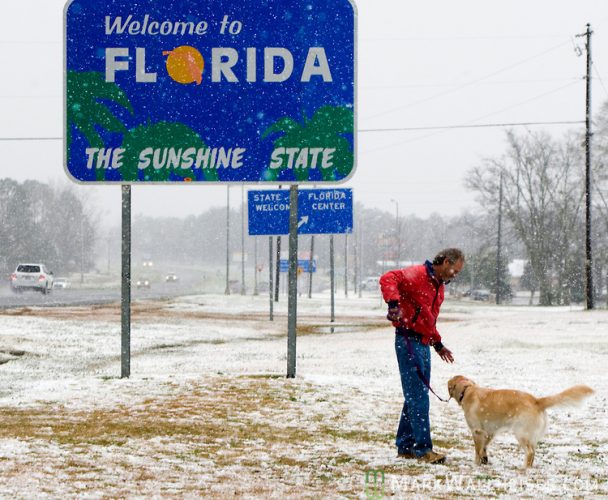
The most recent instance of measurable snow in Florida occurred on January 3, 2018. While not as extensive as the 1977 event, this snowfall captivated residents of North Florida and the Panhandle. Tallahassee once again saw significant snowfall, with accumulations ranging from 0.1 to 0.2 inches, marking its first measurable snowfall in almost three decades. Roads became treacherous, leading to closures and advisories, and the city temporarily ground to a halt as locals ventured out to experience the rare phenomenon. The sight of snow-covered Spanish moss and palm trees against the backdrop of historic buildings in Tallahassee created truly unique and Instagram-worthy moments, serving as a powerful reminder of nature’s unpredictable artistry.
The Science Behind the Scarcity
The scarcity of snow in Florida is primarily due to its geographical location and prevailing weather patterns. Situated in the southeastern United States, much of Florida falls within a subtropical climate zone. For snow to fall, a very specific set of conditions must align, a convergence that rarely happens simultaneously in the Sunshine State.
Firstly, temperatures need to be at or below freezing (32°F or 0°C) throughout the entire column of the atmosphere, from the clouds to the ground. While cold fronts can certainly bring ground temperatures below freezing to Florida, it’s far less common for the upper atmosphere to remain cold enough for snowflakes to form and persist without melting into rain before reaching the surface. Secondly, there must be sufficient moisture in the air to create precipitation. Florida is known for its humidity, particularly during the warmer months, but during the colder periods when Arctic air masses typically descend, these air masses are often dry. This combination of bitterly cold, dry air is usually not conducive to heavy snowfall.

The rare snow events typically occur when an unusually strong Arctic air mass penetrates deep into the Florida peninsula, bringing temperatures well below average. Concurrently, a low-pressure system often develops along the Gulf Coast or Atlantic Coast, drawing moisture into the cold air. When these two systems perfectly synchronize, the result can be a fleeting dusting of snow, transforming the familiar green and blue landscape into a temporary white canvas. However, even when these conditions align, the duration of the snowfall is typically brief, and the accumulation is usually light, quickly melting under the returning sunshine.
Beyond the Flurries: Experiencing Florida’s Year-Round Allure
While a dusting of snow in Florida remains a captivating anomaly, the true essence of the Sunshine State lies in its consistent warmth and an unparalleled array of attractions that beckon travelers throughout the year. The state’s reputation as a premier travel destination is built upon its vibrant cities, world-class theme parks, stunning natural landscapes, and rich cultural tapestry. For those planning a trip, focusing on these reliable charms is the best way to craft an unforgettable Florida experience, free from the highly improbable hope of snowflakes.
Sun-Kissed Shores and Aquatic Adventures
Florida’s coastline is legendary, boasting thousands of miles of pristine beaches and sparkling waters that cater to every type of aquatic enthusiast. From the energetic atmosphere of South Beach in Miami Beach, famous for its Art Deco architecture, vibrant nightlife, and celebrity sightings, to the family-friendly shores of Clearwater Beach on the Gulf Coast, consistently ranked among the best beaches in the United States, there’s a patch of sand for everyone.
Further south, the Florida Keys offer a distinctly unique island vibe. Stretching over 120 miles from Key Largo to Key West, this chain of tropical islands is a paradise for snorkeling, diving, fishing, and boating. Explore vibrant coral reefs teeming with marine life, kayak through mangrove tunnels, or simply relax and enjoy breathtaking sunsets. Key West, the southernmost point of the continental United States, is a hub of culture, history, and bohemian charm, famous for its lively Duval Street and historic landmarks. Beyond the mainland, the remote Dry Tortugas National Park offers a pristine escape, accessible only by ferry or seaplane, where historic Fort Jefferson guards crystal-clear waters perfect for snorkeling.
Thrills, Magic, and Iconic Landmarks
No discussion of Florida travel is complete without mentioning its world-renowned theme parks. Orlando is undeniably the global capital of theme park entertainment, home to the sprawling Walt Disney World Resort. With its four distinct parks – Magic Kingdom, Epcot, Hollywood Studios, and Animal Kingdom – plus two water parks and countless dining and entertainment options, Walt Disney World Resort offers an immersive experience for families and adults alike. Nearby, Universal Orlando Resort delivers adrenaline-pumping rides and immersive worlds, including the wildly popular Wizarding World of Harry Potter across its Universal Studios Florida and Islands of Adventure parks, complemented by the tropical oasis of Universal’s Volcano Bay water park. Other major attractions include SeaWorld Orlando and LEGOLAND Florida Resort, ensuring there’s a park for every interest.
Beyond the theme parks, Florida boasts a wealth of other captivating landmarks and attractions. The Kennedy Space Center Visitor Complex on the Space Coast offers a fascinating glimpse into space exploration, with opportunities to see real rockets, meet veteran astronauts, and even witness a live rocket launch. For history buffs, St. Augustine, the nation’s oldest continuously inhabited European-established settlement, provides a rich historical experience. Wander through its cobblestone streets, explore the imposing Castillo de San Marcos, and discover centuries of history. Nature lovers will find solace in the vast wilderness of Everglades National Park, a unique wetland ecosystem home to alligators, panthers, and diverse bird species.
Dive into Local Culture and Culinary Delights
Florida’s culture is as diverse as its landscapes, heavily influenced by its geographical position and historical connections. Miami stands out as a vibrant melting pot of Latin and Caribbean cultures, particularly evident in its renowned Little Havana neighborhood. Here, you can immerse yourself in Cuban heritage, enjoying strong coffee, authentic cuisine, and the sounds of salsa music. Art and design thrive in districts like Wynwood, known for its incredible street art and galleries.
The state’s culinary scene is a feast for the senses. Fresh seafood is a staple, with specialties like Florida stone crab claws (seasonal), fresh snapper, and succulent shrimp available in abundance, especially along the Gulf Coast in places like Naples and Sarasota. The iconic Key lime pie is a must-try dessert, especially when visiting the Florida Keys, offering a perfect balance of tart and sweet. Beyond seafood, Florida’s diverse population has contributed to a rich tapestry of international cuisines, from authentic Cuban sandwiches to gourmet farm-to-table experiences in cities like Orlando and Palm Beach.
Planning Your Perfect Sunshine State Getaway
Making the most of a trip to Florida involves careful planning, particularly when it comes to accommodation and navigating the state’s vast offerings. Given its year-round appeal, Florida caters to all types of travelers, from luxury seekers to budget-conscious families.
Choosing Your Ideal Accommodation
Florida’s accommodation landscape is as varied as its attractions. For those seeking luxury and indulgence, cities like Palm Beach and Miami Beach offer iconic resorts such as The Breakers Palm Beach and Fontainebleau Miami Beach, providing world-class amenities, exquisite dining, and unparalleled service. These resorts often feature private beaches, championship golf courses, and lavish spas, perfect for a high-end travel experience.
Family travelers heading to Orlando will find an abundance of family-friendly hotels and resorts, many offering complimentary shuttle services to theme parks, kids’ clubs, and extensive pool complexes. Vacation rentals, including apartments and villas, are also popular, particularly for longer stays or larger groups, offering more space and flexibility. For budget-conscious travelers, numerous hotels and motels across the state provide comfortable and affordable options without compromising on convenience. Boutique hotels in historic districts like St. Augustine or vibrant neighborhoods like South Beach offer a more unique and personalized experience, reflecting local culture and charm. Whether you’re looking for an all-inclusive resort, a cozy bed and breakfast, or a modern city hotel, Florida has an accommodation option to suit every preference and lifestyle. Utilizing booking platforms and comparison sites can help secure the best deals, especially during peak travel seasons.
Navigating the Sunshine State
Getting around Florida is relatively straightforward, though a car is often essential for exploring beyond major city centers. The state has an extensive network of interstates and scenic highways, making road trips a popular way to experience its diverse regions. Rental cars are readily available at all major airports, including Orlando International Airport, Miami International Airport, and Tampa International Airport.
For those preferring not to drive, ride-sharing services are prevalent in urban areas and around theme parks. Public transportation options vary by city; Miami offers a comprehensive public transport system including the Metromover and Metrorail, while other cities might rely more on bus services. For travel between major cities, regional airlines offer convenient connections, and Amtrak provides limited rail service.
When to visit largely depends on your priorities. The winter months (December to February) offer pleasant, cooler temperatures, ideal for outdoor activities, but also mark the peak tourist season, especially for snowbirds escaping colder climates. Spring (March to May) and fall (September to November) provide a balance of good weather and fewer crowds, making them excellent times for a visit. Summers (June to August) are hot and humid, with frequent afternoon thunderstorms, but also offer the best deals on accommodations and a lively atmosphere around the theme parks. Regardless of when you choose to visit, Florida’s vibrant tourism industry ensures that resources, guides, and tips are readily available to help you plan your perfect trip.
In conclusion, while the rare phenomenon of snow in Florida is a fascinating footnote in its weather history, it is the state’s enduring sunshine, diverse attractions, and welcoming atmosphere that truly define it. From the thrilling rides of Orlando to the tranquil beauty of the Florida Keys, and the cultural vibrancy of Miami, Florida offers an unparalleled travel experience that consistently delivers warmth, adventure, and relaxation, far removed from any fleeting flurries.
LifeOutOfTheBox is a participant in the Amazon Services LLC Associates Program, an affiliate advertising program designed to provide a means for sites to earn advertising fees by advertising and linking to Amazon.com. Amazon, the Amazon logo, AmazonSupply, and the AmazonSupply logo are trademarks of Amazon.com, Inc. or its affiliates. As an Amazon Associate we earn affiliate commissions from qualifying purchases.