
To ask “How big is California Disneyland?” is to inquire about more than just its physical footprint. It’s to delve into a sprawling universe of imagination, meticulously designed to transport millions of visitors annually. Disneyland, often referred to as “The Happiest Place on Earth,” isn’t merely a theme park; it’s a comprehensive resort encompassing multiple parks, a vibrant entertainment district, a trio of world-class hotels, and extensive infrastructure to support its operation. Its size isn’t just measured in acres but in its capacity to create immersive experiences, its economic impact on Southern California, and the sheer scale of the logistical ballet required to welcome guests from across the globe every single day.
For travelers, navigating a destination of this magnitude requires a strategic approach. From selecting the perfect accommodation to understanding the sheer amount of ground you’ll cover, every aspect of your trip is influenced by Disneyland’s impressive scale. This article will explore the multi-faceted “bigness” of the Disneyland Resort, providing insights that are crucial for planning an unforgettable visit, whether you’re a first-timer or a seasoned Disney enthusiast. We’ll look at its tangible dimensions, the operational scale, the implications for your daily itinerary, and how the vast array of surrounding hotels and tourism opportunities fit into this grand picture.
The Tangible Footprint: Measuring the Magic
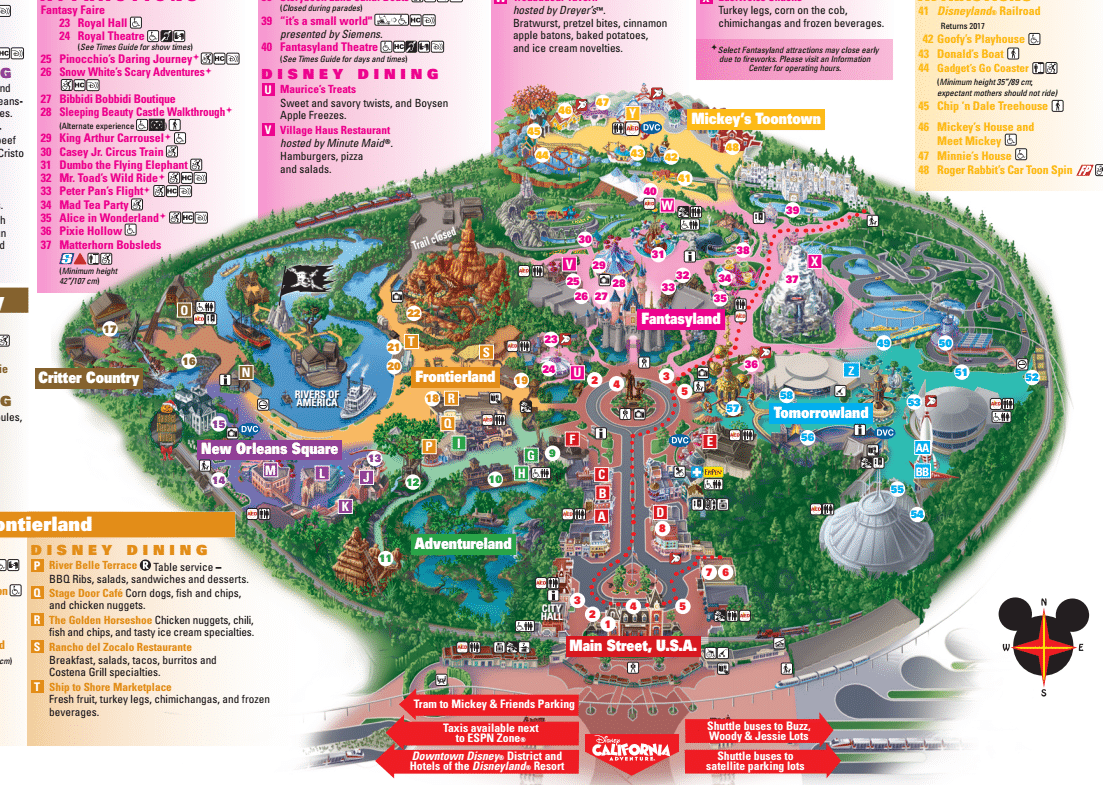
When we talk about the physical dimensions of Disneyland, it’s essential to distinguish between the individual parks and the broader Disneyland Resort property. The entire Resort is a massive undertaking, sprawling across hundreds of acres and forming a significant part of the city of Anaheim, California. Understanding these different scales is the first step in appreciating the true magnitude of this iconic destination.
A Resort Sprawling with Dreams
The entire Disneyland Resort property, including its two theme parks, three hotels, Downtown Disney District, and expansive parking structures, occupies approximately 500 acres. To put that into perspective, 500 acres is roughly equivalent to two square kilometers or about 375 football fields. This vast expanse ensures that there’s ample space for meticulously themed lands, intricate ride systems, dining establishments, retail outlets, and the necessary behind-the-scenes operations that keep the magic flowing.
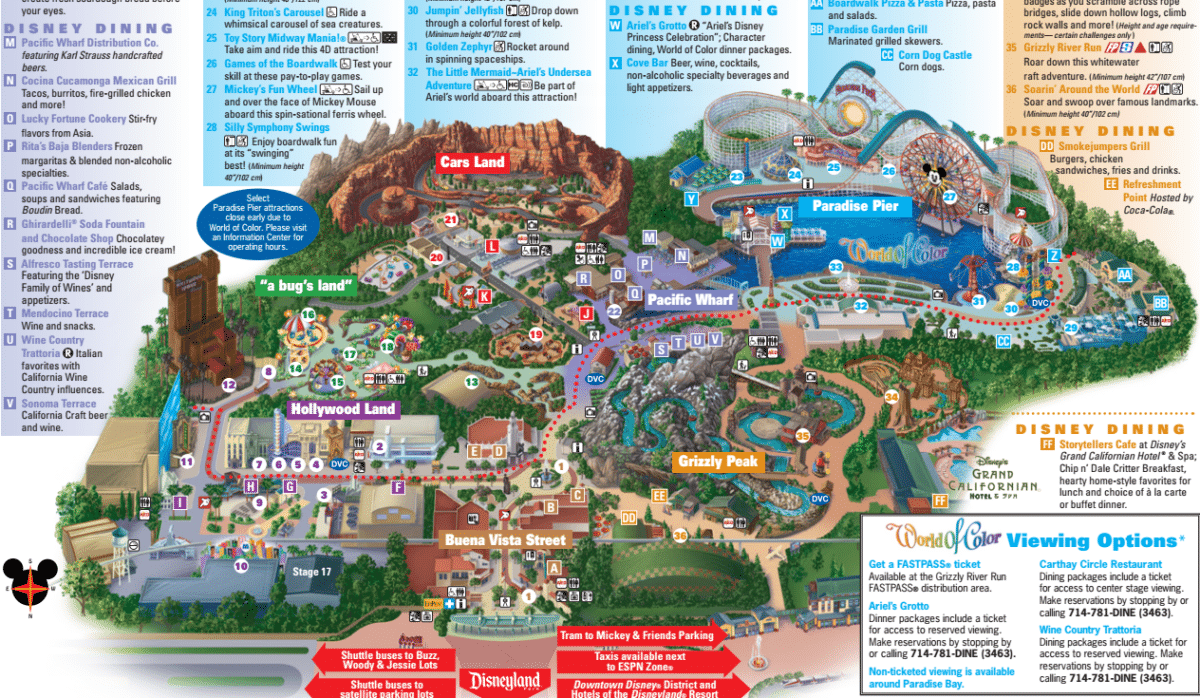
Within this impressive acreage, the two main theme parks have their own distinct sizes. Disneyland Park, the original park opened in 1955, covers about 85 acres. Despite being the smaller of the two parks in terms of area, it feels incredibly dense with attractions and iconic landmarks. Its design is a masterpiece of forced perspective and efficient use of space, making every corner feel purposeful and immersive. Just across the esplanade, Disney California Adventure Park is significantly larger, spanning approximately 72 acres. Its design is more open, with wider pathways in certain areas, allowing for larger show elements and different guest flow patterns. The remaining acreage is dedicated to the Downtown Disney District (a vibrant outdoor shopping, dining, and entertainment promenade), the three official Disney hotels, and the extensive parking facilities, including the massive Mickey & Friends Parking Structure and Pixar Pals Parking Structure which can collectively hold thousands of vehicles.
Beyond Acreage: Rides, Restaurants, and Retail
The “bigness” of Disneyland also manifests in its operational scale and the sheer volume of experiences it offers. Across both Disneyland Park and Disney California Adventure Park, visitors can find well over 60 attractions ranging from thrilling roller coasters and dark rides to gentle boat voyages and interactive experiences. Each park is home to dozens of unique dining locations, from quick-service snack carts to upscale table-service restaurants, catering to every palate and dietary need. The retail landscape is equally vast, with hundreds of shops selling everything from souvenirs and apparel to collectibles and personalized items.
To manage this colossal operation, the Disneyland Resort employs tens of thousands of “Cast Members” – a term used for all employees, from ride operators and entertainers to chefs and custodial staff. This massive workforce is essential for maintaining the magic, ensuring safety, and providing the renowned Disney level of customer service. The Resort’s capacity to welcome visitors is also immense, with hundreds of thousands passing through its gates on peak days and millions annually. This immense scale requires constant maintenance, daily cleaning, and continuous innovation, making it a living, breathing entity that constantly evolves. The combined sensory experience – the sights, sounds, smells, and tastes – contributes to an overwhelming feeling of immersive bigness that goes far beyond simple measurements.
Navigating the Grand Scale: Planning Your Visit
The expansive nature of the Disneyland Resort means that a successful visit requires more than just showing up. Strategic planning is crucial to maximize your time, minimize fatigue, and ensure you experience as much magic as possible. The size impacts everything from how much walking you’ll do to how you manage your day between attractions, dining, and shows.
The Physical Demands of Exploration
One of the most significant aspects of Disneyland’s size for visitors is the amount of walking involved. Even though the parks may seem manageable on a map, a typical day at Disneyland Park or Disney California Adventure Park can easily involve covering 5 to 10 miles (8 to 16 kilometers) on foot. For guests visiting both parks over multiple days, these distances quickly add up. This makes comfortable footwear an absolute necessity. It also highlights the importance of incorporating rest breaks, whether it’s finding a bench in a quiet corner, enjoying a sit-down meal, or catching a show that allows you to relax off your feet.
For families with young children, the physical demands are even greater. Strollers are practically a requirement for toddlers and young kids, and rental options are available at the parks for convenience. Understanding the park layouts and the distances between popular attractions can help in planning efficient routes, reducing unnecessary backtracking. Disneyland is also incredibly accommodating for guests with mobility challenges, offering services like Electric Conveyance Vehicles (ECVs) and wheelchairs for rent, as well as designated accessible routes and viewing areas for parades and shows. The sheer size dictates that guests should be prepared for a physically active day, making hydration and pacing oneself vital components of a successful strategy.
Strategic Planning for Seamless Experiences
Given the vast number of attractions and dining options, planning becomes an art form. Modern tools like the official Disneyland mobile app are indispensable. It provides real-time wait times, park maps, mobile food ordering, and the ability to make dining reservations. Features like Genie+ and individual Lightning Lane purchases are designed to help guests navigate the crowds and reduce wait times for popular attractions, essentially allowing you to fit more experiences into your day than would otherwise be possible. Park hopping, the ability to visit both Disneyland Park and Disney California Adventure Park on the same day (after 11:00 AM), is another feature heavily influenced by the proximity of the two parks and requires strategic timing to make the most of.
Multi-day tickets are almost a necessity for truly experiencing the breadth of what the Resort has to offer. Trying to see everything in a single day across both parks is virtually impossible due to their size and the number of attractions. Guests often dedicate one full day to Disneyland Park and another to Disney California Adventure Park, or opt for three or four-day passes to allow for a more relaxed pace, repeat rides, and the chance to enjoy shows, parades, and character interactions without feeling rushed. Planning your visit around typical crowd levels, understanding peak seasons, and utilizing early entry (a perk for guests staying at official Disneyland Resort hotels) can significantly enhance your experience by allowing you to tackle popular rides before the main crowds arrive.
Accommodating the Masses: Hotels and Stays
The sheer size of the Disneyland Resort not only influences what you do inside the parks but also where you choose to stay. The options range from luxurious on-site properties offering unparalleled proximity and perks to a vast array of off-site hotels that cater to various budgets and preferences, predominantly located within walking distance or a short shuttle ride away in Anaheim.
On-Site Luxury and Convenience
Staying at one of the three official Disneyland Resort hotels provides an unmatched level of immersion and convenience, largely due to their strategic location within the Resort’s expansive footprint. These include the iconic Disneyland Hotel, the craftsman-style elegance of Disney’s Grand Californian Hotel & Spa, and the newly re-imagined Pixar Place Hotel.
Disney’s Grand Californian Hotel & Spa boasts a private entrance directly into Disney California Adventure Park and is a short walk to Downtown Disney District and Disneyland Park. This unparalleled proximity is a massive advantage, especially for families with young children or those who appreciate the ability to easily return to their room for a mid-day rest or pool break. The Disneyland Hotel, a classic since 1955, is also within easy walking distance or a short Monorail ride away, offering a nostalgic charm and fantastic themed pools. Pixar Place Hotel, formerly Disney’s Paradise Pier Hotel, provides a more contemporary Disney experience with its Pixar theme and fantastic views. Beyond convenience, guests at these hotels enjoy perks like early entry into the parks, allowing access to select attractions before the general public, and package delivery services, enhancing the overall experience and making the most of every minute in the vast Resort. While these hotels come with a premium price tag, their convenience and exclusive amenities often justify the cost for those seeking a truly immersive and effortless Disney vacation.
A Plethora of Nearby Options in Anaheim
For travelers seeking more budget-friendly or diverse accommodation options, the area surrounding the Disneyland Resort in Anaheim is dotted with a seemingly endless number of “Good Neighbor” hotels. These properties range from basic motels to upscale boutique hotels and apartment-style suites, many of which are located just across the street or a short walk from the main entrance gates.
The concentration of these hotels is a testament to the sheer volume of visitors Disneyland attracts, making Anaheim a major tourism hub. Many offer complimentary shuttle services to the Resort, further simplifying transportation. When choosing an off-site hotel, considerations often include walking distance, availability of family suites, complimentary breakfast, and amenities like pools or kitchenettes. While they might lack the direct “Disney magic” of the official Resort hotels, they provide excellent value and flexibility. The vast scale of Disneyland indirectly supports a thriving local hotel industry, offering guests a wide spectrum of choices to match their lifestyle and budget requirements without compromising on access to the parks.
Lifestyle & Logistics: Tailoring Your Disneyland Adventure
The sheer size and complexity of the Disneyland Resort mean that it can be experienced in countless ways, catering to diverse travel styles and budgets. Whether you envision a lavish escape or an economical family adventure, understanding the logistics and tailoring your trip is key to a fulfilling visit.
Crafting Your Perfect Itinerary
For those indulging in luxury travel, Disneyland offers premium experiences that elevate the visit. This might include staying at Disney’s Grand Californian Hotel & Spa with its upscale dining at Napa Rose or Storytellers Cafe, booking a VIP tour guide who customizes your day and grants expedited access to attractions, or reserving prime seating for parades and nighttime spectaculars. Such a lifestyle approach minimizes the physical demands and maximizes convenience, offering a seamless, pampered experience of the vast Resort.
Conversely, budget travel to Disneyland is entirely feasible. This involves opting for off-site accommodation (perhaps a suite with a kitchenette to prepare some meals), bringing your own snacks and drinks into the parks, and utilizing quick-service dining options. Strategic planning, like taking advantage of early morning hours to hit popular rides and packing a lunch, can significantly reduce costs. Even on a budget, the breadth of experiences available ensures a magical visit, albeit one that requires more careful planning and perhaps more walking.
Family trips often center around the younger members, focusing on character meet-and-greets, age-appropriate rides, and the parade experience. The Resort’s size means there are dedicated areas like Fantasyland in Disneyland Park or Cars Land in Disney California Adventure Park that cater specifically to children. Using stroller rentals, planning mid-day breaks back at the hotel, and utilizing mobile ordering for food can make navigating the large parks much easier for families. For solo or couple adventures, the flexibility is immense. You can focus on thrill rides, explore specific themed areas at a leisurely pace, or enjoy the vibrant nightlife of Downtown Disney District and fine dining without the constraints of a larger group. The size of Disneyland ensures that every kind of traveler can find their niche and create a personalized itinerary.
Beyond the Gates: Disneyland’s Influence on Southern California Tourism
While the Disneyland Resort is a self-contained world, its immense size and popularity make it a primary gateway to broader Southern California tourism. Many visitors extend their stay to explore other iconic destinations in the region. The proximity of Anaheim to stunning California beaches like Huntington Beach or Laguna Beach, the entertainment capital of Hollywood, the vibrant cultural scene of Orange County, and the natural beauty of National Parks provides endless possibilities for multi-destination travel.
A trip to Disneyland can easily be combined with visits to Universal Studios Hollywood, the San Diego Zoo, or a scenic drive down the Pacific Coast Highway. This broader regional appeal further emphasizes the “bigness” of the Disney phenomenon – it doesn’t just dominate its immediate surroundings but acts as a powerful anchor for the entire Southern California tourism industry. Savvy travelers often plan for a few days at the Resort followed by a few days exploring outside its magical gates, making for a comprehensive and diverse vacation experience that taps into the full spectrum of lifestyle and travel interests.
In conclusion, the question “How big is California Disneyland?” reveals a multifaceted answer. It’s a 500-acre marvel of engineering and imagination, hosting two theme parks, three hotels, and a dynamic entertainment district. It’s also an operational behemoth, employing thousands and welcoming millions, demanding strategic planning and comfortable shoes from every guest. Its size dictates accommodation choices, from luxurious on-site resorts to budget-friendly hotels in Anaheim. Ultimately, the “bigness” of Disneyland is its incredible capacity to deliver diverse, magical experiences tailored to every lifestyle and budget, making it an enduring and expansive landmark in the world of travel and tourism. Planning your visit with an awareness of its scale will undoubtedly lead to a more enjoyable and memorable adventure in “The Happiest Place on Earth.”
LifeOutOfTheBox is a participant in the Amazon Services LLC Associates Program, an affiliate advertising program designed to provide a means for sites to earn advertising fees by advertising and linking to Amazon.com. Amazon, the Amazon logo, AmazonSupply, and the AmazonSupply logo are trademarks of Amazon.com, Inc. or its affiliates. As an Amazon Associate we earn affiliate commissions from qualifying purchases.