
The allure of San Luis Obispo often beckons those venturing from the sprawling metropolis of Los Angeles. As a popular weekend getaway and a charming stop on the scenic California coast, understanding the travel distance is paramount for planning. This exploration delves into the specifics of navigating between these two Californian gems, considering various travel methods and the unique experiences each journey offers.
Understanding the Distance and Travel Time
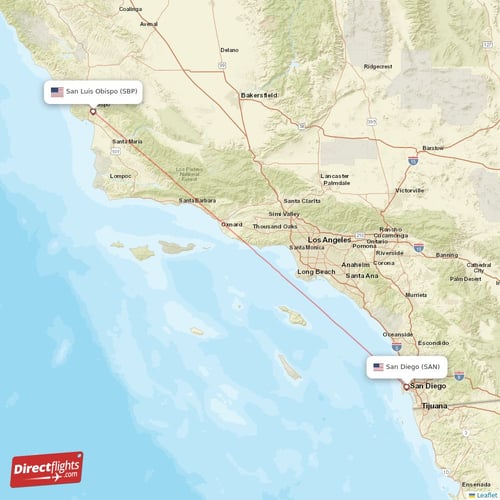
The direct geographical distance between Los Angeles and San Luis Obispo is approximately 180 to 200 miles, depending on the precise starting and ending points within each city. This mileage translates into a substantial driving time, which can vary significantly due to traffic conditions, particularly when departing from or arriving in the Los Angeles area.
Driving: The Most Popular Route
The most common and often preferred method of travel between Los Angeles and San Luis Obispo is by car. The primary route involves taking the US Route 101 North. This highway offers a generally pleasant drive, passing through diverse Californian landscapes that range from agricultural fields to rolling hills and coastal vistas.
- Average Driving Time: Under ideal conditions, the drive can take anywhere from 3 to 3.5 hours. However, it is crucial to factor in potential delays.
- Traffic Considerations: Leaving Los Angeles during peak hours, such as weekday mornings or Friday afternoons, can significantly extend travel time, sometimes adding an hour or more. Similarly, arriving in Los Angeles on a Sunday evening can present similar challenges. Planning to travel mid-week or during off-peak hours is highly recommended for a smoother journey.
- Scenic Detours: While US Route 101 is the most direct path, adventurous travelers might consider incorporating segments of the iconic Pacific Coast Highway (CA-1). This can add considerable time but rewards with breathtaking ocean views and charming coastal towns like Santa Barbara and Solvang. These detours are best suited for those with ample time to explore and enjoy the journey itself.
Flying: A Quicker, Though Less Direct, Option
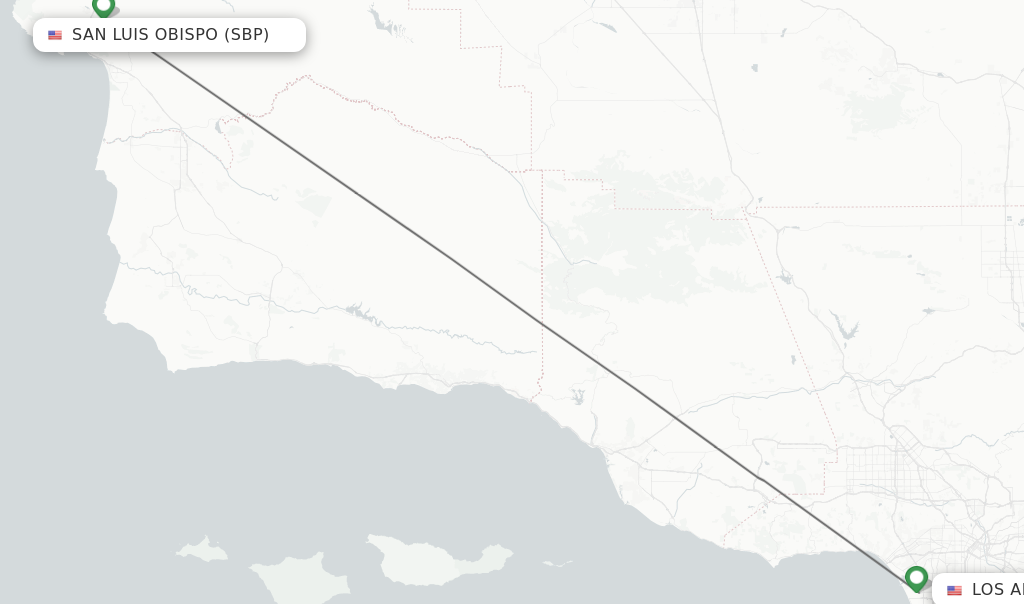
For those prioritizing speed over the scenic route, flying is an option, though it requires an extra step. There is no direct commercial flight service between Los Angeles and San Luis Obispo. Travelers would typically fly from one of Los Angeles’ major airports, such as Los Angeles International Airport (LAX), Hollywood Burbank Airport (BUR), or John Wayne Airport (SNA), to the San Luis Obispo County Regional Airport (SBP).
- Flight Duration: Direct flights, if available with connecting carriers, are typically around 1 hour.
- Total Travel Time: When factoring in travel to the airport, security checks, boarding, deplaning, and then transportation from San Luis Obispo County Regional Airport to the final destination in San Luis Obispo, the overall time can often rival or even exceed the driving time.
- Airport Logistics: San Luis Obispo County Regional Airport is a smaller facility, offering a more relaxed experience compared to major hubs. However, flight schedules can be less frequent. Rental cars are available at SBP for onward travel.
Bus and Train: Relaxed Travel Alternatives
For travelers who prefer not to drive or fly, public transportation offers viable, albeit slower, alternatives. These options allow passengers to relax, enjoy the scenery, and avoid the stress of traffic.
- Amtrak Train: The Amtrak Pacific Surfliner service provides a scenic rail connection. The journey typically involves a transfer, often in Santa Barbara, and the total travel time can range from 5 to 7 hours. The advantage is the ability to sit back, enjoy coastal views, and perhaps work or read during the trip. The train station in San Luis Obispo is conveniently located downtown.
- Intercity Buses: Several bus companies, such as FlixBus and Greyhound, offer routes between Los Angeles and San Luis Obispo. Travel times generally range from 4 to 6 hours, depending on the number of stops and traffic. Bus services are often more budget-friendly than train or air travel.
Factors Influencing Travel Time
Several critical factors can influence how long it takes to travel from Los Angeles to San Luis Obispo. Understanding these elements can help travelers optimize their journey and set realistic expectations.
Time of Day and Day of Week
As previously mentioned, the timing of your departure is arguably the most significant factor affecting travel time.
- Weekdays: Commute hours (roughly 6-9 AM and 3-7 PM) in the Los Angeles basin can add considerable time to the journey. Traveling outside these windows is advisable.
- Weekends: Friday afternoons and evenings are notoriously busy as people leave the city for weekend escapes. Sundays, particularly late afternoons and evenings, can see heavy southbound traffic returning to Los Angeles.
- Holidays: Major holiday weekends will invariably lead to increased traffic volume and longer travel times.
Route Choice and Potential Stops
The specific route taken and any planned stops will naturally alter the overall travel duration.
- Direct Route: Sticking to US Route 101 without significant detours offers the most straightforward path.
- Scenic Routes: Opting for segments of the Pacific Coast Highway (CA-1) will add substantial time, as these roads are often slower and windier.
- Planned Stops: If you intend to visit popular intermediate destinations like Santa Barbara for lunch or a stroll, or make a detour to Solvang for its Danish charm, these planned stops will extend your overall travel day.
Vehicle Type and Condition
While less impactful than traffic, the vehicle you are driving can play a minor role.
- Fuel Efficiency: For longer drives, a fuel-efficient vehicle can reduce the need for frequent gas stops, subtly saving time.
- Vehicle Condition: Ensuring your vehicle is in good working order can prevent unexpected delays due to breakdowns.
Preparing for Your Journey
A well-prepared journey from Los Angeles to San Luis Obispo ensures a more enjoyable and less stressful experience.
Pre-Trip Planning and Navigation Tools
- Navigation Apps: Utilize real-time traffic applications like Google Maps or Waze. These tools provide up-to-the-minute traffic information, suggest alternative routes to avoid congestion, and offer accurate estimated arrival times.
- Route Research: Familiarize yourself with the primary route (US Route 101) and any potential scenic alternatives if time permits.
- Accommodation Booking: If staying overnight in San Luis Obispo, book your accommodation in advance, especially during peak seasons or weekends. Popular choices include boutique hotels in the downtown area and charming inns.
Packing Essentials for the Drive
- Snacks and Drinks: For longer drives, having a cooler with refreshments and snacks can enhance comfort and reduce the need for unscheduled stops at service stations.
- Entertainment: Download playlists, podcasts, or audiobooks to make the drive more engaging.
- Comfort Items: Consider a travel pillow or blanket for added comfort, especially if traveling by bus or train.
- Emergency Kit: A basic emergency kit with jumper cables, a first-aid kit, and a flashlight is always a prudent addition for any road trip.

Vehicle Checks
Before embarking on your drive, a quick vehicle check can prevent potential issues.
- Tire Pressure: Ensure tires are properly inflated.
- Fluid Levels: Check oil, coolant, and windshield washer fluid levels.
- Fuel: Start with a full tank of gas.
By carefully considering these factors and engaging in thorough preparation, travelers can transform the journey from Los Angeles to San Luis Obispo into a seamless and pleasant part of their California adventure. Whether seeking the vibrant energy of Los Angeles or the relaxed charm of San Luis Obispo, the approximately 200 miles separating them are a gateway to diverse Californian experiences.
LifeOutOfTheBox is a participant in the Amazon Services LLC Associates Program, an affiliate advertising program designed to provide a means for sites to earn advertising fees by advertising and linking to Amazon.com. Amazon, the Amazon logo, AmazonSupply, and the AmazonSupply logo are trademarks of Amazon.com, Inc. or its affiliates. As an Amazon Associate we earn affiliate commissions from qualifying purchases.