
Embarking on a journey from the heart of Texas to the sun-drenched coast of California is a popular choice for both business and leisure travelers. Understanding the flight duration between Dallas and Los Angeles is a crucial piece of information for planning your trip effectively. While the distance itself is a significant factor, several other elements can influence how long you spend in the air. This guide will delve into the typical flight times, the variables that affect them, and what you can expect as you traverse the skies between these two iconic American cities.
Understanding Direct Flight Durations
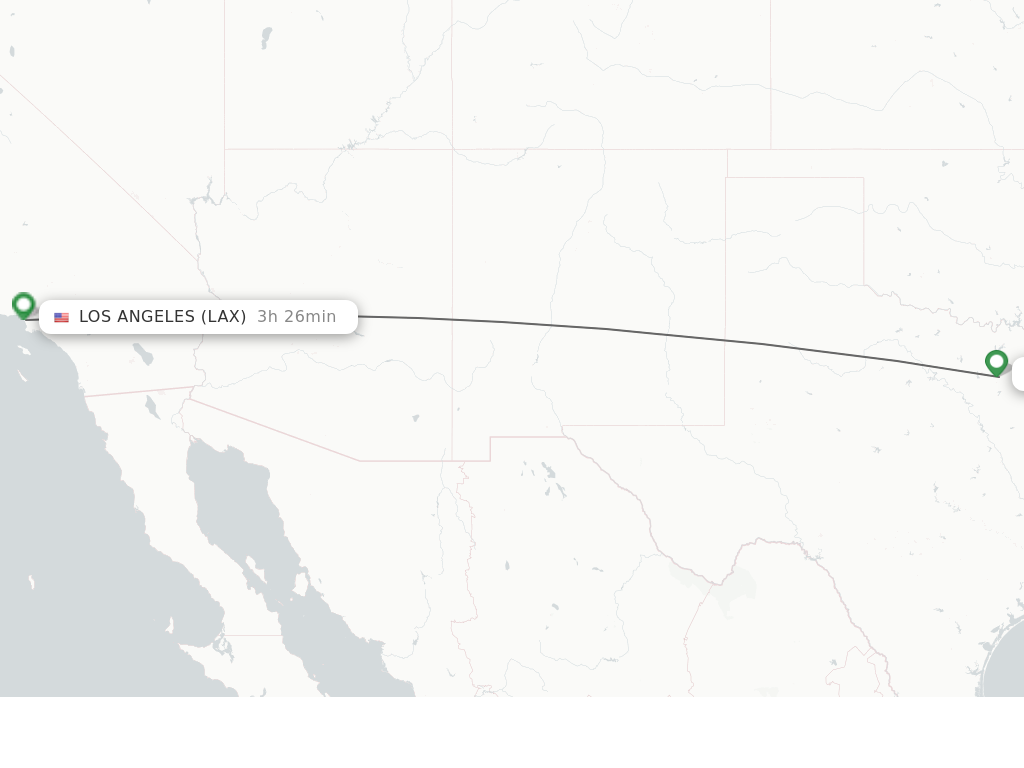
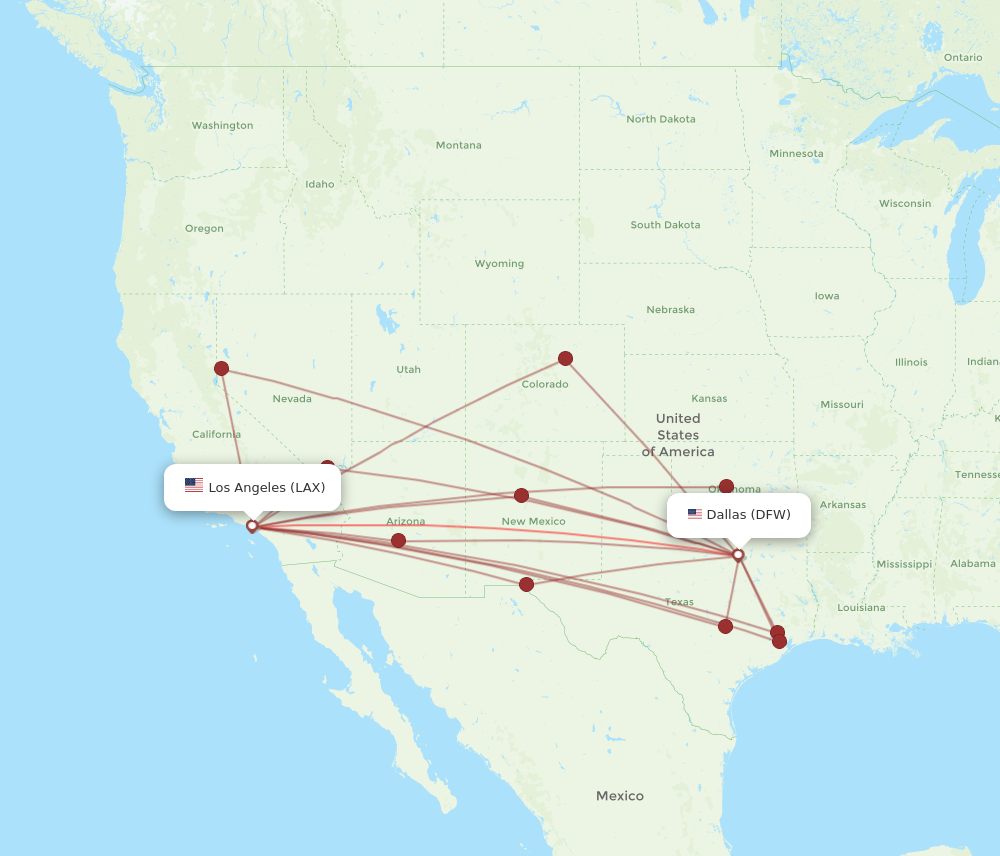
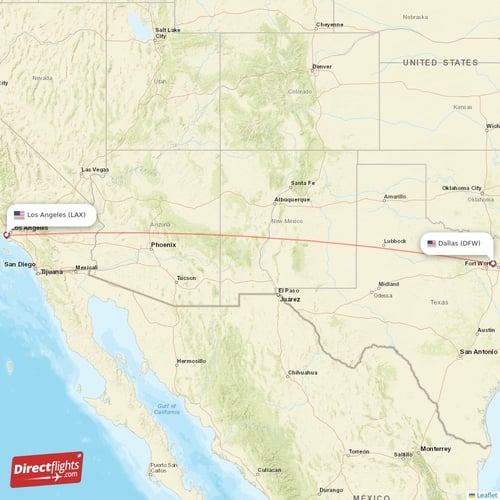
The most straightforward answer to “How long is a flight from Dallas to Los Angeles?” concerns direct flights. These are flights that travel from Dallas/Fort Worth International Airport (DFW) or Dallas Love Field Airport (DAL) to either Los Angeles International Airport (LAX) or Hollywood Burbank Airport (BUR) without any stops.
Typical Airborne Time
For a direct flight, the average airborne time from Dallas to Los Angeles is generally between 2 hours and 45 minutes to 3 hours and 15 minutes. This duration can fluctuate slightly based on numerous factors, which we will explore further. Airlines such as American Airlines, which has a major hub at DFW, and Southwest Airlines, with a significant presence at DAL, operate numerous daily non-stop services on this route.
Factors Influencing Direct Flight Time
- Tailwinds and Headwinds: The direction and speed of the jet stream, a high-altitude air current, play a significant role. Flying eastward generally benefits from tailwinds, shortening flight times, while flying westward can encounter headwinds, extending them. Flights from Dallas to Los Angeles typically fly westward, meaning headwinds can sometimes increase the duration.
- Aircraft Type: Different aircraft have varying cruising speeds. Larger, wide-body jets may have different flight profiles compared to smaller, more nimble regional jets. However, for this popular domestic route, most airlines utilize efficient narrow-body aircraft like the Boeing 737 or Airbus A320 family, which have similar optimal cruising speeds.
- Air Traffic Control and Flight Path: The specific flight path assigned by air traffic control can influence the total distance traveled. Air traffic congestion in the airspace around both Dallas and Los Angeles, as well as along the route, can necessitate deviations or slower speeds, thereby impacting flight duration.
- Weather Conditions: While major weather systems are usually avoided, minor atmospheric conditions or turbulence can sometimes prompt pilots to adjust their flight path or speed.
Considering Flights with Layover
While direct flights offer the quickest journey, many travelers opt for flights with one or more layovers due to cost savings or schedule availability. These flights break the journey into segments, with a stopover in an intermediate city.
Impact of Layover Cities
The duration of a flight with a layover is significantly longer than a direct flight, and the layover city itself adds considerable time. Common layover hubs for this route might include cities like Denver, Phoenix, or even other major American Airlines hubs such as Chicago O’Hare International Airport.
Total Travel Time with Layovers
When calculating the total travel time for a flight with a layover, you must consider:
- Flight time to the layover city: This segment will be shorter than the Dallas to Los Angeles duration.
- Layover duration: This is the time spent on the ground at the connecting airport. Layovers can range from a brief 45 minutes to several hours, depending on the airline’s schedule and the airport’s efficiency.
- Flight time from the layover city to Los Angeles: This second flight segment will also vary in length.
Therefore, a flight from Dallas to Los Angeles with a single layover can easily range from 5 hours to 9 hours or more, depending on the total layover time. For travelers prioritizing convenience and minimizing travel time, the slightly higher cost of a direct flight is often justified.
Beyond Airborne Time: Total Journey Considerations
When planning your trip, it’s essential to consider the entire travel experience, not just the time spent in the air. This encompasses the time spent at the airport before departure and after arrival.
Pre-Flight Essentials
- Airport Arrival: For domestic flights, it is generally recommended to arrive at the airport at least 2 hours before departure. This allows ample time for check-in, security screening, and navigating to your gate.
- Security Screening: The time spent at security can vary greatly depending on the airport, the day of the week, and the time of day. Peak travel times often mean longer queues.
- Boarding: Boarding typically begins 30-45 minutes before the scheduled departure time.
Post-Flight Procedures
- Deplaning: It takes a few minutes for all passengers to disembark the aircraft after landing.
- Baggage Claim: If you have checked luggage, you will need to wait for it to be delivered to the baggage carousel. This can take anywhere from 15 to 45 minutes or more.
- Ground Transportation: Once you have collected your luggage, you will need to arrange for transportation to your final destination in Los Angeles. This could involve rental cars, ride-sharing services, taxis, or public transport, all of which add to your total travel time.
Estimating Your Total Travel Time
To get a realistic estimate of your total travel time from your starting point in Dallas to your destination in Los Angeles, add the following:
- Travel time to Dallas airport
- Pre-flight airport time (2 hours)
- Flight duration
- Post-flight airport time (baggage claim, etc.)
- Travel time from Los Angeles airport to your final destination
For a direct flight, this could mean a total door-to-door journey of around 5.5 to 7 hours. For a flight with a layover, this total time can easily exceed 10 hours.
Maximizing Your Travel Experience
Knowing the typical flight duration from Dallas to Los Angeles is just the first step in ensuring a smooth and enjoyable trip. Understanding the nuances of flight times and planning accordingly can significantly enhance your overall travel experience.
Choosing the Right Flight
- Prioritize Direct Flights: If time is of the essence, a direct flight is almost always the best option.
- Analyze Layover Options: If opting for a flight with a layover, carefully review the layover duration. A short layover might seem appealing, but it increases the risk of missing your connection due to delays. Conversely, excessively long layovers can lead to fatigue and boredom.
- Consider Arrival and Departure Times: Think about what time of day you wish to arrive in Los Angeles. An early morning flight might mean a very early start in Dallas, while an evening flight means arriving late, impacting your first night’s rest or your ability to enjoy evening activities.
Packing Smart for the Flight
Even for a relatively short flight, smart packing can make a difference. Consider packing a carry-on bag with essentials such as:
- Entertainment (books, tablets, headphones)
- Snacks and a reusable water bottle
- Comfort items (neck pillow, eye mask)
- Any necessary medications
- A change of clothes or essential toiletries if you have a very early or late arrival.
Navigating Airports with Ease
- Utilize Airport Apps: Many airports and airlines offer mobile apps that provide real-time updates on flight status, gate information, and navigation within the terminal.
- Pre-Book Transportation: If you plan to use ride-sharing services or taxis, consider pre-booking or downloading the relevant apps in advance.
- Familiarize Yourself with the Airports: Knowing the layout of DFW, DAL, and LAX can help you navigate more efficiently. LAX, in particular, is a large airport with multiple terminals, so understanding your terminal beforehand is crucial.
By considering all these elements, from the precise flight duration to the practicalities of airport transit, you can ensure your journey from Dallas to Los Angeles is as seamless and efficient as possible, allowing you to focus on enjoying your time on the West Coast.
LifeOutOfTheBox is a participant in the Amazon Services LLC Associates Program, an affiliate advertising program designed to provide a means for sites to earn advertising fees by advertising and linking to Amazon.com. Amazon, the Amazon logo, AmazonSupply, and the AmazonSupply logo are trademarks of Amazon.com, Inc. or its affiliates. As an Amazon Associate we earn affiliate commissions from qualifying purchases.