
Embarking on a journey from the sun-drenched shores of Los Angeles to the vast continent of Australia is an undertaking that requires careful planning, especially when considering the significant travel time. The flight duration is a critical factor in how you’ll approach packing, choosing an itinerary, and preparing for the immense time difference. This guide delves into the specifics of this transpacific route, offering insights into average flight times, factors influencing them, and strategies to make the most of your long-haul adventure.
Understanding Direct vs. Indirect Flights
The most significant determinant of your flight’s length from Los Angeles to Australia is whether you opt for a direct service or a flight with one or more layovers.
Direct Flights: The Fastest Route
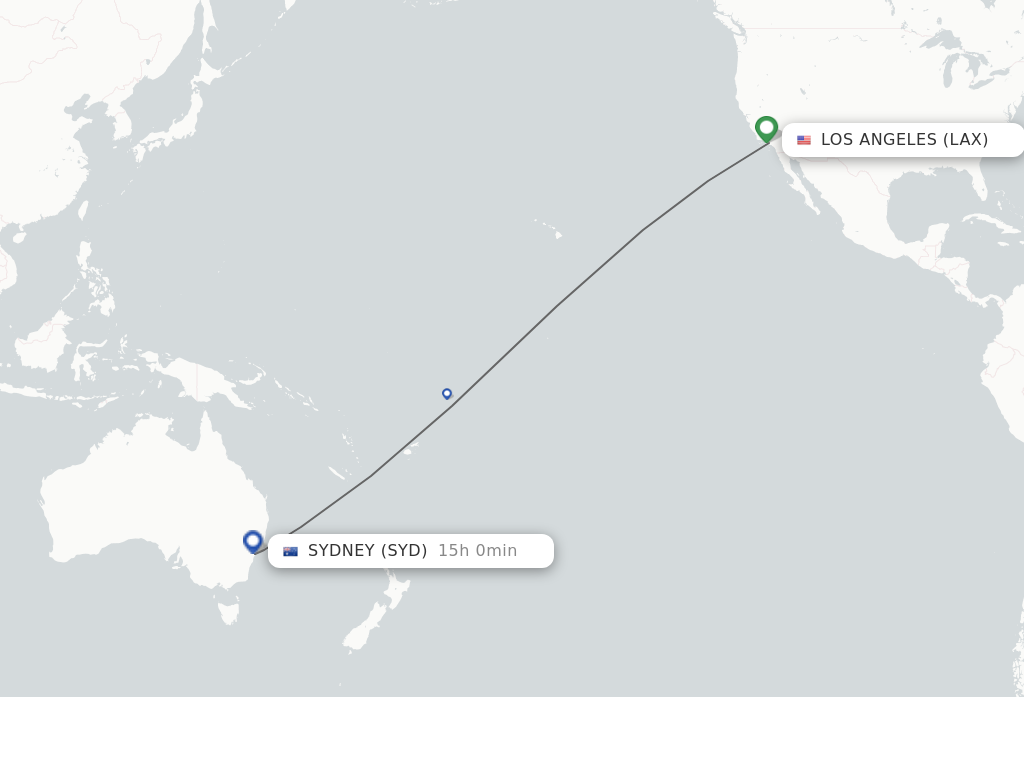
Direct flights are the most coveted option for this route, offering the shortest possible travel time. These non-stop journeys are typically operated by major international carriers, connecting Los Angeles International Airport (LAX) with key Australian gateways such as Sydney (SYD), Melbourne (MEL), and occasionally Brisbane (BNE).
Average Duration: For a direct flight from Los Angeles to Sydney, you can expect the flight time to be approximately 14 to 15 hours. Flights to Melbourne or Brisbane will be marginally longer, often falling within the 15 to 16-hour range. These figures represent the actual time spent airborne.
Airlines Operating Direct Flights: Major airlines that frequently service this route include Qantas, United Airlines, and Delta Air Lines. It’s essential to check with these carriers directly or use reputable flight comparison websites to confirm availability and specific flight schedules.
Indirect Flights: Adding Time and Potential Savings
Flights with layovers are often chosen for cost-saving purposes or when direct flights are unavailable. However, these journeys invariably extend the total travel time significantly. The duration of an indirect flight depends heavily on the length and location of the layover.
Common Layover Cities: Popular transit points for flights from Los Angeles to Australia include cities on the West Coast of North America like San Francisco (SFO) or Vancouver (YVR), or more commonly, international hubs in Asia or North America such as Honolulu (HNL), Tokyo (NRT), or even cities on the East Coast of the United States.
Total Travel Time: An indirect flight can easily stretch your journey to 18 hours or more. This includes the flight segments between cities and the time spent on the ground during layovers, which can range from a couple of hours to an overnight stay. For example, a flight with a layover in Honolulu might take around 17-19 hours in total, while a route through Asia could push the total travel time to 20-24 hours or even longer, depending on the specific connection.
Factors to Consider with Indirect Flights: While potentially cheaper, indirect flights require more planning. You’ll need to factor in time for disembarking, navigating potentially large airports, clearing security again (depending on the airport and if you need to change terminals), and boarding for your next flight. For longer layovers, you might consider exploring the immediate vicinity of the airport or booking a day-use room at a nearby hotel.
Factors Influencing Flight Duration
Beyond the direct versus indirect distinction, several other variables can influence the actual flight time from Los Angeles to Australia.
Aircraft Type and Speed
Modern commercial aircraft are designed for efficiency, but subtle differences in aircraft models can impact flight times. Larger, more advanced jets may have slightly faster cruising speeds. However, this is a minor factor compared to others, as airlines typically optimize flight paths and cruising altitudes for fuel efficiency and time.
Wind Patterns and Jet Streams
Oceanic flights, especially those traversing the vast Pacific Ocean, are significantly influenced by prevailing winds. Tailwinds can shorten flight times, while headwinds can lengthen them. Jet streams, which are fast-flowing currents of air high in the atmosphere, can also play a role. Pilots constantly monitor these atmospheric conditions and adjust flight paths accordingly to optimize for speed and fuel consumption. A strong headwind can add an hour or more to a direct flight, while a favorable tailwind can shave off a similar amount of time.
Flight Path and Air Traffic Control
Air traffic control plays a crucial role in managing the flow of aircraft across busy airways. While generally efficient, air traffic control can sometimes necessitate slight detours or holding patterns, especially around major international airports at peak times. Airlines and pilots work with air traffic control to maintain the most direct and efficient route possible.
Weather Conditions
While less impactful on the vast majority of the flight over the Pacific, significant weather systems can influence the initial departure from Los Angeles or the final approach into an Australian city. Severe weather can lead to delays on the ground or, in rare cases, necessitate minor rerouting mid-flight.
Preparing for Your Long-Haul Journey
Understanding the flight duration is only the first step. Effective preparation can significantly enhance your comfort and enjoyment of this extensive travel experience.
Packing Essentials for Extended Flights
Given the duration, packing smart is paramount.
- Comfortable Clothing: Opt for loose-fitting, breathable clothing. Layers are essential, as cabin temperatures can fluctuate. Think comfortable trousers or leggings, t-shirts, and a warm sweater or jacket.
- In-Flight Entertainment: While most airlines provide in-flight entertainment systems, it’s wise to download movies, TV shows, podcasts, and music onto your devices beforehand.
- Travel Pillow and Blanket: These can make a world of difference in getting some rest. Many airlines provide these, but bringing your own ensures comfort and familiarity.
- Eye Mask and Earplugs: Essential for blocking out light and noise to facilitate sleep.
- Hydration and Snacks: While meals are provided, having your own refillable water bottle and some non-perishable snacks can be a lifesaver, especially if you have dietary preferences or restrictions.
- Toiletries: Pack a small bag with essentials like a toothbrush, toothpaste, lip balm, moisturizer, and any necessary medications. Hand sanitizer is also a must.
Staying Comfortable and Healthy En Route
Long flights can be physically demanding. Taking proactive steps can mitigate discomfort and health concerns.
- Hydration is Key: Drink plenty of water throughout the flight. Avoid excessive alcohol and caffeine, as they can dehydrate you.
- Movement: Get up and walk around the cabin every hour or two to improve circulation and prevent stiffness. Simple in-seat exercises can also be beneficial.
- Compression Socks: These can help reduce the risk of deep vein thrombosis (DVT) by improving blood flow in your legs.
- Sleep Strategy: Try to adjust to the destination’s time zone as much as possible. Use your eye mask and earplugs, and avoid screens for a while before attempting to sleep.
- Mindful Eating: While enjoying airline meals is part of the experience, be mindful of portion sizes and opt for lighter choices if available.
Navigating Time Zones and Jet Lag
The flight from Los Angeles to Australia involves crossing a significant number of time zones, leading to jet lag. Australia is typically 17-19 hours ahead of Los Angeles, depending on daylight saving time in both locations.
- Pre-Flight Adjustment: A few days before your departure, try to gradually shift your sleep schedule closer to your destination’s time.
- Onboard Strategy: Once on the plane, set your watch to the destination time. Eat and sleep according to the local schedule.
- Upon Arrival: Expose yourself to natural daylight as much as possible. Avoid long naps during the day. Stick to the new time zone for meals and sleep.
Choosing Your Australian Gateway
Your destination within Australia will also slightly influence your flight time from Los Angeles.
Sydney (SYD): The Most Common Arrival Point
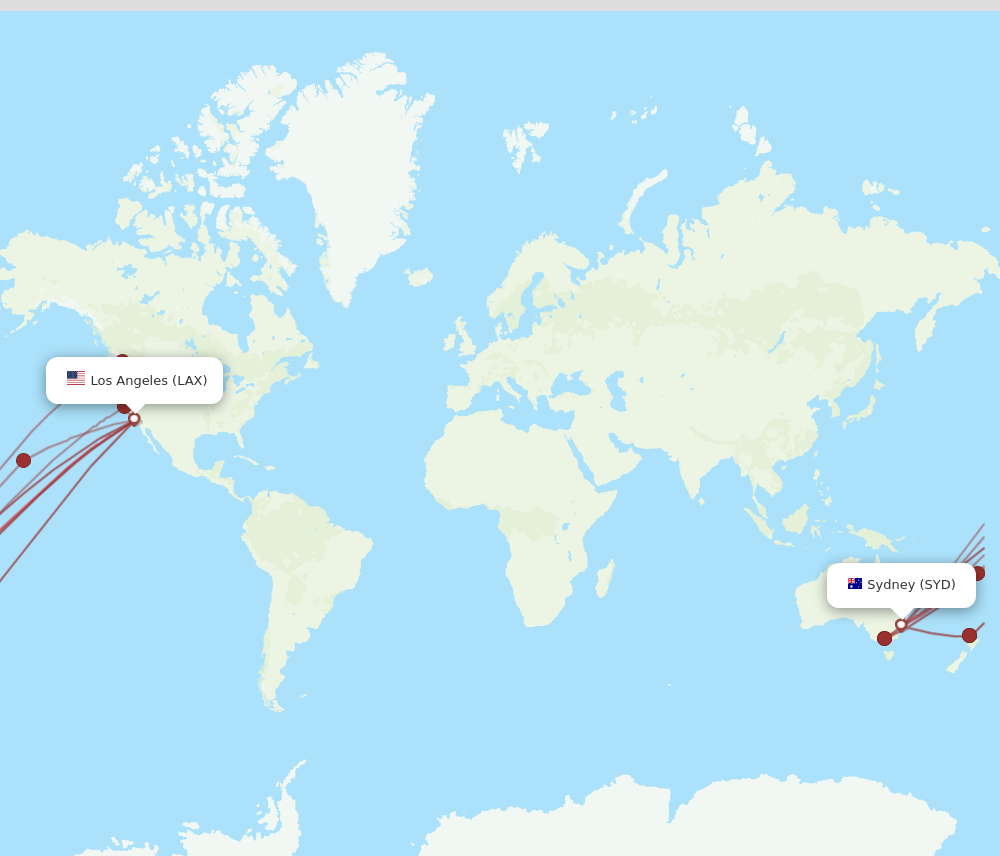
Sydney is the most frequent international gateway for flights from North America. Direct flights to Sydney are plentiful and typically hover around the 14.5-hour mark. This makes it a popular choice for travelers seeking the quickest entry into the country. From Sydney, you can easily connect to other major cities like Melbourne, Brisbane, and Perth.
Melbourne (MEL): A Slightly Longer Journey
Flights to Melbourne from Los Angeles are usually a bit longer than those to Sydney, often ranging from 15 to 16 hours for direct services. Melbourne offers a vibrant cultural scene, fantastic food, and is a gateway to attractions like the Great Ocean Road and the Phillip Island Penguin Parade.
Brisbane (BNE): Another Major International Hub
Direct flights to Brisbane from Los Angeles are also available and can take around 15 to 16 hours. Brisbane is the capital of Queensland and is known for its sunny climate and proximity to the Great Barrier Reef and the Sunshine Coast.
Other Destinations
For travelers heading to other parts of Australia, such as Adelaide (ADL), Perth (PER), or Cairns (CNS), a direct flight from Los Angeles is generally not an option. You will almost certainly need to book a connecting flight from one of the major eastern seaboard hubs (Sydney, Melbourne, or Brisbane). This will add several hours to your total travel time, turning the journey into a more substantial travel day. For instance, a flight to Perth via Sydney could easily reach a total travel time of over 20 hours, including the layover.
Maximizing Your Time and Experience
The considerable flight time from Los Angeles to Australia can be viewed not just as transit, but as an opportunity to begin your adventure.
Onboard Relaxation and Productivity
Use the long hours to unwind. Catch up on sleep, read that book you’ve been meaning to start, or simply enjoy the solitude. For those who need to stay productive, consider it a dedicated time to work without the usual distractions. Many aircraft are equipped with Wi-Fi, albeit at a cost, allowing you to stay connected.
Pre-Trip Planning and Research
The flight is an excellent time to finalize your itinerary. Research specific attractions, book tours, or simply immerse yourself in the culture of Australia through documentaries or travel guides available on the in-flight entertainment system or your own devices.
Embracing the Journey
While the flight is long, it’s a remarkable feat of modern aviation that bridges two vastly different corners of the globe. Look out the window during daylight hours and appreciate the immense expanse of the Pacific Ocean. The journey itself, though lengthy, is an integral part of the travel experience to the land Down Under. By understanding the flight times and preparing adequately, you can ensure that your transition from Los Angeles to the wonders of Australia is as smooth and enjoyable as possible.
LifeOutOfTheBox is a participant in the Amazon Services LLC Associates Program, an affiliate advertising program designed to provide a means for sites to earn advertising fees by advertising and linking to Amazon.com. Amazon, the Amazon logo, AmazonSupply, and the AmazonSupply logo are trademarks of Amazon.com, Inc. or its affiliates. As an Amazon Associate we earn affiliate commissions from qualifying purchases.