
The state tree of Nevada, a symbol deeply rooted in the state’s identity and natural heritage, is the single-leaf pinyon (Pinus monophylla). This distinctive pine, often found gracing the arid landscapes of the Silver State, embodies resilience, history, and the subtle beauty of the American West. Its designation as the official state tree in 1953 marked a recognition of its ecological importance, cultural significance, and its pervasive presence across much of Nevada’s diverse terrain.
The Majestic Single-Leaf Pinyon: A Symbol of Resilience
The single-leaf pinyon is more than just a tree; it is a testament to adaptation and endurance in challenging environments. Its scientific name, Pinus monophylla, directly reflects its most defining characteristic: its needles, which grow singly on each short spur, unlike most other pinyon pines that have clusters of two or more needles. This unique feature sets it apart and contributes to its striking visual appeal.
Botanical Characteristics and Habitat
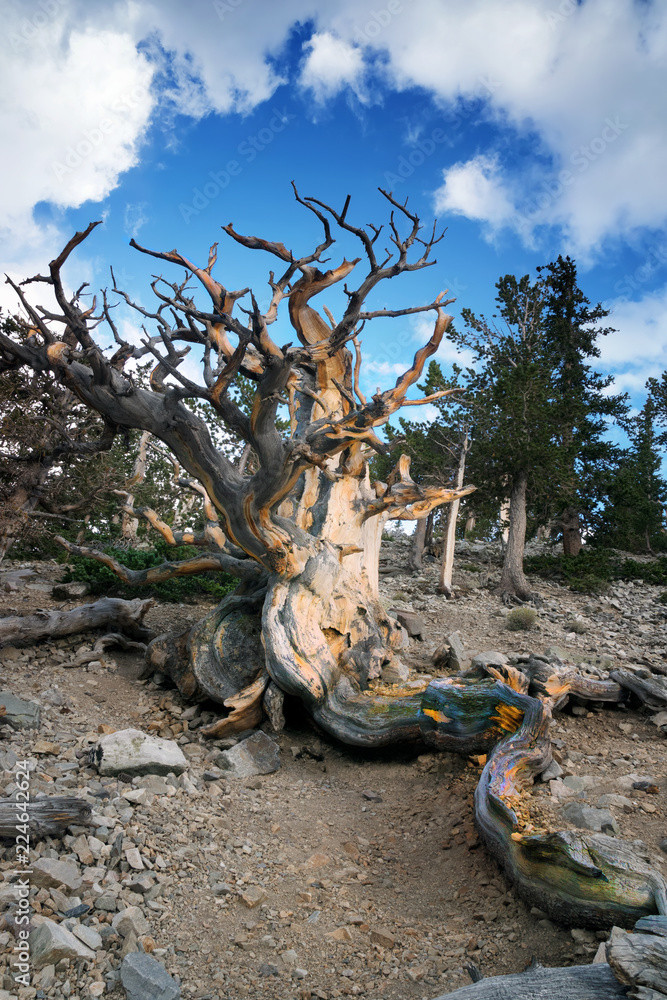
The single-leaf pinyon is a slow-growing, coniferous evergreen that typically reaches heights of 15 to 30 feet, though it can occasionally grow taller. Its form is often gnarled and picturesque, reflecting the harsh conditions it thrives in. The bark is thick and furrowed, offering protection against the elements and potential fires. Its branches are typically stout and spread widely, creating a dense canopy.
The needles, usually 1 to 2 inches long, are a distinctive blue-green color and are somewhat stiff. These needles are crucial for water conservation, a vital adaptation in Nevada’s arid climate. The tree produces small, egg-shaped cones that are prized for their edible seeds, commonly known as pinyon nuts. These nuts are a rich source of protein and fat, historically a vital food staple for Native American tribes in the region.
The natural habitat of the single-leaf pinyon spans across the western United States, with a significant presence in Nevada. It is most commonly found in the higher elevations of the Great Basin, typically between 4,000 and 8,000 feet. It thrives in dry, well-drained soils, often on rocky slopes and exposed ridges, where it competes with other drought-tolerant vegetation like sagebrush and juniper. Its ability to flourish in such austere conditions underscores its remarkable resilience.
Ecological Significance
The single-leaf pinyon plays a crucial role in the ecosystem of Nevada. It provides essential habitat and food for a variety of wildlife. Birds, such as the pinyon jay, rely heavily on the pinyon nuts for sustenance, and their seed-dispersal activities are vital for the propagation of the species. Small mammals, including chipmunks and squirrels, also benefit from the abundant seeds. The dense canopy offers shelter and nesting sites for numerous avian species.
Furthermore, the pinyon-juniper woodlands, dominated by the single-leaf pinyon and various juniper species, are a foundational ecosystem in Nevada. These woodlands stabilize soil, prevent erosion, and contribute to water retention in an already water-scarce environment. Their presence influences local microclimates and supports a complex web of life, making them invaluable natural resources.
Cultural and Historical Importance of the Pinyon Pine
The single-leaf pinyon has been intertwined with the human history of Nevada for millennia. Long before it became a state symbol, its valuable nuts were a cornerstone of sustenance for the indigenous peoples of the Great Basin, including tribes like the Paiute, Shoshone, and Washoe.
Pinyon Nuts: A Historical Food Source
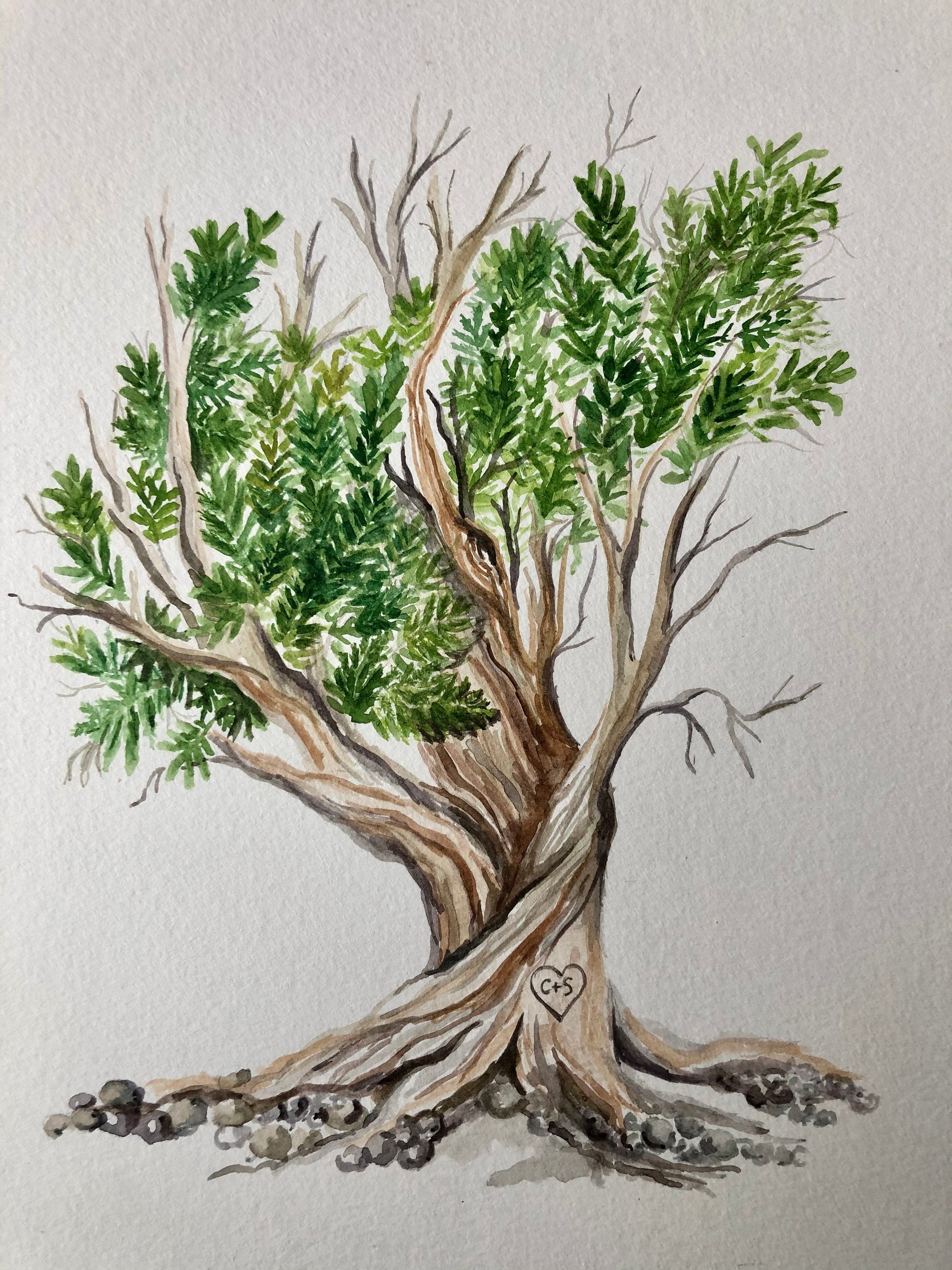
The harvesting and preparation of pinyon nuts were sophisticated processes, often involving communal efforts. Families and communities would gather during the harvest season, collecting cones from mature trees. The nuts, once extracted, could be eaten raw, roasted, or ground into flour for bread and other dishes. This dietary staple provided essential nutrition, allowing people to thrive in the challenging desert environment.
The cultural significance of pinyon nuts extended beyond mere sustenance. They were often traded between tribes, forming an important part of the regional economy and social networks. The trees themselves were respected and revered, viewed as generous providers of life. Stories and traditions often featured the pinyon pine, highlighting its enduring presence and its bounty.
The Pinyon Pine in Modern Nevada
In contemporary Nevada, the single-leaf pinyon continues to hold a special place in the hearts of its residents. It serves as a powerful reminder of the state’s natural heritage and its connection to the past. Its image is frequently used in art, literature, and branding that celebrates Nevada’s identity.
Beyond its symbolic value, the pinyon pine remains an important component of the state’s natural beauty, attracting visitors and residents alike to explore its scenic woodlands. Hiking trails wind through pinyon-juniper forests in areas like the Ruby Mountains and the Spring Mountains, offering opportunities to experience the unique landscape and admire these resilient trees.
Exploring Nevada’s Pinyon Landscapes
For those looking to connect with Nevada’s state tree, venturing into its natural habitats offers a profound experience. The single-leaf pinyon is not confined to a single park or region but is a widespread presence across Nevada’s varied topography.
Key Regions for Pinyon Pine Sightings
Many areas within Nevada provide excellent opportunities to encounter single-leaf pinyon trees. The high deserts and mountain ranges are particularly rich environments.
- The Great Basin National Park: Located in eastern Nevada, this park offers a stunning display of pinyon-juniper woodlands, especially at lower to mid-elevations. The park’s diverse ecosystems provide a chance to see the pinyon pine in its natural glory, alongside ancient bristlecone pines and other unique flora. The scenic Great Basin Highway (U.S. Route 6) and various park roads offer accessible viewing points.
- The Spring Mountains: Situated near Las Vegas, these mountains provide a dramatic contrast to the desert floor. As one ascends, pinyon-juniper woodlands become prevalent, offering a refreshing escape and a chance to observe the single-leaf pinyon in a higher elevation setting. Trails in areas like Mount Charleston Wilderness lead through these forests.
- The Ruby Mountains: Often referred to as the “Swiss Alps of Nevada,” the Ruby Mountains boast extensive pinyon-juniper communities. While the higher peaks are alpine, the foothills and lower slopes are dominated by these characteristic trees, creating iconic Nevada vistas.
- Black Rock Desert-High Rock Canyon Emigrant Trails National Conservation Area: This vast and remote area in northern Nevada features significant stretches of pinyon-juniper woodlands, particularly in the more rugged canyonlands and surrounding hills.
Activities and Considerations for Visitors
When planning a visit to experience the single-leaf pinyon in its natural environment, several activities and considerations come to mind:
- Hiking and Nature Walks: Many national forests and wilderness areas in Nevada offer trails that traverse pinyon-juniper ecosystems. These provide an immersive experience, allowing visitors to observe the trees up close, identify other native plants, and listen to the sounds of the desert wildlife.
- Scenic Drives: Nevada’s expansive landscapes are best explored by car. Many state routes and scenic byways pass through areas where single-leaf pinyon trees are abundant, offering breathtaking views without requiring strenuous activity.
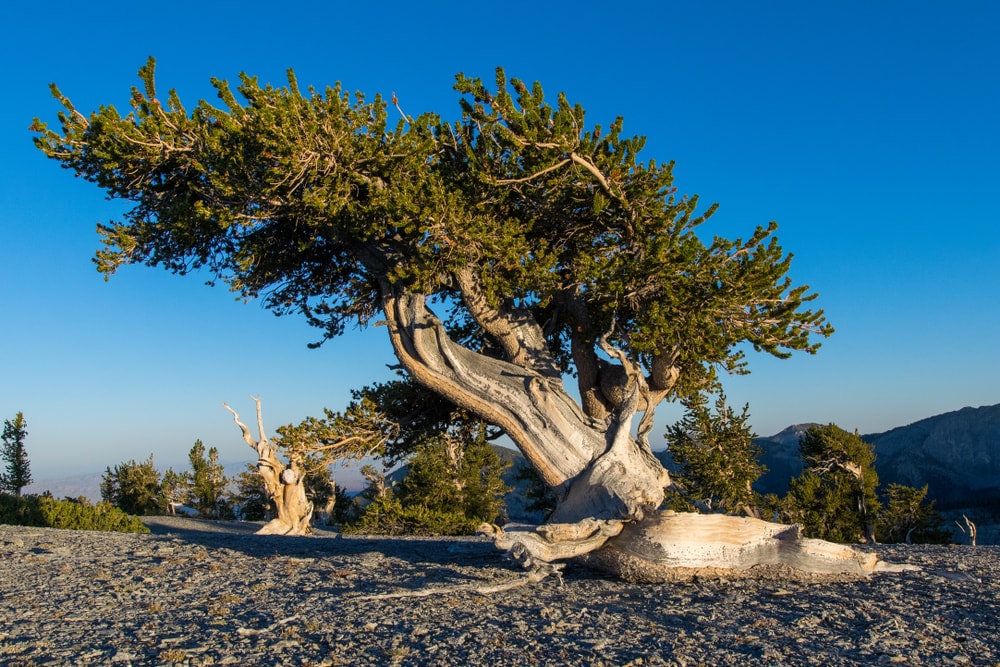
- Photography: The gnarled shapes, unique needle structure, and often dramatic settings of pinyon pines make them a photographer’s delight. Capturing the interplay of light and shadow on these rugged trees can result in striking images.
- Educational Opportunities: Many parks and visitor centers in Nevada offer interpretive programs and displays that detail the ecology and history of the pinyon pine. These resources can enhance understanding and appreciation for this iconic species.
When exploring these natural areas, it is essential to be prepared for Nevada’s arid climate. Carrying ample water, wearing sun protection, and being aware of wildlife are crucial. Respecting the natural environment by staying on trails and not disturbing vegetation is paramount to preserving these delicate ecosystems for future generations to enjoy. The single-leaf pinyon, as Nevada’s state tree, stands as a quiet yet powerful emblem of the state’s enduring spirit and its profound connection to the natural world.
LifeOutOfTheBox is a participant in the Amazon Services LLC Associates Program, an affiliate advertising program designed to provide a means for sites to earn advertising fees by advertising and linking to Amazon.com. Amazon, the Amazon logo, AmazonSupply, and the AmazonSupply logo are trademarks of Amazon.com, Inc. or its affiliates. As an Amazon Associate we earn affiliate commissions from qualifying purchases.