
Navigating the process of obtaining a Nevada identification card is a crucial step for many residents and visitors alike, particularly those planning extended stays or engaging in activities that require official documentation. While Nevada is famously known for its vibrant entertainment scene in cities like Las Vegas and its stunning natural landscapes, understanding the administrative requirements, such as securing a state ID, is fundamental for a seamless experience. This guide aims to demystify the process, offering a comprehensive overview of what you need to know to successfully acquire your Nevada identification.
Understanding the Nevada Identification Card
A Nevada identification card, often referred to as a non-driver ID, serves as official proof of identity and is issued by the Nevada Department of Motor Vehicles (DMV). Unlike a driver’s license, it is intended for individuals who do not operate a motor vehicle but still require a valid, government-issued identification. This can be for various purposes, including opening bank accounts, entering restricted facilities, verifying age for purchases, or simply having a reliable form of identification for daily use. The Nevada ID card is designed to be secure and widely recognized, ensuring its utility across a range of situations.

Types of Identification Cards
The Nevada DMV offers several types of identification cards, each catering to specific needs and circumstances:
- Standard Identification Card: This is the most common type, suitable for most residents needing general identification.
- REAL ID-Compliant Identification Card: For those who plan to use their ID for federal purposes, such as boarding domestic flights or entering secure federal buildings, a REAL ID-compliant card is necessary. This requires more rigorous documentation.
- Minor Identification Card: For individuals under 18 years of age, a specific minor ID card is available.
- Senior Identification Card: While not a separate card type, seniors may have specific considerations or benefits related to their identification.
The choice between a standard and REAL ID-compliant card often depends on future travel plans or federal access requirements. Obtaining a REAL ID will involve a more extensive verification process.
Eligibility Requirements
To be eligible for a Nevada identification card, you must meet certain criteria set by the Nevada DMV. The primary requirement is establishing residency in the state. This means you must currently live in Nevada. Temporary visitors or those residing elsewhere are generally not eligible for a Nevada ID card.
In addition to proving residency, applicants must also demonstrate their identity and legal presence in the United States. This involves presenting specific documents to the DMV, which are meticulously reviewed to prevent identity fraud. The exact list of acceptable documents can be found on the Nevada DMV website, but they typically fall into categories such as proof of identity, proof of legal presence, and proof of residency.
Required Documentation for Your Nevada ID
The cornerstone of successfully obtaining a Nevada identification card lies in meticulously gathering the correct documentation. The Nevada DMV adheres to strict protocols to ensure the integrity of its identification system. Therefore, presenting the right documents is paramount. Applicants will need to provide proof in three key areas: identity, legal presence in the U.S., and residency in Nevada.
Proof of Identity
This document confirms who you are. Acceptable forms of identification typically include:
- Original or certified copy of a Birth Certificate: Issued by a U.S. state, territory, or the District of Columbia.
- Valid U.S. Passport: Must be current and not expired.
- Certificate of Citizenship or Naturalization: For those who have become U.S. citizens.
- Consular Report of Birth Abroad: For U.S. citizens born outside the United States.
It is essential that the name on your identity document exactly matches the name you wish to appear on your identification card. If there are discrepancies, such as a maiden name on a birth certificate and a married name on other documents, you will need to provide a legal name change document, such as a marriage certificate or court order.
Proof of Legal Presence
This documentation verifies your lawful status in the United States. If you are a U.S. citizen, your birth certificate, passport, or naturalization papers will also serve as proof of legal presence. For non-U.S. citizens, acceptable documents may include:
- Valid Permanent Resident Card (Green Card): Must be current.
- Foreign Passport with an I-551 Stamp: Indicating lawful permanent residence.
- Employment Authorization Document (EAD): Form I-766.
- Valid Visa and I-94 Arrival/Departure Record: For non-immigrants.
The expiration date of your legal presence document is critical. Your Nevada ID card’s expiration date will be tied to the expiration date of your proof of legal presence.

Proof of Nevada Residency
You must demonstrate that you currently reside in Nevada. You will need to present at least two different documents from separate sources. These documents must show your name and Nevada residential address. Examples of acceptable residency documents include:
- Utility bills: Dated within the last 60 days (e.g., electricity, gas, water, cable).
- Bank statements: Dated within the last 60 days.
- Mortgage statements or rental agreements: Must be current.
- Official mail from government agencies: Such as tax documents or benefit statements.
- Pay stubs: Dated within the last 60 days.
- Vehicle registration or insurance documents: For a vehicle registered in Nevada.
- Mail from educational institutions: For students attending a Nevada school.
Important Note: P.O. Box addresses are generally not accepted as proof of residency. You must provide a physical street address. If you are living with someone else, you may need a notarized letter from the homeowner or primary leaseholder confirming your residency, along with their proof of residency.
The Application Process: Step-by-Step
Once you have gathered all the necessary documentation, the next step is to navigate the application process at a Nevada DMV office. It is highly recommended to visit the official Nevada DMV website before your visit to confirm the latest requirements, operating hours, and to potentially schedule an appointment, which can significantly reduce your wait time.
Visiting the DMV
- Gather Your Documents: Ensure you have all original or certified copies of your required documents, including proof of identity, legal presence, and residency. photocopies are typically not accepted.
- Locate a DMV Office: Find a Nevada DMV office convenient to your location. Some offices may offer specialized services, so it’s wise to check beforehand.
- Complete the Application Form: You will need to fill out the official Application for Identification Card form (DMV 202). This form can often be downloaded from the Nevada DMV website and filled out in advance, though you may be asked to complete a fresh copy at the office.
- Submit Your Application and Documents: Present your completed application and all supporting documents to the DMV representative. They will review your paperwork for completeness and authenticity.
- Pass the Vision Screening (if applicable): While not typically required for a non-driver ID, some DMV services might include a brief vision check.
- Pay the Fee: There is a fee associated with obtaining a Nevada identification card. The amount can vary, so check the Nevada DMV website for current fees. Payment methods accepted will also be listed.
- Have Your Photo Taken: A photograph will be taken of you to be included on your identification card. Ensure you are dressed appropriately, as this photo will be on your ID for several years.
- Receive a Temporary ID: You will typically be issued a temporary identification card on the spot, which is valid until your permanent card arrives by mail.
- Receive Your Permanent ID: Your permanent Nevada identification card will be mailed to the address provided on your application within a specified timeframe, usually a few weeks.
Scheduling an Appointment
To streamline your visit, the Nevada DMV offers appointment scheduling services. This is highly recommended, especially for busy offices in areas like Las Vegas or Reno. By booking an appointment online, you can save significant time waiting in line.
REAL ID Considerations
If you are applying for a REAL ID-compliant identification card, the process involves a more rigorous document verification. You will need to provide an even more comprehensive set of documents, including proof of your Social Security number. The Nevada DMV website provides a specific checklist for REAL ID applications, which should be consulted carefully to ensure you have all necessary items.
Maintaining and Replacing Your Nevada ID
Once you have your Nevada identification card, it is important to keep it in good condition and to know the procedures for renewal and replacement should it be lost, stolen, or damaged.
Renewal Process
Nevada identification cards are valid for a specific period, typically several years, after which they must be renewed. The expiration date is printed on the card itself.
- Renewal by Mail or Online: Depending on your circumstances and the type of ID you possess, you may be eligible for renewal by mail or online. This is often the most convenient option, avoiding a trip to the DMV. Eligibility criteria for online or mail renewal are detailed on the Nevada DMV website.
- In-Person Renewal: If you are not eligible for remote renewal or if your circumstances have changed (e.g., a change in name or address), you will need to visit a DMV office in person. You will need to bring updated documentation, especially if your legal presence document has expired or if you have had a name change.
It is advisable to start the renewal process a few months before your current ID expires to avoid any lapses in your identification.
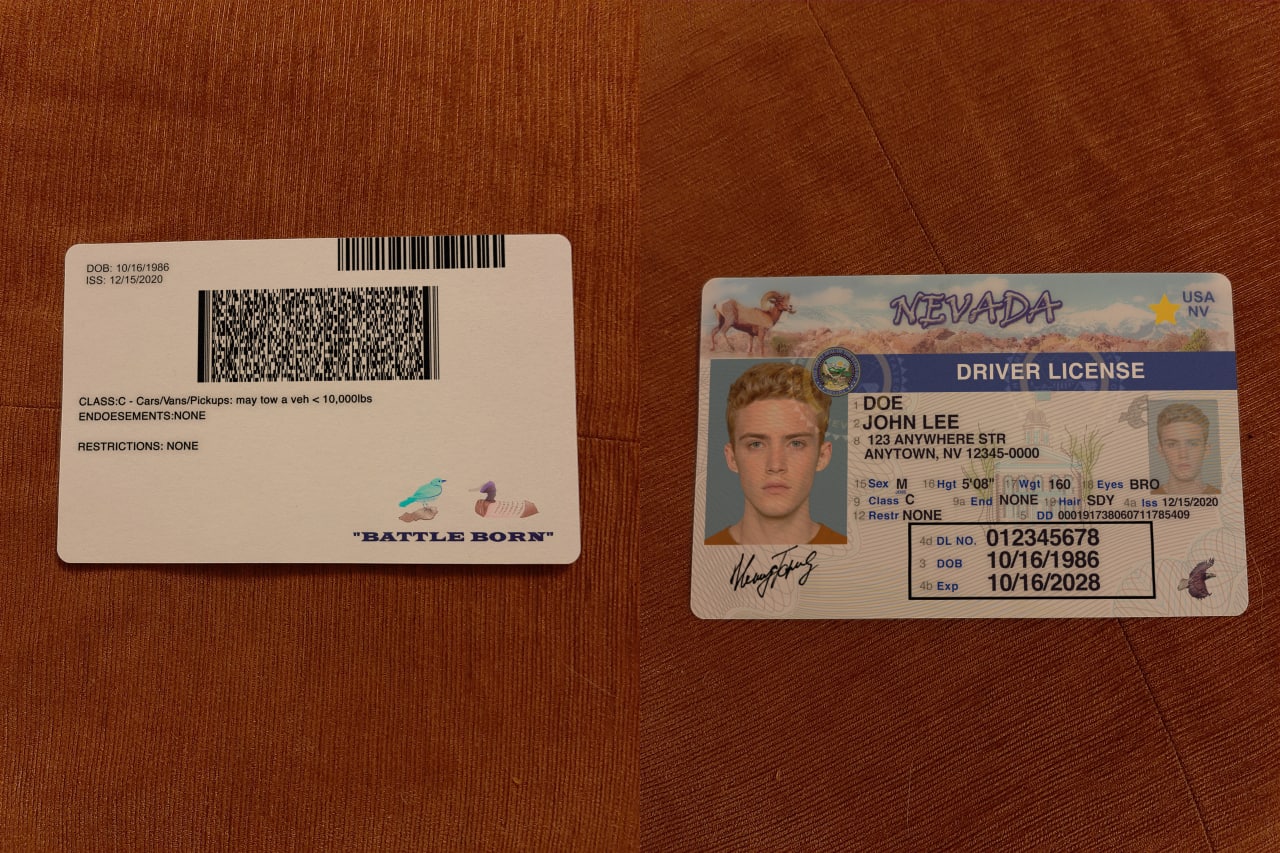
Replacement of Lost or Stolen ID
If your Nevada identification card is lost, stolen, or damaged, you will need to apply for a replacement. The process is similar to obtaining an original ID, but often simpler, as you are not reapplying for a new credential from scratch.
- Report Theft (if applicable): If your ID was stolen, it is recommended to file a police report. This can offer an extra layer of protection.
- Complete the Application for Replacement ID: You will need to fill out a specific form for a replacement identification card.
- Provide Required Documents: You will likely need to present proof of identity and Nevada residency again, as well as your Social Security card or proof of Social Security number.
- Pay the Replacement Fee: There is a fee for a replacement ID card.
- Have Your Photo Taken: A new photograph will be taken.
You will receive a temporary replacement ID while your permanent card is processed and mailed to you. Promptly reporting and replacing a lost or stolen ID is crucial to prevent potential misuse of your identity. Staying informed about the Nevada DMV’s procedures and requirements will ensure that you can maintain valid identification throughout your time in the Silver State.
LifeOutOfTheBox is a participant in the Amazon Services LLC Associates Program, an affiliate advertising program designed to provide a means for sites to earn advertising fees by advertising and linking to Amazon.com. Amazon, the Amazon logo, AmazonSupply, and the AmazonSupply logo are trademarks of Amazon.com, Inc. or its affiliates. As an Amazon Associate we earn affiliate commissions from qualifying purchases.