
The question of distance between two iconic American cities, New York and Los Angeles, is more than a simple geographical inquiry; it’s the genesis of countless road trip adventures, flight plans, and the conceptualization of an epic cross-country journey. Understanding this expanse is the first step in planning a memorable travel experience, whether you envision yourself cruising down historic highways or soaring above the vast American landscape. The mileage, while seemingly straightforward, unlocks a world of possibilities for exploration and discovery.
The Direct Distance: A Straight Line Across the Continent
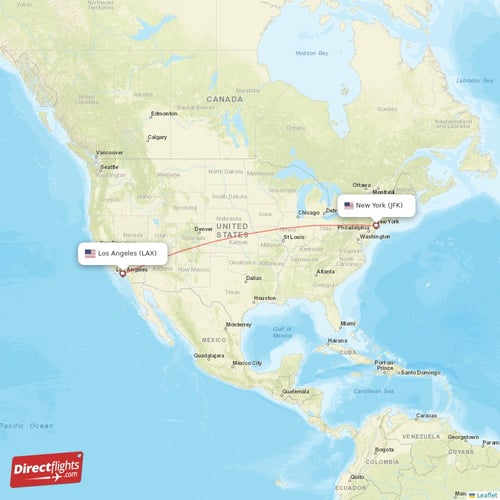
When pinpointing the most direct, “as the crow flies” distance between the bustling metropolis of New York City and the sun-drenched entertainment capital of Los Angeles, we are talking about approximately 2,445 miles (about 3,935 kilometers). This figure represents the shortest possible path, ignoring any terrestrial obstacles or conventional travel routes. It’s a geometric truth, a measure of the sheer continental breadth that separates these two global hubs. While this number is useful for satellite navigation or understanding the vastness of the United States, it’s rarely the practical distance travelers will cover. The reality of moving between these cities involves embracing the infrastructure of human transit.

Understanding Great Circle Distances
The concept of the great circle distance is fundamental to understanding this aerial measurement. The Earth is a sphere (or, more accurately, an oblate spheroid), and the shortest distance between two points on its surface is along the arc of a great circle. This is the principle behind how airplanes navigate the skies, optimizing routes to minimize flight time and fuel consumption. For those looking at flight schedules or considering air travel, this direct distance provides a baseline for estimating flight durations, though actual flight paths can vary due to air traffic control, weather patterns, and prevailing winds.
The Road Less Traveled: Driving Distances and Routes
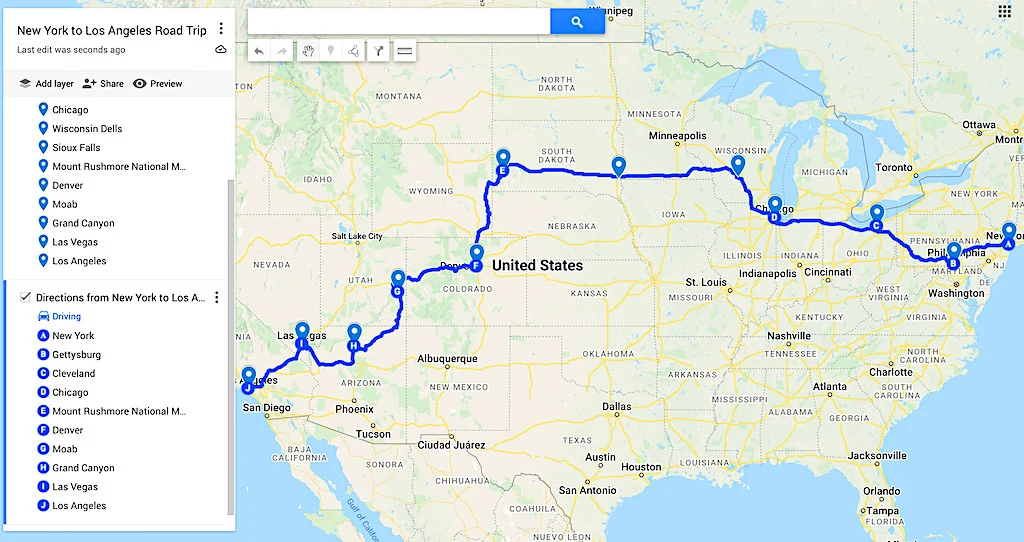
The appeal of traversing the United States by car is deeply ingrained in the American psyche. The distance from New York to Los Angeles by road is significantly greater than the direct aerial measurement, offering a dynamic and immersive travel experience. The most common driving route, typically following major interstates, stretches to an average of around 2,800 to 3,000 miles (approximately 4,500 to 4,800 kilometers), depending on the specific path chosen. This mileage is not just a number; it’s a gateway to diverse landscapes, from the rolling hills of the Appalachian Mountains to the vast plains of the Midwest, the majestic Rocky Mountains, and the arid beauty of the Southwest.
Popular Driving Itineraries
Several iconic routes can be pieced together to make this monumental drive.
- The Northern Route: This path might take travelers through cities like Chicago, Omaha, and Denver, offering a taste of the heartland and the grandeur of the Rockies. It often involves I-80 and I-70.
- The Central Route: A popular choice, this route might include stops in places such as St. Louis, Oklahoma City, and Albuquerque, utilizing I-70 and I-40. This path often touches upon segments of historic Route 66.
- The Southern Route: This option can lead through cities like Nashville, Dallas, and Phoenix, favoring warmer climates and a different set of regional attractions. I-40 remains a key artery here, often combined with other southern interstates.
Each route presents unique opportunities for exploration, from roadside diners and kitschy attractions to national parks and significant historical sites. The planning of a driving trip of this magnitude often involves breaking it down into manageable daily segments, factoring in time for sightseeing, rest, and meals.
Factors Affecting Driving Distance
The exact mileage can fluctuate based on several factors:
- Specific Route Selection: Different combinations of interstates and highways will yield varying distances.
- Detours and Side Trips: The desire to visit specific attractions or explore off-the-beaten-path locations will inevitably add miles.
- Road Conditions and Construction: Temporary closures or detours due to maintenance or unforeseen events can alter the planned route and distance.
- Starting and Ending Points within Cities: The exact starting point in New York and the destination within Los Angeles can add or subtract a few miles within the urban sprawl.
The Swift Passage: Flight Distances and Times
For those prioritizing speed and efficiency, air travel offers the most direct and time-effective method of crossing the continent. Direct flights between major airports in the New York metropolitan area (such as John F. Kennedy International Airport (JFK), LaGuardia Airport (LGA), or Newark Liberty International Airport (EWR)) and airports in the Los Angeles area (primarily Los Angeles International Airport (LAX), but also Hollywood Burbank Airport (BUR) or Long Beach Airport (LGB)) cover a distance that aligns closely with the great circle route.
Typical Flight Durations
A non-stop flight between New York and Los Angeles typically ranges from about 5.5 to 6 hours. This duration can be influenced by factors such as the direction of travel (westbound flights are often slightly longer due to prevailing winds), the specific aircraft, and air traffic conditions. While the flight itself is relatively short, it’s essential to factor in the time spent at airports: travel to the airport, check-in, security, boarding, deplaning, and travel from the arrival airport to your final destination. This “door-to-door” travel time can easily extend a journey that might seem quick in the air.
Navigating the Skies: Transcontinental Flights
Transcontinental flights are a staple of the airline industry, connecting the East and West Coasts of the United States daily. Airlines like American Airlines, Delta Air Lines, United Airlines, and various budget carriers operate numerous flights along this corridor. The experience of flying this route offers a unique perspective on the geography of the United States, with the opportunity to witness the transition from the densely populated Northeast to the sprawling landscapes of the American West.
Rail Travel: A Leisurely Cross-Country Voyage
While less common for those seeking to cover the distance quickly, train travel between New York and Los Angeles offers a distinct and often romantic travel experience. This journey, operated by Amtrak, is not about speed but about the journey itself, allowing passengers to witness the country unfolding at a more relaxed pace. The mileage for a train route is comparable to driving, often exceeding 2,800 miles, but the travel time is considerably longer, typically taking around 3 to 4 days, depending on the specific route and layovers.
Amtrak Routes and Experiences
Amtrak usually operates this transcontinental journey via a combination of routes, most commonly involving the Lake Shore Limited (or similar eastward service) to Chicago, and then transferring to the Southwest Chief or the Texas Eagle heading west. These trains offer various seating and sleeping accommodations, from coach seats to private rooms, allowing travelers to sleep, dine, and relax as the miles go by. The benefit of train travel lies in its ability to offer expansive views, avoid traffic, and provide a more comfortable and engaging way to see the American landscape than flying. It’s a journey that embraces the passage of time and the changing scenery.
In conclusion, the distance between New York and Los Angeles is not a single, fixed number. It is a multifaceted figure that varies dramatically depending on your chosen mode of transport and your desired travel experience. Whether you’re aiming for the directness of air travel, the adventure of a cross-country road trip, or the leisurely pace of a train journey, understanding these different mileage and time considerations is crucial for planning a truly unforgettable trip.
LifeOutOfTheBox is a participant in the Amazon Services LLC Associates Program, an affiliate advertising program designed to provide a means for sites to earn advertising fees by advertising and linking to Amazon.com. Amazon, the Amazon logo, AmazonSupply, and the AmazonSupply logo are trademarks of Amazon.com, Inc. or its affiliates. As an Amazon Associate we earn affiliate commissions from qualifying purchases.