
Unveiling Florida’s Apex: Britton Hill
When one envisions Florida, images of pristine beaches, lush wetlands, and vibrant coastal cities often come to mind. Seldom does one picture soaring mountains or dramatic elevations. Indeed, Florida is widely recognized as one of the flattest states in the United States. Yet, every state, no matter how level, possesses a highest natural point. For the Sunshine State, this humble summit is known as Britton Hill. Standing at a modest 345 feet (105 meters) above sea level, Britton Hill holds the distinctive title of being the lowest high point of any U.S. state.
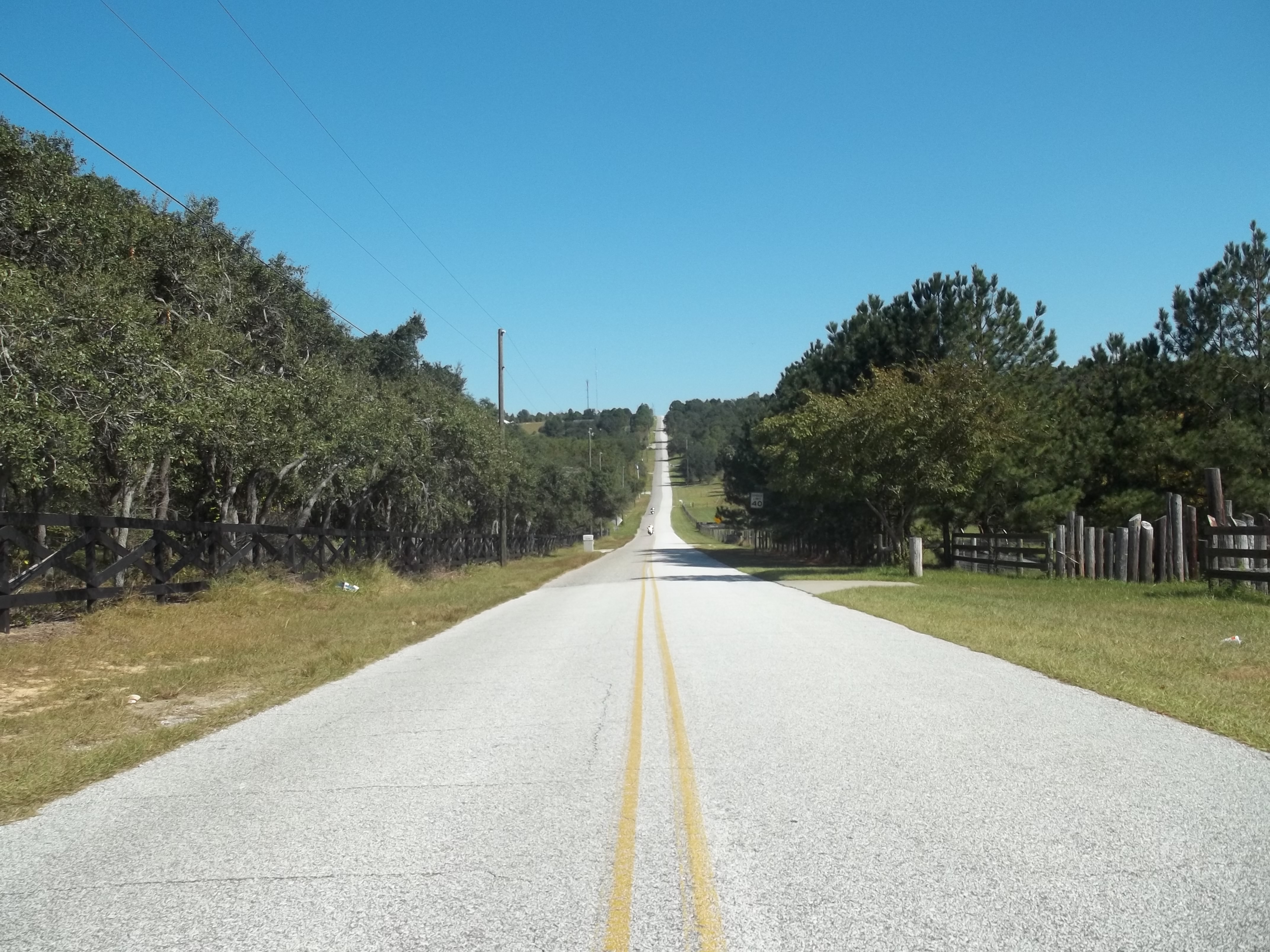
Located in Lakewood Park within Walton County, deep in the Florida Panhandle near the Alabama border, Britton Hill offers a unique perspective on what constitutes a “landmark” in a geographically distinct region. While it certainly doesn’t command the awe-inspiring vistas of mountainous peaks, its significance lies precisely in its subtlety and its status as a geographical anomaly in an otherwise remarkably flat landscape. It challenges preconceived notions about elevation, inviting visitors to appreciate the understated beauty and geological nuances that define Florida’s northern reaches. This small rise in terrain serves as a testament to the diverse, albeit gentle, undulations present even in the most level of states, making it a compelling point of interest for those who appreciate natural landmarks for their inherent facts and unique stories.
A Geographical Anomaly: The Formation of Britton Hill
Understanding Britton Hill’s existence requires a brief delve into the geological history and processes that have shaped the state of Florida. Far from being an accidental bump, its formation is a result of millennia of geological activity, albeit on a scale different from the tectonic shifts that create mountain ranges.
The Unique Topography of Florida
Florida’s topography is predominantly defined by its underlying limestone bedrock, a relic of ancient marine environments when much of the peninsula was submerged beneath shallow seas. Over millions of years, the accumulation of marine organisms—shells, corals, and skeletal remains—compressed and cemented into vast limestone deposits. This porous limestone, coupled with high water tables, is responsible for Florida’s famous karst topography, characterized by sinkholes, springs, and a general lack of significant elevation changes. The state has not experienced the intense mountain-building tectonic activity common in other parts of the world, leading to its renowned flatness. Rivers tend to flow slowly, meandering through gentle gradients, further contributing to the low-lying nature of the landscape.
How Britton Hill Rose Above
Despite the pervasive flatness, Britton Hill managed to achieve its modest elevation due to a combination of factors related to its specific location in the Florida Panhandle. This region is geologically distinct from much of peninsular Florida, being closer to the ancient landmasses of Alabama and Georgia. The underlying geological structure in the Panhandle is influenced by the extension of the Southern Highlands geological province.
Specifically, Britton Hill is thought to be a remnant of ancient sand dunes or marine terraces that formed during periods of fluctuating sea levels. As sea levels receded and rose over geological epochs, sediment was deposited and subsequently eroded. The materials making up Britton Hill are primarily sand and clay, indicative of ancient coastal or riverine environments. Over time, differential erosion—where softer sediments erode away more quickly, leaving behind harder or more resistant layers—likely played a role in sculpting this particular rise. While the surrounding land was eroded to lower elevations, Britton Hill’s composition or location offered slightly more resistance, allowing it to stand marginally taller than its surroundings. It’s a testament to the subtle power of natural processes acting over vast stretches of time, demonstrating that even a few hundred feet of elevation can be a significant geological feature in the right context.
The Britton Hill Landmark Experience
Visiting Britton Hill is a unique experience that offers a distinct contrast to the dramatic ascents associated with more prominent state high points. It’s not about strenuous hiking or breathtaking panoramic views, but rather about appreciating a geographical curiosity and marking a personal achievement in the quiet, natural setting of the Florida Panhandle.
Lakewood Park: More Than Just a High Point
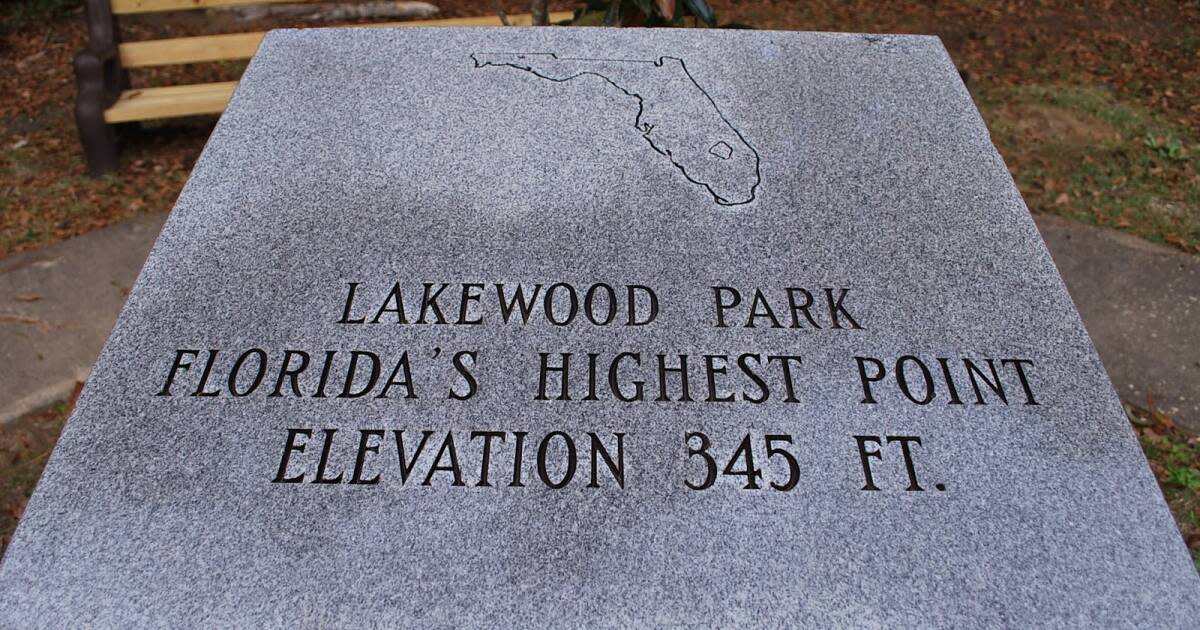
The highest point itself is located within Lakewood Park, a small, well-maintained county park designed to welcome visitors. This isn’t a rugged, remote wilderness trek; it’s an accessible drive-up landmark. Upon arrival, visitors will find a paved parking area just steps from the summit. The actual high point is marked by a modest monument—a stone marker and a plaque commemorating its status. The park also features several amenities, including picnic tables, benches, and occasionally a small flagpole, making it a pleasant spot for a brief rest. Interpretive signs provide information about Britton Hill and the surrounding natural environment.
The atmosphere at Lakewood Park is typically serene and quiet, surrounded by tall pine trees characteristic of the northern Florida landscape. Birdsong often fills the air, and the scent of pine needles is ever-present. For many, the visit is a quick and satisfying stop, allowing them to snap a photograph at the marker, read the informational plaques, and reflect on the unassuming nature of Florida’s highest point before continuing their journey. It’s a landmark that emphasizes quiet appreciation rather than adrenaline-fueled adventure.
The Allure for Highpointers
Britton Hill holds particular significance for “highpointers”—individuals who engage in the hobby of visiting the highest natural point in every state, county, or other defined geographical area. For this dedicated community, Britton Hill is a quintessential stop. Its ease of access and minimal physical demand make it an ideal starting point for beginners in highpointing or a quick check-off for seasoned enthusiasts who might be passing through the region.
The sense of accomplishment in reaching Britton Hill is rooted in completing another item on a list, a testament to one’s commitment to exploring the diverse geography of the United States. The camaraderie among highpointers is often evident through guest books or online forums where visitors share their experiences. Despite its humble elevation, Britton Hill symbolizes the pursuit of a unique goal, demonstrating that not all natural landmarks need to be towering giants to hold profound meaning for those who seek them out.
Surrounding Natural Beauty and Activities
While the main draw of Lakewood Park is Britton Hill itself, the surrounding Walton County area and the wider Florida Panhandle offer a wealth of natural attractions and outdoor activities for those looking to extend their visit. The region is characterized by extensive state forests and parks, pristine spring-fed rivers, and unique ecosystems that contrast with the more famous coastal beaches.
For nature enthusiasts, opportunities for hiking, birdwatching, and paddling abound. Nearby, the Blackwater River State Forest, one of Florida’s largest state forests, offers extensive trails, camping, and canoeing/kayaking on the scenic Blackwater River, known for its dark, tannin-stained waters. Other local state parks and wildlife management areas protect diverse habitats, from longleaf pine forests to cypress swamps, supporting a variety of native wildlife including white-tailed deer, wild turkeys, and numerous bird species. The landmark of Britton Hill thus serves as a gateway to exploring the lesser-known, yet equally captivating, natural landscapes of inland Florida.
A Point of Perspective: Florida’s Low-Lying Charm
Britton Hill, in its quiet distinction, serves as a poignant reminder that not all natural landmarks must command imposing heights to be significant. Its status as the lowest state high point in the United States encapsulates much of what makes Florida’s geography so unique and ecologically precious.
The Significance of Subtlety
The charm of Florida rarely lies in its verticality but rather in its horizontal expanses and its intricate relationship with water. The state’s true natural landmarks are its vast, shimmering wetlands like the Everglades, its crystal-clear freshwater springs, its labyrinthine coastlines, and its unique barrier islands. These features, born from a landscape shaped by ancient seas and gentle geological forces, define Florida’s identity. Britton Hill embodies this subtlety; it is a landmark not for its challenge or grandeur, but for its simple, undeniable fact—it is the highest point, and that alone makes it notable. It encourages visitors to shift their perspective and appreciate the beauty in a landscape’s unique characteristics, rather than solely its dramatic peaks.

Environmental Importance
The low elevation that makes Britton Hill a fascinating geographical fact also underscores the profound environmental vulnerabilities of Florida. With so much of the state just a few feet above sea level, Florida’s natural landmarks and ecosystems are uniquely susceptible to the impacts of climate change, particularly sea-level rise. Coastal erosion, saltwater intrusion into freshwater systems, and habitat loss pose significant threats to the very natural features that define the state. While Britton Hill itself is far inland and not directly threatened by rising seas, its existence at the apex of a low-lying state serves as a subtle, yet powerful, testament to the delicate balance of Florida’s natural environment. It’s a landmark that, perhaps more than any other, silently speaks to the pressing need for environmental stewardship in preserving the unique natural heritage of the Sunshine State for future generations.
LifeOutOfTheBox is a participant in the Amazon Services LLC Associates Program, an affiliate advertising program designed to provide a means for sites to earn advertising fees by advertising and linking to Amazon.com. Amazon, the Amazon logo, AmazonSupply, and the AmazonSupply logo are trademarks of Amazon.com, Inc. or its affiliates. As an Amazon Associate we earn affiliate commissions from qualifying purchases.