
Navigating the Southern California Climate for Your Visit
The allure of Los Angeles is undeniable, drawing millions of visitors each year to its sun-drenched beaches, vibrant cultural scene, and world-renowned entertainment industry. A pivotal aspect of planning any successful trip to this sprawling metropolis is understanding its unique climate. The weather in Los Angeles is a significant factor that can shape your experience, from the activities you choose to the attire you pack. While often characterized by sunshine and mild temperatures, the reality is a nuanced interplay of coastal breezes, inland heat, and occasional microclimates that define the daily forecast.
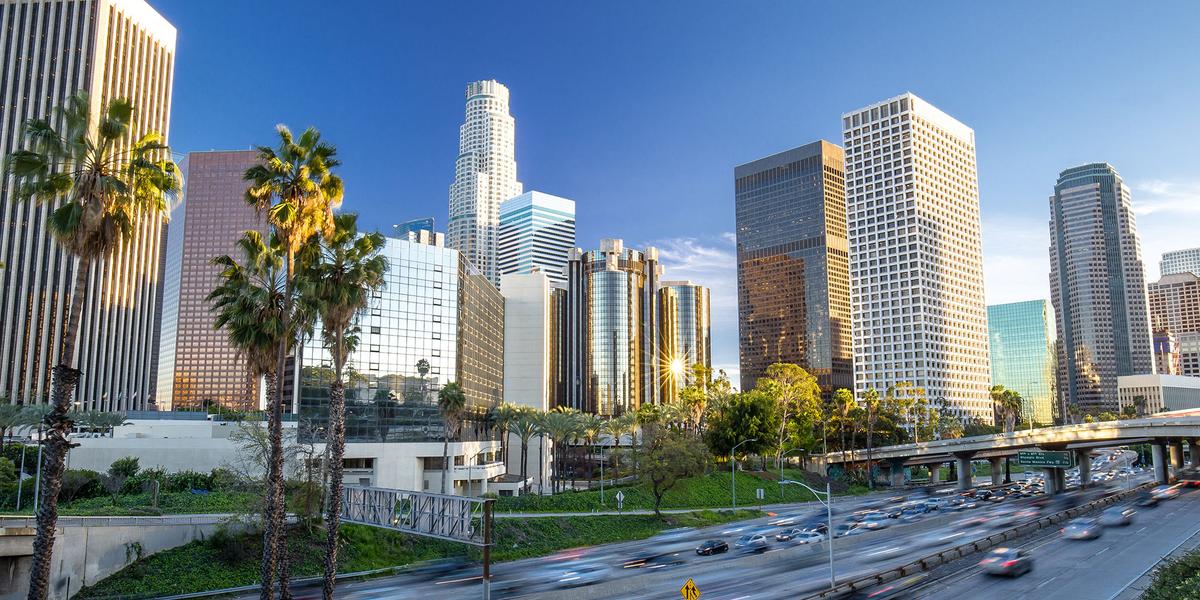
Understanding Los Angeles’s Mediterranean Climate
Los Angeles boasts a distinct Mediterranean climate, characterized by warm, dry summers and mild, wetter winters. This classification, however, is a broad stroke for a region as geographically diverse as [Los Angeles] County. The proximity to the Pacific Ocean plays a crucial role, moderating temperatures and creating a more temperate coastal strip compared to the hotter, more arid inland valleys. This oceanic influence is responsible for the famously “May gray” and “June gloom” phenomena, periods when persistent marine layer clouds can shroud the coast in a cool, gray mist, often burning off by the afternoon or dissipating further inland.
Seasonal Variations and Their Impact on Travel
While the term “mild winters” might evoke images of perpetual spring, Los Angeles does experience a distinct wet season, typically from November to March. These months can bring scattered rain showers, sometimes in the form of more substantial storms that can impact outdoor activities. However, even during these periods, sunshine is frequent, and temperatures remain pleasant, rarely dipping below the mid-50s Fahrenheit.
Summer, from June to September, is generally dry and warm to hot. Coastal areas benefit from the cool ocean breeze, keeping temperatures in the comfortable 70s and 80s Fahrenheit. As you move inland, away from the coast, temperatures can soar into the 90s and even exceed 100 degrees Fahrenheit, especially in areas like the San Fernando Valley. This distinction is vital for visitors; a day at Santa Monica Pier might feel entirely different from a hike in the Santa Monica Mountains during peak summer.
Spring and fall offer some of the most idyllic weather conditions. Spring, from March to May, sees temperatures gradually warming, with more sunshine and less chance of rain. Fall, from October to November, often provides a continuation of summer-like warmth, with crisp, clear days and cooler evenings, making it a prime time for exploring the city’s outdoor attractions.
Decoding Today’s Forecast: Key Factors to Consider
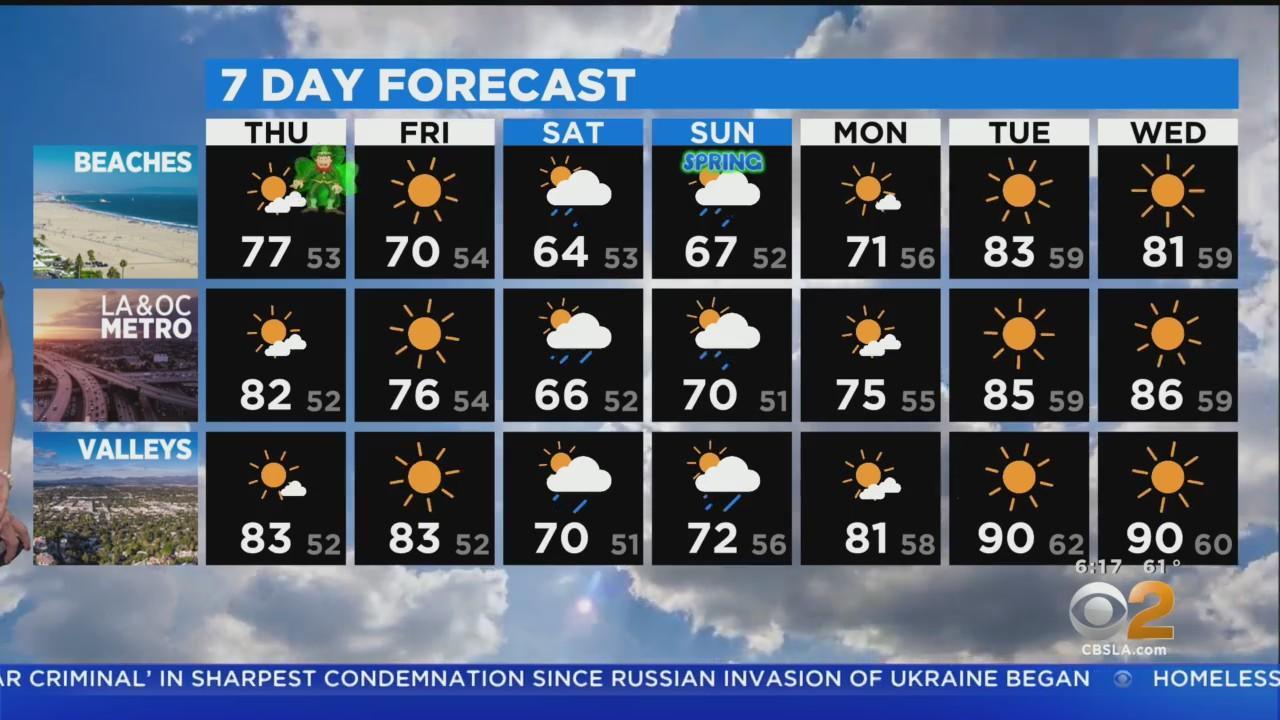
When checking the weather for Los Angeles today, several key factors will dictate the conditions you can expect:
- Coastal vs. Inland: This is perhaps the most significant differentiator. Coastal areas will almost always be cooler and more humid due to the marine layer and ocean breezes. Inland areas will be warmer and drier, especially during the summer months. When looking at a general forecast for “Los Angeles,” pay attention to whether the temperature reflects the coastal strip or a more central, inland location.
- Marine Layer Influence: The presence and depth of the marine layer are critical for coastal weather. If it’s thick, expect cooler temperatures, cloud cover, and potentially a lingering fog, particularly in the morning. If it’s thin or has burned off, sunshine and warmer temperatures will prevail.
- Wind Patterns: Los Angeles can experience Santa Ana winds, particularly in the fall and winter. These hot, dry, offshore winds can dramatically increase temperatures, lower humidity, and create hazardous fire conditions. They also can carry dust and pollutants, affecting air quality.
- Precipitation: While not a frequent occurrence outside the winter months, rain is always a possibility. Understanding the likelihood and intensity of any forecasted precipitation will help you adjust your plans, whether it’s for a visit to Griffith Observatory or a stroll down Rodeo Drive.
- Humidity Levels: Even on warm days, the coastal humidity can be noticeable, contributing to a comfortable, less oppressive warmth. Inland, humidity is generally much lower, leading to a drier heat.
Planning Your Day Based on the Forecast
- Morning Activities: If the forecast indicates a significant marine layer, mornings along the coast might be cool and foggy. This can be perfect for a quiet walk on the beach or a leisurely breakfast at a beachfront cafe in Malibu. Inland, mornings will likely be clear and pleasant, ideal for an early hike in the Runyon Canyon Park.
- Afternoon Excursions: As the day progresses, the marine layer often burns off, revealing sunshine and warmer temperatures along the coast. This makes afternoons ideal for beach activities, exploring Venice Beach, or visiting outdoor attractions like Universal Studios Hollywood. Inland, afternoons can become quite hot, so seeking out air-conditioned venues like museums such as the Getty Center or shopping centers might be more appealing.
- Evening Entertainment: Evenings in Los Angeles are generally pleasant, with temperatures cooling down. Coastal breezes can keep the air fresh, while inland areas might experience a more significant drop in temperature. This makes evenings perfect for outdoor dining, catching a performance at the Hollywood Bowl, or enjoying the city lights from a rooftop bar.
Packing Essentials for Los Angeles Weather
Given the variability, smart packing is key to enjoying your time in Los Angeles. The principle of layering is highly recommended, especially for coastal visits.
- Light Layers: T-shirts, light blouses, and comfortable shorts or pants are staples for daytime. A light jacket, cardigan, or sweatshirt is essential for cooler mornings and evenings, particularly near the coast or during the winter months.
- Sun Protection: Even on cloudy days, the California sun can be strong. Pack sunscreen with a high SPF, a wide-brimmed hat, and sunglasses.
- Footwear: Comfortable walking shoes are a must for exploring the city’s many attractions. If you plan on spending time at the beach or engaging in water sports, sandals or flip-flops are appropriate. For hiking in the hills, sturdy closed-toe shoes are advisable.
- Rain Gear (Seasonal): If visiting during the winter months (November-March), a compact umbrella or a light, waterproof jacket might be useful, though heavy rain is not a constant feature.
- Evening Attire: Los Angeles has a relaxed yet stylish vibe. While casual wear is acceptable for most daytime activities, you might want to pack a slightly dressier outfit for evenings out at upscale restaurants or entertainment venues.

Beyond the Forecast: Microclimates and Unique Weather Phenomena
It’s crucial to remember that Los Angeles is a vast region with diverse geography, leading to numerous microclimates.
- Downtown Los Angeles (DTLA): Often experiences higher temperatures than the coast due to less oceanic influence and more urban heat island effect.
- The Valleys: Areas like the San Gabriel Valley and the San Fernando Valley are known for their more extreme temperature fluctuations, hotter summers, and cooler winter nights.
- Mountainous Regions: Higher elevations in the San Gabriel Mountains can experience significantly cooler temperatures, and even snow in the winter months, a stark contrast to the coastal plains.
Even within the city limits, you can experience variations. A quick drive from the beach to a neighborhood a few miles inland can result in a noticeable temperature difference. Being aware of these nuances allows for a more accurate anticipation of conditions and helps in making informed decisions about your daily itinerary, ensuring your visit to the City of Angels is as pleasant and comfortable as possible.
LifeOutOfTheBox is a participant in the Amazon Services LLC Associates Program, an affiliate advertising program designed to provide a means for sites to earn advertising fees by advertising and linking to Amazon.com. Amazon, the Amazon logo, AmazonSupply, and the AmazonSupply logo are trademarks of Amazon.com, Inc. or its affiliates. As an Amazon Associate we earn affiliate commissions from qualifying purchases.