
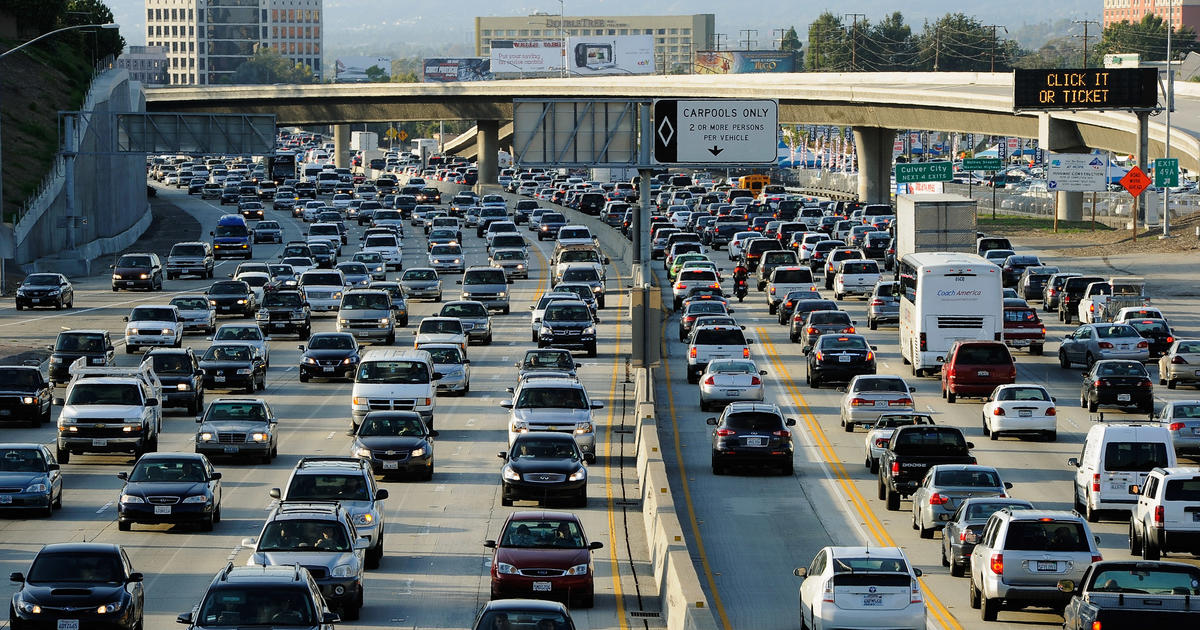
Navigating the sprawling metropolis of Los Angeles requires a keen understanding of its unique rhythms, and perhaps none are more critical to a smooth visit than the ebb and flow of its infamous traffic. “Rush hour” in Los Angeles isn’t just a fleeting period; it’s a defining characteristic of daily life, influencing everything from morning commutes to evening excursions. For travelers and tourists, knowing these peak times can mean the difference between efficiently reaching a coveted Hollywood landmark or spending precious hours stuck on the Santa Monica Freeway. This guide aims to demystify Los Angeles rush hour, providing insights that will help you plan your itinerary and maximize your exploration of the City of Angels.
Understanding Los Angeles Traffic Patterns
The sheer scale of Los Angeles County, coupled with its car-centric culture, results in a complex and often challenging traffic landscape. Unlike some cities where rush hour is confined to a strict two-hour window, Los Angeles experiences extended periods of heavy congestion. This is not solely dictated by the traditional 9-to-5 workday, but also by the city’s vast geography, the dispersed nature of its major employment centers, and the numerous entertainment and cultural attractions that draw crowds at various times.
The Traditional Morning and Evening Peaks
The most predictable periods of heavy traffic align with the typical workday.
-
Morning Rush Hour: Generally begins around 6:00 AM and can last until 10:00 AM, with the heaviest congestion typically occurring between 7:00 AM and 9:00 AM. During this time, commuters are heading from residential areas like the San Fernando Valley or the San Gabriel Valley into downtown Los Angeles, Westwood, or the Playa Vista tech hub. Major freeways such as the I-10, I-405, I-101, and SR-110 will see significant slowdowns.
-
Evening Rush Hour: This period typically starts earlier, around 3:00 PM, and can extend as late as 7:00 PM or even 8:00 PM, particularly on Fridays. The congestion is a mirror image of the morning, with people departing from work centers and heading back to their homes. The freeways become saturated as drivers attempt to leave urban cores and return to suburban areas.
Beyond the Standard Schedule: Extended Congestion
What sets Los Angeles apart is the fluidity and extension of its traffic.
-
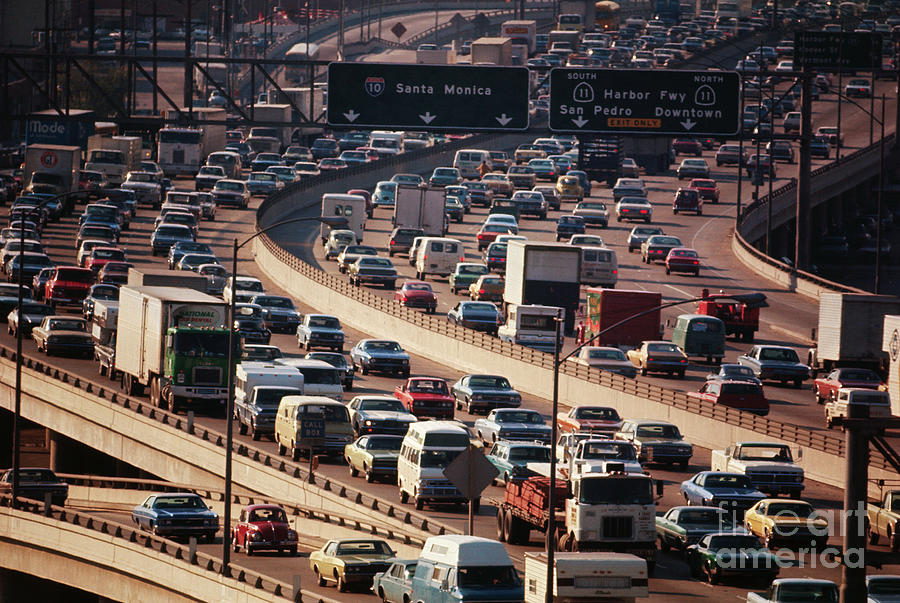
Mid-day Traffic: Even outside of traditional rush hours, major arteries can experience substantial traffic, especially around popular destinations like Universal CityWalk or during lunch hours in business districts. The I-10 corridor between downtown and Santa Monica is notorious for its consistent congestion, often referred to as the “10 Deadly Miles.”
-
Weekend Congestion: Weekends bring their own set of traffic challenges. Saturdays and Sundays see increased volume as locals and tourists alike flock to beaches, theme parks like Disneyland or Knott’s Berry Farm, shopping centers, and cultural attractions. Traffic heading towards coastal areas like Malibu or the beaches of Orange County can be particularly heavy on weekend mornings and late afternoons.
-
Event-Driven Traffic: Major sporting events at the Los Angeles Memorial Coliseum, concerts at the Hollywood Bowl, or premieres at the TCL Chinese Theatre can create localized, but intense, traffic jams. These events often cause significant delays in surrounding neighborhoods and on access freeways for several hours before and after the scheduled start and end times.
Navigating Los Angeles: Strategic Travel Tips
To successfully navigate Los Angeles and minimize the impact of rush hour on your travel plans, consider these strategic tips.
Timing is Everything
-
Early Bird Gets the Open Road: Whenever possible, start your day early. Departing before 6:30 AM can significantly reduce your travel time, allowing you to reach your destination before the primary wave of commuters. This is especially beneficial for visiting popular attractions that open early, like the Griffith Observatory.
-
Embrace the Mid-day Lull: If your schedule allows, plan longer journeys or visits to attractions during the mid-day hours, typically between 10:00 AM and 2:30 PM. This period often offers a respite from the most intense congestion, though it’s never entirely traffic-free.
-
Evening Strategy: For evening activities, aim to arrive before 5:00 PM or wait until after 7:30 PM to avoid the peak outbound commute. If you have dinner reservations, consider dining slightly earlier or later than the standard 7:00 PM slot.
Leveraging Alternative Transportation
While Los Angeles is known for its cars, exploring alternative transportation options can be a game-changer.
-
Public Transit: The Los Angeles Metro system offers a growing network of rail lines and bus routes. The Metro Rail, particularly lines like the Red Line (connecting downtown to the San Fernando Valley) and the Expo Line (connecting downtown to Santa Monica), can be a lifesaver for avoiding traffic on key corridors. Consider purchasing a TAP card for easy fare payment.
-
Ride-Sharing Services: Services like Uber and Lyft are abundant and can be a convenient option for shorter trips or when direct access to public transit is limited. However, be aware that during peak rush hours, ride-share prices can surge, and travel times may not be significantly shorter than driving yourself due to the general congestion.
-
Biking and Scooters: For shorter distances within specific neighborhoods, like around Santa Monica or downtown Los Angeles, electric scooters and bike-sharing programs offer a fun and efficient way to get around. Ensure you are familiar with local laws regarding their use.
Technology as Your Ally
-
Real-Time Navigation Apps: Employing navigation apps like Google Maps, Waze, or Apple Maps is non-negotiable. These apps provide real-time traffic data, suggest alternative routes, and can often predict congestion based on historical patterns. Regularly checking your route is essential.
-
Traffic Camera Feeds: Many traffic apps integrate with traffic camera feeds, allowing you to visually assess conditions on specific freeways or intersections.
Understanding Specific Zones and Corridors
Some areas and routes are notoriously worse than others.
-
The I-10 Corridor: As mentioned, the Interstate 10 (I-10) is a major east-west artery that connects downtown Los Angeles to Santa Monica. It is consistently burdened by heavy traffic throughout the day.
-
The I-405 Freeway: This north-south freeway is one of the busiest in the nation, especially the segment through the Westside. It’s known for its unpredictable slowdowns and lane closures.
-
Downtown Los Angeles: Navigating downtown during business hours and commute times can be particularly challenging due to the concentration of office buildings and the complex street grid.
-
The Beach Cities: On weekends and holidays, routes leading to areas like Santa Monica, Venice Beach, and further south to Orange County can experience severe delays.
Planning Your Los Angeles Itinerary with Traffic in Mind
When planning your visit to Los Angeles, incorporate traffic considerations into your daily schedule.
Day Trips and Excursions
-
Theme Parks: If visiting Disneyland in Anaheim or Universal Studios Hollywood, aim to leave your hotel at least an hour earlier than you think you’ll need to. Weekday mornings are generally better than weekends for avoiding the initial rush of park-goers.
-
Coastal Exploration: A drive along the Pacific Coast Highway (PCH) can be breathtaking, but traffic can be a significant deterrent, especially on weekends. Consider visiting Malibu or the beaches of Santa Monica on a weekday morning. Parking can also be a challenge, so arriving early increases your chances of securing a spot.
-
Cultural Attractions: Museums like The Getty Center, LACMA, or The Broad are popular destinations. While generally accessible, traffic leading to these areas can be heavy during peak commute times. Plan your visits for mid-morning or early afternoon.

Dining and Entertainment
-
Restaurant Reservations: If you have a dinner reservation in a popular dining district like West Hollywood or Beverly Hills, factor in extra travel time. Even a short 10-mile drive can take 30-45 minutes or more during rush hour.
-
Evening Shows: Attending a performance at the Hollywood Bowl, a concert at the Greek Theatre, or a movie premiere requires careful timing. Aim to arrive at your venue at least 45 minutes to an hour before the event starts to account for traffic and parking.
By understanding the nuances of rush hour in Los Angeles, you can transform a potentially frustrating experience into a manageable part of your adventure. A little planning and flexibility go a long way in unlocking the true magic of this dynamic city.
LifeOutOfTheBox is a participant in the Amazon Services LLC Associates Program, an affiliate advertising program designed to provide a means for sites to earn advertising fees by advertising and linking to Amazon.com. Amazon, the Amazon logo, AmazonSupply, and the AmazonSupply logo are trademarks of Amazon.com, Inc. or its affiliates. As an Amazon Associate we earn affiliate commissions from qualifying purchases.