
Half Moon Bay, a name that conjures images of serene coastlines and dramatic ocean vistas, is nestled on the central coast of California. This picturesque city, part of San Mateo County, is strategically positioned to offer both tranquility and accessibility, making it a highly sought-after destination for travelers seeking a quintessential Northern California experience. Its location is a key aspect of its charm, providing a unique blend of stunning natural beauty and a vibrant, yet laid-back, community spirit.
Pinpointing Half Moon Bay: A Coastal Gem
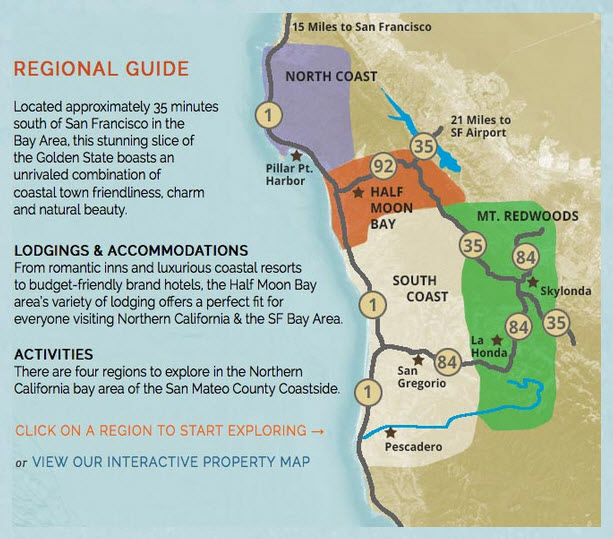
Geographically, Half Moon Bay is situated approximately 28 miles south of San Francisco and about 35 miles northwest of San Jose. It lies directly on the shoreline of the magnificent Pacific Ocean, benefiting from a mild, Mediterranean climate tempered by refreshing ocean breezes. The city itself is relatively small, with a population that hovers around 12,000 residents, contributing to its charming, small-town atmosphere despite its popularity as a tourist destination.
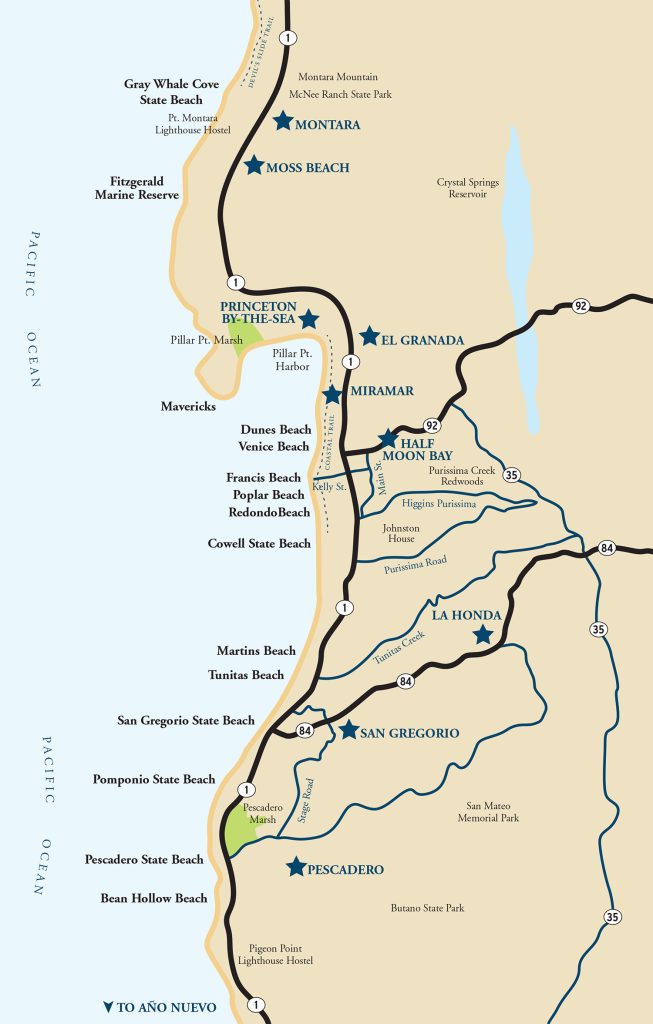
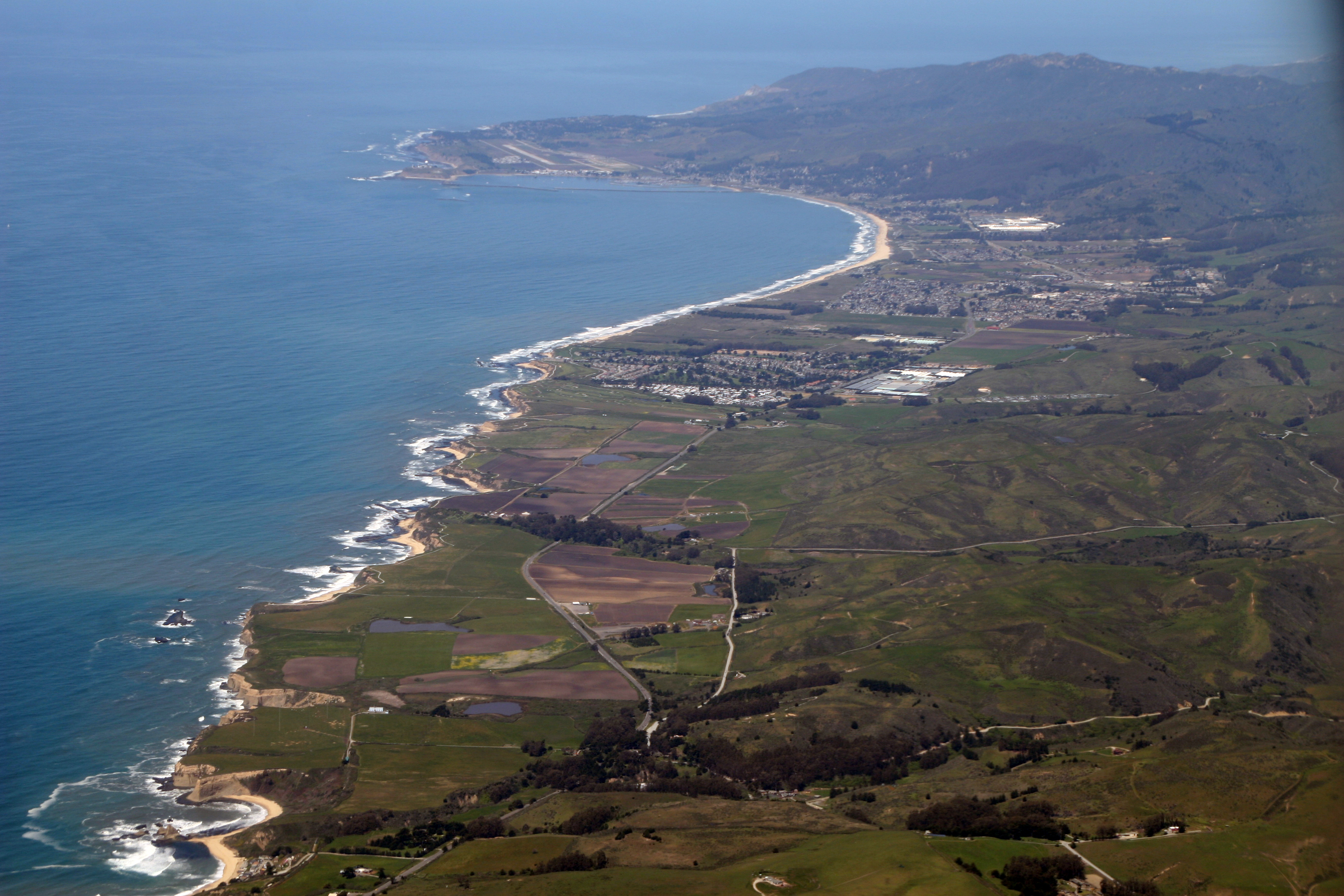
The exact coordinates place it around 37.4633° N latitude and 122.4286° W longitude. This positioning on the western edge of the San Francisco Peninsula means it is framed by rolling hills to the east and the expansive Pacific Ocean to the west. The surrounding landscape is a captivating mix of agricultural fields, particularly artichoke and pumpkin farms that thrive in the fertile coastal soil, and dramatic bluffs that plunge into the ocean. This immediate environment contributes significantly to the unique allure of Half Moon Bay, distinguishing it from other coastal towns with its diverse topography and natural endowments.
From major urban centers like Oakland, Half Moon Bay is also readily accessible, generally within an hour’s drive, depending on traffic conditions. This close proximity to metropolitan areas, coupled with its distinct atmosphere, allows visitors to easily escape the urban hustle and immerse themselves in a coastal retreat without extensive travel. The relatively short distance from these major hubs makes it an ideal choice for weekend getaways, day trips, or longer vacations, positioning it as an indispensable part of any Northern California travel itinerary.
The Journey to Half Moon Bay: Accessibility and Scenic Routes
Reaching Half Moon Bay is as much a part of the travel experience as the destination itself, thanks to the exceptionally scenic routes that lead to its shores. The most iconic approach is undoubtedly via Highway 1, California’s legendary coastal road.
From the north, travelers departing from San Francisco can take Highway 1 directly south. This route is famous for its breathtaking ocean views, winding along cliffsides with dramatic drops to the Pacific Ocean below. The drive is dotted with numerous pull-offs where visitors can stop to admire the expansive ocean, watch surfers, or simply breathe in the crisp sea air. This segment of Highway 1 meanders through tunnels and past small beach communities, building anticipation for the arrival in Half Moon Bay.
For those approaching from the east or inland, primarily from San Jose or Oakland, the most common route involves Interstate 280 (I-280) and California State Route 92 (CA-92). Travelers would typically take I-280 to CA-92 west. The drive along CA-92 is equally picturesque, albeit different from the coastal drive. It traverses through agricultural lands, past pumpkin patches (especially prominent in autumn), and over rolling hills, offering pastoral views before descending into the town of Half Moon Bay. This route provides a distinct perspective, showcasing the agricultural heritage that complements the city’s maritime identity.
While public transportation options to Half Moon Bay exist, they are generally less direct and less convenient for tourists compared to driving. Local bus services connect the town to nearby communities, but for true flexibility and the ability to explore the surrounding attractions, a personal vehicle is highly recommended. The freedom to stop at scenic overlooks, detour to a farm stand, or explore a secluded beach is an integral part of the Half Moon Bay experience, best achieved with one’s own transport. Regardless of the chosen route, the journey to Half Moon Bay serves as an excellent prelude to the beauty that awaits.
What Makes Half Moon Bay a Premier Destination?
Beyond its convenient location and scenic access, Half Moon Bay stands out as a premier travel destination due to its rich tapestry of natural wonders, outdoor activities, and vibrant local culture.
Natural Wonders and Outdoor Pursuits
The coastline around Half Moon Bay is undeniably its crown jewel. Numerous beaches offer distinct experiences. Poplar Beach is popular for horseback riding and offers stunning cliffside trails. Miramar Beach and Roosevelt Beach are fantastic for long strolls, beachcombing, and enjoying the sunset. Further south, Cowell Ranch Beach provides a more secluded experience, accessible via a picturesque trail through coastal fields.
For the adventurous, Half Moon Bay is internationally renowned for surfing, particularly at Mavericks. This legendary big-wave surf spot, located just north of the city near Pillar Point Harbor, attracts professional surfers from around the globe when massive winter swells roll in. Even if you’re not a surfer, watching the waves from the bluff overlooking Mavericks is a breathtaking spectacle.
Hiking and biking enthusiasts will find paradise along the California Coastal Trail, which offers miles of paved and unpaved paths winding along the bluffs and beaches, providing uninterrupted ocean views. Inland, the Purisima Creek Redwoods Open Space Preserve offers a dramatic contrast with its towering redwood groves and lush, fern-lined canyons, perfect for challenging hikes amidst ancient forests.
The Pacific Ocean itself is a playground for other activities. Whale watching tours depart regularly from Pillar Point Harbor during migration seasons (typically December through May), offering chances to spot gray whales, humpbacks, and even blue whales. Kayaking and paddleboarding are popular in the calmer waters of the harbor, providing a unique perspective of the coastline and local marine life.
Charming Town Life and Local Flavor
The heart of Half Moon Bay’s town life resides along its historic Main Street. Here, visitors can explore a delightful array of boutique shops, art galleries showcasing local talent, and charming cafes. The architecture reflects the town’s rich history, with many buildings dating back to the late 19th and early 20th centuries.
Dining in Half Moon Bay is an experience in itself, with an emphasis on fresh, locally sourced ingredients. Given its coastal location, seafood is a particular highlight, with numerous restaurants serving up everything from classic fish and chips to gourmet preparations of Dungeness crab, salmon, and rockfish, often caught just hours before. Farm-to-table restaurants also thrive, leveraging the bounty of the surrounding agricultural lands.
Seasonal events add another layer of allure. The most famous is the Half Moon Bay Art & Pumpkin Festival, held annually in October. This beloved event draws hundreds of thousands of visitors who come to celebrate the autumn harvest, featuring giant pumpkins, live music, craft vendors, and delicious pumpkin-themed treats. Other events throughout the year include art fairs, farmers’ markets, and various coastal celebrations that highlight the town’s unique character. The blend of natural beauty and a vibrant community ensures that there’s always something engaging to experience in Half Moon Bay.
Planning Your Visit: Tips for an Unforgettable Experience
To truly savor all that Half Moon Bay offers, a bit of planning goes a long way. This coastal paradise presents different charms throughout the year, catering to various travel preferences.
The best time to visit largely depends on your interests. Summer months (June to August) bring warmer temperatures, though typically still mild due to the ocean breeze, making it ideal for beach activities, hiking, and enjoying outdoor patios. However, this is also peak tourist season, meaning larger crowds and potentially higher accommodation rates. Spring (March to May) and Fall (September to November) offer what many consider the “sweet spot.” The famous California “fog season” often clears in September and October, revealing stunning clear days, perfect for coastal exploration. Fall also brings the vibrant Half Moon Bay Art & Pumpkin Festival, a major draw. Winter (December to February) is characterized by cooler temperatures and more rain, but it’s also prime whale watching season and when Mavericks often sees its colossal waves. Each season offers a distinct charm, so consider what experience you seek.
Accommodation options in Half Moon Bay cater to a range of tastes and budgets. From luxurious resorts like The Ritz-Carlton, perched majestically on a bluff overlooking the Pacific Ocean, to charming boutique inns and cozy bed & breakfasts within the town center, there’s a perfect stay for everyone. Booking well in advance, especially during peak season or festival dates, is highly recommended to secure your preferred lodging.
When packing, remember that coastal California weather can be unpredictable. Layers are essential, even on sunny days, as temperatures can drop quickly when the fog rolls in or the sun sets. Always include a light jacket or sweater, regardless of the season. Comfortable walking shoes are a must for exploring beaches and trails. Don’t forget sun protection – sunscreen, sunglasses, and a hat – as the coastal sun can be intense even on cloudy days. Binoculars are a great addition for bird watching, whale spotting, or simply admiring distant ships.
Finally, embracing responsible tourism is vital in Half Moon Bay. Respect the natural environment by staying on marked trails, properly disposing of waste, and being mindful of wildlife. Support local businesses by dining at local restaurants and shopping in independent stores. By being a considerate visitor, you help preserve the unique charm and natural beauty that make Half Moon Bay such a special place for everyone.
Beyond the Bay: Nearby Explorations
While Half Moon Bay itself offers an abundance of attractions and activities, its advantageous location also serves as an excellent base for exploring other captivating destinations along the California coast and surrounding regions. Venturing just a short distance allows travelers to discover even more of Northern California’s diverse beauty and unique character.
A scenic drive south on Highway 1 leads to the quaint town of Pescadero. This charming agricultural community is known for its artisan cheese, fresh farm produce, and rustic general store, Duarte’s Tavern, famous for its artichoke soup and olallieberry pie. Nearby, Pescadero State Beach offers beautiful tide pools and a serene lagoon, while Butano State Park provides excellent hiking opportunities amidst towering redwoods, reminiscent of Purisima Creek Redwoods Open Space Preserve but with its own distinct allure.
Further south still, one can reach Ano Nuevo State Park, a crucial breeding ground for northern elephant seals. During peak breeding season (typically December to March), guided tours offer a rare chance to observe these magnificent creatures up close in their natural habitat, a truly unforgettable wildlife experience. Reservations are often required well in advance due to the popularity and ecological sensitivity of the area.
For those interested in wine tasting, the Santa Cruz Mountains wine region is easily accessible from Half Moon Bay by heading inland. This acclaimed appellation, known for its challenging terrain and diverse microclimates, produces exceptional Pinot Noir, Chardonnay, and Cabernet Sauvignon. Numerous small, family-owned wineries offer intimate tasting experiences amidst picturesque vineyards.
Alternatively, a short drive north can take you back towards San Francisco for urban explorations, or across the bay to the vibrant tech hub of Silicon Valley. However, for many, the allure of the coast is too strong to resist, and the simple pleasure of discovering another secluded beach or a charming coastal village south of Half Moon Bay often proves to be the most rewarding extension of their trip. The strategic placement of Half Moon Bay ensures that a vast array of California’s diverse attractions are within easy reach, solidifying its status as an ideal travel hub.
LifeOutOfTheBox is a participant in the Amazon Services LLC Associates Program, an affiliate advertising program designed to provide a means for sites to earn advertising fees by advertising and linking to Amazon.com. Amazon, the Amazon logo, AmazonSupply, and the AmazonSupply logo are trademarks of Amazon.com, Inc. or its affiliates. As an Amazon Associate we earn affiliate commissions from qualifying purchases.