
The ubiquitous California sunshine and the allure of the Pacific Ocean often dominate the narrative of visiting Los Angeles. Yet, for many travelers, a distinct and often surprising characteristic of a trip to the City of Angels is the wind. From the gentle breezes that rustle palm trees along Santa Monica beach to the more forceful gusts that whip through the canyons, wind plays a significant, albeit sometimes overlooked, role in the L.A. experience. Understanding the meteorological forces at play can significantly enhance a visitor’s appreciation for the city’s dynamic environment and even inform travel plans, from what to pack to when to visit.

The Anatomy of L.A.’s Breezes
The wind patterns in Los Angeles are a complex interplay of regional geography, coastal influences, and broader atmospheric conditions. Unlike many cities that experience relatively uniform wind patterns, L.A.’s unique topography creates a diverse range of microclimates, each with its own typical wind characteristics.
Sea Breezes and Land Breezes: The Coastal Dance
One of the most common and predictable sources of wind in Los Angeles is the daily sea breeze. This phenomenon is driven by the temperature difference between the land and the ocean. During the day, the sun heats the landmass more rapidly than the cooler Pacific Ocean. As the land heats up, the air above it becomes less dense and rises, creating an area of lower atmospheric pressure. The cooler, denser air over the ocean then rushes in to fill this void, creating a breeze that blows inland. This is why coastal areas like Santa Monica, Malibu, and Venice Beach often experience refreshing breezes throughout the afternoon, a welcome respite from the inland heat.
Conversely, at night, the land cools down more quickly than the ocean. The air over the land becomes denser and sinks, creating higher pressure. The warmer air over the ocean rises, creating lower pressure, and the wind then shifts, blowing from the land out to sea – a land breeze. While less pronounced than the sea breeze, this pattern contributes to the overall wind circulation along the coast. These daily cycles are fundamental to the coastal climate and are a key reason why many visitors choose accommodations near the beach for a cooler experience.
The Santa Ana Winds: A Powerful, Infamous Force
While sea breezes are typically predictable and pleasant, Los Angeles is also subject to the notorious Santa Ana winds. These powerful, hot, and dry offshore winds are a seasonal phenomenon, typically occurring in the fall and winter months, though they can manifest at other times of the year. The Santa Ana winds originate from the high desert plateau of the Great Basin and sweep southwestward towards Southern California.
The mechanism behind these winds involves high-pressure systems forming over the interior western United States. As this high-pressure air mass moves towards the lower pressure over the Pacific Ocean, it is forced through the mountain passes and canyons of Southern California, including those that funnel into the Los Angeles basin. As the air descends and compresses, it heats up significantly and dries out, leading to the characteristic high temperatures and low humidity associated with these events.
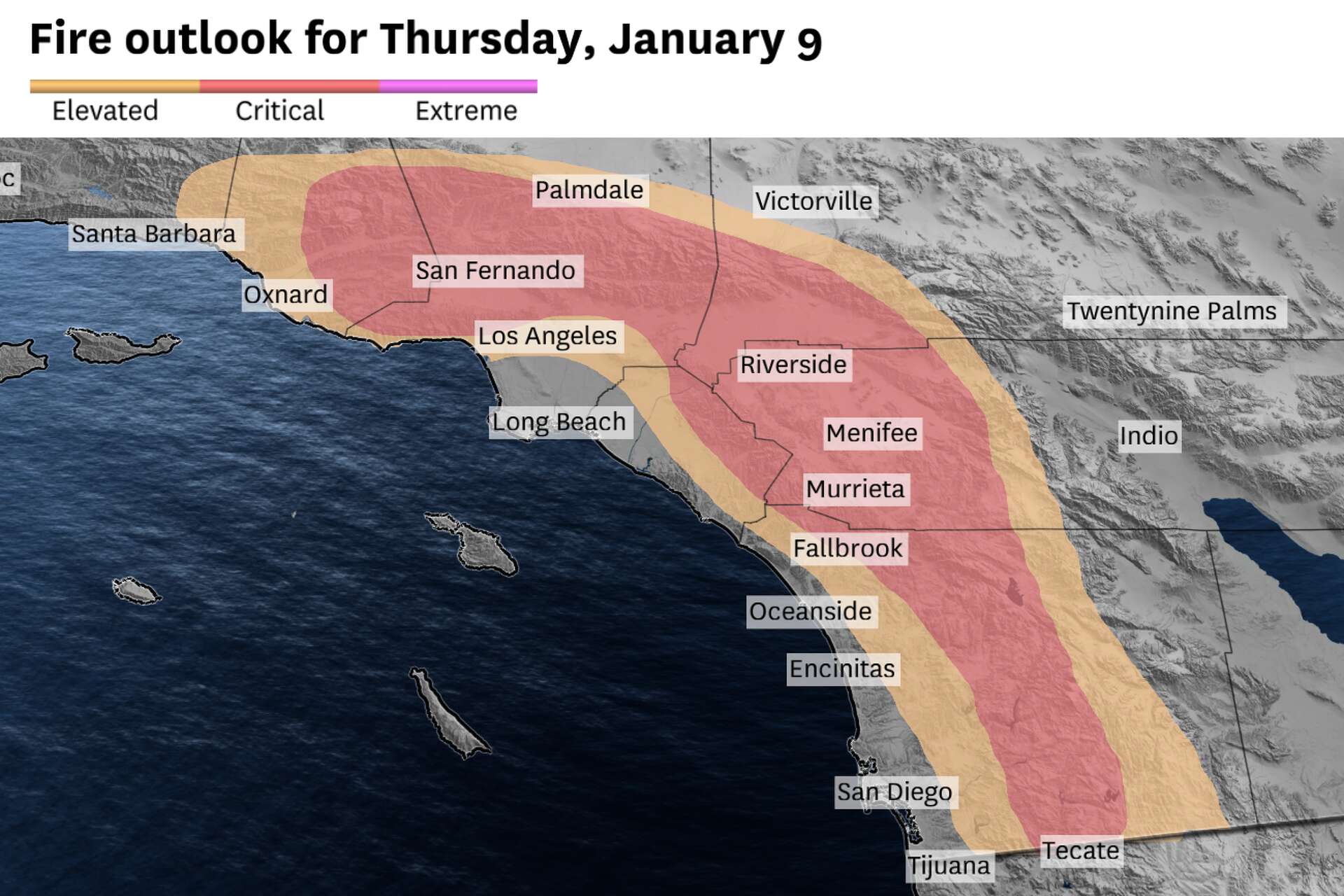
The impact of Santa Ana winds on the region is profound. They can dramatically increase temperatures, reduce humidity to critically low levels, and dramatically increase the risk of wildfires, a constant concern in the fire-prone landscape of Southern California. For visitors, Santa Ana conditions can mean unexpectedly warm weather, reduced visibility due to blowing dust and smoke, and a palpable sense of dryness. It’s important for travelers to be aware of these wind events, especially during wildfire season, as they can impact outdoor activities and even travel logistics.
Topographical Influences on L.A.’s Wind Patterns
Los Angeles is nestled within a vast basin surrounded by mountain ranges, a geographical feature that profoundly shapes its wind patterns. The interaction of prevailing winds with this complex topography creates localized wind effects that can vary significantly from one neighborhood to another.
The Role of the Mountains and Canyons
The San Gabriel Mountains to the north and east, and the Santa Monica Mountains to the west, act as significant barriers and funnels for air movement. When prevailing winds approach these mountain ranges, they are forced to rise, creating upslope winds on the mountain faces. As the air descends the other side, it compresses and heats up, contributing to warmer temperatures in the valleys and basins.
Canyons, in particular, act as natural wind tunnels. During the day, as the air heats up inland, a pressure gradient is established, and air is drawn inland through these canyons, intensifying the wind in specific areas. This is why some inland communities and neighborhoods situated near canyon mouths can experience significantly stronger winds than areas closer to the coast. For hikers exploring trails in the Santa Monica Mountains or visitors driving through scenic routes, these canyon winds can be a notable feature of their experience.
Urban Heat Island Effect and Wind

The urban environment itself can also influence wind patterns. The urban heat island effect, where cities are warmer than surrounding rural areas due to human activities and built environments, can create localized low-pressure zones. This can further enhance the inflow of cooler air from the ocean during the day, contributing to the sea breeze effect in urban coastal areas. However, in dense urban cores, tall buildings can also disrupt and channel wind, creating unpredictable gusts and localized areas of calm. Travelers exploring downtown Los Angeles may notice these varied wind conditions as they move between different urban landscapes.
Seasonal Variations and Visitor Considerations
The intensity and frequency of winds in Los Angeles can vary considerably throughout the year, impacting the visitor experience in several ways.
Spring and Summer: The Dominance of Sea Breezes
During the spring and summer months, the prevailing weather pattern is often characterized by a strong influence of the Pacific Ocean. High-pressure systems over the ocean tend to be stronger, pushing cooler marine air inland. This leads to a more consistent and refreshing sea breeze, especially in the afternoons. This is generally the most pleasant time of year for outdoor activities along the coast, with the wind providing a welcome cooling effect. Temperatures tend to be milder along the coast, while inland areas can experience more significant heat.
However, even during these months, occasional Santa Ana wind events can occur, bringing unseasonably warm and dry conditions. Visitors should always check weather forecasts, especially if planning outdoor events or excursions into fire-prone areas.
Fall and Winter: The Reign of the Santa Anas
As autumn progresses into winter, the atmospheric patterns shift. The contrast between the cooler continental air masses and the warmer Pacific waters becomes more pronounced, increasing the likelihood of Santa Ana wind events. These winds are particularly concerning during this period due to the dry vegetation left over from the summer and the potential for strong, sustained gusts that can fan flames rapidly.
For visitors, fall and winter in Los Angeles can be a mixed bag. While the days can be pleasantly mild and sunny, the presence of Santa Ana winds can bring significant challenges. Air quality can deteriorate due to smoke from wildfires, and outdoor activities might need to be adjusted or canceled. Conversely, the absence of Santa Ana winds during this period can lead to some of the most serene and mild weather of the year, with clear skies and comfortable temperatures ideal for exploring the city’s many attractions, from Griffith Observatory to the Getty Center.
Practical Tips for Travelers Navigating L.A.’s Winds
Understanding the wind patterns in Los Angeles can help travelers make the most of their visit and avoid any unpleasant surprises.
Packing and Attire Recommendations
When packing for a trip to Los Angeles, it’s wise to prepare for varied conditions. Even on a warm day, the coastal breeze can make it feel cooler, especially in the late afternoon or evening. Bringing a light jacket or sweater is advisable, particularly if you plan to spend time near the beach or explore areas like Griffith Park. If visiting during the fall or winter, be prepared for the possibility of stronger winds and cooler temperatures, especially if Santa Ana conditions are forecast. Sunglasses are essential year-round, not just for the sun but also to protect your eyes from blowing dust or sand, particularly during windy periods.
Planning Outdoor Activities
The wind can significantly influence outdoor activities. For beachgoers, a strong sea breeze can make sunbathing less oppressive but can also lead to choppy waters for swimming or surfing. When visiting popular attractions like the Hollywood Sign or hiking in the hills, be aware that wind can pick up, especially in exposed areas. If Santa Ana winds are active, outdoor activities may be less comfortable due to heat, dryness, and potential air quality issues. It’s prudent to check local weather reports and air quality indices before embarking on extensive outdoor excursions. For instance, a planned picnic at Grand Park might be more enjoyable on a calm day than during a gusty Santa Ana event.
Staying Informed and Adapting
The most crucial tip for travelers is to stay informed. Weather forecasts in Los Angeles often highlight wind conditions, especially when they are expected to be significant. Local news channels and weather apps provide real-time updates, including warnings for high winds or Santa Ana events. Being flexible with your itinerary can also be beneficial. If strong winds make beach activities less appealing, consider visiting indoor attractions like museums such as the Los Angeles County Museum of Art or exploring the shopping districts of Beverly Hills. By understanding the forces that create Los Angeles’s winds, visitors can better anticipate and adapt to this ever-present element of the Southern California experience, ultimately leading to a more enjoyable and insightful journey.
LifeOutOfTheBox is a participant in the Amazon Services LLC Associates Program, an affiliate advertising program designed to provide a means for sites to earn advertising fees by advertising and linking to Amazon.com. Amazon, the Amazon logo, AmazonSupply, and the AmazonSupply logo are trademarks of Amazon.com, Inc. or its affiliates. As an Amazon Associate we earn affiliate commissions from qualifying purchases.