
Divorce is a significant life transition that often necessitates a complete reevaluation of one’s financial landscape and future lifestyle. Among the myriad legal considerations, spousal support, commonly known as alimony, stands out as a crucial element in determining the post-divorce financial stability and lifestyle adjustments for both parties. In California, qualifying for alimony is not an automatic right but rather a complex process governed by a set of specific legal criteria and judicial discretion. Understanding these nuances is paramount for anyone navigating the path toward a new, independent lifestyle after the dissolution of marriage.

Understanding Spousal Support in California
Spousal support in California is designed to ensure that neither spouse experiences undue financial hardship as a direct result of the divorce, and to help both parties achieve a reasonable level of financial independence. It acknowledges that during a marriage, one spouse may have sacrificed career opportunities, educational advancement, or earning potential to support the other’s career, raise children, or maintain the household. The goal is often to provide a bridge, allowing the supported spouse to become self-sufficient over time, while recognizing the lifestyle established during the marriage.
The Discretionary Nature of Alimony
Unlike child support, which follows strict guidelines, spousal support in California is largely discretionary. While there are formulas used for temporary spousal support during the divorce proceedings, the decision for long-term or permanent support is made by a judge who considers a broad range of factors outlined in the California Family Code § 4320. This means that the outcome can vary significantly depending on the specific circumstances of each case, emphasizing the need for a thorough understanding of the qualifying criteria. There is no one-size-fits-all answer; rather, it’s an individualized assessment aimed at creating an equitable financial transition.
Goals of Spousal Support
The primary goals of spousal support typically involve balancing the needs of both parties, promoting self-sufficiency, and reflecting the marital standard of living. It is not intended to be a punitive measure against the paying spouse, nor is it meant to create perpetual dependency. Instead, it serves as a mechanism to help the spouse with lower earning capacity re-establish their career, acquire new skills, or simply manage daily expenses as they transition to a single-income household. This support is instrumental in helping individuals build a stable foundation for their future lifestyle, whether that involves pursuing new passions, re-entering the workforce, or simply maintaining their necessary living standards.
Key Factors Courts Consider for Qualification
California Family Code § 4320 provides a comprehensive list of factors that a judge must consider when determining whether to grant spousal support, and if so, its amount and duration. These factors aim to create a holistic picture of each spouse’s financial situation and contributions to the marriage. Understanding these points is crucial for anyone seeking or challenging alimony.
Marital Standard of Living and Earning Capacity
One of the most significant factors is the “marital standard of living.” This refers to the accustomed lifestyle enjoyed by the couple during the marriage. The court will assess the extent to which each party’s earning capacity can maintain that standard. This involves evaluating current income, future earning potential, and any impediments to employment. For instance, a spouse who dedicated years to childcare rather than career advancement may have a diminished earning capacity, making them a stronger candidate for support to help them rebuild their professional lifestyle.
Contributions to Career and Parental Responsibilities
The court also considers the extent to which the supported party contributed to the other party’s attainment of an education, training, a career position, or a license. This acknowledges the sacrifices often made by one spouse to elevate the other’s professional standing, which directly impacts their long-term lifestyle. Furthermore, the court assesses the extent to which the supported party’s present or future earning capacity is impaired by periods of unemployment incurred during the marriage to permit the supported party to devote time to domestic duties, such as raising children. This factor highlights the value placed on non-monetary contributions that significantly shape the family’s lifestyle.
Financial Needs, Assets, and Debts
A thorough examination of each party’s financial needs and ability to pay is central to the alimony decision. This includes evaluating all assets and debts, both community and separate property, and the resulting economic circumstances of each party. The court will consider the respective needs of each spouse, taking into account the marital standard of living. This ensures that the support order is realistic and does not unduly burden the paying spouse, while adequately addressing the essential lifestyle requirements of the recipient. The aim is to achieve a balance that allows both parties to maintain a reasonable quality of life post-divorce.
Duration of Marriage, Age, and Health
The length of the marriage is a critical determinant. For marriages lasting less than 10 years, spousal support is generally awarded for a period not exceeding half the length of the marriage. However, for “long-term” marriages (10 years or more), the court retains jurisdiction over spousal support indefinitely, meaning there is no presumed end date. The age and health of both parties are also important, as these factors can significantly impact earning capacity, employment prospects, and the ability to become self-supporting. An older spouse with health issues, for example, may require longer or greater support to maintain their lifestyle than a younger, healthier individual.
Types and Duration of Alimony
The type and duration of spousal support awarded in California are tailored to the specific circumstances of the divorce, aiming to provide appropriate financial assistance for a reasonable period while encouraging self-sufficiency.
Temporary vs. Long-Term Spousal Support
During the divorce proceedings, courts may order temporary spousal support to maintain the financial status quo until a final judgment is made. This is typically calculated using a formula based on income and deductions, and it aims to prevent immediate financial hardship. Once the divorce is finalized, long-term (or “permanent”) spousal support is determined based on the comprehensive factors outlined in California Family Code § 4320. The duration of long-term support varies widely, from a few years for rehabilitative purposes to an indefinite period in very long marriages, especially when one spouse has significantly limited earning capacity.
Rehabilitative Alimony and Self-Sufficiency
Many spousal support orders in California are designed to be rehabilitative, meaning they are intended to provide financial assistance for a period that allows the supported spouse to acquire the education, training, or experience necessary to become self-supporting. This directly impacts their ability to forge a new, independent lifestyle. The court will consider the supported spouse’s efforts to become self-sufficient when determining whether to modify or terminate support. This focus on rehabilitation underscores the principle that alimony is often a transitional tool, not a perpetual entitlement.
The “Ten-Year Rule” for Marriage Length
The duration of the marriage plays a pivotal role in the longevity of spousal support orders. For marriages lasting less than 10 years, California courts typically presume that spousal support should last for half the length of the marriage. For example, a six-year marriage might result in three years of spousal support. However, for marriages of “long duration”—defined as 10 years or more—there is no fixed end date for spousal support. The court retains jurisdiction over the order indefinitely, meaning it can be modified or terminated only upon a showing of a significant change in circumstances or until one party dies or the supported party remarries. This distinction profoundly impacts long-term financial planning and lifestyle adjustments for both individuals.
The Role of Legal Counsel and California Family Law
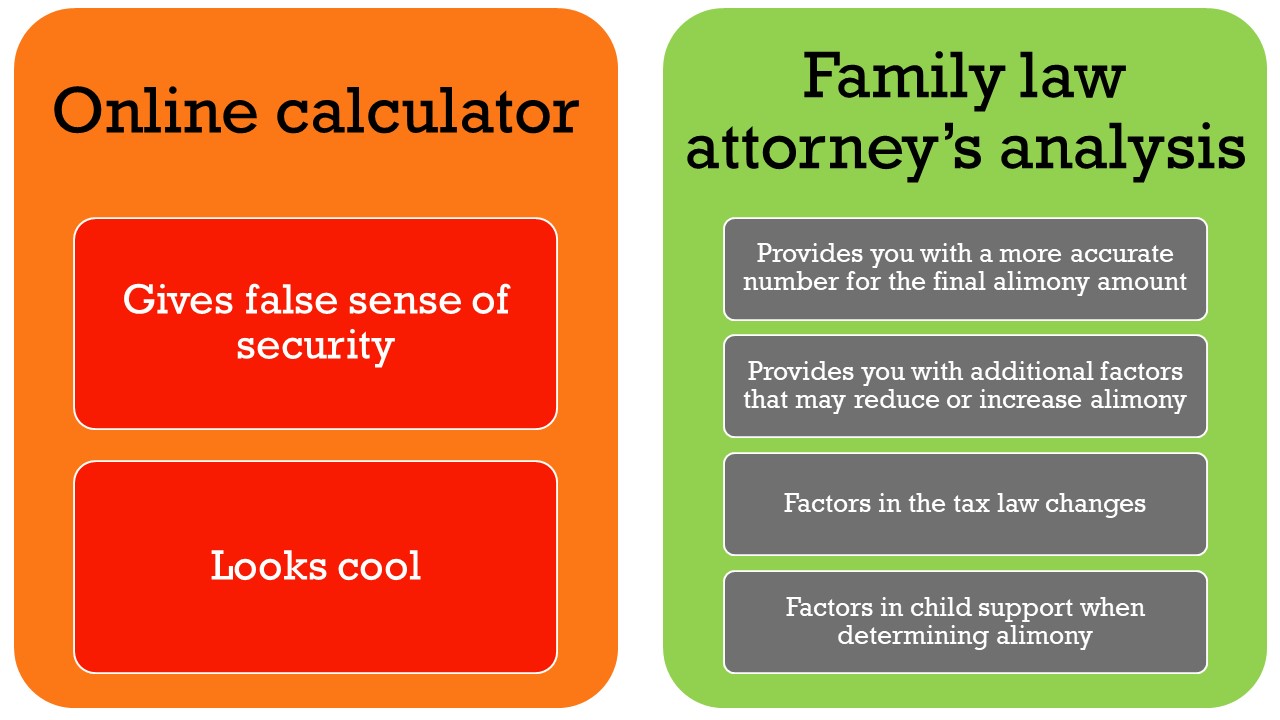
Given the discretionary nature and complexity of spousal support laws in California, professional legal guidance is indispensable. A skilled family law attorney can help individuals understand their rights and obligations, gather necessary documentation, and present their case effectively to the court. This is crucial for securing a fair and sustainable financial outcome that supports the individual’s transition to a new chapter in life.
Navigating Complex Financial Disclosures
Determining eligibility and appropriate amounts of spousal support requires a thorough and accurate disclosure of financial information from both parties. This includes income, expenses, assets, and debts. Legal counsel can assist in compiling these complex disclosures, ensuring compliance with legal requirements, and identifying any discrepancies or hidden assets. Accurate financial representation is fundamental to a just alimony determination and critical for establishing a realistic foundation for future lifestyle planning.

Mediation and Litigation: Pathways to Resolution
While spousal support can be a contentious issue, there are various pathways to resolution. Many couples successfully negotiate spousal support agreements through mediation, which can be a more amicable and cost-effective approach than litigation. Mediation allows both parties to have greater control over the outcome and can lead to more flexible solutions tailored to their unique lifestyle needs. However, if an agreement cannot be reached, the matter will proceed to court for a judge to make the final determination based on the evidence presented. Regardless of the path, understanding the intricacies of California alimony law is crucial for achieving a secure and stable future lifestyle.
LifeOutOfTheBox is a participant in the Amazon Services LLC Associates Program, an affiliate advertising program designed to provide a means for sites to earn advertising fees by advertising and linking to Amazon.com. Amazon, the Amazon logo, AmazonSupply, and the AmazonSupply logo are trademarks of Amazon.com, Inc. or its affiliates. As an Amazon Associate we earn affiliate commissions from qualifying purchases.