
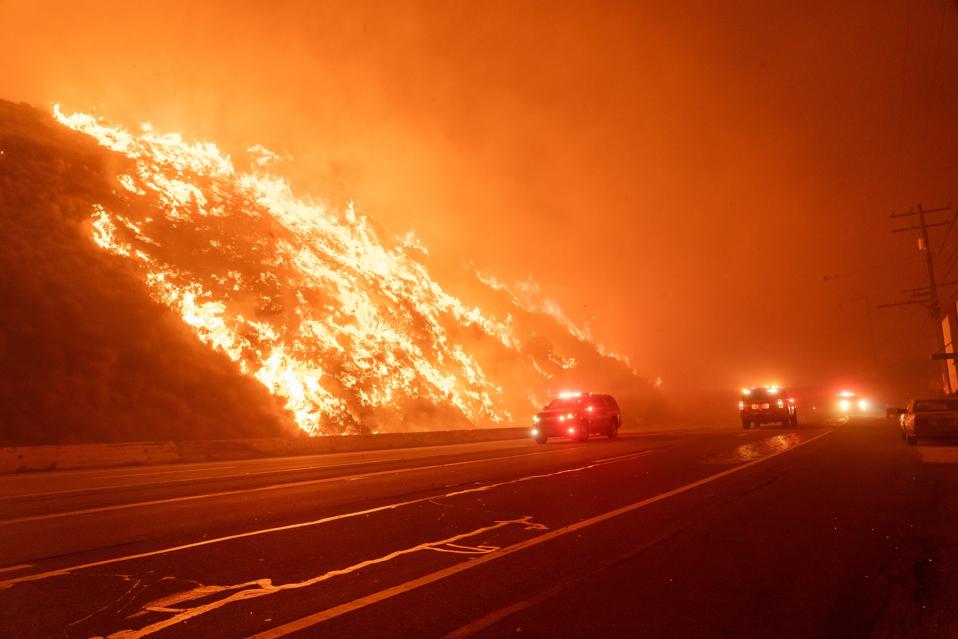
The question “Why Is Los Angeles On Fire?” evokes a visceral image, one that has become increasingly familiar to residents and observers of Southern California. While the title might suggest a singular, dramatic event, the reality is a complex interplay of environmental, geographical, and human factors that contribute to the persistent threat and, at times, devastating reality of wildfires in the sprawling metropolis of Los Angeles. Understanding these underlying causes is crucial for appreciating the challenges faced by this iconic city and for considering strategies to mitigate future risks.
The Santa Ana Winds: Nature’s Fiery Breath
Perhaps the most potent accelerant for fires in the Los Angeles basin are the notorious Santa Ana winds. These powerful, dry winds originate in the desert interior of the southwestern United States and sweep westward towards the Pacific coast, typically during the fall and winter months. Their arrival signals a dramatic shift in weather patterns, bringing with them a trifecta of conditions ripe for ignition and rapid fire spread:

Extreme Dryness
As the Santa Ana winds travel over land, they shed moisture. By the time they reach the Los Angeles area, they are exceptionally dry, often with relative humidity levels dropping into the single digits. This desiccating effect rapidly dries out vegetation, turning what might be green and pliable into brittle tinder, easily ignited by a spark.
High Wind Speeds
The sheer force of the Santa Ana winds is a significant factor. Gusts can reach speeds well over 50 miles per hour, and sometimes even exceed 70 miles per hour. These high winds do more than just fan flames; they can carry embers for miles, igniting new fires far ahead of the main blaze, creating a firestorm effect that is incredibly difficult to contain. The winds also push fires uphill with astonishing speed, overwhelming traditional firefighting tactics.
Elevated Temperatures
Concurrent with the dry and windy conditions, the Santa Ana winds often bring unseasonably warm temperatures to the region. This combination of heat, low humidity, and strong winds creates what firefighters refer to as “critical fire weather,” where the potential for a small spark to escalate into a catastrophic wildfire is at its peak.
The Urban-Wildland Interface: A Blurring Boundary
Los Angeles is a city characterized by its vast and often unchecked expansion. This growth has led to an increased incidence of development directly adjacent to or even within natural, fire-prone landscapes. This phenomenon is known as the urban-wildland interface, and it presents a unique set of challenges for fire management and public safety.
The “Canyon” Homes and Hillsides

Many residential areas in Los Angeles are built into the steep hillsides and canyons, areas that are naturally covered in dense chaparral and coastal sage scrub – highly flammable vegetation types. These homes, while offering stunning views, are in direct proximity to the very fuel sources that drive wildfires. The terrain itself also poses challenges for firefighting, with limited access for equipment and evacuation routes that can become easily compromised.
Human Ignition Sources
While natural ignitions (like lightning) can occur, the vast majority of wildfires in populated areas are started by human activity. In the Los Angeles area, these can range from accidental sparks from faulty equipment, campfires left unattended, fireworks, to deliberate acts of arson. When these ignitions occur in or near the urban-wildland interface during periods of critical fire weather, the results can be devastating. The dense development means a higher probability of these human-caused ignitions occurring in hazardous locations.
Inadequate Defensible Space
For homes situated in the wildland interface, “defensible space” is a critical concept. This refers to the buffer zone around a structure that is managed to reduce fire intensity and prevent fire from reaching the home. It involves clearing flammable vegetation, trimming trees, and using fire-resistant landscaping. However, in many areas of Los Angeles, compliance with defensible space regulations can be inconsistent, leaving many homes vulnerable. The density of housing and the challenging terrain can make creating adequate defensible space a significant undertaking.
The Role of Climate Change and Vegetation Management
Beyond the immediate factors of wind and human activity, broader environmental trends are exacerbating the wildfire threat in Los Angeles.
Prolonged Drought and Drought Cycles
Southern California has historically experienced periods of drought, but climate change is intensifying these cycles and making them more prolonged. Extended periods without significant rainfall lead to widespread vegetation stress, creating vast quantities of dry, dead fuel. This fuel load then becomes incredibly susceptible to ignition and provides ample material for fires to grow rapidly.
Invasive Species and Fuel Load
Certain invasive plant species have become prevalent in the Los Angeles hillsides. Some of these, like cheatgrass, can grow quickly and create dense, fine fuel beds that burn very intensely and spread fires rapidly. Effective vegetation management, including prescribed burns and mechanical fuel reduction, is a complex and ongoing challenge, requiring careful consideration of ecological impacts and community safety. The sheer scale of the landscape and the potential for invasive species to outcompete native, less flammable vegetation complicate these efforts.
The Impact of Climate Change on Fire Season
Scientists predict that climate change will lead to longer and more intense fire seasons in California. Warmer temperatures, reduced snowpack in the mountains (which historically provides a vital water source well into the summer), and more extreme weather events all contribute to an environment where wildfires are more likely to start and spread with greater ferocity. This means that the traditional perception of fire season as a limited period of the year is shifting, with fire risks becoming a more year-round concern for communities in and around Los Angeles.
In conclusion, the question “Why Is Los Angeles On Fire?” is not answered by a single cause. It is the confluence of powerful natural forces like the Santa Ana winds, the ever-present threat of human ignition in a complex urban-wildland interface, and the compounding effects of climate change and vegetation dynamics. Addressing this persistent challenge requires a multi-faceted approach, encompassing improved land use planning, robust vegetation management, public education on fire prevention, and sustained efforts to mitigate the impacts of a changing climate on the Los Angeles region.
LifeOutOfTheBox is a participant in the Amazon Services LLC Associates Program, an affiliate advertising program designed to provide a means for sites to earn advertising fees by advertising and linking to Amazon.com. Amazon, the Amazon logo, AmazonSupply, and the AmazonSupply logo are trademarks of Amazon.com, Inc. or its affiliates. As an Amazon Associate we earn affiliate commissions from qualifying purchases.