
California’s coastline is a treasure trove of natural beauty and culinary delights, none more anticipated by locals and visitors alike than the annual crab season. For those planning a trip centered around fresh seafood, understanding the nuances of when and where to find the state’s most coveted crustacean is paramount. The crab season in California is not a static date on a calendar; rather, it’s a dynamic period influenced by marine biology, environmental conditions, and stringent regulatory measures designed to ensure sustainability and consumer safety. This makes timing your visit for peak crab season a strategic move, promising an immersive experience into the state’s vibrant coastal culture and unparalleled gastronomic adventures.

Understanding California’s Crab Harvest Calendar
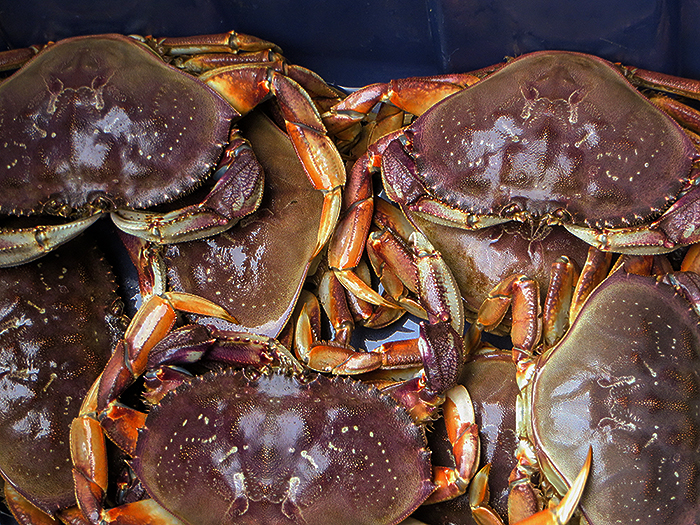
The cornerstone of California’s crab industry and culinary scene is undoubtedly the Dungeness crab. Renowned for its sweet, tender meat, it is the star of many a seafood feast. However, other species like Rock crab and Spiny lobster also offer distinct seasonal experiences for the discerning palate.
Dungeness Crab: The Golden State’s Prized Catch
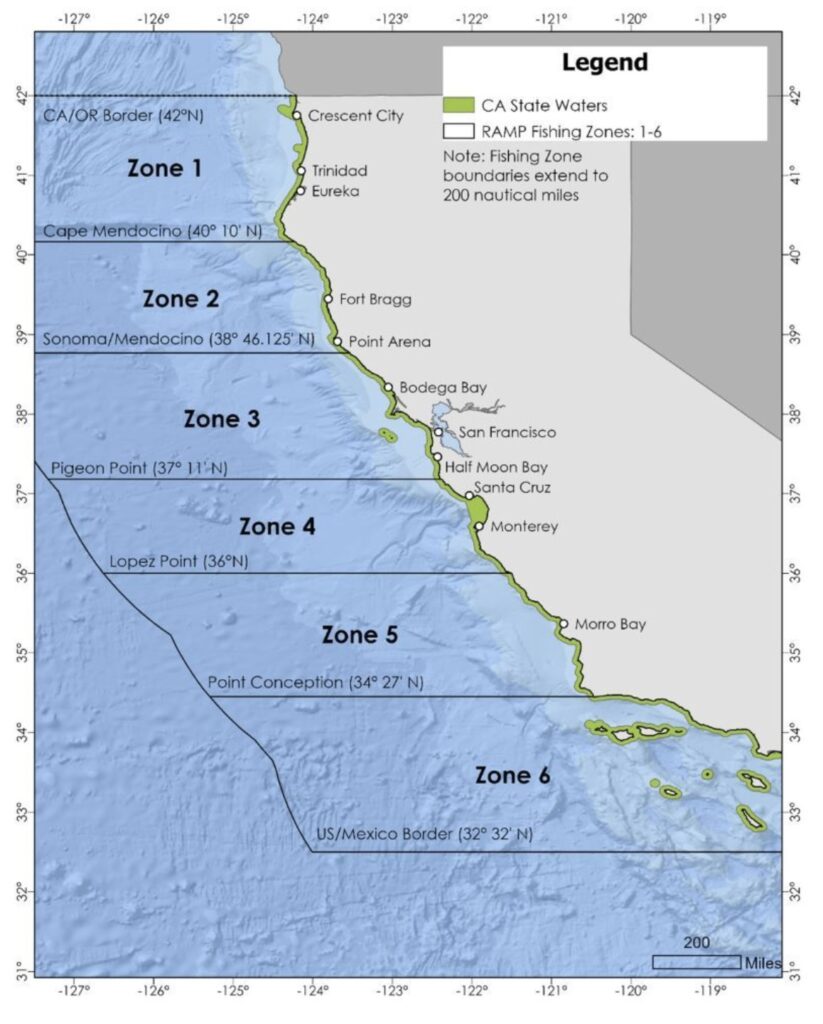
The commercial Dungeness crab season in California typically aims to open in early to mid-November, particularly in the central and northern parts of the state. Specifically, the season north of Mendocino County usually begins around December 1st, while areas from Mendocino County south to the Mexican border traditionally kick off in early November. This general timeframe, however, is subject to change. Over recent years, opening dates have frequently been delayed due to various factors, most notably the presence of domoic acid.
Domoic acid is a naturally occurring neurotoxin produced by certain harmful algal blooms. When crabs consume shellfish that have fed on these algae, the toxin can accumulate in their tissues, making them unsafe for human consumption. The California Department of Fish and Wildlife (CDFW) meticulously monitors ocean conditions and tests crabs for domoic acid levels. If levels exceed state health thresholds, the season’s opening or specific fishing zones may be delayed or even closed. These delays, while frustrating for fishers and consumers alike, are crucial for public health and reflect a commitment to responsible fisheries management.
Beyond domoic acid, other considerations like whale migration patterns can also impact season timing. To protect migrating whales from entanglement in fishing gear, closures or gear restrictions might be implemented, particularly in the early parts of the season. These measures underscore a broader commitment to marine ecosystem health alongside economic considerations. The Dungeness crab season typically runs through June or July, offering several months of opportunity once it commences. For tourists, this means that while early winter is often the target, visiting slightly later in the season (e.g., late winter to early spring) can sometimes guarantee a more stable and established supply. The economic impact of the Dungeness crab fishery on coastal communities, from Eureka to San Francisco and Half Moon Bay, is immense, supporting numerous livelihoods and shaping local culinary traditions.
Rock Crab & Spiny Lobster: Other Coastal Delights
While Dungeness crab commands much of the spotlight, California’s waters offer other delectable options. Rock crab (Cancer antennarius) is available year-round for recreational take, though commercial harvests might be more pronounced at specific times. They are smaller than Dungeness crab but offer sweet meat, particularly in their claws. Their availability provides a consistent option for those seeking fresh local seafood outside the strict Dungeness crab window.
Southern California also boasts a vibrant Spiny Lobster (Panulirus interruptus) season. Unlike their clawed Atlantic cousins, these lobsters are prized for their tail meat. The recreational Spiny Lobster season typically opens in late September or early October and runs through mid-March. Commercial fishing for Spiny Lobster usually mirrors this recreational season. For visitors exploring destinations like San Diego or Santa Barbara, experiencing the Spiny Lobster season can be a unique and equally rewarding culinary adventure, complementing the broader crab-centric tourism.
Experiencing Crab Season: A Tourist’s Guide
For the culinary traveler, crab season in California offers an unparalleled opportunity to engage with local food culture, from dockside purchases to gourmet dining.
Where to Find the Freshest Crab
The freshness of crab is paramount to its taste, and California’s coastal towns offer numerous avenues to procure the best catch.
- San Francisco: Fisherman’s Wharf is iconic, offering crab straight from the boiling pots on the pier. Numerous vendors set up shop, providing cracked crab to go or for immediate consumption at outdoor tables.
- Bodega Bay: A picturesque fishing village in Sonoma County, Bodega Bay is a prime spot for Dungeness crab. Visitors can often buy directly from fishing boats at the docks or from local seafood markets like Spud Point Crab Company.
- Half Moon Bay: Just south of San Francisco, Half Moon Bay is another popular destination. Pillar Point Harbor is bustling during crab season, with opportunities for dockside purchases and excellent seafood restaurants.
- Monterey: Along Cannery Row and Fisherman’s Wharf, Monterey offers numerous eateries serving fresh crab, often with stunning bay views.
- Santa Barbara: While known more for Spiny Lobster, Santa Barbara’s Stearns Wharf is a great place to find fresh seafood, including Dungeness crab when in season.
Local seafood markets in these and other coastal towns, such as Moss Landing or Morro Bay, are excellent resources for home cooks looking to prepare their own crab feast. Many markets will steam and crack the crabs for you, simplifying the process.
Culinary Adventures: From Crab Shacks to Fine Dining
The versatility of Dungeness crab means it can be enjoyed in countless ways, catering to all tastes and budgets.
- Classic Cracked Crab: Often served chilled or steamed with drawn butter, this is the purest way to experience the crab’s natural sweetness. Many casual eateries and dockside vendors specialize in this simple, yet profoundly satisfying, preparation.
- Cioppino: A San Francisco specialty, this hearty seafood stew features crab, fish, mussels, clams, and shrimp in a rich tomato-wine broth. It’s a must-try for any visitor to the Bay Area during crab season.
- Crab Cakes: While often associated with the East Coast, California chefs craft delicious crab cakes, emphasizing the fresh, sweet meat of Dungeness crab with minimal filler.
- Crab Sandwiches and Rolls: Casual cafes and delis often feature crab-filled sandwiches, sometimes served warm with butter or chilled with mayonnaise and celery, offering a lighter option.
- Fine Dining: Upscale restaurants across California elevate crab into sophisticated dishes, from intricate appetizers to elegant main courses, often paired with seasonal local produce and fine wines.
Exploring these culinary offerings allows tourists to delve deep into California’s diverse gastronomic landscape, with crab playing a starring role.
Crabbing as an Activity: Beyond the Plate
For the more adventurous traveler, participating in the crab harvest can be an incredibly rewarding experience, offering a deeper connection to the source of their seafood.
Recreational Crabbing: A Hands-On Experience
Recreational crabbing in California is a popular pastime, allowing individuals to catch their own Dungeness crab (during its specific recreational season, which generally mirrors the commercial season but has slightly different rules for some species).
- Permits and Gear: Anyone 16 years or older needs a valid California fishing license. Crabbing gear typically includes crab traps, hoop nets, or snares, which must adhere to specific regulations regarding size, escape rings for juvenile crabs, and buoy markings. It’s crucial to consult the latest CDFW regulations for specific rules on gear, bag limits, and minimum size requirements.
- Best Spots: Piers and jetties along the coast are popular and accessible spots for recreational crabbing. Locations like Pacifica Pier, Berkeley Pier, and parts of San Francisco Bay offer good opportunities. Many fishing charter companies also offer dedicated crabbing trips, especially during peak season, providing all necessary gear and expertise. This is an excellent option for beginners or those without their own equipment.
- Sustainability: Responsible crabbing practices are emphasized, including measuring crabs to ensure they meet the minimum size limit (typically 5¾ inches for Dungeness crab) and releasing females. These practices are vital for maintaining healthy crab populations for future generations.
Coastal Festivals and Events
Crab season is often celebrated with lively festivals and events that draw visitors from far and wide. These events are not just about food; they are vibrant showcases of local culture, music, and community spirit.
- Half Moon Bay Art & Pumpkin Festival: While primarily a pumpkin festival, its timing in October often coincides with the anticipated start of crab season, and fresh crab often makes an appearance, sometimes even having its own crab and seafood booths.
- Bodega Bay Fisherman’s Festival: Held annually, this festival celebrates the fishing heritage of Bodega Bay and almost always features ample fresh crab, seafood vendors, boat races, and live music. It’s an excellent way to immerse oneself in the local fishing culture.
- Various local “Crab Feeds” and seafood festivals pop up in communities along the coast throughout the season, offering all-you-can-eat crab dinners and lively entertainment. Checking local tourism boards for event listings close to your travel dates is highly recommended.
Planning Your California Crab Trip
A successful crab-centric trip to California requires a bit of planning, especially given the dynamic nature of the crab season.
Best Time to Visit for Crab
The ideal time to visit California for Dungeness crab is typically from late November through early spring (March/April). However, it is crucial to always check the latest season announcements from the California Department of Fish and Wildlife (CDFW) before making firm travel plans. Delays are common, and being flexible with your dates or having alternative activities planned is wise. Once the season is in full swing, the quality and availability of crab are generally excellent. Visiting during the height of winter can also provide a unique coastal experience, with dramatic weather and fewer crowds in some areas.
For Spiny Lobster, plan your visit to Southern California between October and March.
Essential Tips for the Crab Enthusiast
- Stay Informed: Regularly check the CDFW website for current season updates, closures, and recreational regulations.
- Book Accommodations: Popular coastal towns fill up quickly during peak seasons, so booking hotels or vacation rentals well in advance is advisable.
- Arrive Early: For dockside purchases or popular restaurants, arriving early can help avoid long lines, especially on weekends.
- Pack Layers: California’s coastal weather can be unpredictable, with cool mornings, warm afternoons, and chilly evenings. Layers are essential.
- Explore Beyond Crab: While crab is the focus, remember to enjoy the myriad of other attractions California has to offer, from scenic drives and state parks to wineries and historic sites. A crab trip can be perfectly integrated into a broader California coastal adventure, enriching your overall tourism experience.
The allure of fresh California crab is undeniable, drawing countless visitors to its shores each year. By understanding the seasons, knowing where to go, and embracing the local culture, tourists can savor not just a meal, but a truly authentic California experience.
LifeOutOfTheBox is a participant in the Amazon Services LLC Associates Program, an affiliate advertising program designed to provide a means for sites to earn advertising fees by advertising and linking to Amazon.com. Amazon, the Amazon logo, AmazonSupply, and the AmazonSupply logo are trademarks of Amazon.com, Inc. or its affiliates. As an Amazon Associate we earn affiliate commissions from qualifying purchases.