
Understanding the intricacies of sales tax in Louisiana is crucial for any traveler looking to experience the unique charm and vibrant culture of the Pelican State. While the allure of New Orleans‘ jazz clubs, the historic plantations along the Mississippi River, and the bayous of Acadiana are primary draws, the practicalities of budgeting for your trip cannot be overlooked. Louisiana’s sales tax structure is a patchwork of state, parish, and municipal rates, creating a dynamic landscape that can significantly impact the cost of goods and services, from souvenir shops to fine dining. This guide aims to demystify these rates, offering clarity for visitors to make informed purchasing decisions and truly immerse themselves in the Louisiana experience without unwelcome financial surprises.
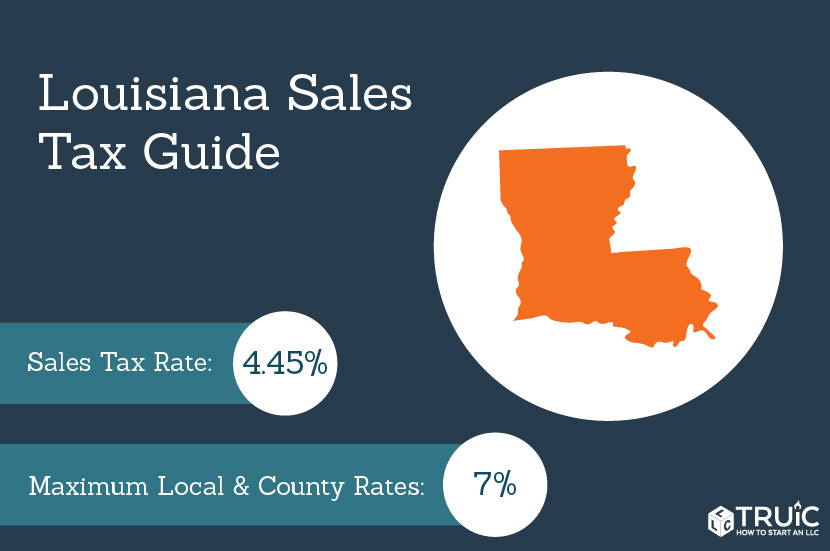
Louisiana’s Sales Tax Framework: A Multi-Layered Approach
The sales tax system in Louisiana is not a single, uniform rate but rather a composite of taxes levied at different governmental levels. This multi-layered approach is designed to generate revenue for various public services, from state infrastructure to local school districts and law enforcement. For a traveler, this means that the final sales tax you pay will depend on your specific location within the state.
The State Sales Tax Component
At the foundation of Louisiana’s sales tax is the state-level rate. This is the baseline tax applied across all parishes. The state sales tax rate is a significant portion of the overall tax burden, funding essential state functions and initiatives. While this rate is consistent statewide, it’s only one piece of the puzzle. Understanding this base rate is the first step in comprehending the full tax picture.
Parish and Municipal Add-Ons: The Variable Factors
The true complexity arises from the additional sales taxes imposed by individual parishes and, in many cases, by cities or municipalities within those parishes. Each parish has the authority to levy its own local sales tax, and this rate can vary considerably from one parish to another. Further compounding this are municipal sales taxes, which can be added on top of both state and parish rates. This means that a purchase made in Baton Rouge could have a different total sales tax than the exact same item bought in Shreveport or a smaller town. These local taxes are often dedicated to specific local needs, such as funding public transportation, maintaining parks, or supporting local law enforcement agencies. For travelers, this emphasizes the importance of being aware of their exact location when making purchases, especially for larger items or services.
Special Districts and Their Impact
Beyond state, parish, and municipal taxes, Louisiana also has a variety of special districts that can levy their own sales taxes. These might include transportation districts, regional transit authorities, or special improvement districts. While less common than parish or municipal taxes, their existence further contributes to the potential variability in sales tax rates. Identifying these smaller tax jurisdictions is often more challenging for visitors, but they represent another layer that can influence the final price of goods.
Navigating Sales Tax Rates by Region and City
The diverse economic and demographic landscape of Louisiana translates into a wide spectrum of sales tax rates across its parishes and cities. To provide a more practical understanding, let’s explore some examples of how these rates can differ, particularly in popular tourist destinations.
The Dynamic Landscape of New Orleans and Surrounding Areas
New Orleans, a premier destination for its rich history, music, and cuisine, features one of the higher sales tax rates in the state. This is a combination of state, Orleans Parish, and a special “Riverfront” tax that often applies to goods and services within specific districts near the Mississippi River. For travelers enjoying the vibrant atmosphere of the French Quarter or the upscale boutiques on Magazine Street, this higher rate is a consideration. Nearby parishes may offer slightly lower rates, making a day trip for shopping or dining a potentially cost-effective option for those looking to economize. However, the unique cultural experiences and world-class attractions of New Orleans often make the added tax a worthwhile expense for visitors.
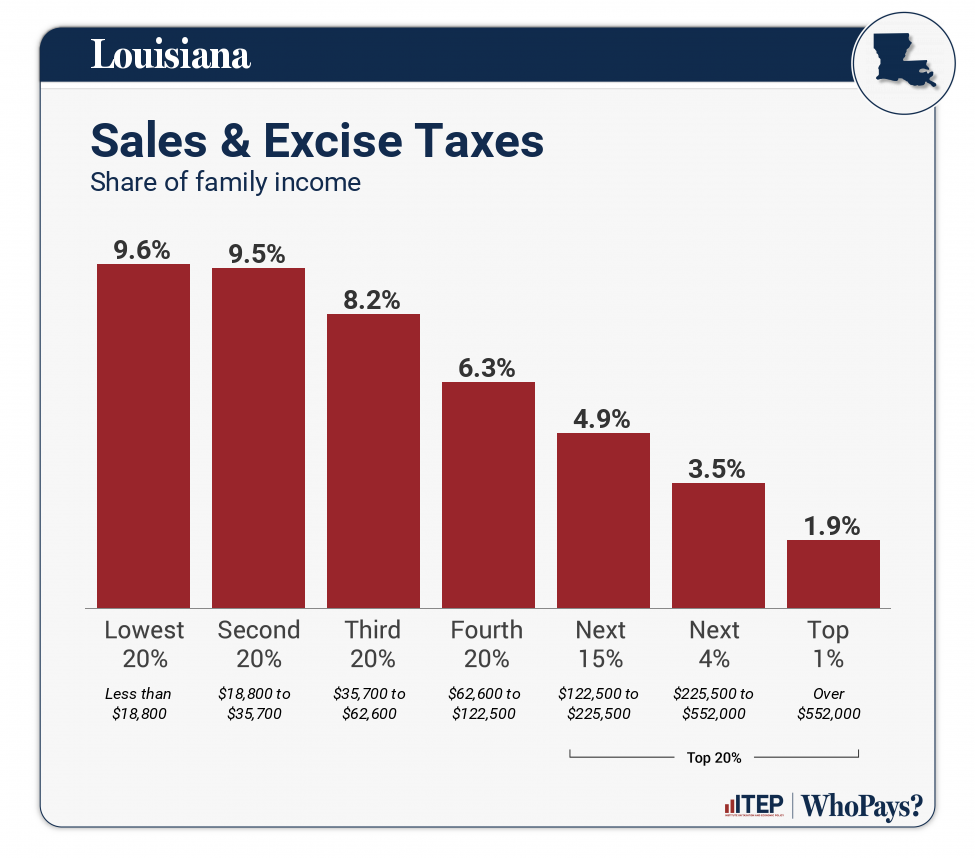
Central Louisiana: A Moderate Tax Environment
Parishes in Central Louisiana, such as Rapides Parish, often present a more moderate sales tax environment compared to the major metropolitan areas. While still encompassing state, parish, and potentially municipal taxes, the combined rates tend to be lower. This region, known for its natural beauty, historical sites like Fort Randolph & Fort Buhlow State Historic Site, and a more relaxed pace of life, can offer a budget-friendly experience for travelers. Whether purchasing local crafts or dining at a casual eatery, visitors might find their dollars stretching a bit further here.
Northern Louisiana: Variations in Tax Burdens
Northern Louisiana, including cities like Shreveport and Monroe, presents its own set of sales tax variations. Caddo Parish and Ouachita Parish, where these cities are located, have their own specific combined rates. These rates are influenced by local economic conditions and the need to fund public services within these urban centers. Travelers exploring the casinos, cultural attractions, and outdoor recreation opportunities in this part of the state will find that the sales tax is a factor in their overall spending, though often not as high as in some of the more populous southern regions.
Southern Louisiana’s Bayou Country
The southern part of the state, often referred to as Acadiana or Bayou Country, offers a unique cultural tapestry. Sales tax rates here can also vary significantly. Parishes like Lafayette Parish or St. Martin Parish will have their own specific combined rates. While the sales tax is a standard consideration, the authentic Cajun and Creole experiences – from the music and dance halls to the distinctive culinary traditions – are what draw visitors to this region. Budget-conscious travelers might find that exploring smaller towns and local markets can offer a more affordable way to experience the local flavor, while still factoring in the applicable sales taxes.
Estimating Your Sales Tax Burden: Tools and Considerations
Given the complexity of Louisiana’s sales tax, estimating your total tax burden can seem daunting. However, several resources and strategic approaches can help.
The Louisiana Department of Revenue’s Role
The Louisiana Department of Revenue is the primary state agency responsible for administering and enforcing tax laws. While they provide the foundational state sales tax rate, they also offer resources and information on parish and local tax rates. Their official website is a valuable, albeit sometimes complex, source for detailed rate information and updates. Understanding that the state government provides the framework and oversight for these taxes is key to appreciating the system.
Online Sales Tax Calculators and Resources
For travelers, especially those planning extensive shopping or booking services, online sales tax calculators can be incredibly useful. Many tourism websites and financial planning resources offer tools where you can input a location (city or parish) and get an estimated combined sales tax rate. These tools aggregate data from various sources to provide a quick estimate. However, it’s important to remember that these are estimates, and the most accurate information will always be based on the precise location of the transaction at the time of sale.
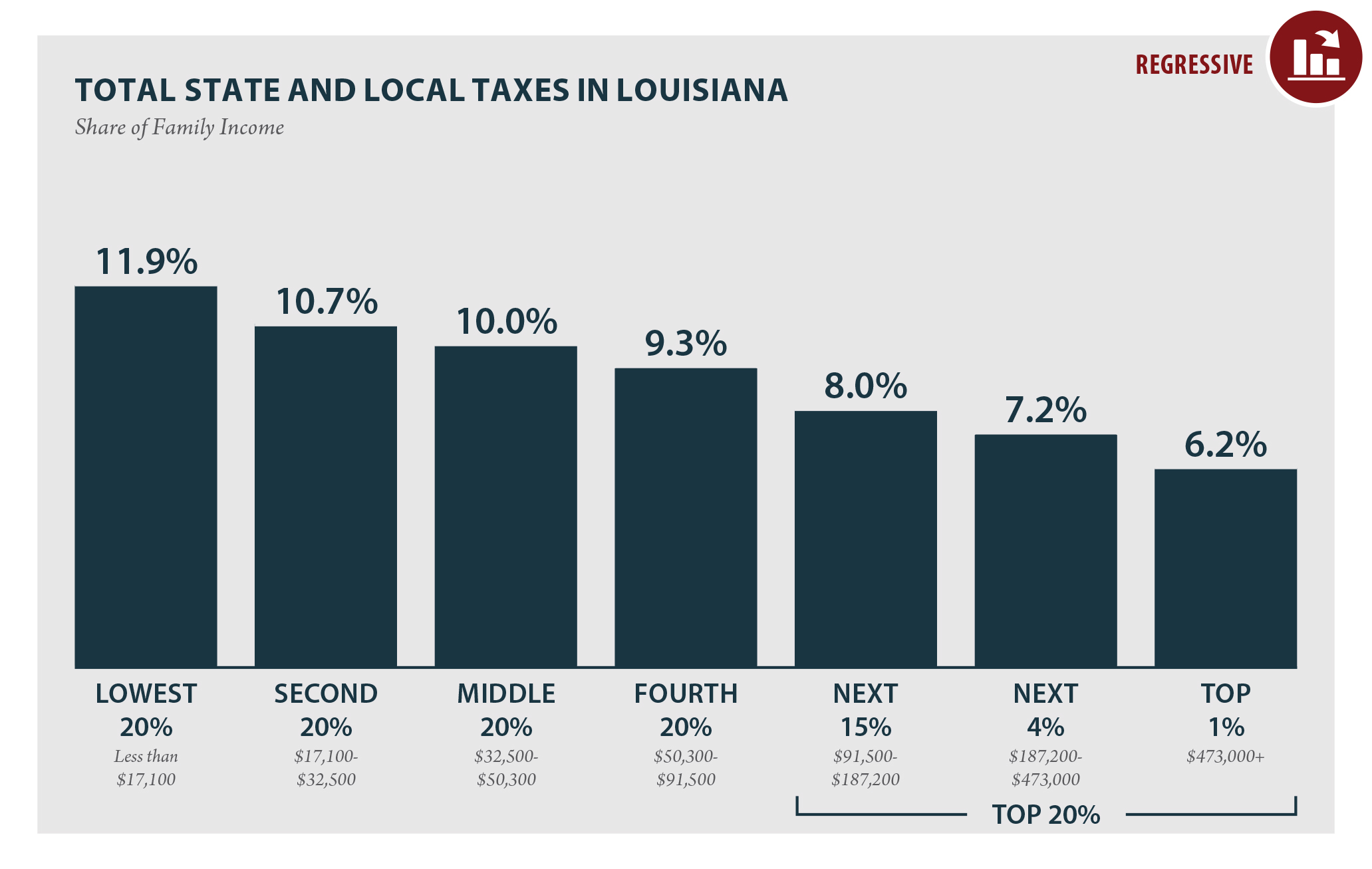
Practical Tips for Travelers
- Check Local Rates: Before making significant purchases, especially in cities, take a moment to find out the specific combined sales tax rate for that location. A quick online search for “[City Name] sales tax rate” can often yield the necessary information.
- Factor into Budgeting: Always include a buffer for sales tax when budgeting for your trip. This is particularly important for meals, souvenirs, and any planned purchases of goods.
- Understand Exemptions: While most goods and services are subject to sales tax, certain items or situations might be exempt. For instance, some essential groceries may be taxed at a lower rate or be exempt in certain areas, and specific types of services might have unique tax treatments. Researching potential exemptions for items you plan to purchase can lead to savings.
- Consider the Value Proposition: Ultimately, the sales tax is a component of the overall cost. When visiting a place like Louisiana, the unique experiences, the world-renowned cuisine, and the unforgettable culture often outweigh the incremental cost of sales tax. Focus on the value and memories being created.
By understanding the multi-layered nature of Louisiana sales tax, from the state rate to the parish and municipal add-ons, travelers can better plan their budgets and make informed decisions. While the rates may vary, the rich tapestry of culture, history, and natural beauty that Louisiana offers remains a constant, ensuring a memorable journey for every visitor.
LifeOutOfTheBox is a participant in the Amazon Services LLC Associates Program, an affiliate advertising program designed to provide a means for sites to earn advertising fees by advertising and linking to Amazon.com. Amazon, the Amazon logo, AmazonSupply, and the AmazonSupply logo are trademarks of Amazon.com, Inc. or its affiliates. As an Amazon Associate we earn affiliate commissions from qualifying purchases.