
The Venetian Hotel in Las Vegas stands as a colossal tribute to the romantic allure and architectural grandeur of Venice, Italy. Its opulent façade, intricate canals, and soaring structures evoke a sense of stepping into a European dreamscape right in the heart of the Nevada desert. This iconic resort, a cornerstone of the Las Vegas Strip, is not merely a place to stay but an immersive experience. Understanding its genesis, therefore, offers a deeper appreciation for its design, scale, and the ambitious vision that brought it to life.
The Genesis of a Venetian Dream
The concept of The Venetian Hotel was born from a desire to capture the essence of Venice – its art, its romance, its unique urban fabric – and transplant it to the vibrant, entertainment-centric landscape of Las Vegas. The development was spearheaded by Sheldon Adelson, the visionary behind Las Vegas Sands Corporation, who aimed to create a resort that would redefine luxury and themed entertainment.
From Concept to Construction
The initial planning and design phases for The Venetian began in the early 1990s. The ambition was to replicate not just the appearance of Venice, but also its atmosphere. This involved meticulous attention to detail, from the recreation of famous landmarks like the St. Mark’s Square and the Rialto Bridge to the integration of functional canals navigated by gondolas.
The project was a monumental undertaking, involving significant investment and a construction timeline that reflected its grand scale. The site selection on the Las Vegas Strip was strategic, placing it among other world-class resorts and entertainment venues, ensuring visibility and accessibility for millions of visitors.
The Construction Timeline and Opening
The construction of The Venetian Hotel was a phased endeavor, reflecting its immense size and complexity. The project was broken down into distinct phases to allow for a more manageable development and to ensure that different elements of the resort could be completed and opened to the public strategically.
Phase I: The Grand Opening
The first major phase of The Venetian officially opened its doors on May 3, 1999. This initial opening marked a significant milestone, introducing the world to its unique Venetian theme. At the time of its opening, it was the most expensive resort ever built in Las Vegas, with a construction cost exceeding $1.5 billion. This figure underscored the commitment to quality and the desire to create an unparalleled guest experience.
The initial opening included a significant portion of the resort’s iconic features, such as the guest suites, a casino, several restaurants, and the initial construction of the canals and the famous singing gondoliers. The focus was on delivering the core Venetian experience, setting the stage for future expansion.
Subsequent Phases and Expansion
The vision for The Venetian did not end with its initial opening. The resort was designed with future expansion in mind, allowing for the growth and diversification of its offerings.
The Venetian Tower
The original structure, which opened in 1999, is often referred to as the Venetian Tower. This tower housed the majority of the initial guest rooms and a significant portion of the resort’s amenities.

The Palazzo Expansion
A major expansion to the resort complex came with the opening of The Palazzo in December 2007. While operated as a separate hotel, The Palazzo is intrinsically linked to The Venetian and is considered part of the same integrated resort property. This expansion significantly increased the number of suites available and added new dining, retail, and entertainment options, further enhancing the resort’s appeal and capacity. The construction of The Palazzo represented another substantial investment, solidifying the combined property as one of the largest hotel complexes in the world.
Architectural Marvel and Themed Design
The architectural design of The Venetian Hotel is a testament to ambitious theming and detailed replication. The goal was to transport guests directly to the heart of Venice, creating an environment that is both grand and intimate.
Recreating Venetian Landmarks
The resort masterfully recreates key architectural elements of Venice. The most prominent examples include:
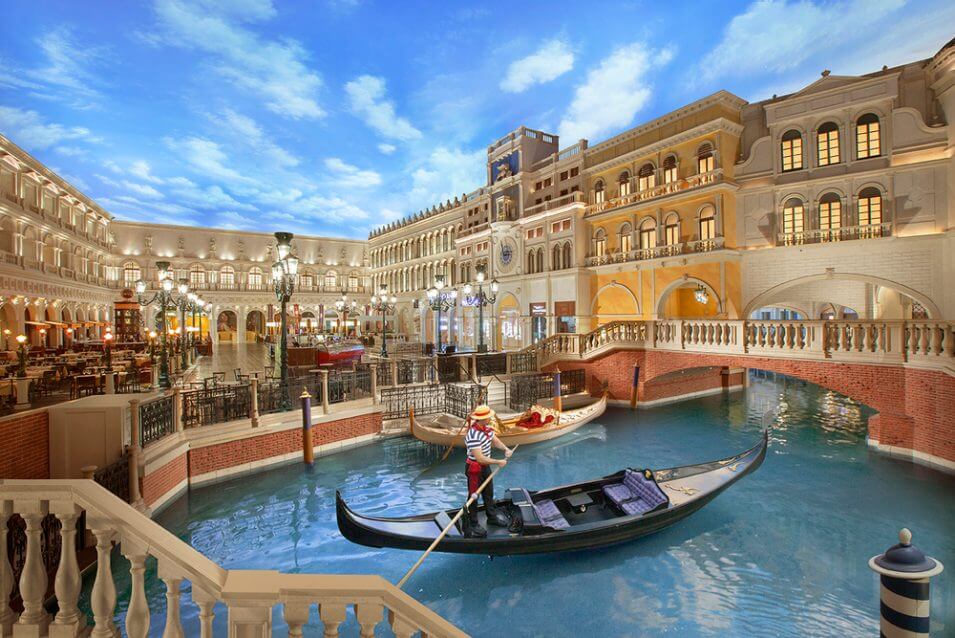
- The Grand Canal Shoppes: This shopping district is designed to resemble the streets and piazzas of Venice, complete with a painted sky ceiling that simulates a perpetual daytime, and of course, the iconic canals.
- St. Mark’s Square (Piazza San Marco): A full-scale replica of Venice’s famous central piazza, complete with the bell tower and the Doge’s Palace façade. It serves as a central gathering point and performance space.
- The Rialto Bridge: A recognizable architectural feature of Venice, its replica spans the resort’s Grand Canal, offering picturesque views.
- Gondola Rides: Perhaps the most definitive element, the resort features actual canals where guests can experience traditional Venetian gondola rides, complete with serenading gondoliers, replicating a quintessential Venetian experience.
Interior Design and Artistry
Beyond the external replicas, the interior design of The Venetian is equally dedicated to the theme. High ceilings adorned with intricate frescoes, marble finishes, and period-inspired furnishings create an atmosphere of Renaissance opulence. The art and decorative elements throughout the resort are curated to enhance the immersive experience, making every corner a photo opportunity and a conversation starter.
The suites themselves are designed with spaciousness and luxury in mind, often featuring sunken living rooms and Italian-inspired decor, further extending the theme to the guest accommodations.
The Venetian Hotel: A Landmark in Hospitality
The construction of The Venetian Hotel in 1999 marked a pivotal moment in the evolution of Las Vegas resorts. It set a new benchmark for themed entertainment and ambitious architectural replication in the hospitality industry. Its success paved the way for even more elaborate and immersive resort developments, influencing the design and offerings of hotels not just in Las Vegas, but globally.
Impact on Las Vegas Tourism
The Venetian has been instrumental in shaping the modern Las Vegas Strip experience. By offering an escape to a romanticized European city, it appealed to a broader demographic of travelers looking for more than just gaming and shows. Its integration of high-end shopping, diverse dining, and unique attractions solidified its status as a destination in itself, contributing significantly to the city’s reputation as a premier tourist hub.

Legacy and Future
Decades after its opening, The Venetian Hotel continues to be a major attraction and a beloved hotel. Its enduring popularity is a testament to the success of its ambitious vision and meticulous execution. As the hospitality landscape evolves, The Venetian remains a classic example of how theming, architecture, and an unwavering commitment to guest experience can create a truly unforgettable destination. Its construction date, 1999, is a key historical marker for this remarkable edifice.
LifeOutOfTheBox is a participant in the Amazon Services LLC Associates Program, an affiliate advertising program designed to provide a means for sites to earn advertising fees by advertising and linking to Amazon.com. Amazon, the Amazon logo, AmazonSupply, and the AmazonSupply logo are trademarks of Amazon.com, Inc. or its affiliates. As an Amazon Associate we earn affiliate commissions from qualifying purchases.