
Louisiana, a state renowned for its vibrant culture, rich history, and distinctive culinary landscape, offers a compelling environment for aspiring entrepreneurs. From the bustling streets of New Orleans to the agricultural heartlands along the Mississippi River, opportunities abound for those willing to navigate the state’s unique business ecosystem. This guide will walk you through the essential steps to launching a successful enterprise in the Bayou State, focusing on understanding the local market, legal frameworks, and strategic planning.
Understanding the Louisiana Business Landscape
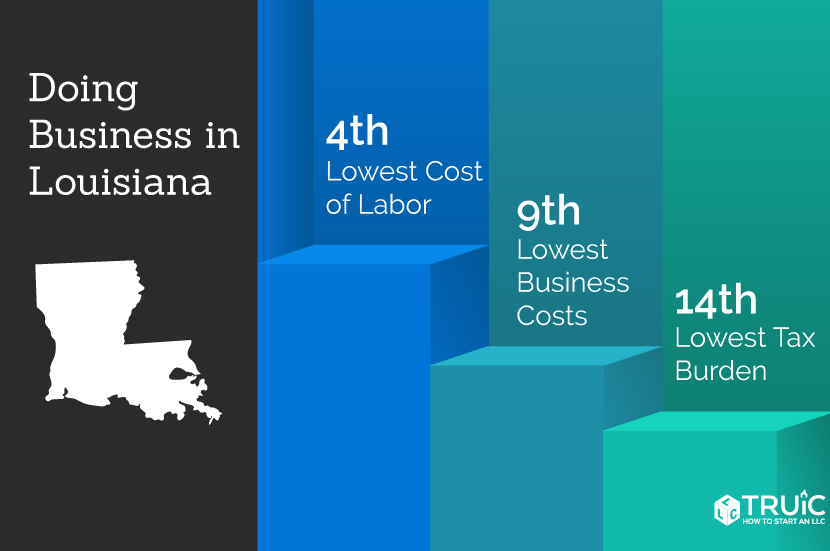
Before diving into the procedural aspects of starting a business, it’s crucial to grasp the distinct characteristics of Louisiana’s economy and culture. The state boasts a diverse economic base, with significant contributions from industries such as energy, petrochemicals, agriculture, advanced manufacturing, and a burgeoning tourism sector. Understanding these dominant industries can provide valuable insights into potential market gaps and areas of growth.
Identifying Your Niche and Market Research
The first critical step for any entrepreneur is to identify a viable business idea and thoroughly research its market potential. Louisiana’s appeal lies in its unique blend of Southern charm and global influences, which translates into diverse consumer demands.
- Leveraging Local Culture: Consider businesses that tap into Louisiana’s rich heritage. This could include artisanal food producers specializing in local ingredients like crawfish or pecans, boutique shops offering handcrafted goods inspired by Louisiana art and music, or unique tour operations that showcase the state’s history and natural beauty.
- Serving Emerging Industries: The state is actively investing in technology and innovation. Businesses that support these growing sectors, such as IT services, renewable energy solutions, or logistics support for manufacturing, could find fertile ground.
- Addressing Local Needs: Like any region, Louisiana has specific community needs. Conducting thorough market research will help you identify unmet demands for services or products, whether it’s in healthcare, education, or specialized retail.
- Competitive Analysis: Understanding your competitors is paramount. Analyze their strengths, weaknesses, pricing strategies, and customer service approaches to identify how your business can differentiate itself and capture market share.
Navigating Louisiana’s Economic Climate
Louisiana’s economy has experienced significant shifts over the years, influenced by global commodity prices and regional development initiatives. Staying informed about economic trends, state incentives, and workforce development programs is vital for long-term success. The Louisiana Economic Development (LED) agency is a valuable resource for understanding the state’s economic vision and available support.
Legal and Administrative Foundations
Establishing a solid legal and administrative framework is non-negotiable when starting a business. Louisiana has specific requirements for business registration, licensing, and taxation that entrepreneurs must adhere to.
Choosing the Right Business Structure
The legal structure of your business will impact your liability, taxation, and administrative requirements. Common business structures include:
- Sole Proprietorship: The simplest structure, owned and run by one individual, with no legal distinction between the owner and the business. Profits and losses are taxed on the owner’s personal income.
- Partnership: Similar to a sole proprietorship but involves two or more individuals. Partners share profits and losses.
- Limited Liability Company (LLC): Offers liability protection to owners while allowing for pass-through taxation. This is a popular choice for many small businesses.
- Corporation: A more complex structure that provides the strongest liability protection. Corporations are separate legal entities from their owners and are subject to corporate taxes.
Consulting with a legal professional or business advisor can help you determine the most suitable structure for your specific needs and long-term goals.
Registering Your Business
The process of registering your business in Louisiana typically involves the following steps:
- Business Name Registration: You will need to choose a unique business name and ensure it is not already in use. You can conduct a name availability search through the Louisiana Secretary of State website. If you operate under a name different from your own or your legal business name, you may need to file a “Doing Business As” (DBA) or trade name.
- Filing Formation Documents: Depending on your chosen business structure (e.g., LLC, corporation), you will need to file specific formation documents with the Louisiana Secretary of State. This typically involves an Articles of Organization for an LLC or Articles of Incorporation for a corporation.
- Obtaining an Employer Identification Number (EIN): If your business will have employees or operate as a corporation or partnership, you will need to obtain an EIN from the Internal Revenue Service (IRS). This number is like a Social Security number for your business.
Securing Licenses and Permits
Louisiana requires various licenses and permits at the state, parish, and municipal levels, depending on your industry and location.
- State Licenses: Many professions and industries require specific state licenses. The Louisiana Department of Economic Development’s “Louisiana Business
” can provide a comprehensive list and guidance on obtaining necessary state licenses. This includes permits for food service, alcohol sales, construction, healthcare, and many others. - Local Permits: You may also need permits from your local parish or city government, such as zoning permits, building permits, or health permits. It’s essential to research the specific requirements of the municipality or parish where your business will be located.
- Federal Licenses and Permits: Certain industries, such as those involved in broadcasting, aviation, or alcohol production, may also require federal licenses and permits from agencies like the FCC or TTB.
Financial Planning and Funding
A well-defined financial plan is the bedrock of any successful business. This involves projecting costs, revenue, and securing adequate funding.
Developing a Comprehensive Business Plan
A business plan is a detailed document outlining your business’s objectives, strategies, market analysis, and financial projections. It serves as a roadmap for your business and is often required when seeking funding. Key components of a business plan include:
- Executive Summary: A brief overview of your entire plan.
- Company Description: Details about your business, its mission, and vision.
- Market Analysis: Research on your target market, industry trends, and competition.
- Organization and Management: Your business’s organizational structure and leadership team.
- Service or Product Line: A description of what you offer and its benefits.
- Marketing and Sales Strategy: How you will reach and attract customers.
- Funding Request (if applicable): The amount of funding needed and how it will be used.
- Financial Projections: Income statements, balance sheets, and cash flow statements.
Funding Your Venture
Securing sufficient capital is crucial for launching and sustaining your business. Louisiana offers several avenues for business funding:
- Personal Savings and Loans: Many entrepreneurs begin by investing their own funds or securing loans from friends and family.
- Bank Loans and Lines of Credit: Traditional banks are a common source of funding. You will typically need a solid business plan and a good credit history to qualify.
- Small Business Administration (SBA) Loans: The SBA partners with lenders to offer guaranteed loans to small businesses, often with more favorable terms. The Louisiana Small Business Development Center (SBDC) can provide guidance on SBA programs.
- Angel Investors and Venture Capital: For businesses with high growth potential, angel investors or venture capital firms may provide funding in exchange for equity.
- State and Local Grants and Incentives: The Louisiana Economic Development (LED) offers various incentive programs, grants, and tax credits designed to encourage business growth and job creation within the state. Research these programs to see if your business qualifies.
Managing Your Finances
Once operational, diligent financial management is key. This includes:
- Bookkeeping and Accounting: Maintaining accurate financial records is essential for tracking income, expenses, and profitability. Consider using accounting software or hiring a professional accountant.
- Tax Compliance: Understanding and fulfilling your tax obligations at federal, state, and local levels is critical. Louisiana has a unique tax structure, including corporate income tax and sales tax. The Louisiana Department of Revenue provides information on state tax requirements.
- Cash Flow Management: Monitoring and managing your cash flow ensures you have sufficient funds to meet your short-term obligations and invest in growth.
Operations, Marketing, and Growth in Louisiana
With the legal and financial foundations in place, the focus shifts to day-to-day operations, attracting customers, and planning for sustainable growth.
Building Your Team
As your business expands, you’ll need to hire employees. Understanding Louisiana’s labor laws, including minimum wage, worker’s compensation, and unemployment insurance requirements, is vital. Building a strong team with the right skills and cultural fit is crucial for your business’s success.
Marketing Your Business Effectively
Reaching your target audience and communicating your value proposition is essential. Louisiana’s diverse market offers unique marketing opportunities:
- Digital Marketing: A strong online presence is non-negotiable. This includes a professional website, social media engagement, search engine optimization (SEO), and online advertising.
- Local Outreach: Engage with the local community through events, sponsorships, and partnerships. Word-of-mouth marketing is particularly powerful in Louisiana.
- Public Relations: Building relationships with local media can generate valuable publicity for your business.
- Leveraging Louisiana’s Appeal: If your business aligns with tourism or culture, highlight the unique aspects of Louisiana that attract visitors and residents alike. For example, a restaurant could emphasize its authentic Creole or Cajun cuisine, while a boutique might showcase locally sourced products.
Embracing Louisiana’s Unique Business Culture
Louisiana’s business environment is characterized by strong personal relationships and a distinctive work ethic. Building trust and rapport with clients, suppliers, and partners is often as important as the transactional aspects of business. Attending industry events, networking within local chambers of commerce, and participating in community initiatives can foster these connections.

Planning for Sustainable Growth
Long-term success requires a forward-thinking approach:
- Customer Feedback and Adaptation: Continuously seek feedback from your customers and be willing to adapt your products, services, and operations to meet evolving demands.
- Innovation and Expansion: Explore opportunities to innovate, introduce new offerings, or expand into new markets within Louisiana or beyond.
- Mentorship and Networking: Connect with experienced business leaders in Louisiana. Organizations like the New Orleans Chamber of Commerce or regional chambers offer valuable networking and mentorship opportunities.
Starting a business in Louisiana is a journey filled with both challenges and immense rewards. By understanding the state’s economic landscape, meticulously addressing legal and financial requirements, and strategically marketing your venture, you can lay the groundwork for a thriving enterprise in this captivating corner of the United States. The spirit of innovation, resilience, and community that defines Louisiana is a powerful asset for any entrepreneur ready to contribute to its dynamic economy.
LifeOutOfTheBox is a participant in the Amazon Services LLC Associates Program, an affiliate advertising program designed to provide a means for sites to earn advertising fees by advertising and linking to Amazon.com. Amazon, the Amazon logo, AmazonSupply, and the AmazonSupply logo are trademarks of Amazon.com, Inc. or its affiliates. As an Amazon Associate we earn affiliate commissions from qualifying purchases.