
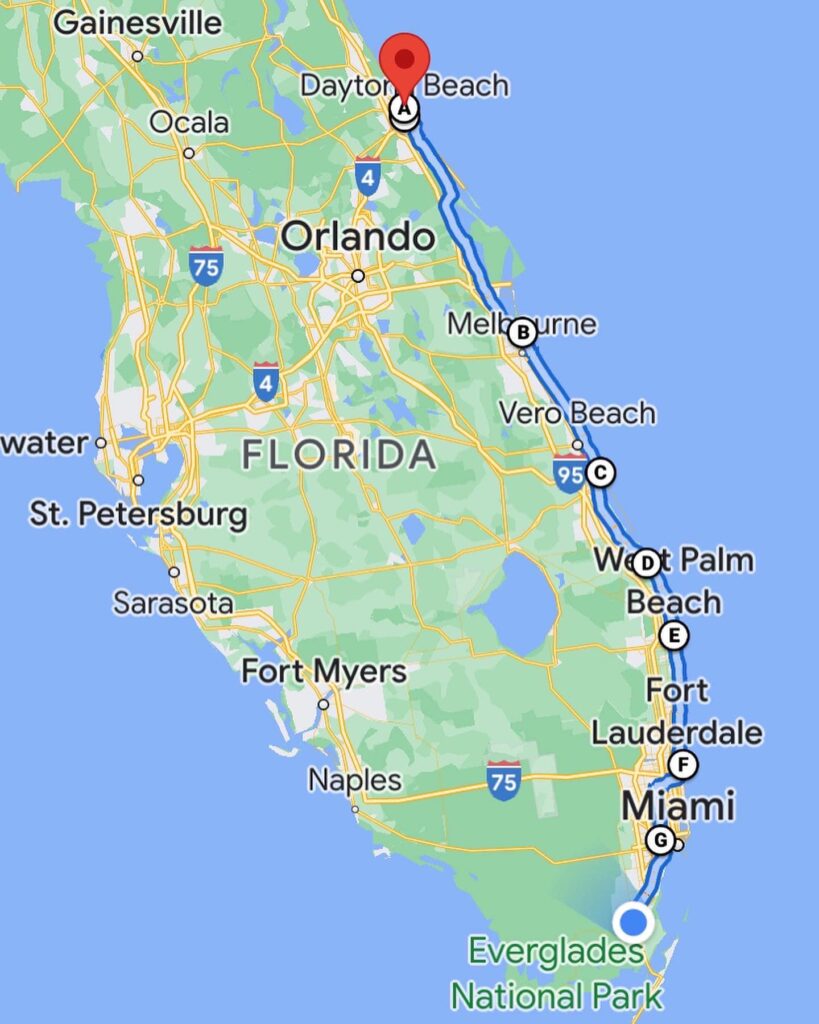
The drive from Miami to Daytona Beach is a classic Florida road trip, offering a fascinating transition from the vibrant energy of South Florida to the more laid-back, sun-drenched shores of the Central Atlantic coast. Understanding the nuances of this journey, including distance, travel time, and the most efficient routes, is essential for planning a seamless and enjoyable travel experience. This guide delves into the specifics of this popular route, offering insights for various travel styles and preferences.
Understanding the Driving Distance and Time
The approximate driving distance between Miami and Daytona Beach is around 300 to 320 miles, depending on the specific starting and ending points within each city and the chosen route. This distance translates into a driving time that typically ranges from 4.5 to 5.5 hours without significant stops. However, this is a purely theoretical timeframe. Actual travel time is heavily influenced by several factors, including:

Factors Affecting Travel Time
- Traffic Conditions: Miami is notorious for its traffic, especially during peak hours. Navigating out of the city can add considerable time to your journey. Similarly, approaching Daytona Beach, particularly during major events or holiday weekends, can also lead to delays.
- Construction and Roadwork: Interstate highways, particularly I-95, are subject to ongoing construction and maintenance. Unexpected detours or lane closures due to roadwork can significantly extend travel times. It is always advisable to check real-time traffic updates before and during your trip.
- Time of Day and Day of Week: Traveling during rush hour on a weekday will invariably take longer than an early morning drive on a weekend. Friday afternoons and Sunday evenings are often the busiest for southbound and northbound travel, respectively, along the Florida Turnpike and I-95.
- Weather: While Florida is known for its sunshine, severe weather events such as thunderstorms, heavy rain, or even hurricanes can drastically impact driving conditions and speeds, necessitating slower, more cautious travel.
- Stops and Breaks: The estimated travel time is for non-stop driving. Most travelers will opt for at least one or two stops for fuel, refreshments, or a brief rest. Incorporating these breaks is crucial for a safe and comfortable journey.
Optimal Driving Routes
The most common and generally recommended route from Miami to Daytona Beach utilizes a combination of major toll roads and interstate highways, prioritizing efficiency and speed.
The Turnpike and I-95 Combination
- Initial Departure from Miami: Depending on your starting location in Miami, you will typically head north towards the Florida Turnpike. Access to the Turnpike can be gained via several expressways, including the Palmetto Expressway (SR 826) or the Dolphin Expressway (SR 836).
- Florida Turnpike Northbound: The Florida Turnpike is a well-maintained toll road that bypasses much of the urban congestion in South and Central Florida. It offers a smoother, faster drive compared to navigating surface streets. You will continue on the Turnpike for a significant portion of the journey.
- Transition to I-95: The Florida Turnpike will eventually merge with or provide access to Interstate 95 (I-95) North. This transition typically occurs around the Orlando area or slightly south of it. Follow the signs directing you towards I-95 North towards Jacksonville.
- I-95 Northbound to Daytona Beach: Continue on I-95 North for approximately 60-70 miles. You will see numerous signs for exits leading to Daytona Beach. The most common exits are Exit 265 for FL-400 (State Road 400), which leads directly to the beachside, or Exit 261 for US-92 (International Speedway Boulevard), the main artery through the city, especially for those heading to the Daytona International Speedway.
Alternative Routes
While the Turnpike and I-95 combination is most popular, other routes exist, though they are generally slower and involve more local roads:
- US-1 Alternate: This route follows U.S. Route 1 for a considerable portion of the journey. It is a more scenic option, passing through many coastal towns and cities, but it is significantly slower due to lower speed limits, traffic lights, and urban areas. This is a good choice if you have ample time and wish to explore smaller communities along the way.
- I-75 and I-4 Combination: For travelers starting further west in Miami-Dade County or those wishing to experience a different part of Central Florida, one could take I-75 North towards Tampa and then connect to I-4 East towards Orlando, before finally joining I-95 North. This route is considerably longer and not recommended for simply reaching Daytona Beach from Miami.
Planning Your Trip: Stops and Considerations
A trip of this length warrants careful planning to ensure a comfortable and efficient journey. Consider incorporating strategic stops to break up the drive and enjoy the scenery or local attractions.
Recommended Rest Stops and Points of Interest
- Fort Pierce Area: Located roughly halfway between Miami and Daytona Beach via the Turnpike/I-95 route, the Fort Pierce area offers numerous service plazas on the Turnpike and various dining options off I-95. It’s an ideal spot for a lunch break.
- Vero Beach: Known for its charming downtown and pristine beaches, Vero Beach provides a more upscale stop. While slightly off the most direct path if sticking strictly to I-95, it’s accessible and offers a pleasant respite.
- Melbourne/Palm Bay: These cities along the Space Coast offer opportunities for a stretch, a meal, or even a brief visit to a beachside park if time permits.
- Orlando Vicinity: As you approach the interchange of the Florida Turnpike and I-4, the Orlando metropolitan area presents a multitude of dining and fuel options. While you’ll want to avoid the core of the city’s traffic, the service plazas and exit ramps offer convenient amenities.
- St. Augustine Area (Slight Detour): If you opt for a route that takes you further north on I-95 before heading west to Daytona Beach, a stop in St. Augustine, the nation’s oldest continuously inhabited European-established settlement, could be an enriching detour, though it adds time to the journey.
Fueling and Refreshments
Service plazas are readily available along the Florida Turnpike and at major exits off I-95. These plazas typically offer gas stations, fast-food restaurants, and restrooms. For more diverse dining options, exiting onto US-1 or local roads near larger towns and cities will provide a wider selection. It is always prudent to ensure your fuel tank is adequately filled before embarking on long stretches, especially when traveling at night or during periods of potentially high demand.
Preparing for Your Drive
A well-prepared traveler is a happy traveler. Here are some tips to make your drive from Miami to Daytona Beach as smooth as possible.
Vehicle Maintenance and Safety
Before setting off, ensure your vehicle is in good working order. Check tire pressure, oil levels, and brake function. Carry an emergency kit that includes jumper cables, a first-aid kit, water, and non-perishable snacks. Familiarize yourself with the car’s emergency features and have roadside assistance information readily available.
Navigation Tools
While GPS devices and smartphone navigation apps are invaluable, it’s wise to have a general understanding of the route. Download offline maps in case of spotty cellular service, particularly in more rural stretches. Most navigation apps will provide real-time traffic updates, which can help you reroute around unexpected delays.
Tolls and Payment
The Florida Turnpike is a toll road, and while I-95 is largely free, there are some express lanes with tolls. Consider obtaining a SunPass or using compatible transponder systems for seamless toll payment and potential discounts. Many toll points now accept cash or credit cards, but a transponder is generally the most convenient option.
Booking Accommodation in Daytona Beach
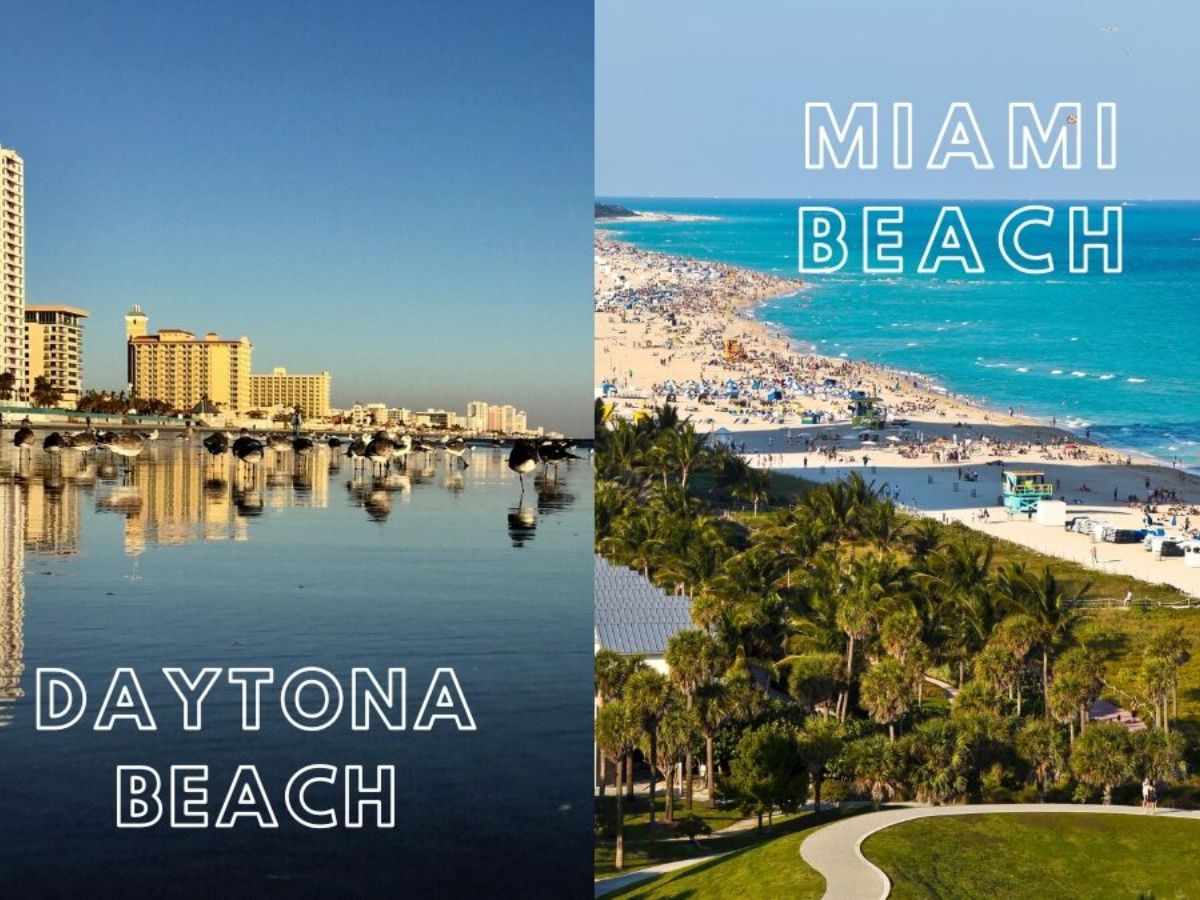
Once you’ve planned your travel time and route, securing your accommodation in Daytona Beach is the next logical step. The city offers a wide array of options, from luxury oceanfront resorts like the Hard Rock Hotel Daytona Beach and the Daytona Grande Resort, to charming boutique hotels and more budget-friendly motels. Booking in advance is highly recommended, especially during peak tourist seasons, race events at the Daytona International Speedway, or holiday weekends, as accommodations can fill up quickly and prices tend to rise. Consider factors such as proximity to the beach, desired amenities, and your overall budget when making your selection. Many hotels offer stunning ocean views, pools, on-site dining, and easy access to the beach and local attractions.
In conclusion, the journey from Miami to Daytona Beach is a manageable and rewarding drive. By understanding the distances, planning your route, and accounting for potential delays, you can transform this drive into a pleasant part of your overall Florida adventure, arriving at your destination refreshed and ready to explore the attractions of Daytona Beach.
LifeOutOfTheBox is a participant in the Amazon Services LLC Associates Program, an affiliate advertising program designed to provide a means for sites to earn advertising fees by advertising and linking to Amazon.com. Amazon, the Amazon logo, AmazonSupply, and the AmazonSupply logo are trademarks of Amazon.com, Inc. or its affiliates. As an Amazon Associate we earn affiliate commissions from qualifying purchases.