
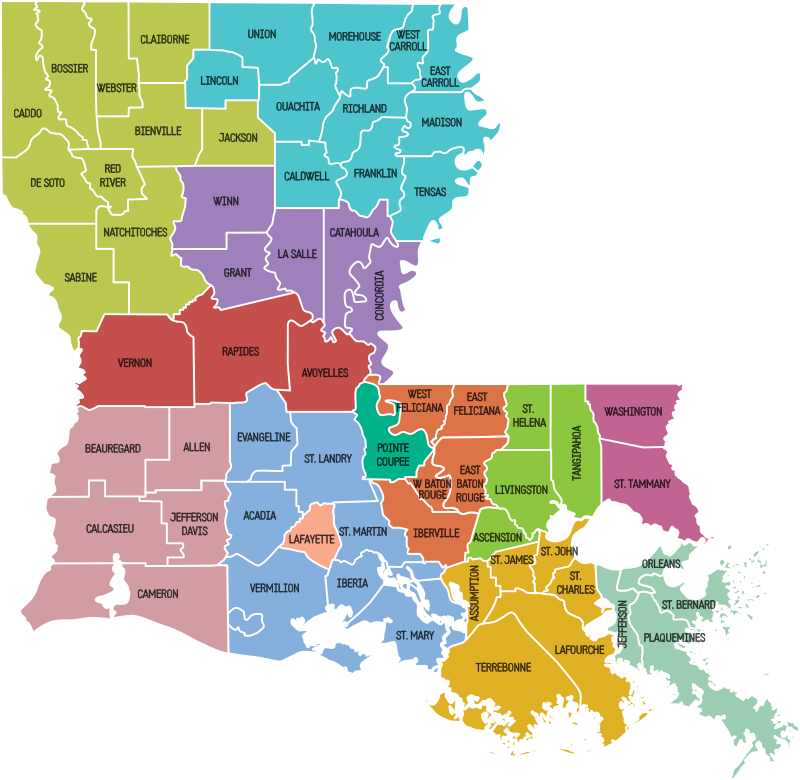
Louisiana’s administrative divisions are unique, deviating from the county system found in most other U.S. states. Instead, the state is divided into parishes. This distinction is rooted in Louisiana’s rich and complex history, a blend of French, Spanish, and American influences that shaped its governance and cultural identity. Understanding the concept of a Louisiana parish is key to appreciating the state’s local governance, its distinct communities, and the unique flavor of its culture, particularly as it relates to tourism, local experiences, and the exploration of its vibrant landscapes.
Historical Roots of the Parish System
The term “parish” itself signals a departure from the typical American administrative structure. Its origins lie in the ecclesiastical divisions of the Catholic Church. When the French and later the Spanish colonized Louisiana, they brought with them their legal and governmental systems, which were heavily influenced by their religious institutions.
French Colonial Influence
During the French colonial period, the territory was divided into ecclesiastical districts that mirrored church parishes. These were areas where a priest ministered to the spiritual needs of the community. Over time, these ecclesiastical boundaries began to be used for civil administration as well. This dual function — serving both religious and civil purposes — became deeply ingrained in the fabric of Louisiana’s governance.
Spanish Administration and Consolidation
The Spanish took over Louisiana in 1762. While they also had a strong Catholic tradition, their administrative structures sometimes differed. However, the existing parish system, largely established by the French, continued to function. During the Spanish era, these parishes became more formalized as units of local government, responsible for matters such as taxation, law enforcement, and record-keeping. The Spanish crown recognized the effectiveness of the existing structure and adapted it to their needs.
American Statehood and the Persistence of Parishes
When Louisiana became a U.S. state in 1812, the transition involved integrating these established systems into the new American federal structure. The new state constitution acknowledged the existing parish system, and it has remained the primary administrative subdivision of Louisiana ever since. While other states adopted “counties,” Louisiana retained its “parishes,” a nod to its unique colonial past. This historical continuity is a significant aspect of Louisiana’s identity and contributes to its distinct charm for visitors.
The Parish as a Unit of Local Government and Tourism
While the historical context is important, for travelers and those interested in Louisiana’s local culture, the parish functions much like a county in other states, serving as the principal local government. Each parish has its own elected officials, including a sheriff, assessor, clerk of court, and a police jury (or parish council), which handles legislative and executive functions.
Governance and Services
The responsibilities of parish governments are broad and impact daily life for residents. They are responsible for maintaining public infrastructure such as roads and bridges, providing law enforcement through the sheriff’s department, managing local courts, and overseeing public services like drainage and sanitation. Understanding the parish structure helps in comprehending how local decisions are made and how services are delivered across the state.
Tourism and the Parish Experience
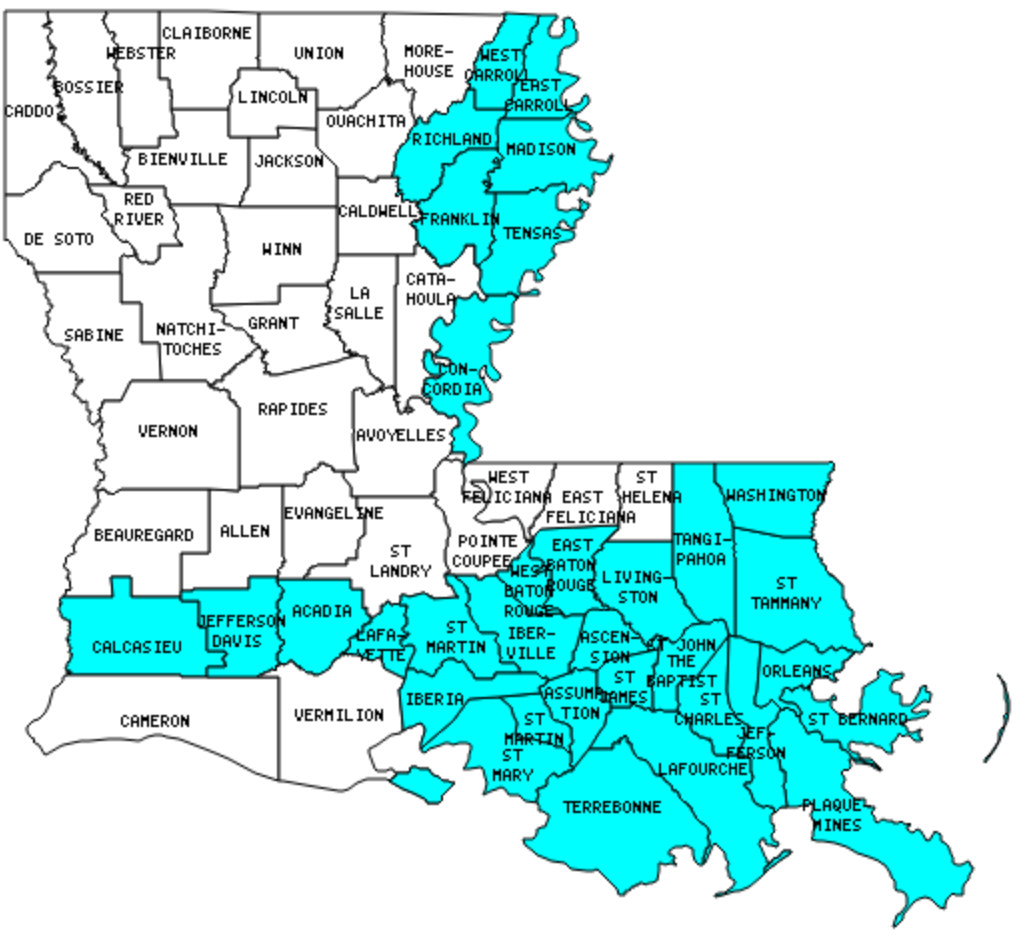
From a tourism perspective, each parish offers a unique lens through which to view Louisiana. Parishes are not just administrative lines on a map; they represent distinct cultural regions, each with its own history, traditions, and attractions.
- Geographic Diversity: Louisiana’s geography varies significantly from one parish to another. You’ll find coastal marshes in the south, fertile agricultural lands along the Mississippi River, rolling hills in the north, and vast forests throughout. This diversity directly influences the types of attractions and experiences available.
- Cultural Enclaves: Many parishes are known for specific cultural groups and their traditions. For instance, the Acadian parishes in southern Louisiana, often referred to as Acadiana, are home to the descendants of French Acadians and are famous for their distinct Cajun culture, music, and cuisine. Visiting parishes like Lafayette Parish, St. Landry Parish, or Vermilion Parish offers a deep dive into this vibrant heritage.
- Economic Drivers: The economic activities of a parish often shape its character and its appeal to visitors. parishes that rely on agriculture might feature scenic farmland tours, while those with extensive coastlines will focus on fishing and water-based activities.
- Local Festivals and Events: Many of Louisiana’s renowned festivals and celebrations are organized at the parish level, showcasing local pride and traditions. From the Mardi Gras celebrations in various parishes to unique harvest festivals and music events, these gatherings are central to the Louisiana experience.
Exploring Louisiana’s Parishes: A Guide for Travelers
For those planning a trip to Louisiana, understanding the parish system can enhance your journey by helping you identify specific regions and the unique offerings within them. It allows for a more targeted exploration of the state’s attractions.
Northern Louisiana
Northern Louisiana, often referred to as the “Sportsman’s Paradise,” boasts a different landscape and culture compared to the south. Here, you’ll find rolling hills, pine forests, and numerous lakes and rivers perfect for outdoor recreation.
- Ouachita Parish: Home to Monroe and West Monroe, this parish is known for the Ouachita River and its opportunities for boating, fishing, and exploring nature preserves. The Masur Museum of Art is a cultural highlight.
- Caddo Parish: Centered around Shreveport, this parish offers a mix of urban attractions and natural beauty. Visit the Sci-Port Discovery Center, explore the American Rose Center, or enjoy a show at the Strand Theatre. The Red River also provides recreational opportunities.
- Bossier Parish: Directly across the Red River from Shreveport, Bossier City is known for its casinos and entertainment venues, as well as the historic Barksdale Air Force Base.
Central Louisiana
Central Louisiana bridges the cultural and geographical divides between North and South. It’s an area rich in history, from its Native American heritage to its significance during various wars.
- Rapides Parish: The largest parish by area in central Louisiana, it is home to Alexandria and Pineville. The Kent House Plantation offers a glimpse into antebellum life, and the Forts Randolph and Buhlow State Historic Site tells the story of Civil War defenses.
- Avoyelles Parish: Known as the “Heart of Louisiana,” this parish is characterized by its agricultural landscapes and a blend of French, Spanish, and Native American influences. It’s a great place to experience rural Louisiana charm.
Southern Louisiana and Acadiana
Southern Louisiana is arguably the most culturally distinctive region, heavily influenced by Cajun and Creole traditions. The geography here is dominated by bayous, marshes, and wetlands.
- Acadiana Region (e.g., Lafayette Parish, St. Landry Parish, Vermilion Parish, Iberia Parish, St. Martin Parish): This is the heartland of Cajun country.
- Lafayette Parish: Often called the “Happiest City in America,” Lafayette is a hub for Cajun music, food, and culture. Visit the Vermilionville Historic Village to experience life as it was in the 18th and 19th centuries.
- St. Landry Parish: Known for its vibrant Zydeco music scene and its association with the Original Southwest Louisiana Zydeco Festival. The town of Opelousas is a significant cultural center.
- Vermilion Parish: Famous for its extensive bayous and seafood industry. Abbeville offers a charming small-town atmosphere.
- Iberia Parish: Home to New Iberia, the Shadows-on-the-Teche plantation, and the unique geological formation known as Avery Island, where the Tabasco Sauce factory is located. This parish is a prime example of how geography and local industry create unique tourism experiences.
- St. Martin Parish: Features the stunning Atchafalaya Basin, the largest swamp in North America, offering incredible opportunities for eco-tourism, airboat tours, and wildlife viewing. Breaux Bridge is known as the “Crawfish Capital of the World.”
- Mississippi River Delta Parishes (e.g., Plaquemines Parish, St. Bernard Parish): These parishes at the mouth of the Mississippi River are vital for their ecological importance and their role in the state’s fishing and agricultural industries. Plaquemines Parish is particularly known for its citrus groves and oyster beds.
- Creole Parishes (e.g., Orleans Parish, Jefferson Parish, St. Tammany Parish):
- Orleans Parish: Home to the iconic city of New Orleans, famous for its French Quarter, jazz music, distinct Creole cuisine, and world-renowned festivals like Mardi Gras and the New Orleans Jazz & Heritage Festival. Exploring New Orleans is an immersion into a unique cultural fusion.
- Jefferson Parish: Adjacent to New Orleans, it offers a blend of suburban life, vibrant restaurant scenes, and access to the Jean Lafitte National Historical Park and Preserve.
- St. Tammany Parish: Located across Lake Pontchartrain from New Orleans, this parish, often called the “Northshore,” offers a more relaxed pace with charming towns like Covington and Mandeville, beautiful parks, and scenic drives along the lakefront.
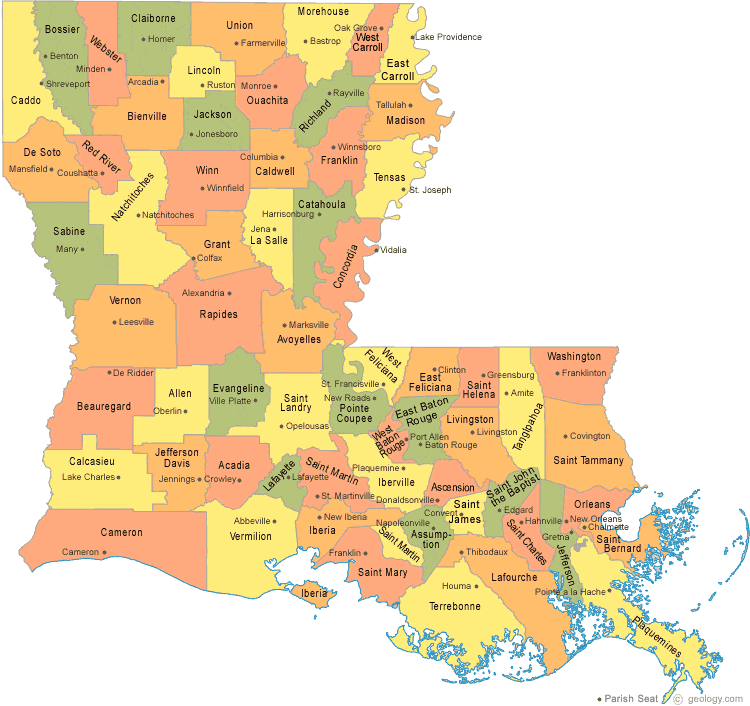
Beyond the Map: The Parish as a Cultural Identity
Ultimately, Louisiana parishes are more than just geographical or administrative divisions. They are repositories of history, culture, and community. Each parish has its own stories, its own dialect variations, its own culinary specialties, and its own way of celebrating life.
For travelers seeking an authentic Louisiana experience, delving into the individual character of its parishes is essential. It’s in these distinct locales that you can truly connect with the soul of the state, from the vibrant music of Acadiana to the historic charm of the Mississippi River towns and the unparalleled energy of New Orleans. Understanding that Louisiana is a mosaic of these unique parishes transforms a simple visit into a rich exploration of a truly singular American state. It’s about discovering the local nuances, engaging with the people, and appreciating the history that has shaped each corner of this captivating region. Whether you’re seeking world-class cuisine, live music, historical immersion, or natural beauty, the parishes of Louisiana offer an endless tapestry of experiences waiting to be discovered.
LifeOutOfTheBox is a participant in the Amazon Services LLC Associates Program, an affiliate advertising program designed to provide a means for sites to earn advertising fees by advertising and linking to Amazon.com. Amazon, the Amazon logo, AmazonSupply, and the AmazonSupply logo are trademarks of Amazon.com, Inc. or its affiliates. As an Amazon Associate we earn affiliate commissions from qualifying purchases.