
Understanding the valuation of land, particularly in a state as vast and diverse as Texas, is crucial for a variety of reasons, from agricultural pursuits and investment opportunities to the simple dream of owning a piece of the Lone Star State. The price of one acre of land in Texas is not a static figure; it fluctuates significantly based on a complex interplay of factors, making a generalized answer impossible without deep diving into specifics. This article aims to demystify these influencing elements and provide a framework for comprehending land values across the state.

Factors Influencing Texas Land Prices
The perceived value of land is intrinsically tied to its characteristics and its geographical context. In Texas, this holds especially true, with a staggering array of landscapes, economic drivers, and development patterns contributing to wildly different price points per acre.
Location, Location, Location
The most dominant factor in land valuation is undoubtedly location. Proximity to major metropolitan areas like Houston, Dallas, San Antonio, and Austin dramatically increases land values. Land on the outskirts of these booming cities, earmarked for future development, can command prices orders of magnitude higher than comparable acreage in rural, undeveloped regions.
Proximity to Amenities and Infrastructure
Beyond being near large cities, the accessibility of services and infrastructure plays a vital role. Land with existing access to utilities such as water, electricity, and sewer systems is inherently more valuable than land that requires extensive and costly hookups. Similarly, proximity to major highways, airports, and transportation networks enhances usability and thus, value. For recreational land, proximity to natural attractions like Big Bend National Park or established tourism hubs also boosts its appeal and price.
Urban vs. Rural Divide
The disparity between urban and rural land prices in Texas is profound. While a single acre in a rapidly expanding suburban area of Dallas might sell for hundreds of thousands of dollars, an acre in a remote West Texas county could be priced at a few hundred dollars. This reflects the differing potential uses and demand: development, commercial ventures, and high-density housing in urban fringes versus agriculture, ranching, or low-density rural living in remote areas.
Land Characteristics and Usability
The inherent qualities of the land itself are fundamental to its pricing. What can the land be used for, and what challenges or advantages does it present?
Topography and Soil Conditions
The lay of the land – whether it’s flat, rolling, hilly, or mountainous – significantly impacts its usability and therefore its price. Flat, arable land is ideal for farming and construction, commanding higher prices. Steep terrain might be beautiful but less practical for development, potentially lowering its value for certain buyers. Soil type is also critical, particularly for agricultural purposes. Fertile soil suitable for growing crops will be more valuable than rocky or sandy soil.
Water Rights and Availability
Water is a precious commodity in Texas, and land with established water rights or abundant natural water sources (rivers, lakes, ponds) is highly sought after. The presence of wells, springs, or access to municipal water systems can drastically increase an acre’s value, especially in arid regions.
Timber and Mineral Rights
For rural properties, the presence of valuable timber stands can add significant value. More importantly, mineral rights can be a game-changer. If the land is located in an area known for oil, natural gas, or other valuable mineral deposits, the potential for royalties can make even seemingly barren land incredibly valuable, often leading to prices far exceeding surface value. Ownership of these rights is a critical negotiation point in any land transaction.
Existing Structures and Improvements
A property that already features a house, barns, fences, or other improvements will naturally be priced higher than raw, undeveloped land. The condition and utility of these existing structures will determine the extent of their contribution to the overall price. A well-maintained ranch with sturdy fencing and a habitable house will fetch more than a similar-sized parcel of vacant land.
Market Conditions and Economic Trends
The broader economic climate and specific market dynamics of the real estate sector profoundly influence land prices.
Supply and Demand
Like any commodity, the price of land is dictated by supply and demand. In areas experiencing rapid population growth and development, demand for land often outstrips supply, driving prices upward. Conversely, areas with declining populations or limited economic opportunities may see stagnant or falling land values. Texas has experienced consistent population growth, particularly in its major urban centers, which has fueled a sustained increase in land prices in many regions.
Economic Health of the Region
The overall economic health of a particular region or the state of Texas as a whole plays a role. Strong economies with robust job markets and investment opportunities tend to correlate with higher land values, as more people and businesses compete for limited land resources. Conversely, economic downturns can lead to decreased demand and potentially lower prices.
Interest Rates and Financing
The availability and cost of financing for land purchases can also impact prices. Lower interest rates make it more affordable for buyers to finance large land purchases, potentially increasing demand and pushing prices up. Higher interest rates can have the opposite effect.
Zoning and Future Development Potential
The legal framework surrounding land use, specifically zoning regulations, is a critical determinant of its value and potential.
Residential, Commercial, Agricultural, and Industrial Zoning
Different zoning classifications unlock different economic potentials for land. Land zoned for commercial or industrial use in proximity to a major thoroughfare or population center will likely be more valuable than land zoned solely for agricultural use, due to the higher profit potential of development. Residential zoning can also vary significantly in value depending on lot sizes and density allowances.
Development Potential and Entitlements
The potential for a piece of land to be developed into housing, retail centers, or other commercial ventures is a major driver of value, especially for raw land. Land that is already annexed into a city, has preliminary plat approvals, or is otherwise “entitled” for development can command a premium because the buyer faces less uncertainty and fewer hurdles.
Typical Price Ranges Across Texas
Given the myriad of influencing factors, providing exact figures is challenging. However, we can delineate general price ranges based on broad geographical and usage categories within Texas. These are approximate and can vary widely even within these categories.
Major Metropolitan Outskirts and Growth Corridors
In areas surrounding Houston, Dallas, Austin, and San Antonio, land designated for future development or that has seen recent significant growth can range from $10,000 to over $100,000 per acre, and in prime, highly sought-after locations, even higher. This reflects the demand for housing, retail, and commercial space.
Rural and Agricultural Land
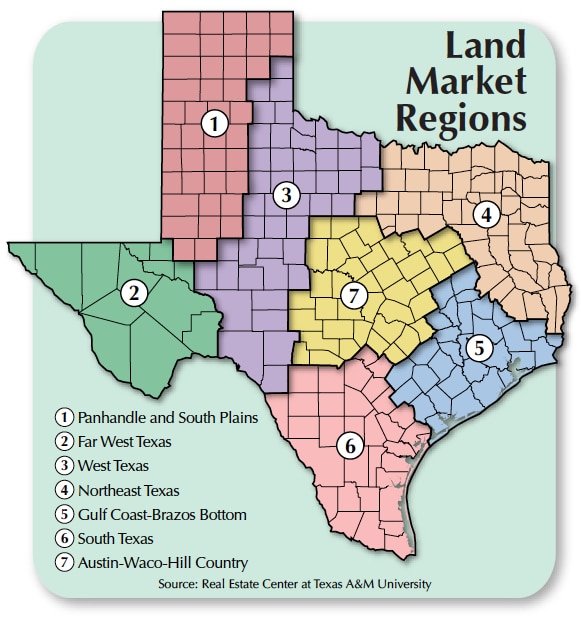
For traditional agricultural land, such as ranches or farmland, prices are more moderate. In many parts of Central and East Texas, an acre of undeveloped rural land might range from $2,000 to $8,000 per acre, depending heavily on factors like water availability, soil quality, and proximity to smaller towns.
Recreational and Hunting Land
Land in more remote areas, often purchased for hunting, ranching, or recreational purposes, can vary significantly. Properties with desirable features like mature trees, water access, or abundant wildlife might fetch $3,000 to $7,000 per acre. In regions known for exceptional hunting, such as the Hill Country or parts of West Texas, these prices can escalate.
Far West Texas and Panhandle Regions
In the vast, arid expanses of West Texas and the Panhandle, land prices are generally lower due to lower population density and less rainfall. Here, undeveloped acreage can be found for as little as $300 to $2,000 per acre, primarily used for large-scale cattle ranching or mineral extraction.
Navigating the Texas Land Market
Purchasing land in Texas requires diligence, research, and often, expert guidance. Understanding the factors outlined above is the first step toward making an informed decision.
Due Diligence is Paramount
Before any purchase, thorough due diligence is essential. This includes verifying property lines, understanding zoning regulations, investigating water rights, checking for environmental concerns, and confirming mineral rights ownership. Engaging a local real estate agent specializing in land sales and consulting with an attorney experienced in Texas real estate law are highly recommended steps.
The Role of Land Brokers
Professional land brokers possess invaluable knowledge of local markets, property values, and the intricate details of land transactions. They can help identify suitable properties, negotiate prices, and guide buyers through the complex purchasing process.
Long-Term Investment Perspective
Land in Texas is often viewed as a long-term investment. While short-term appreciation is possible, the true value is often realized over decades, especially for raw land with future development potential or the presence of valuable mineral rights. Understanding your goals, whether for personal use, agricultural production, or investment, will guide your search and negotiation strategy in this dynamic and expansive market.
LifeOutOfTheBox is a participant in the Amazon Services LLC Associates Program, an affiliate advertising program designed to provide a means for sites to earn advertising fees by advertising and linking to Amazon.com. Amazon, the Amazon logo, AmazonSupply, and the AmazonSupply logo are trademarks of Amazon.com, Inc. or its affiliates. As an Amazon Associate we earn affiliate commissions from qualifying purchases.