
Louisiana Creole, a term that conjures images of vibrant culture, rich history, and tantalizing cuisine, is far more than just a label. It represents a complex and fascinating tapestry woven from the threads of diverse ancestries, geographical influences, and historical circumstances. To truly understand “Louisiana Creole” is to embark on a journey through the heart of Louisiana, exploring the unique identity that has emerged from this fertile ground. This exploration delves into the origins, cultural expressions, and enduring legacy of this distinct heritage.
The Genesis of a People
The Creole identity in Louisiana is rooted in the colonial history of the region, primarily shaped by French and Spanish rule, followed by periods of American acquisition. The term “Creole” itself, derived from the Portuguese word “crioulo,” meaning native or belonging to the land, initially referred to people of European descent born in the colonies. However, in the context of Louisiana, its meaning evolved to encompass a broader, more inclusive definition.
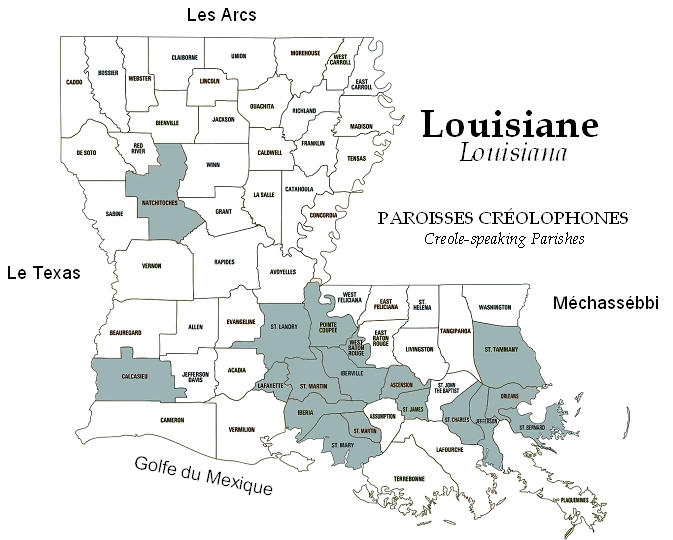
Colonial Foundations
The early French and Spanish colonizers brought with them their languages, customs, and social structures. As they established settlements, particularly in and around New Orleans, they interacted with indigenous populations and, significantly, with enslaved Africans. Over generations, a unique society emerged, characterized by a blend of these influences.
The concept of “gens de couleur libres” – free people of color – played a pivotal role in shaping Creole society. These individuals, often of mixed racial heritage, possessed a distinct social standing and contributed significantly to the cultural and economic landscape of colonial Louisiana. They maintained European customs, spoke French, and often owned property and businesses, carving out a unique space for themselves.
The Melting Pot of Influences
The rich cultural mosaic of Louisiana is a testament to the diverse groups that converged here. Beyond the French and Spanish, there were the enslaved Africans, whose traditions, music, and culinary practices profoundly impacted Creole culture. West African rhythms, spirituals, and storytelling formed an integral part of daily life and artistic expression.
Furthermore, successive waves of immigration introduced other influences. The arrival of French-speaking Acadians, banished from their homeland in what is now Nova Scotia, Canada, led to the development of Cajun culture, which, while distinct, shares a historical and geographical connection with Creole culture, with significant cross-pollination over time. Other European groups, such as Germans and Italians, also contributed to the rich cultural tapestry, particularly in the culinary realm.
Expressions of Creole Culture
Creole culture is not monolithic; it is a dynamic and multifaceted expression of its heritage, manifesting in various forms of art, music, language, and social customs. These expressions are deeply intertwined and reflect the historical evolution of the people.
The Rhythms of Creole Music
Music is an undeniable cornerstone of Creole identity. From the early days, the sounds of the French Quarter echoed with a unique blend of European melodies and African rhythms. This fusion gave birth to genres that would eventually influence American music profoundly.
Jazz and Blues: While often associated with New Orleans more broadly, the origins of jazz are deeply rooted in Creole musical traditions. The early brass bands, second-line parades, and the improvisational spirit of Creole musicians were crucial in the development of this iconic American art form. Similarly, the soulful laments and storytelling of the blues found fertile ground in Creole communities.
Zydeco and Cajun Music: Though distinct, the vibrant sounds of zydeco and Cajun music share a common ancestry with Creole musical forms. These genres, characterized by their accordion-driven melodies and energetic rhythms, often feature French, African, and even Caribbean influences, showcasing the interconnectedness of Louisiana’s musical heritage.
The Art of Creole Cuisine
Perhaps the most universally recognized manifestation of Creole culture is its exquisite cuisine. Creole food is a sophisticated blend of European techniques and ingredients with the vibrant flavors of Africa and the Caribbean, adapted to the bounty of the Louisiana landscape. It is a cuisine of rich sauces, complex spices, and a harmonious interplay of sweet and savory.
Classic Creole Dishes
The hallmark of Creole cuisine lies in its foundational elements. A “trinity” of onions, bell peppers, and celery forms the aromatic base for countless dishes, a practice influenced by French mirepoix. Garlic, a staple, adds pungent depth.
Gumbo: This iconic stew is perhaps the quintessential Creole dish. Its preparation varies greatly, but common elements include a dark roux (flour and fat cooked to a rich brown), the “trinity,” and a variety of meats and seafood. Okra, a West African import, is often used as a thickener, contributing to its unique texture.
Jambalaya: A flavorful rice dish, jambalaya is a hearty one-pot meal that can incorporate a range of ingredients, from seafood and chicken to sausage and vegetables. Its origins reflect the diverse influences on Creole cooking, with Spanish paella and French rice dishes serving as distant inspirations.
Étouffée: This rich, smothered dish, often featuring crawfish or shrimp, is characterized by its thick, flavorful sauce served over rice. It exemplifies the delicate balance of spice and richness found in Creole cooking.
Red Beans and Rice: A staple of Monday meals, this seemingly simple dish is a testament to the enduring influence of African culinary traditions and the resourcefulness of Creole cooks.
The Creole Pantry
The distinct flavors of Creole cuisine are achieved through a specific set of ingredients and seasonings. The use of cayenne pepper, paprika, thyme, bay leaves, and other herbs and spices creates a complex and nuanced palate. Fresh seafood, particularly shrimp, crawfish, and oysters, is abundant and forms the backbone of many dishes. The availability of indigenous ingredients like rice, sugarcane, and various indigenous vegetables has also shaped the cuisine.
Language and Dialect
While French was the dominant language during the colonial era, the Creole language, known as Louisiana Creole French, emerged as a distinct dialect. This language is a fascinating blend of French vocabulary and grammar with influences from African languages, Spanish, and indigenous tongues. It served as a lingua franca within Creole communities, fostering a unique linguistic identity.
While its prevalence has declined with the rise of English, efforts are underway to preserve and revitalize Louisiana Creole French, recognizing its importance as a cultural heritage. Even today, certain phrases and expressions persist, adding to the unique charm of the region.
Modern Creole Identity
The definition of “Creole” has continued to evolve, encompassing a broader understanding of cultural heritage and shared experience. Today, the term is used by many individuals of diverse backgrounds who identify with the unique history, culture, and spirit of Louisiana.
The Enduring Legacy
The legacy of the Creole people is indelibly etched into the fabric of Louisiana. From the architecture of New Orleans to the melodies of its music and the aromas of its kitchens, the influence is palpable. Understanding “What Is Louisiana Creole?” is an invitation to explore a rich and enduring culture that continues to captivate and inspire.

Cultural Preservation and Evolution
Contemporary Creole communities are actively engaged in preserving their heritage while embracing evolution. Museums, cultural festivals, and academic institutions play a vital role in documenting and celebrating Creole history and traditions. The resilience and adaptability of Creole culture are evident in its continued vibrancy and its ongoing contribution to the cultural landscape of America.
The story of Louisiana Creole is a testament to the power of cultural fusion and the enduring human spirit. It is a narrative of adaptation, innovation, and the creation of a unique identity that stands as a proud and vital part of the American mosaic. Exploring this heritage offers a profound understanding of Louisiana’s soul, a journey into a world where history, culture, and flavor converge.
LifeOutOfTheBox is a participant in the Amazon Services LLC Associates Program, an affiliate advertising program designed to provide a means for sites to earn advertising fees by advertising and linking to Amazon.com. Amazon, the Amazon logo, AmazonSupply, and the AmazonSupply logo are trademarks of Amazon.com, Inc. or its affiliates. As an Amazon Associate we earn affiliate commissions from qualifying purchases.