
Understanding the nuances of time zones is a fundamental part of planning any journey, especially when traveling to a destination as geographically isolated as Hawaii. For many travelers arriving from the mainland United States, particularly from the West Coast, there is a common misconception regarding the clock. Many ask, “Is Hawaii Pacific Standard Time?” The short answer is no. Hawaii operates on its own unique schedule known as Hawaii-Aleutian Standard Time. This distinction is more than just a matter of numbers on a watch; it dictates the rhythm of island life, the timing of legendary sunsets, and the logistical flow of the local tourism industry.
Decoding the Clock: Hawaii-Aleutian Standard Time Explained
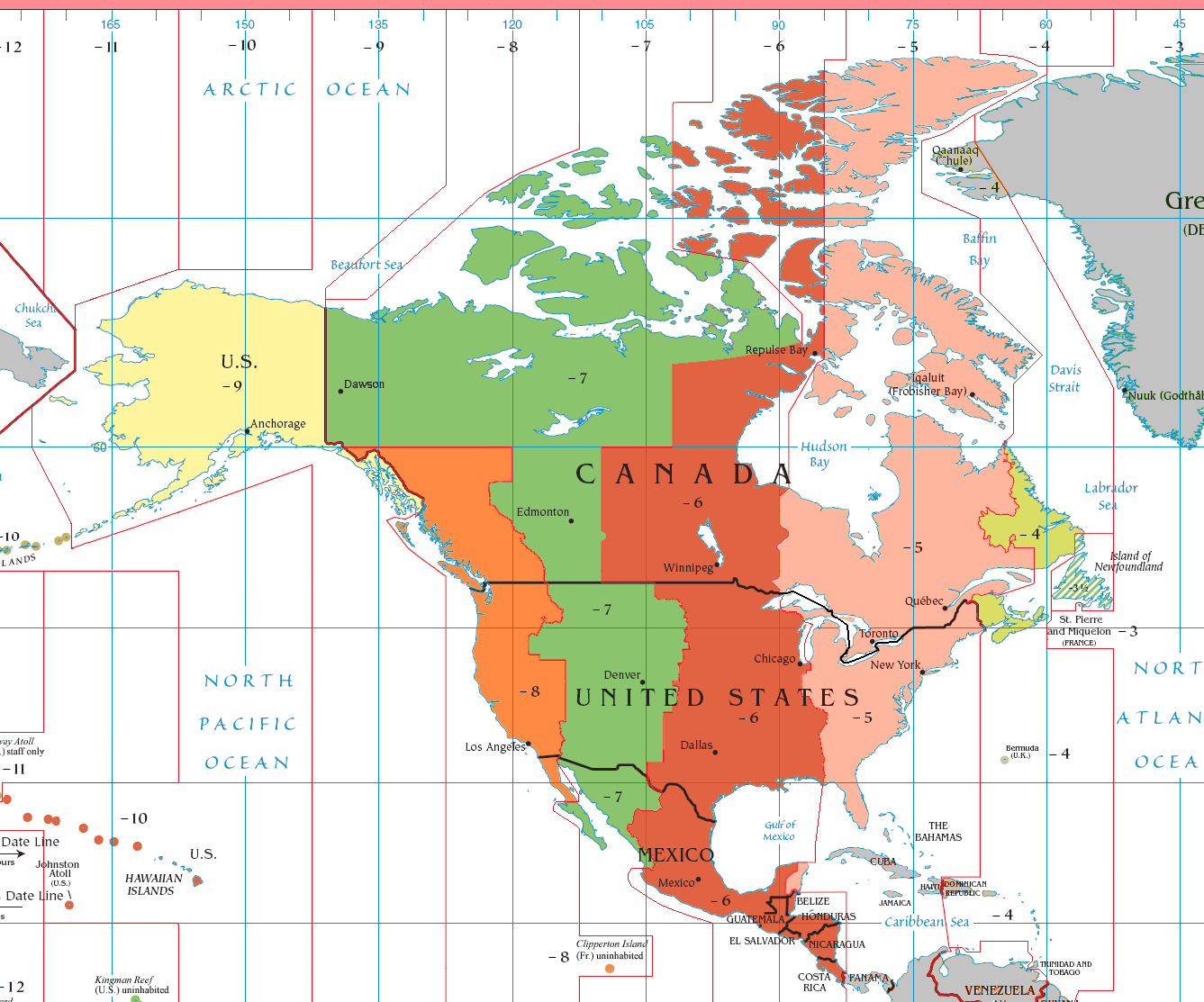
The reason for the confusion often stems from the close economic and cultural ties between Hawaii and California. However, Hawaii is located approximately 2,400 miles off the coast of North America. Because of this vast distance across the Pacific Ocean, it occupies a time zone that is significantly behind the western edge of the continent.
The Absence of Daylight Saving Time
One of the most critical aspects for tourists to understand is that Hawaii does not observe Daylight Saving Time. While the majority of the United States “springs forward” in March and “falls back” in November, the clocks in Honolulu and across the islands remain constant throughout the year. Hawaii joined Arizona in opting out of this practice, primarily because its tropical latitude means that the length of daylight does not vary as drastically between seasons as it does in northern states like Washington or New York.
Calculating the Difference
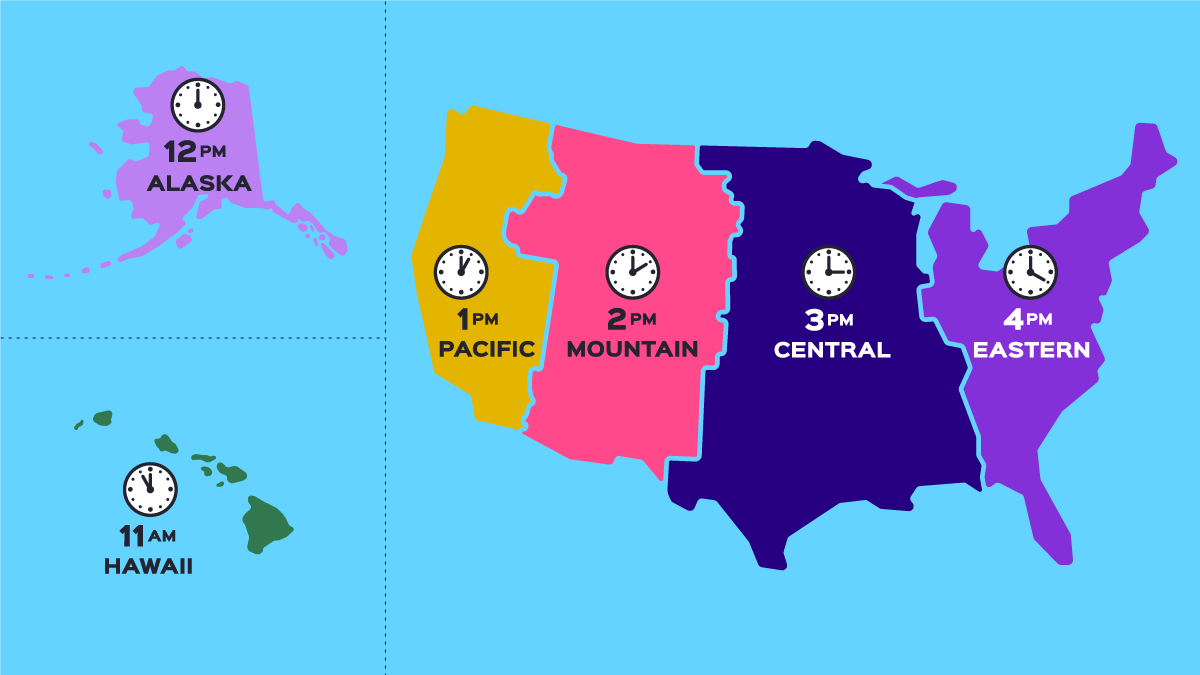
Because Hawaii does not change its clocks, the time difference between the islands and the mainland fluctuates. During the winter months (Standard Time), Hawaii is two hours behind Pacific Standard Time. For example, if it is noon in Los Angeles, it is 10:00 AM in Oahu. However, during the summer months (Daylight Saving Time), the gap widens. Hawaii becomes three hours behind the West Coast. If it is noon in San Francisco in July, it is only 9:00 AM in Maui. For travelers from the East Coast, the difference can be as much as six hours, creating a significant shift in daily routines upon arrival.
Tourism Logistics: How the Time Zone Shapes Your Visit
For the modern tourist, time is the most valuable currency. In Hawaii, the specific time zone influences everything from when you should book your sunrise tour to when you can expect to find a table at a popular restaurant in Waikiki.
Mastering the Early Morning Start
Many of the most iconic tourism experiences in the islands require an early start, which is often made easier by the time difference for those traveling from the east. If you are visiting from Chicago or Atlanta, your internal clock will likely wake you up well before dawn. This is the perfect opportunity to visit the Pearl Harbor National Memorial. Reservations for the USS Arizona Memorial are highly sought after, and arriving early ensures you beat the mid-day heat and the heaviest crowds.
Similarly, those staying on Maui often make the pilgrimage to Haleakala National Park to witness the sunrise from the summit of the volcano. Because the drive can take several hours depending on whether you are staying in Lahaina or Wailea, an early internal clock is a major advantage. By the time the sun crests the horizon, you will feel energized while local residents are still brewing their first cup of Kona coffee.
Sunset Rituals and Evening Activities
Conversely, the “early to bed, early to rise” lifestyle means that nightlife in Hawaii may feel different than in Las Vegas or Miami. While Honolulu has a vibrant bar and club scene, many of the most popular tourist activities are centered around the sunset. Dinner cruises departing from Kewalo Basin Harbor or traditional luaus at the Polynesian Cultural Center are timed strictly to coincide with the golden hour.
Because the sun sets relatively early in the tropics—usually between 6:00 PM and 7:30 PM depending on the month—the tourism “day” often winds down earlier than mainlanders might expect. Many shops in smaller towns like Hanalei on Kauai or Hana on Maui may close by 5:00 PM or 6:00 PM. Planning your shopping and casual dining around this “island time” rhythm is essential for a stress-free experience.
Cultural Rhythms and the Concept of Island Time
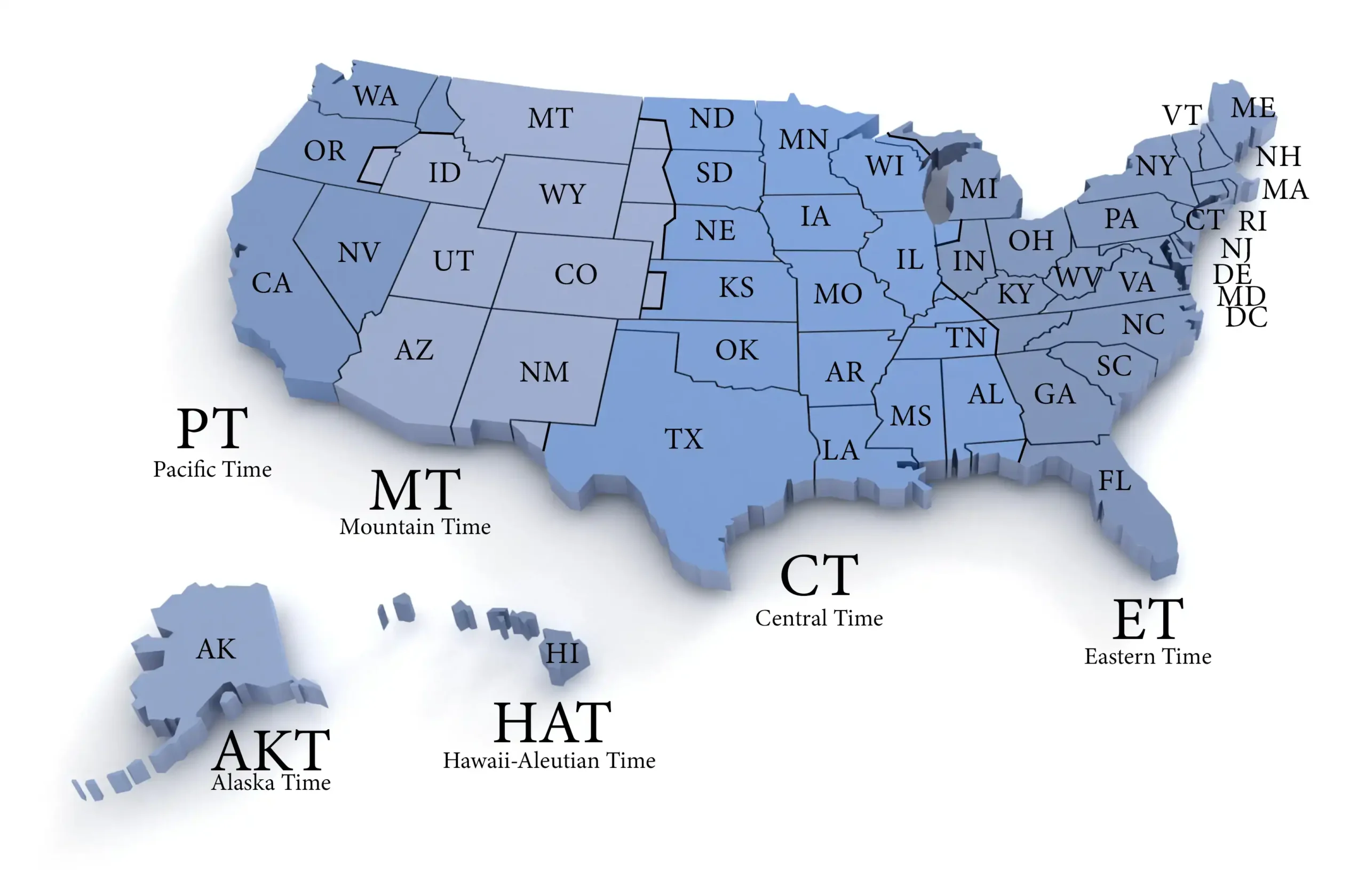
While the technical time zone is Hawaii-Aleutian Standard Time, visitors will quickly encounter a cultural phenomenon known as “Island Time.” This is not a formal measurement of minutes and hours but rather a local philosophy regarding the pace of life.
The Influence of the Environment
In Hawaii, the environment dictates the schedule. Tourism activities like surfing on the North Shore or snorkeling at Hanauma Bay are dependent on tides and light, rather than a rigid 9-to-5 clock. Local culture places a high value on presence and connection. If you are taking a guided tour through Iolani Palace or learning about ancient traditions at Pu’uhonua o Honaunau National Historical Park, you may find that the experience is more about the story and the connection than adhering to a strict departure time.
Culinary Schedules: From Malasadas to Pau Hana
The local food scene also follows its own temporal rules. For the best experience, tourists should adopt the local habit of eating with the sun. Many of the most famous bakeries, such as Leonard’s Bakery, see their longest lines in the early morning. If you wait until noon to hunt for fresh malasadas, you might find certain varieties sold out.
Lunch is often a casual affair, but the late afternoon brings the tradition of “Pau Hana.” Meaning “after work” or “finished work,” Pau Hana is the Hawaii equivalent of happy hour. From the resorts of Kapalua to the beach bars of Kailua-Kona, this is the time when tourists and locals mingle. Understanding that this occurs earlier than the mainland happy hour—often starting as early as 3:00 PM—allows visitors to enjoy local music and discounted appetizers while watching the surfers catch their final waves of the day.
Managing the Time Shift: Tips for Every Traveler
Adjusting to a time zone that is significantly different from Pacific Standard Time or Eastern Standard Time requires some strategy, especially if you want to maximize your limited vacation days.
Beating Jet Lag in the Tropics
For those arriving from Europe, Japan, or the United Kingdom, the shift can be jarring. One of the best ways to acclimate is to engage with the natural environment immediately. Spending time in the sun at Ala Moana Beach Park helps reset your circadian rhythm. Avoid the temptation to take a long nap in your room at the Hilton Hawaiian Village or the Sheraton Waikiki upon arrival. Instead, stay hydrated and stay outdoors until at least 8:00 PM local time.
Communication and Connectivity
If you are a business traveler or someone who needs to stay in touch with family in Seattle or Boston, keep the time gap in mind. When it is a reasonable 9:00 AM for you to start your day in Lihue, it is already noon in California and 3:00 PM in New York. Most major resorts, like the Aulani Resort, offer high-speed internet to facilitate these cross-time-zone communications, but the mental math of the Hawaii-Aleutian Standard Time is something you will need to perform daily.
Booking Tours and Transportation
When booking inter-island flights with Hawaiian Airlines or Southwest Airlines, always double-check your arrival and departure times. While the flights between islands like Oahu and Kauai are short—usually around 30 to 45 minutes—the frequency of flights is high. Being aware of the local time is crucial for rental car pickups at Honolulu International Airport or Kahului Airport, as many agencies have specific windows for reservations.
Final Considerations for the Hawaiian Traveler
Traveling to Hawaii is a journey into a different state of mind, and the unique time zone is the first step in that transformation. By recognizing that Hawaii is not on Pacific Standard Time, you can better prepare for the logistics of your trip. Whether you are hiking the trails of Diamond Head State Monument, exploring the lush valleys of Molokai, or enjoying the luxury of Lanai, your appreciation for the islands will grow as you align your own internal clock with the rising and setting of the sun over the Pacific Ocean.
Embracing the Hawaii-Aleutian Standard Time allows you to fully immerse yourself in the tourism experiences that make these islands a world-class destination. From the historical depths of Pearl Harbor to the astronomical heights of Mauna Kea, time in Hawaii is best spent not by watching the clock, but by savoring every moment of the Aloha spirit. As you plan your itinerary, remember that the “Standard” in Hawaii is excellence, beauty, and a pace of life that invites you to slow down and stay a while.
LifeOutOfTheBox is a participant in the Amazon Services LLC Associates Program, an affiliate advertising program designed to provide a means for sites to earn advertising fees by advertising and linking to Amazon.com. Amazon, the Amazon logo, AmazonSupply, and the AmazonSupply logo are trademarks of Amazon.com, Inc. or its affiliates. As an Amazon Associate we earn affiliate commissions from qualifying purchases.