
Louisiana, a state steeped in a rich tapestry of culture, history, and natural beauty, offers a unique travel experience year-round. Understanding its climate is paramount for any traveler looking to optimize their visit, whether they seek the vibrant energy of Mardi Gras in New Orleans, the tranquil bayous of the Atchafalaya Basin, or the historic plantations along the Mississippi River. The weather in Louisiana is predominantly subtropical, characterized by hot, humid summers and mild, wet winters, with distinct regional variations and the ever-present influence of the Gulf of Mexico. This pervasive humidity and the potential for significant rainfall are defining characteristics that shape the daily lives of Louisianans and the experiences of its visitors.
Understanding Louisiana’s Subtropical Climate
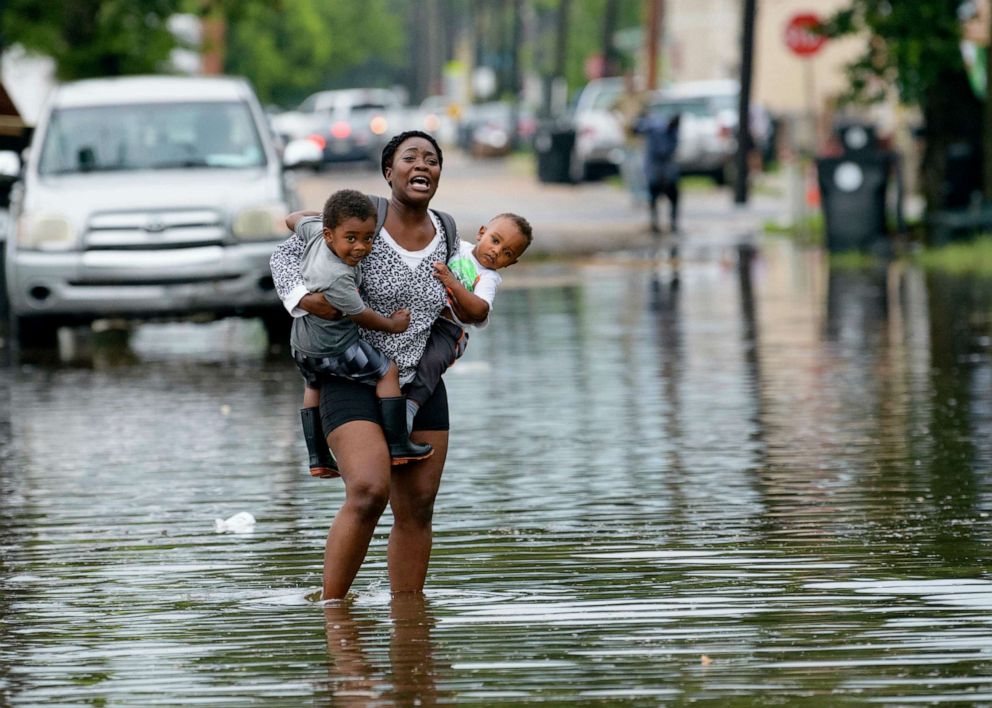
Louisiana’s geographical position in the Deep South of the United States, bordering the Gulf of Mexico, dictates its subtropical climate. This translates into long, warm summers and short, generally mild winters. The state experiences high average temperatures and humidity levels throughout much of the year, especially from late spring through early fall. Rainfall is abundant and distributed relatively evenly across the seasons, although certain periods might experience heavier downpours or even prolonged dry spells.
Seasonal Breakdown: A Traveler’s Guide
To effectively plan a trip, it’s crucial to understand how the weather patterns manifest across the four distinct seasons in Louisiana.
Summer (June – August)
Summers in Louisiana are undeniably hot and humid. Average daily temperatures frequently soar into the high 80s and low 90s Fahrenheit (around 31-33°C), with heat indices often exceeding 100°F (38°C) due to the high humidity. Afternoon thunderstorms are common, offering brief periods of respite from the heat, but they can also be intense, featuring heavy rain and lightning. The humidity can make the heat feel oppressive, so staying hydrated and seeking air-conditioned environments or shaded areas is essential for comfort. Outdoor activities, especially during midday, require careful planning and often an early morning or late evening approach. The water temperature in the Gulf of Mexico is warm and inviting, making coastal areas like Grand Isle popular for swimming and water sports.
Autumn (September – November)
Autumn is often considered the most pleasant season to visit Louisiana. While September can still be warm and humid, temperatures gradually begin to cool down through October and November. The humidity typically decreases, making outdoor exploration more comfortable. Average high temperatures in October and November often range from the 70s to low 80s Fahrenheit (21-27°C). This period is ideal for exploring the historic streets of New Orleans, visiting the Cajun Country towns, or enjoying the fall foliage, which can be vibrant, especially in the northern parts of the state. However, this season can also bring the threat of tropical storms and hurricanes, particularly in September and October, so staying informed about weather advisories is prudent.
Winter (December – February)
Louisiana winters are generally mild, with average temperatures rarely dipping significantly below freezing, except for occasional cold snaps. Highs typically range from the 50s to low 60s Fahrenheit (10-17°C), and lows can hover in the 30s and 40s Fahrenheit (0-10°C). While snow is a rare occurrence, frost and occasional freezing temperatures are not uncommon, particularly in the northern regions. Rainfall is frequent during winter, contributing to the lushness of the landscape. The cooler, drier air can be a welcome change for those escaping harsher winter climates, and it’s a great time to enjoy indoor attractions, sample the local cuisine without the overwhelming heat, and experience events like the early preparations for Mardi Gras.
Spring (March – May)
Spring in Louisiana is a period of transition, marked by warming temperatures and increasing humidity. March can still feel somewhat cool, but by April and May, temperatures are often in the 70s and 80s Fahrenheit (21-32°C), with humidity levels steadily rising. This season is renowned for its blooming azaleas, magnolias, and other vibrant flora, creating a picturesque landscape. It’s an excellent time for outdoor festivals, exploring the state parks, and enjoying the unique flora and fauna. Like summer, spring also brings the possibility of strong thunderstorms and, as the season progresses, the early rumblings of hurricane season. The energy of New Orleans during Mardi Gras often extends into early spring, making it a lively time to visit.
Regional Climate Variations
While Louisiana shares a general subtropical climate, subtle variations exist between its different regions.
North Louisiana
The northern part of the state, generally considered the Louisiana Purchase region, tends to experience slightly more extreme temperatures compared to the southern coast. Summers here can be intensely hot, and winters, while still mild, may see a few more days with temperatures dropping below freezing. Rainfall is generally consistent throughout the year, but this region can be more susceptible to prolonged dry spells during the summer months.
South Louisiana (Acadiana & Mississippi Delta)
The coastal regions, including Acadiana (home of the Cajun and Creole cultures) and the Mississippi Delta, are heavily influenced by the Gulf of Mexico. This proximity leads to higher humidity levels year-round and a more pronounced maritime effect, moderating extreme temperatures to some extent. Winters are typically milder and wetter, and summers are consistently hot and humid. This is also the area most vulnerable to tropical storms and hurricanes. The unique ecosystems of the bayous and wetlands are intrinsically linked to these weather patterns.
Impact of the Gulf of Mexico and Hurricanes
The Gulf of Mexico is a significant factor in Louisiana’s weather. Its warm waters fuel the development of tropical systems, making the state susceptible to hurricanes and tropical storms, particularly from June 1st to November 30th. These storms can bring devastating winds, torrential rainfall, and significant storm surge, impacting coastal communities and inland areas alike. Understanding hurricane season and staying informed about weather forecasts is a critical aspect of planning any trip to Louisiana during these months.
Weather-Related Activities and Experiences
The weather in Louisiana directly influences the types of activities and experiences available to visitors. From vibrant festivals to serene natural explorations, the climate plays a starring role.
Festivals and Events
Louisiana is world-renowned for its festivals, many of which are directly tied to its climate and seasons.
Mardi Gras
Celebrated primarily in late winter and early spring, the Mardi Gras season in New Orleans and surrounding towns offers a unique experience. While the weather can be unpredictable, ranging from crisp winter days to early spring warmth, the spirit of revelry thrives regardless. Travelers should be prepared for potential rain showers but can generally expect moderate temperatures suitable for parades and street parties.
Jazz & Heritage Festival
Held over two weekends in late April and early May in New Orleans, the New Orleans Jazz & Heritage Festival showcases Louisiana’s rich musical heritage and culinary delights. This period typically falls within the beautiful spring season, offering pleasant temperatures and blooming landscapes, perfect for enjoying the outdoor music stages and food vendors.
Summer Celebrations
Summers, despite the heat, are marked by numerous local festivals, seafood boils, and outdoor concerts, particularly along the coast. Many events are scheduled for evenings to escape the peak heat, capitalizing on the warmer nights.
Fall Harvest and Food Festivals
As the weather cools and becomes more amenable in autumn, Louisiana celebrates its agricultural bounty with numerous harvest festivals. These events often highlight local produce, particularly sugarcane, and the state’s famous culinary traditions, making them ideal for food enthusiasts.
Outdoor Exploration

The varied weather patterns offer different opportunities for outdoor exploration.
Bayou and Swamp Tours
The unique ecosystems of Louisiana’s bayous and swamps are best explored when the weather is conducive to being outdoors. Spring and fall offer the most comfortable conditions for boat tours, airboat adventures, and wildlife viewing, allowing visitors to appreciate the lush vegetation and diverse animal life without the intense heat of summer.
Plantation Visits and Historic Sites
Exploring the grand antebellum plantations and historic sites scattered across the state, such as Oak Alley Plantation or the Laura Plantation, is an enjoyable activity year-round. However, spring and fall provide the most pleasant weather for walking the grounds and touring the historic homes. Summer visits require strategic planning to avoid the hottest parts of the day.
Coastal Activities
The Louisiana coast, including areas around Grand Isle and Cameron Parish, offers opportunities for fishing, birdwatching, and enjoying the beaches. Summer provides warm waters for swimming, while spring and fall offer ideal conditions for active pursuits like kayaking and exploring the unique coastal marshes. Visitors must remain vigilant about hurricane warnings during the latter half of summer and into fall.
Culinary Experiences
Louisiana’s world-renowned cuisine is deeply intertwined with its climate and agricultural cycles.
Seafood Seasonality
The abundance of fresh seafood, from Gulf shrimp to oysters, is a hallmark of Louisiana’s culinary scene. While available year-round, certain times of the year are particularly renowned for specific catches, influenced by water temperatures and spawning seasons, which are, in turn, affected by the overall climate.
Gumbo and Comfort Foods
During cooler winter months, hearty dishes like gumbo, étouffée, and jambalaya are particularly appealing. These rich, flavorful stews and rice dishes are a comforting way to enjoy Louisiana’s culinary heritage when the weather invites indoor dining and warming meals.
Preparing for Louisiana’s Weather: Essential Travel Tips
Navigating Louisiana’s unique climate requires a bit of foresight and preparation to ensure a comfortable and enjoyable trip.
Packing Essentials
The key to comfortable travel in Louisiana lies in packing appropriately for the prevailing weather conditions.
Clothing Choices
Lightweight, breathable fabrics are essential, especially for summer travel. Cotton and moisture-wicking materials are ideal. Pack shorts, t-shirts, and sundresses for warm weather, alongside a light rain jacket or poncho, as afternoon showers are common. For cooler winter months, a light to medium jacket, long-sleeved shirts, and pants are advisable. Comfortable walking shoes are a must, regardless of the season, as exploring Louisiana often involves a lot of walking, especially in cities like New Orleans.
Sun Protection
The Louisiana sun can be intense, particularly during the summer and spring. Sunscreen with a high SPF, a wide-brimmed hat, and sunglasses are indispensable items to protect against sunburn and heatstroke.
Hydration and Health
Given the high humidity and temperatures, especially in summer, staying hydrated is crucial. Carry a reusable water bottle and refill it frequently. Consider bringing insect repellent, as mosquitoes can be prevalent, particularly in marshy areas and during warmer months.
Monitoring Weather Forecasts
Staying informed about weather conditions is vital, especially when traveling during the hurricane season or periods prone to severe thunderstorms.
Reliable Weather Sources
Utilize reputable weather apps and websites to check forecasts regularly. The National Hurricane Center is the official source for tracking tropical systems. Local news channels and meteorological services also provide valuable, up-to-date information specific to Louisiana.
Flexibility in Itinerary
It’s wise to build some flexibility into your travel plans. Be prepared to adjust outdoor activities or sightseeing schedules if severe weather is forecasted. Having a list of indoor attractions, museums, or culinary experiences can serve as excellent alternatives.
Transportation Considerations
Louisiana’s weather can influence transportation.
Road Conditions
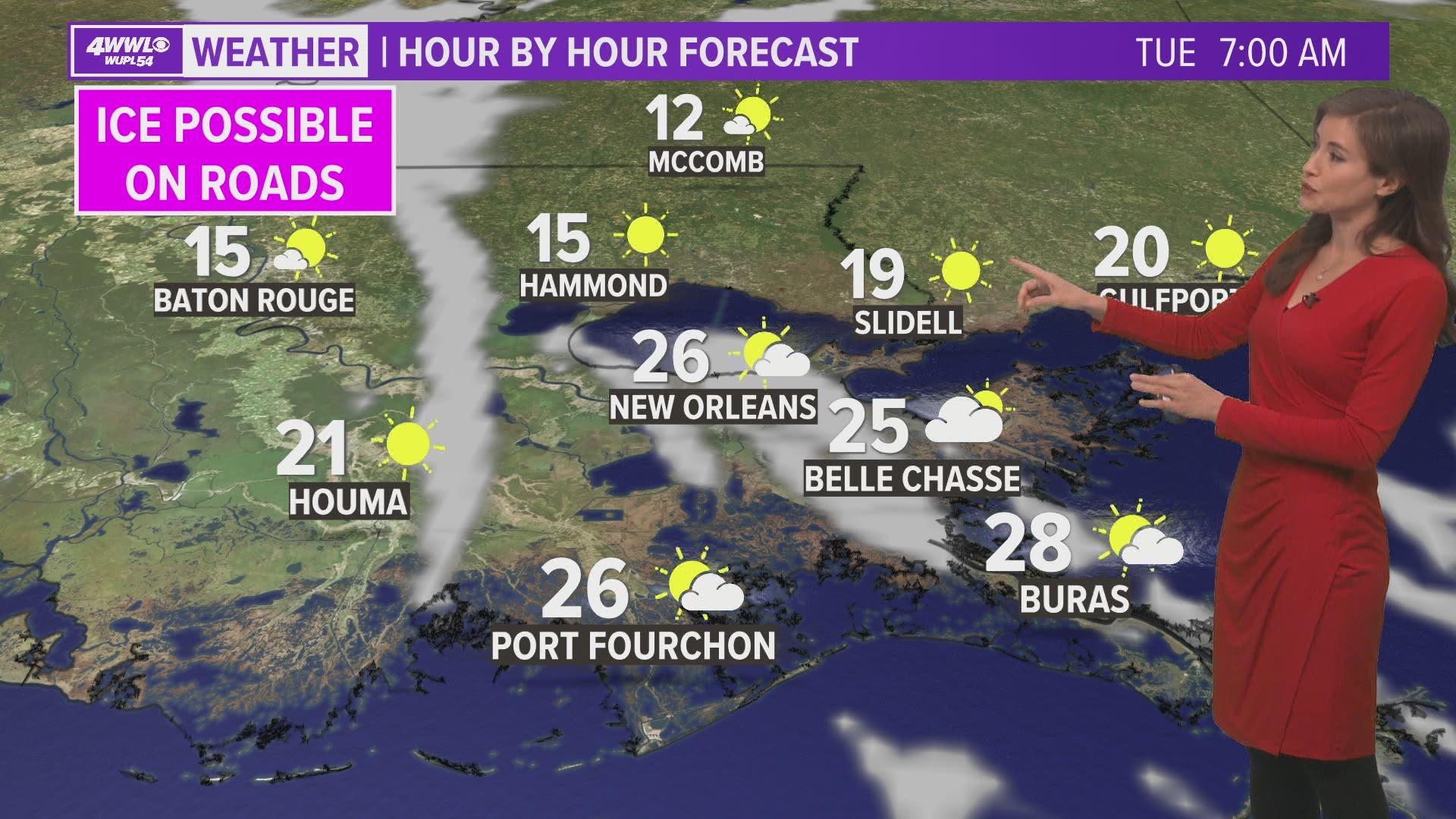
Heavy rainfall can sometimes lead to localized flooding, impacting road conditions, particularly in low-lying areas. Driving with caution, especially during storms, is always recommended.
Air Travel
While less directly impacted by local weather, flights can be delayed or canceled due to significant weather events, such as hurricanes. It’s advisable to check flight statuses frequently when traveling during potentially volatile weather periods.
By understanding and respecting Louisiana’s dynamic subtropical climate, travelers can better plan their adventures, embrace the unique charm of the state, and create lasting memories amidst its captivating landscapes and vibrant culture.
LifeOutOfTheBox is a participant in the Amazon Services LLC Associates Program, an affiliate advertising program designed to provide a means for sites to earn advertising fees by advertising and linking to Amazon.com. Amazon, the Amazon logo, AmazonSupply, and the AmazonSupply logo are trademarks of Amazon.com, Inc. or its affiliates. As an Amazon Associate we earn affiliate commissions from qualifying purchases.