
Understanding Maine’s Tax Landscape for Travelers and Residents
Navigating the financial intricacies of any destination, whether for a brief visit or an extended stay, is a crucial aspect of planning. For those considering the picturesque state of Maine, understanding its tax policies is paramount. This exploration delves into the tax structure of Maine, focusing on how it impacts visitors, potential residents, and the overall economic environment of this charming New England state. While the question of a “state tax” can be interpreted broadly, the primary concern for most travelers and individuals considering relocation revolves around income tax and sales tax.
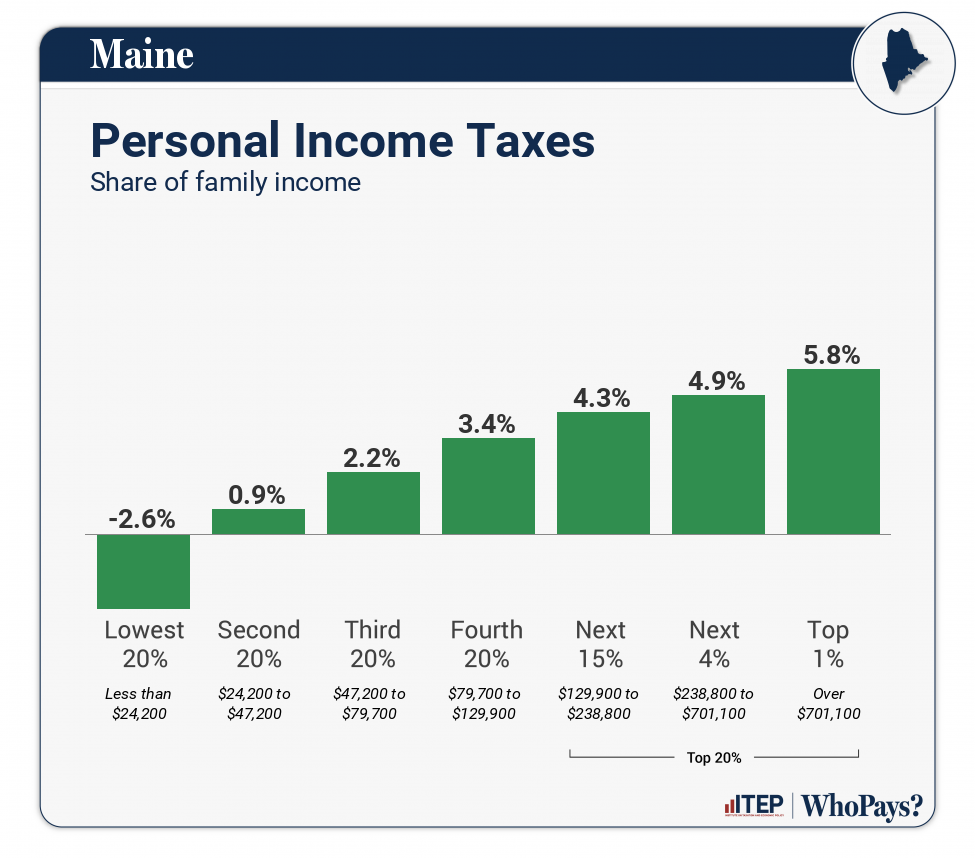
Income Tax in Maine: A Resident’s Perspective
Maine operates with a progressive income tax system, meaning that higher earners pay a larger percentage of their income in taxes. This structure is a common feature in many U.S. states and is designed to ensure that the tax burden is distributed more equitably. For residents, understanding the tax brackets and rates is essential for accurate financial planning and tax filing.
Tax Brackets and Rates
The income tax rates in Maine are subject to change, typically adjusted annually for inflation. As of recent information, the state has a tiered system. For instance, there might be a lower rate for income within a certain range, a higher rate for income exceeding that range, and potentially a top rate for very high earners. It is vital for individuals to consult the latest tax code from the Maine Revenue Services for the most up-to-date figures.
Deductions and Credits
Beyond the tax rates, the concept of deductions and credits plays a significant role in reducing an individual’s taxable income and, consequently, their overall tax liability. Maine offers various deductions, such as those for dependents, medical expenses (subject to certain limitations), and contributions to retirement accounts. Tax credits are also available, which directly reduce the amount of tax owed. These can include credits for low-income taxpayers, property tax relief for eligible individuals, and credits related to education or certain types of investments. For new residents or those considering a move, understanding these provisions can significantly impact their financial outlook in the state.
Filing Requirements
Residents of Maine are generally required to file a state income tax return if their gross income exceeds a certain threshold. This threshold is also subject to change and often depends on filing status (e.g., single, married filing jointly). Non-residents who earn income within Maine may also have filing obligations. The state provides various forms and online filing options to facilitate the tax return process.
Sales and Use Tax: A Traveler’s Immediate Concern
For visitors to Maine, the most immediately apparent tax is the sales tax. This tax is levied on the purchase of tangible personal property and certain services. It is a crucial component of state revenue and directly affects the cost of goods and activities during a trip.
The Standard Sales Tax Rate
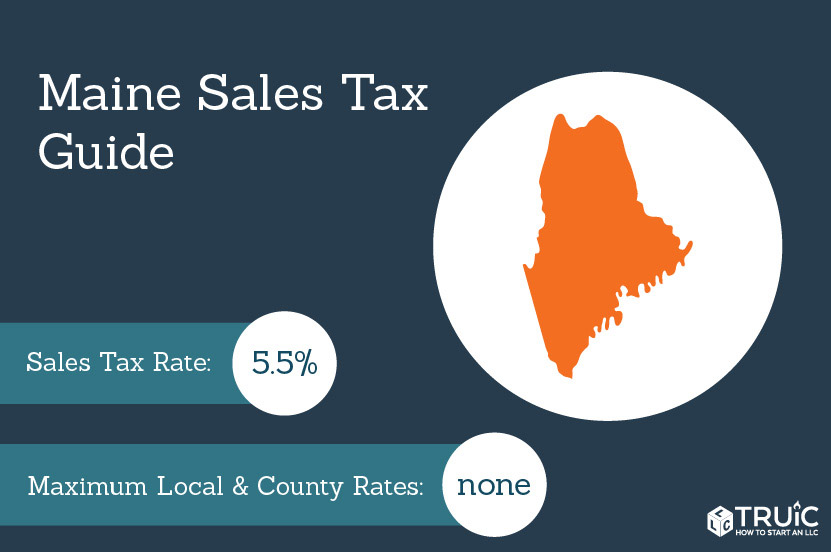
Maine has a statewide sales tax rate. This rate applies to most retail transactions. When purchasing souvenirs in Kennebunkport, dining at a lobster pound in Rockland, or buying provisions for a cabin near Acadia National Park, this sales tax will be added to the bill.
Exemptions and Exceptions
It’s important to note that not all goods and services are subject to sales tax. Certain essential items, such as most groceries intended for home consumption, prescription medications, and services like healthcare and education, are typically exempt. Additionally, there are provisions for tax-exempt organizations and specific circumstances that might qualify for an exemption. For instance, if you are purchasing items for resale, you may be able to provide a resale certificate to avoid paying sales tax at the point of purchase.
Use Tax
Closely related to sales tax is the use tax. This tax is essentially the counterpart to sales tax and is imposed on items purchased outside of Maine but brought into the state for use, storage, or consumption. If you purchase an item in another state where sales tax was not collected (or collected at a lower rate), you may owe Maine use tax. This is particularly relevant for online purchases or items acquired during travels outside the state. The use tax rate is generally the same as the sales tax rate.
Property Taxes: A Localized Burden
While not a “state tax” in the same vein as income or sales tax, property taxes are a significant source of revenue for local governments in Maine and can impact both residents and property owners. These taxes are levied on the assessed value of real estate and, in some cases, personal property.
Local Governance and Taxation
In Maine, property taxes are administered and collected at the municipal level. This means that tax rates can vary considerably from one town or city to another. Factors influencing these rates include the local government’s budget requirements, the total assessed value of property within the municipality, and the services provided by the local government (e.g., schools, police, fire departments).
Homestead Exemptions and Other Relief
To alleviate the property tax burden on homeowners, Maine offers various exemptions and programs. The most common is the homestead exemption, which reduces the taxable value of a primary residence. Other programs may provide property tax relief for seniors, veterans, or individuals with disabilities, often based on income limitations. For those considering purchasing property, understanding the local property tax rates and available exemptions is crucial for budgeting.
Other State-Level Taxes and Fees
Beyond income, sales, and property taxes, Maine also imposes other taxes and fees that contribute to state revenue and fund specific services. These can include excise taxes on gasoline, tobacco, and alcoholic beverages, as well as various licensing fees for vehicles, businesses, and specific professions. While these may not represent a significant portion of an individual’s overall tax burden compared to income or sales tax, they are part of the broader fiscal landscape of the state. For example, the excise tax on gasoline directly supports the maintenance and improvement of Maine’s extensive road and bridge network, crucial for travelers exploring destinations like Bar Harbor or navigating the scenic routes.

Conclusion: A Comprehensive Tax Picture for Maine
In answering the question, “Does Maine have a state tax?” the answer is a resounding yes, but with nuance. Maine has a progressive income tax for residents, a sales and use tax that affects most transactions for both visitors and residents, and property taxes are levied at the local level. For travelers, the sales tax is the most immediate financial consideration, while for those contemplating a move or residing in the state, understanding the full spectrum of income and property tax implications is vital. By being informed about these tax structures, individuals can better plan their finances, make informed decisions about travel and residency, and appreciate the fiscal framework that supports the charming and diverse offerings of the Pine Tree State.
LifeOutOfTheBox is a participant in the Amazon Services LLC Associates Program, an affiliate advertising program designed to provide a means for sites to earn advertising fees by advertising and linking to Amazon.com. Amazon, the Amazon logo, AmazonSupply, and the AmazonSupply logo are trademarks of Amazon.com, Inc. or its affiliates. As an Amazon Associate we earn affiliate commissions from qualifying purchases.