
Lobster is synonymous with the state of Maine, a culinary icon that draws food enthusiasts and travelers from around the globe. The allure of a freshly caught, succulent Maine lobster, often enjoyed with a view of the Atlantic, is a quintessential part of any visit. However, the question of “how much is lobster in Maine?” is not as straightforward as one might initially assume. The price of this prized crustacean is influenced by a dynamic interplay of factors, including seasonality, market demand, the specific type of lobster establishment, and the sheer freshness of the catch. Understanding these elements is key to appreciating the value and experience of savoring Maine lobster.
Factors Influencing Lobster Prices
The cost of lobster is far from static; it fluctuates significantly based on a variety of economic and environmental conditions. These variables create a complex pricing structure that diners encounter when seeking out this delicacy.
Seasonality and Availability
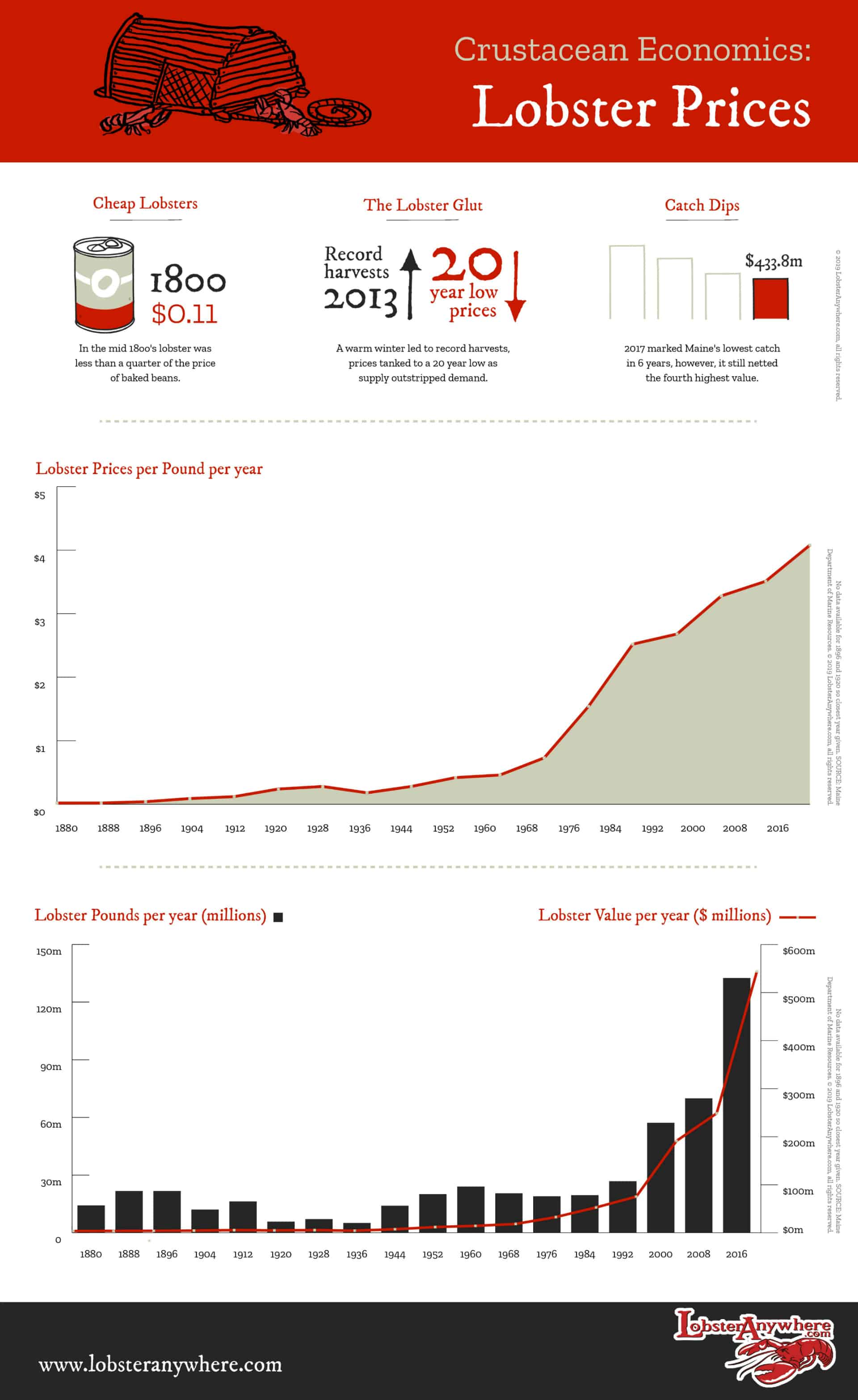
The lobster season in Maine typically runs from late May through December, with peak availability occurring during the summer months of June, July, and August. During this prime season, lobstermen are actively harvesting, leading to a greater supply. While this might intuitively suggest lower prices, the concurrent surge in tourism and demand often offsets any potential price drops. In fact, the peak summer season can sometimes see prices remain steady or even increase due to the sheer volume of people eager to experience this iconic food.
Conversely, the shoulder seasons and the late fall/early winter months can present different pricing dynamics. As the weather cools and fewer boats are actively fishing, the supply can diminish. However, demand also tends to decrease outside of the peak tourist period. This can lead to more stable or even slightly reduced prices in some instances, particularly at local markets where the direct supply chain is shorter. The availability of bait for traps and the intensity of storms can also play a role in the number of fishing days, indirectly affecting supply and price.
Market Demand and Economic Conditions
Like any commodity, lobster prices are heavily influenced by supply and demand on both local and international markets. A strong demand from restaurants, seafood markets, and export markets can drive prices upward. Conversely, a downturn in the economy or shifts in consumer preferences can lead to reduced demand and potentially lower prices. The global appetite for Maine lobster, particularly from Asia and Europe, plays a significant role in the overall market price.
Lobster Type and Size
The price can also vary based on the specific type of lobster being sold. While the most sought-after is the American lobster ( Homarus americanus), there are subtle differences. For instance, “v-notched” females, which are breeders and are typically returned to the sea by law to ensure future populations, are not available for consumption. “Shedders” or “v-imals” are lobsters that have recently molted their shells. These lobsters have softer shells and a higher water content, which can affect their meat yield and flavor profile. Some prefer the sweeter, more tender meat of a soft-shell lobster, while others opt for the firmer, more robust meat of a hard-shell lobster. Hard-shell lobsters generally command a higher price due to their better meat-to-shell ratio and storage potential.
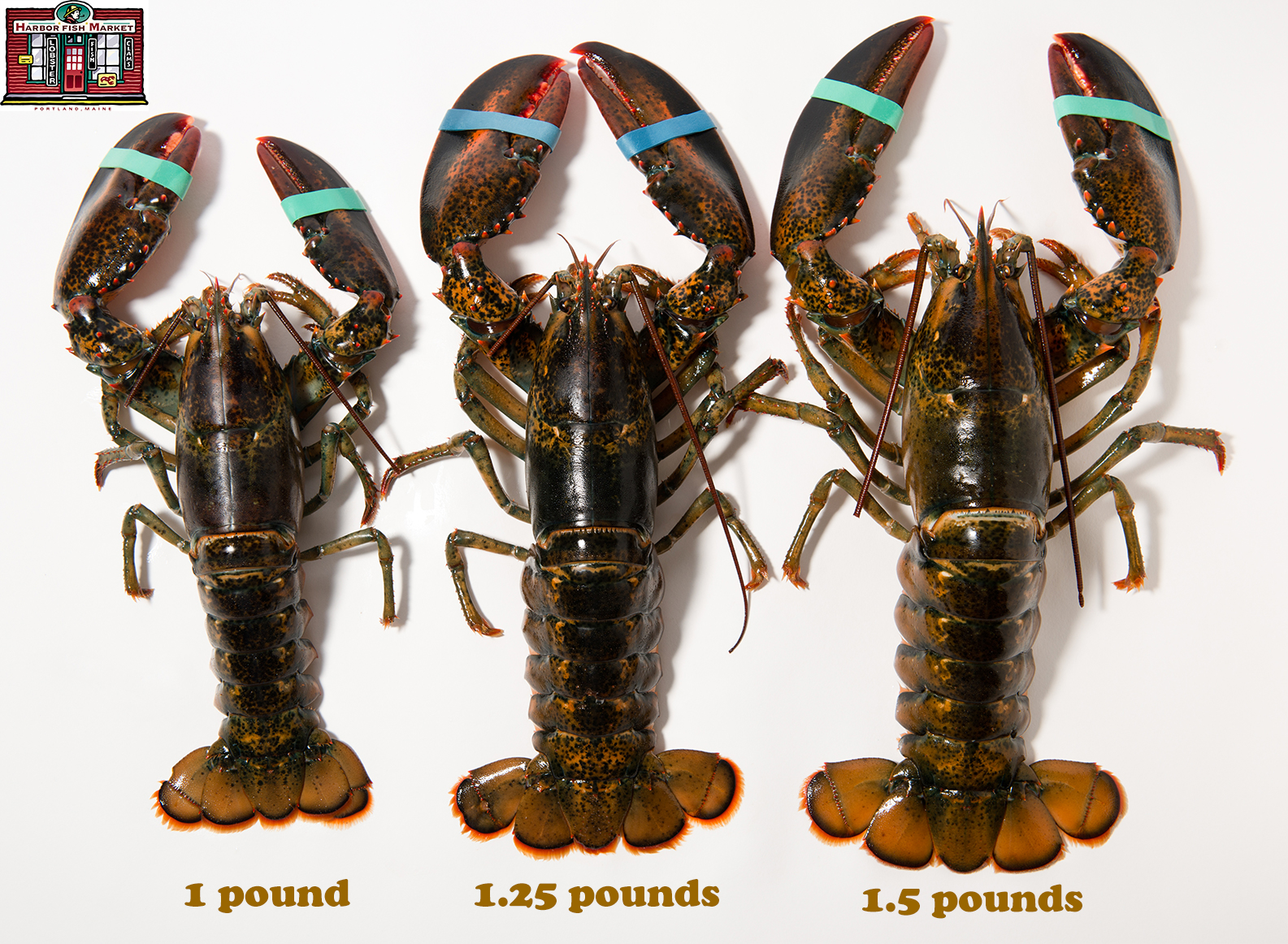
The size of the lobster also factors into the cost. Larger lobsters, often referred to as “chickens” (1 to 1.25 pounds), “quahogs” (1.5 to 2 pounds), “culls” (2 to 3 pounds), and “jumbos” (over 3 pounds), are priced differently. While larger lobsters offer more meat, the price per pound often increases with size, especially for the jumbos, as they are less common and highly prized.
Where to Buy and Eat Lobster in Maine
The price of lobster can vary significantly depending on where you choose to purchase or enjoy it. From casual roadside stands to upscale restaurants, each offers a distinct experience and price point.
Lobster Pounds and Roadside Stands
For the most authentic and often the most affordable Maine lobster experience, seek out the local lobster pounds and roadside stands. These establishments are typically run by lobstermen or their families, meaning the lobsters are often cooked and served incredibly fresh, having been brought directly from the boat. The setting is usually rustic and casual, with picnic tables overlooking the water.
Here, you can expect to find whole lobsters, typically steamed or boiled, served with drawn butter and corn on the cob. Prices at these locations are highly variable and often quoted by the pound, changing daily based on the market. A 1.5-pound lobster might range anywhere from $20 to $40 or more, depending on the day’s catch and the specific location. Some pounds might offer deals or specials, especially during off-peak hours or days. The advantage here is the unparalleled freshness and the direct connection to the source. Popular spots like Red’s Eats in Wiscasset or McLoon’s Lobster Shack in Spruce Head are renowned for their quality and can offer a benchmark for typical pricing.

Casual Restaurants and Seafood Shacks
Many coastal towns in Maine are dotted with casual restaurants and seafood shacks that serve a variety of lobster dishes. Beyond whole steamed lobsters, these establishments often feature lobster rolls (both hot and cold styles), lobster bisque, lobster mac and cheese, and lobster salads.
The price for a whole lobster at these restaurants will generally be higher than at a lobster pound due to overhead costs, preparation, and service. You might expect to pay between $30 and $50 for a 1.5-pound lobster. Lobster rolls are a particularly popular item, and their price is a significant consideration for many visitors. A generous lobster roll, packed with claw and tail meat, can range from $25 to $40, depending on the amount of lobster meat used and the quality of the bread. These establishments offer a more comfortable dining experience with indoor seating and a broader menu, making them a great option for families or those seeking a more sit-down meal.
Upscale Dining Establishments
For a more refined dining experience, Maine also boasts upscale restaurants, particularly in cities like Portland and Kennebunkport, that incorporate lobster into innovative and gourmet dishes. Here, the price of lobster reflects not only the quality of the ingredient but also the culinary artistry, ambiance, and service.
While whole steamed lobsters might still be available, they will likely be the most expensive option, often priced per market and potentially exceeding $50 or $60 for a larger specimen. The real appeal of these establishments often lies in their creative lobster preparations: lobster risotto, lobster ravioli, or a signature lobster thermidor. These dishes might not be priced by the pound but rather as a complete entree, with costs ranging from $40 to $70 or more per plate. The focus here is on the overall dining experience, with exquisite presentation and complex flavor profiles.
Purchasing Lobster to Cook at Home
For those staying in accommodations with kitchens, purchasing live lobsters from a local seafood market or directly from a lobsterman can be a cost-effective and rewarding way to enjoy Maine lobster. Live lobsters are typically sold by the pound. Prices can fluctuate daily but might range from $8 to $15 per pound for smaller to medium-sized hard-shell lobsters. This offers a considerable saving compared to restaurant prices, allowing you to enjoy more lobster for your budget. Many seafood markets will also offer pre-cooked lobsters if you prefer not to cook them live.
Understanding Lobster Pricing: What to Expect
When you see a price for lobster, it’s important to understand what you’re paying for. This will help you make informed decisions and truly savor your Maine lobster experience.
Price Per Pound vs. Price Per Lobster
Most lobster pounds and seafood markets will advertise their prices per pound. This is a standard metric for whole, live lobsters. When ordering a whole lobster at a restaurant, it’s often priced as a fixed amount for a specific size (e.g., “1.5 lb lobster – $XX”). It’s always a good idea to clarify if the price is for the lobster as served or if there are additional charges for preparation or sides, though this is rare for whole lobsters. For dishes like lobster rolls or lobster entrees, the price is typically a set amount for the dish.
Hidden Costs and What’s Included
At lobster pounds and casual seafood shacks, a whole steamed or boiled lobster usually comes with drawn butter and perhaps a side of corn on the cob or coleslaw. Lobster rolls are typically served without sides, which are usually ordered separately. In upscale restaurants, the price of a lobster entree almost always includes all accompaniments and is a complete dish. When purchasing live lobsters to cook yourself, you are solely paying for the lobster, so factor in the cost of butter, sides, and any cooking fuel if you are using an outdoor grill.
Tips for Getting the Best Value
To get the best value for your Maine lobster dollar, consider the following:
- Visit During Off-Peak Times: If possible, dining during weekdays or outside the prime summer season (July and August) can sometimes offer slightly better prices or fewer crowds.
- Explore Local Markets: Venture beyond the most tourist-heavy areas to find local lobster pounds and markets where prices might be more competitive.
- Consider Lobster Rolls: While whole lobsters are iconic, a well-made lobster roll can be a more economical way to enjoy a substantial amount of lobster meat.
- Eat Like a Local: Embrace the casual, rustic experience of a lobster pound. This is where the freshest, most authentic Maine lobster is often served at the most reasonable prices.
- Check Daily Specials: Many establishments will post their daily lobster prices, so keep an eye out for those.
The price of lobster in Maine is a fluid figure, reflecting the hard work of lobstermen, the bounty of the sea, and the vibrant culinary scene of the state. Whether you are seeking a casual waterfront feast or a sophisticated seafood creation, understanding the factors that influence cost will enhance your appreciation for this celebrated crustacean.
LifeOutOfTheBox is a participant in the Amazon Services LLC Associates Program, an affiliate advertising program designed to provide a means for sites to earn advertising fees by advertising and linking to Amazon.com. Amazon, the Amazon logo, AmazonSupply, and the AmazonSupply logo are trademarks of Amazon.com, Inc. or its affiliates. As an Amazon Associate we earn affiliate commissions from qualifying purchases.