
A Global Phenomenon Rooted in Superstition
The absence of a 13th floor in many hotels is a familiar sight for travelers worldwide. While it may seem like a minor architectural quirk, this omission is deeply ingrained in a global phenomenon rooted in centuries of superstition and cultural beliefs. This practice, often referred to as triskaidekaphobia (the fear of the number 13), has significantly influenced the design and naming conventions of buildings, particularly in the hospitality industry.
The fear of the number 13 is not a recent invention. Its origins are multifaceted, drawing from religious, mythological, and historical events. In Christian tradition, the Last Supper famously had 13 attendees, with the 13th guest being Judas Iscariot, who betrayed Jesus. This association with betrayal and misfortune has permeated Western culture for millennia. In Norse mythology, a banquet for 12 gods was disrupted by the arrival of Loki, the trickster god, as the 13th guest, leading to the death of Baldur, the god of light and beauty. Ancient Roman beliefs also considered 13 an unlucky number.
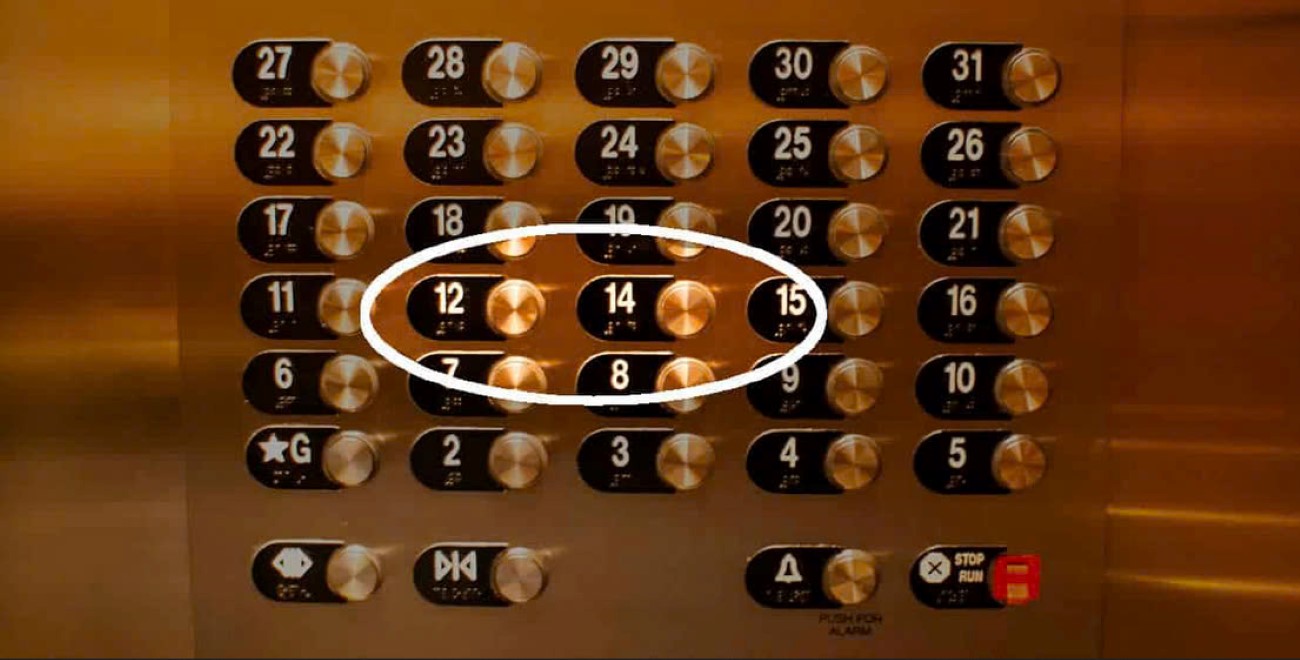
These deeply embedded beliefs have led to a widespread avoidance of the number 13 in various contexts, from seating arrangements at dinner parties to the numbering of rooms and floors in buildings. For hotels, the decision to skip the 13th floor is a pragmatic one, aimed at catering to the comfort and peace of mind of their guests. A guest who is deeply superstitious might feel uneasy or even refuse to stay in a room on the 13th floor, potentially leading to negative reviews or lost bookings. Therefore, hotels often choose to omit the 13th floor entirely, jumping from the 12th floor to the 14th, or sometimes renumbering the 13th floor as something else entirely, like a “M” floor (for mezzanine) or a floor named after a significant figure or a pleasant concept. This practice is particularly prevalent in Western countries, but its influence has spread globally as international hotel chains adopt consistent design and operational standards.
Historical Roots of Triskaidekaphobia
The aversion to the number 13 can be traced back to ancient times. Various cultures and mythologies have contributed to its negative connotations.
Religious and Mythological Influences
- The Last Supper: The most cited example is the biblical account of the Last Supper, where Jesus and his twelve apostles numbered thirteen individuals. Judas Iscariot, the betrayer, is often identified as the thirteenth person to arrive or sit at the table, casting a long shadow of ill fortune upon the number.
- Norse Mythology: The tale of the god Baldur’s death, orchestrated by Loki as the thirteenth guest at a banquet of the gods, further solidified the number’s association with disaster and disruption.
- Ancient Numerology: Some ancient numerological systems viewed the number 12 as representing completeness and order (e.g., 12 months in a year, 12 signs of the zodiac, 12 hours on a clock). The number 13, being one more than 12, was seen as transgressing this perfect order and thus inherently unstable or unlucky.
Cultural Manifestations
- Friday the 13th: The convergence of Friday (traditionally associated with misfortune in some Western cultures, possibly due to Jesus’ crucifixion on a Friday) and the number 13 has created one of the most recognized superstitions globally.
- Knights Templar: Some theories link the suppression of the Knights Templar on Friday, October 13, 1307, to the enduring stigma of Friday the 13th.
These historical and cultural underpinnings create a fertile ground for superstition, making the omission of a 13th floor in hotels a widely accepted practice to avoid potentially alienating guests.
The Practicalities of Hotel Design and Guest Psychology
Beyond the deep-seated superstitions, the decision to skip the 13th floor is also a matter of practical business strategy for hotels. Understanding guest psychology and catering to diverse cultural expectations are paramount in the hospitality industry.
Guest Comfort and Booking Decisions
Hotels operate in a competitive market, and guest satisfaction is key to repeat business and positive reviews. While not all guests are superstitious, a significant portion may harbor anxieties or discomfort regarding the number 13. A hotel that prominently displays a 13th floor might inadvertently deter such guests, especially those with strong cultural or personal beliefs. By omitting the floor, hotels can avoid potential discomfort, complaints, or even booking cancellations. It’s a simple yet effective way to ensure that a guest’s stay is as pleasant and worry-free as possible, regardless of their personal beliefs about luck. This consideration extends to various amenities and room numbering as well; for example, some hotels might avoid room numbers containing 13.

Marketing and Brand Perception
In the luxury hotel sector, where guest experience is meticulously crafted, even the perception of potential unease can be detrimental. By adhering to the common practice of omitting the 13th floor, hotels align themselves with established norms and demonstrate an understanding of guest sensitivities. This can subtly contribute to a brand’s image as thoughtful, considerate, and attuned to the needs of its clientele. It’s a small detail that can contribute to an overall feeling of comfort and reassurance, making a hotel more appealing to a broader range of travelers, from those who are genuinely superstitious to those who simply prefer not to be reminded of such associations.
The Economic Argument
The economic implications are also undeniable. A hotel room that a guest is unwilling to occupy due to superstition is a wasted asset. By eliminating the “problematic” floor and renumbering subsequent floors, hotels maximize the usability and revenue-generating potential of their building. This is especially true for the higher floors, which often command premium prices due to better views and amenities. Ensuring that these floors are desirable to the widest possible audience is a sound business decision.
Variations and Alternatives to the 13th Floor
While omitting the 13th floor is common, hotels and building developers have employed various strategies to navigate this superstitious hurdle, demonstrating adaptability and a commitment to guest comfort.
Renumbering and Reimagining
- Skipping the Number: The most straightforward approach is to simply jump from the 12th floor to the 14th floor. This is prevalent in many buildings, especially in the United States and Europe.
- Using Alternate Labels: Some buildings opt for alternative labels for the 13th floor, thereby avoiding the direct use of the number. This could include:
- “M” for Mezzanine: In some multi-level structures, a floor might be designated as a mezzanine, offering a different function or access point.
- “12A” or “12B”: Similar to how apartment numbers are sometimes designated, a floor might be given a fractional or lettered designation that bypasses the numeral 13.
- Themed Names: High-end establishments might name the floor after something positive or significant, such as a historical figure, a local landmark, or a concept like “Summit” or “Skyline.”
Cultural Nuances and Global Practices
It’s important to note that the aversion to the number 13 is not universal. In some cultures, other numbers may carry similar or even stronger superstitious weight.
- East Asian Superstitions: In many East Asian cultures, the number 4 is considered unlucky because its pronunciation (sì) is similar to the word for death (sǐ). Consequently, buildings in countries like China, Japan, and Korea often skip the 4th floor, and sometimes any floor containing the digit 4 (e.g., 14, 24, 40-49).
- Italian Superstitions: Interestingly, in Italy, the unlucky number is often considered to be 17, not 13. This stems from the Roman numeral XVII, which can be rearranged to form VIXI, meaning “I have lived” in Latin, implying death. Therefore, some Italian hotels might skip the 17th floor.
Despite these variations, the practice of skipping the 13th floor has become a widely recognized international convention in hotel design, driven by a confluence of historical beliefs, psychological considerations, and economic prudence. It represents a thoughtful approach to guest experience, ensuring that a hotel caters to a broad spectrum of beliefs and preferences, thereby enhancing the overall comfort and appeal of the accommodation.
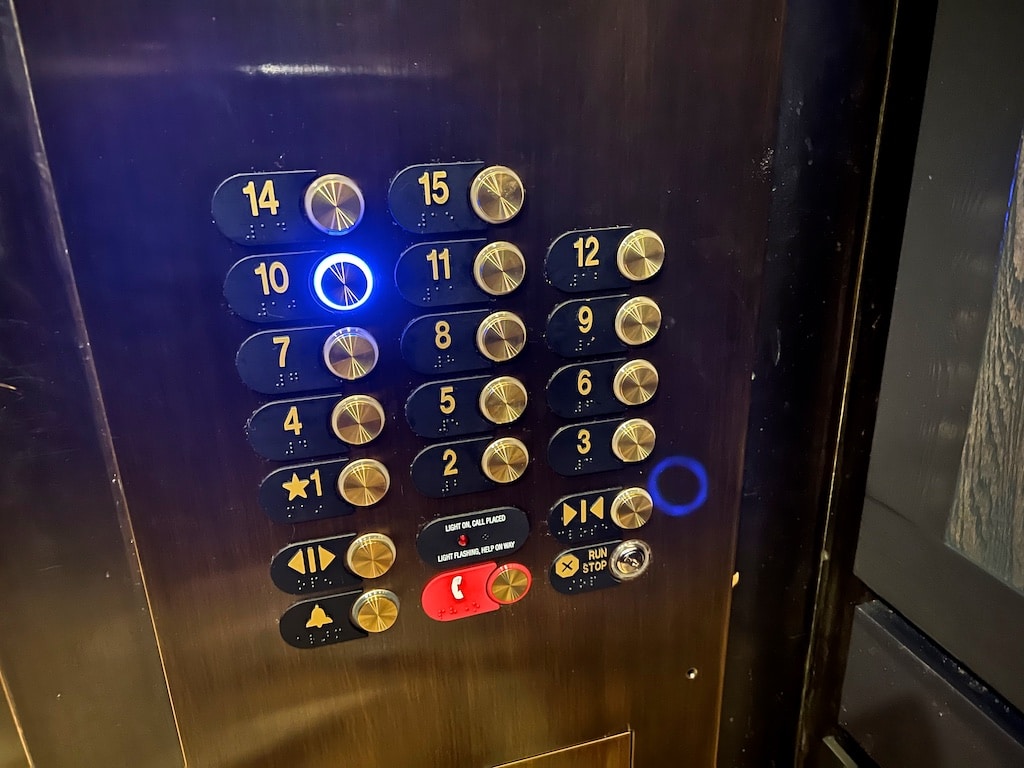
The “Ghost Floor” Phenomenon
The concept of a “ghost floor” is the colloquial term for the intentionally omitted 13th floor. Developers and architects recognize that this omission, while seemingly illogical from a purely functional standpoint, addresses a genuine, albeit superstitious, concern for many guests.
- The Illusion of Choice: By not having a 13th floor, hotels create an illusion that all floors are equally desirable, removing any potential hesitation a guest might have about booking a room on a specific numbered level.
- A Nod to Tradition: For many, the absence of a 13th floor is simply part of the expected architecture of a modern hotel, a subtle nod to age-old traditions that still hold sway in the collective consciousness. It contributes to a sense of familiarity and comfort for guests who are accustomed to this convention.
- Modern Interpretations: While the fear of 13 is rooted in ancient beliefs, its manifestation in modern hotel design highlights how traditions can evolve and adapt to contemporary contexts. The architectural omission serves as a tangible representation of how cultural beliefs can shape even the most functional aspects of our built environment.
Ultimately, the absence of a 13th floor in hotels is more than just a missing level; it’s a testament to the enduring power of superstition, the nuances of human psychology, and the business acumen of an industry that thrives on guest satisfaction. It’s a quiet acknowledgment that sometimes, the most practical solution involves understanding and accommodating deeply held, if irrational, beliefs.
LifeOutOfTheBox is a participant in the Amazon Services LLC Associates Program, an affiliate advertising program designed to provide a means for sites to earn advertising fees by advertising and linking to Amazon.com. Amazon, the Amazon logo, AmazonSupply, and the AmazonSupply logo are trademarks of Amazon.com, Inc. or its affiliates. As an Amazon Associate we earn affiliate commissions from qualifying purchases.