
The question of the age of consent is a critical one for any traveler, particularly when exploring new locales or engaging in activities that might fall under specific legal frameworks. While not a topic directly related to booking hotels or choosing destinations, understanding the legal landscape of a place is an integral part of responsible tourism and cultural immersion. This article aims to clarify the age of consent laws in Maine, providing essential information for individuals traveling to or residing within the state, ensuring awareness and adherence to local statutes.
The age of consent refers to the minimum age at which an individual is considered legally capable of consenting to sexual activity. In Maine, this legal threshold is established to protect minors and define the boundaries of sexual relationships. Understanding this law is not only a matter of legal compliance but also of ethical consideration, particularly for those visiting from different jurisdictions with varying legal standards.
Understanding the Legal Framework
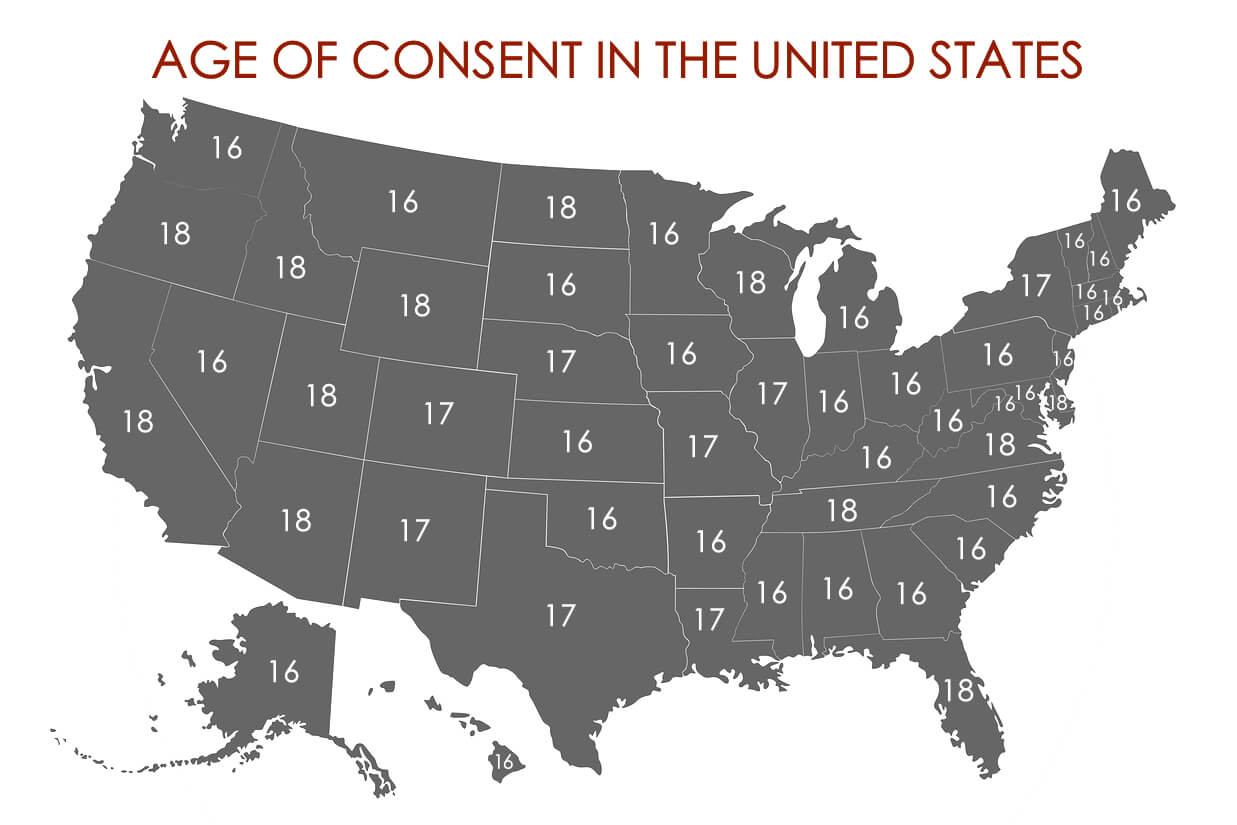
In Maine, the age of consent is set at 16 years old. This means that any sexual activity between two individuals where one is under the age of 16 is considered statutory rape, regardless of whether the younger person appears to consent. This law is designed to safeguard minors from sexual exploitation and abuse.
Statutory Rape Defined
Statutory rape is a crime that occurs when an individual engages in sexual activity with a person who is below the age of consent. The key element is the age of the victim, not necessarily the perceived willingness of the minor. This is a strict liability offense, meaning the prosecution does not need to prove that the defendant knew the victim was underage; simply being under the age of consent is sufficient for a conviction.
Exceptions and Nuances
While the age of consent in Maine is a clear 16, there are certain legal nuances and exceptions that are important to be aware of, although they do not alter the fundamental age. These often relate to the age difference between the individuals involved and the nature of their relationship, particularly if there is a significant power imbalance, such as a teacher and student or a guardian and ward.
The Romeo and Juliet Clause (Close-in-Age Exemptions)
Many states, including Maine, have provisions that can offer some leniency in cases where the age difference between the two individuals is relatively small, and both are minors. These are often referred to as “Romeo and Juliet” laws or close-in-age exemptions.
In Maine, these exemptions may apply if the age difference between the consenting individuals is no more than two years, and the older individual is under 18. This means that if one individual is 14 and the other is 15, and they are in a consensual relationship, the older individual may not be prosecuted for statutory rape. However, this exemption is complex and can depend on the specific circumstances and judicial interpretation. It is crucial to understand that even with such exemptions, the act must still be truly consensual and not involve coercion or exploitation.
Age Differences and Power Dynamics
The law in Maine takes into account the power dynamics inherent in relationships with significant age differences, even if both parties are above the age of consent. If an older individual, even if they are 16 or older, engages in a sexual relationship with a much younger person who is still a minor (e.g., 14 or 15), they could still face charges, especially if there is evidence of grooming, coercion, or abuse of authority. The intent behind the law is to protect vulnerable individuals.
Legal Implications for Travelers and Residents
Understanding the age of consent in Maine is paramount for anyone visiting or living in the state. Ignorance of the law is not a valid defense, and violations can lead to severe legal consequences.
Penalties for Violations
Engaging in sexual activity with someone under the age of 16 in Maine is a serious criminal offense. The penalties can vary depending on the specific circumstances, including the age of the victim and the age of the perpetrator, and can include:
- Felony Charges: Statutory rape is typically classified as a felony, carrying significant prison sentences.
- Fines: Substantial financial penalties can be imposed.
- Sex Offender Registration: Convictions often require registration as a sex offender, which carries long-term implications for employment, housing, and personal freedoms.
Ensuring Compliance
For travelers, it is essential to be aware of the local laws regarding the age of consent in Maine, just as one would be aware of traffic laws or customs regulations. If traveling with minors, ensure that any interactions or relationships they may be involved in are compliant with the state’s legal framework. It is always prudent to err on the side of caution and to seek legal counsel if there is any ambiguity about a particular situation.
For residents, maintaining a thorough understanding of these laws is a fundamental aspect of civic responsibility. Educating oneself and others, especially younger individuals, about these legal standards can help prevent inadvertent violations and promote a safer community.
Age of Consent in Context: Broader Legal and Social Considerations
The age of consent is a cornerstone of laws designed to protect young people. While the specific number might vary from state to state, the underlying principle of safeguarding minors remains consistent.
Historical Context and Evolution
The age of consent laws has evolved significantly over time. Historically, in many places, the age of consent was lower than it is today, reflecting different societal norms and understandings of childhood and adolescence. Over the past century, there has been a general trend towards increasing the age of consent in response to growing awareness of child protection and the psychological development of minors. The laws in Maine are a product of this ongoing societal evolution.
Protecting Vulnerable Populations
The primary objective of age of consent laws is to protect vulnerable populations, particularly minors, from sexual exploitation and abuse. Adolescence is a period of significant physical, emotional, and psychological development, and individuals at this stage may be more susceptible to manipulation and coercion. By setting a legal age of consent, society establishes a clear boundary to prevent exploitation and ensure that sexual activity occurs between individuals who are considered mature enough to provide informed consent.
International Comparisons
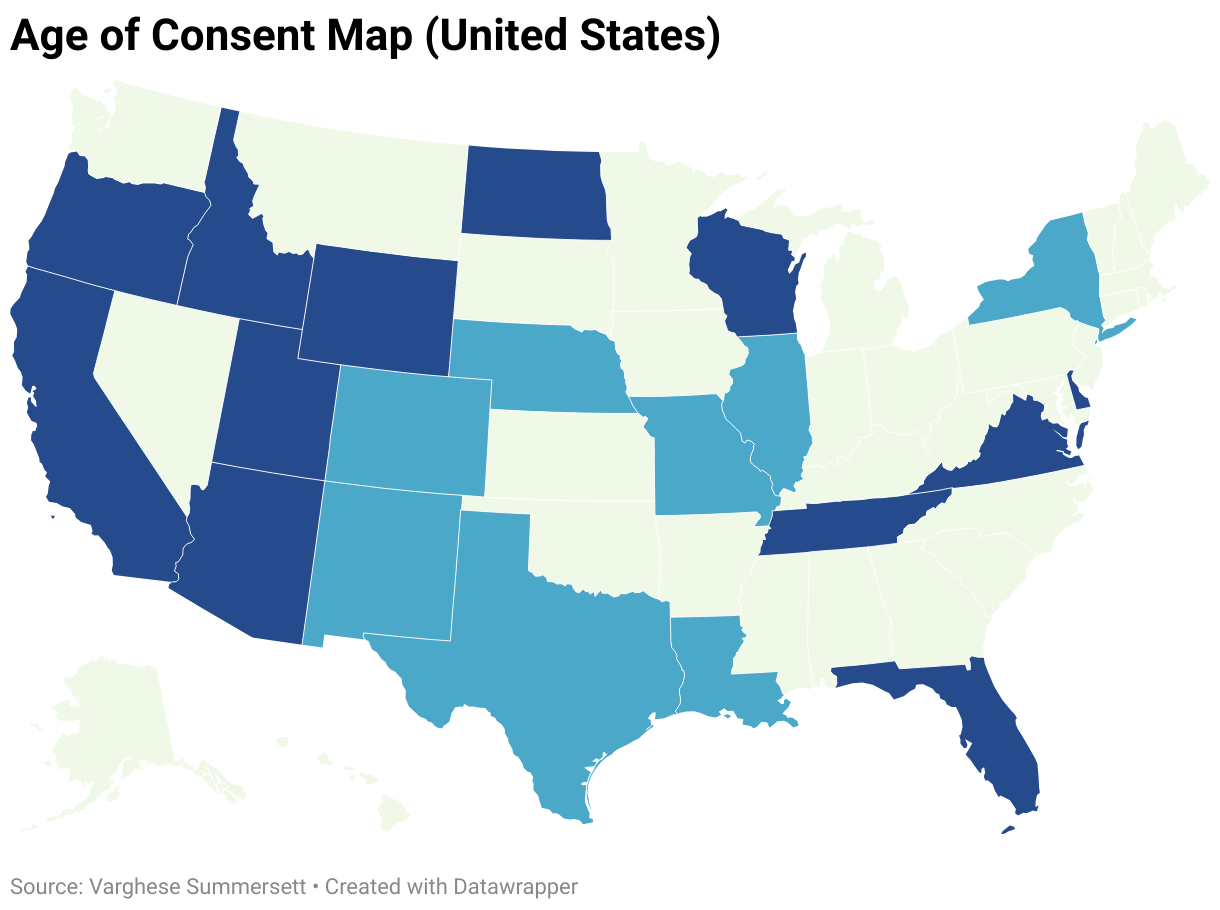
It is also worth noting that the age of consent varies considerably across different countries and even within different regions of the same country. For instance, while Maine has an age of consent of 16, other states in the United States may have different ages, typically ranging from 16 to 18. Internationally, ages can range from as low as 13 in some countries to as high as 21 in others. Travelers should always familiarize themselves with the age of consent laws of any jurisdiction they visit.
Navigating Legalities and Ensuring Safety
Understanding and respecting the age of consent laws in Maine is essential for a safe and lawful experience. Whether you are a tourist exploring the beautiful coastlines or a local resident, being informed is the first step toward responsible behavior.
Seeking Legal Advice
If you are ever unsure about the specifics of Maine’s age of consent laws or find yourself in a situation that might have legal implications, it is always best to seek professional legal advice. An attorney specializing in family law or criminal defense in Maine can provide clarity and guidance.

Promoting Awareness
Educating oneself and others, particularly young people, about the age of consent is a vital part of promoting a safe and respectful society. Open and honest conversations about consent, healthy relationships, and legal boundaries can empower individuals to make informed decisions and protect themselves and others. Resources from organizations dedicated to child protection and victim advocacy can offer valuable information and support.
LifeOutOfTheBox is a participant in the Amazon Services LLC Associates Program, an affiliate advertising program designed to provide a means for sites to earn advertising fees by advertising and linking to Amazon.com. Amazon, the Amazon logo, AmazonSupply, and the AmazonSupply logo are trademarks of Amazon.com, Inc. or its affiliates. As an Amazon Associate we earn affiliate commissions from qualifying purchases.