
The proximity of Cuba to Miami is a topic of frequent discussion, igniting imaginations and fueling dreams of Caribbean adventures. While the physical distance is relatively short, the journey itself and the experiences awaiting travelers are anything but simple. Understanding this gap, both geographically and experientially, is key to planning a trip to this captivating island nation.
The Strait of Florida: A Narrow Divide
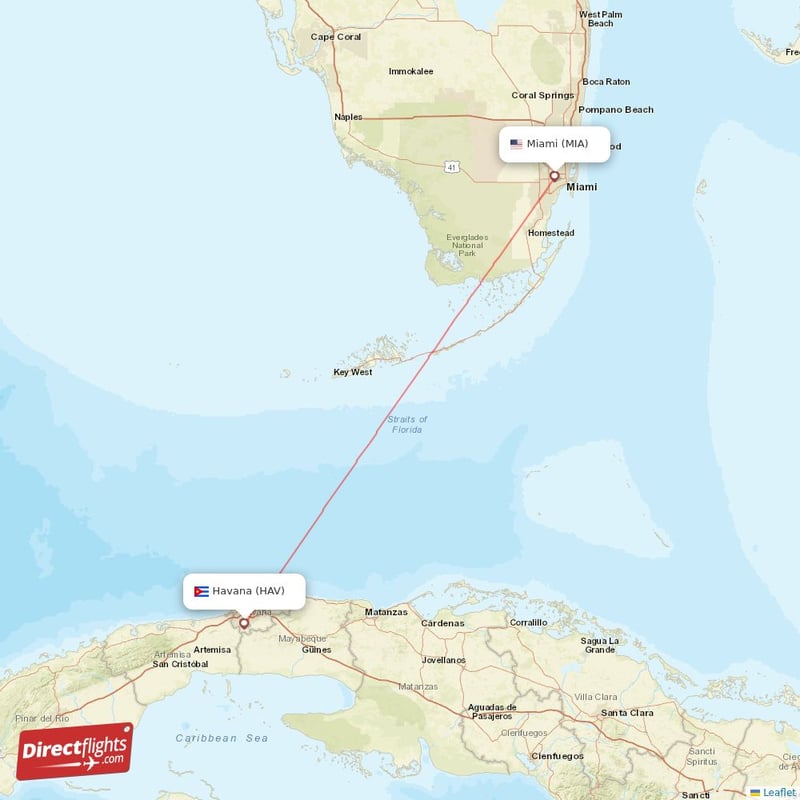
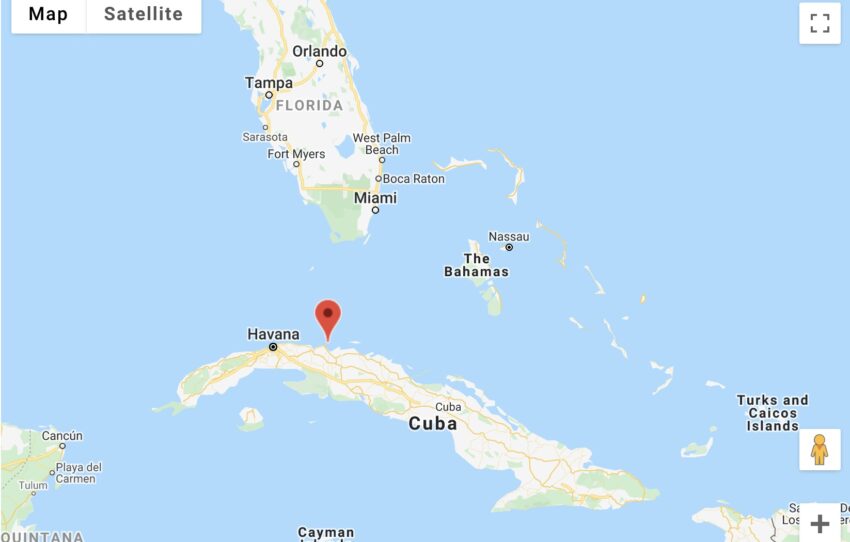
The most direct answer to “How far is Cuba from Miami?” lies in the waters that separate them: the Strait of Florida. This body of water, a vital shipping lane and a natural boundary, measures approximately 90 miles (about 145 kilometers) at its narrowest point between Key West, Florida, and the western tip of Cuba. This distance can fluctuate slightly depending on the specific departure and arrival points chosen within each locale.
Navigational Distances and flight Paths
When considering travel, particularly by air, the actual flight path may be longer than the shortest linear distance due to air traffic control routes, weather patterns, and aircraft performance. A typical flight from Miami International Airport (MIA) to Havana’s José Martí International Airport (HAV) often covers a distance of around 230 miles (approximately 370 kilometers). Flight times are remarkably short, usually under an hour, underscoring the geographical closeness.
For those contemplating a sea voyage, the distances remain consistent. Sailing from Miami to Havana would involve navigating the Strait of Florida, covering roughly 230 nautical miles. This journey, while physically shorter than many international trips, requires careful planning due to regulations and the current geopolitical climate surrounding travel between the United States and Cuba.
Bridging the Gap: Travel Options and Considerations
The question of distance inevitably leads to inquiries about how to traverse it. While the physical proximity suggests ease of access, a number of factors influence the feasibility and nature of travel between Miami and Cuba.
Flights: The Most Direct Route
Direct flights from Miami to various Cuban cities, most notably Havana, have historically been the primary mode of transport. However, the availability and frequency of these flights have been subject to changes in U.S. policy regarding travel to Cuba. When flights are operational, they offer a swift and convenient way to reach the island, often within a matter of hours. Travelers must adhere to U.S. regulations, which often require a specific travel category, such as visiting family or engaging in authorized people-to-people exchange programs. Booking these flights typically involves specialized carriers or charter services, and it’s crucial to stay updated on current regulations before making arrangements.
Sea Travel: A More Complex Proposition
While a direct boat trip from Miami to Cuba might seem appealing, it is a more complex undertaking than a typical ferry service. Private boaters and cruise lines have faced varying degrees of access to Cuban ports over the years. Historically, larger cruise ships were permitted, offering a way for U.S. citizens to visit Cuba under certain conditions. However, regulations have fluctuated, impacting the availability and routes of these voyages. For private vessels, navigating the entry requirements for both the United States and Cuba, as well as obtaining the necessary permits, can be a significant hurdle. The maritime distance, though short, is governed by intricate international maritime law and bilateral agreements.
The Role of Policy and Regulations
The perceived “distance” to Cuba from Miami is often more a reflection of political and regulatory landscapes than purely geographical measurement. U.S. policy towards Cuba has historically been a defining factor in travel. Restrictions, embargoes, and the evolving nature of diplomatic relations have directly influenced flight availability, cruise itineraries, and even the ease with which individuals can plan a visit. Therefore, any discussion about traveling from Miami to Cuba must be framed within the context of current U.S. and Cuban regulations. Staying informed through official channels, such as the U.S. Department of State and the Cuban Ministry of Tourism, is paramount.
Experiencing the Cuban Charm: Beyond the Miles
Once the logistical hurdles are navigated, the traveler is rewarded with an immersive experience in a culture that, despite its proximity, feels a world away from Miami. The journey’s true value lies not just in the miles covered but in the cultural tapestry that awaits.
Havana: A Living Museum
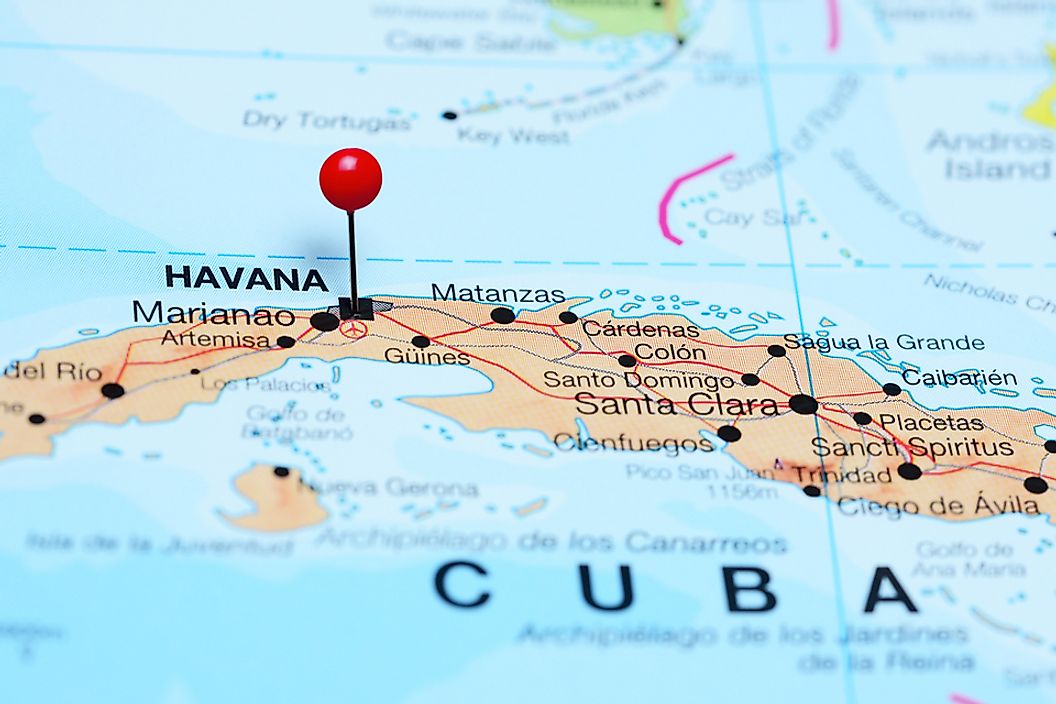
Havana, the vibrant capital, is a primary gateway for most visitors. Its Old Havana district, a UNESCO World Heritage site, is a testament to centuries of history, with its colonial architecture, cobblestone streets, and lively plazas. Iconic landmarks such as the Capitolio Nacional, the Malecón, and the numerous museums offer a deep dive into Cuba’s rich past and present. The city pulses with the rhythm of son cubano music, the aroma of freshly brewed Cuban coffee, and the vibrant colors of classic American cars that still ply its streets.
Beyond the Capital: Exploring Diverse Landscapes
While Havana is a must-see, Cuba offers a diverse range of experiences beyond its capital. To the west lies the serene beauty of the Viñales Valley, famous for its stunning mogotes (limestone hills) and tobacco plantations, where visitors can learn about the traditional methods of growing Cuban cigars. Further east, the colonial city of Trinidad, another UNESCO World Heritage site, transports visitors back in time with its remarkably preserved architecture and lively artisan markets. The southern coast boasts the turquoise waters and white-sand beaches of Cienfuegos and the Bay of Pigs.
The Human Connection: Culture and People
The true essence of Cuba lies in its people and their indomitable spirit. Engaging with locals, whether in a bustling market, a quiet casa particular, or during a street performance, offers invaluable insights into Cuban life, its challenges, and its joys. The warmth and hospitality of the Cuban people are legendary, making every interaction a memorable part of the travel experience. This human element is what truly transforms a geographical journey into a profound cultural immersion, making the short distance from Miami feel like a passage into a distinct and fascinating world.
Planning Your Cuban Sojourn
For those in Miami or elsewhere in the United States dreaming of a Cuban escape, meticulous planning is essential. The relatively short distance belies the need for careful consideration of travel regulations, booking procedures, and a clear understanding of what kind of experience one seeks.
Understanding Travel Categories
As mentioned, U.S. citizens traveling to Cuba must fall under one of 12 authorized travel categories, as defined by the U.S. Department of the Treasury. These include family visits, journalistic activity, professional research, and educational activities. The popular “people-to-people” category, which allowed for organized group travel focused on cultural exchange, has seen restrictions, so it’s vital to verify the current status and requirements. Independent travel for purely tourist purposes remains prohibited for U.S. citizens.
Accommodation and Local Experiences
While large international hotel chains do operate in Cuba, a significant and highly recommended aspect of the Cuban travel experience is staying in casas particulares. These are privately owned homes that rent out rooms or entire apartments to tourists, offering a more authentic and intimate glimpse into Cuban life. Booking through platforms that specialize in Cuban travel or directly with owners (where possible and safe) can provide excellent value and a more enriching stay. Beyond accommodation, embracing local activities such as visiting a paladar (private restaurant), taking a salsa lesson, or exploring local art galleries will deepen the connection to Cuban culture.
Currency and Practicalities
Cuba uses two primary currencies: the Cuban Peso (CUP) and, for most tourist transactions, the MLC (Moneda Libremente Convertible). Understanding the exchange rates and where to obtain currency is important. Credit card usage for tourists can be limited, especially from U.S. issuers, so carrying sufficient cash is often recommended. Wi-Fi access is available in designated public areas and some hotels, but it is not as ubiquitous or seamless as in many other destinations. Planning for these practicalities will ensure a smoother and more enjoyable trip. The short journey from Miami to Cuba can be the beginning of an unforgettable exploration of a unique and resilient nation.
LifeOutOfTheBox is a participant in the Amazon Services LLC Associates Program, an affiliate advertising program designed to provide a means for sites to earn advertising fees by advertising and linking to Amazon.com. Amazon, the Amazon logo, AmazonSupply, and the AmazonSupply logo are trademarks of Amazon.com, Inc. or its affiliates. As an Amazon Associate we earn affiliate commissions from qualifying purchases.