
Understanding the linguistic landscape of a destination is an integral part of enriching any travel experience. For those planning a visit to the vibrant island of Puerto Rico, knowing its official languages offers a gateway to deeper cultural immersion and smoother navigation. While many visitors are familiar with one of its primary languages, a comprehensive understanding reveals a fascinating linguistic duality that shapes daily life and cultural expression across the island.
The Dual Official Languages: Spanish and English
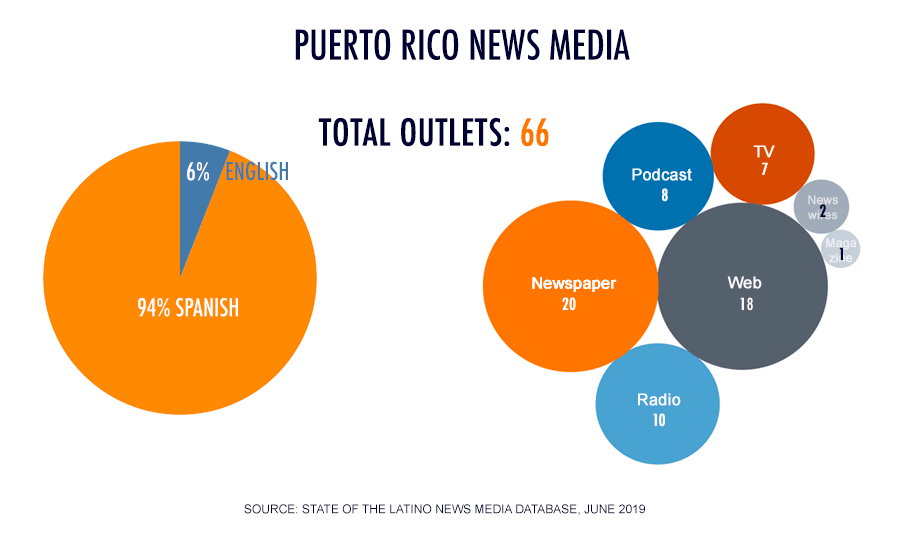
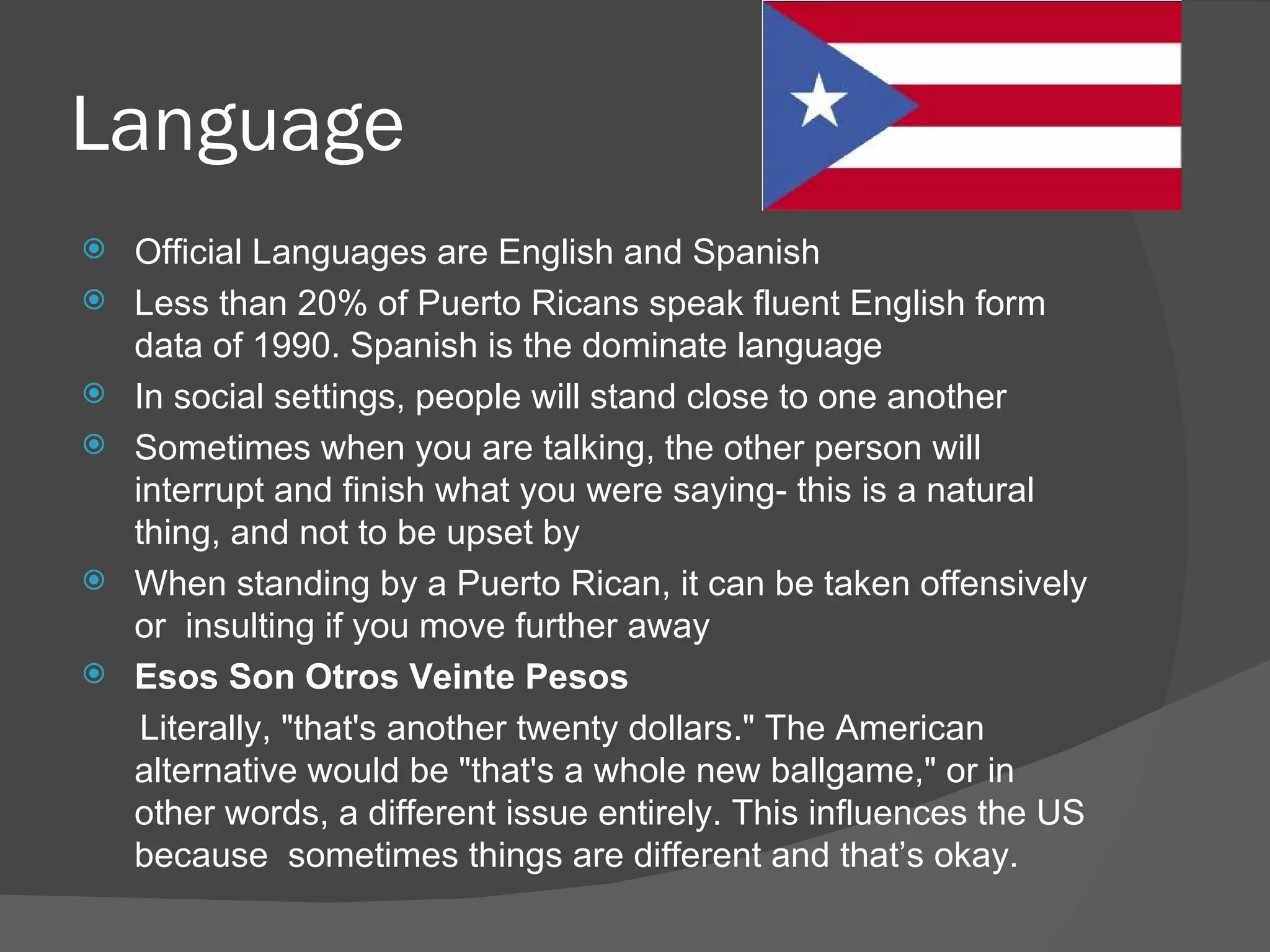
Puerto Rico proudly holds two official languages: Spanish and English. This unique status is enshrined in law, reflecting the island’s complex history and its ongoing relationship with the United States. While Spanish has been the dominant language for centuries and remains the primary means of communication for the vast majority of residents, English holds official status and is widely used in government, business, and education, particularly in more formal settings and among certain demographics.
A Legacy of Spanish Influence
The story of Puerto Rico‘s languages begins with its colonization by Spain in the late 15th century. For over 400 years, Spanish was the sole language of administration, education, and everyday life. This enduring legacy is deeply woven into the fabric of Puerto Rican identity. From the melodic cadence of conversations in the plazas of Old San Juan to the rich literary traditions and the lively rhythm of its music, Spanish is the heart of the island’s cultural expression.
Everyday interactions, from ordering a mofongo at a local kiosko to asking for directions in a charming pueblo, are predominantly conducted in Spanish. Street signs, menus, and local broadcasts are typically in Spanish, offering an authentic glimpse into the island’s soul. For travelers seeking to connect with the local populace on a more profound level, learning a few basic Spanish phrases can be incredibly rewarding, opening doors to warmer interactions and a more authentic experience. The influence of Spanish extends beyond mere communication; it is the language of history, art, and the shared memories of generations.
The Role of English
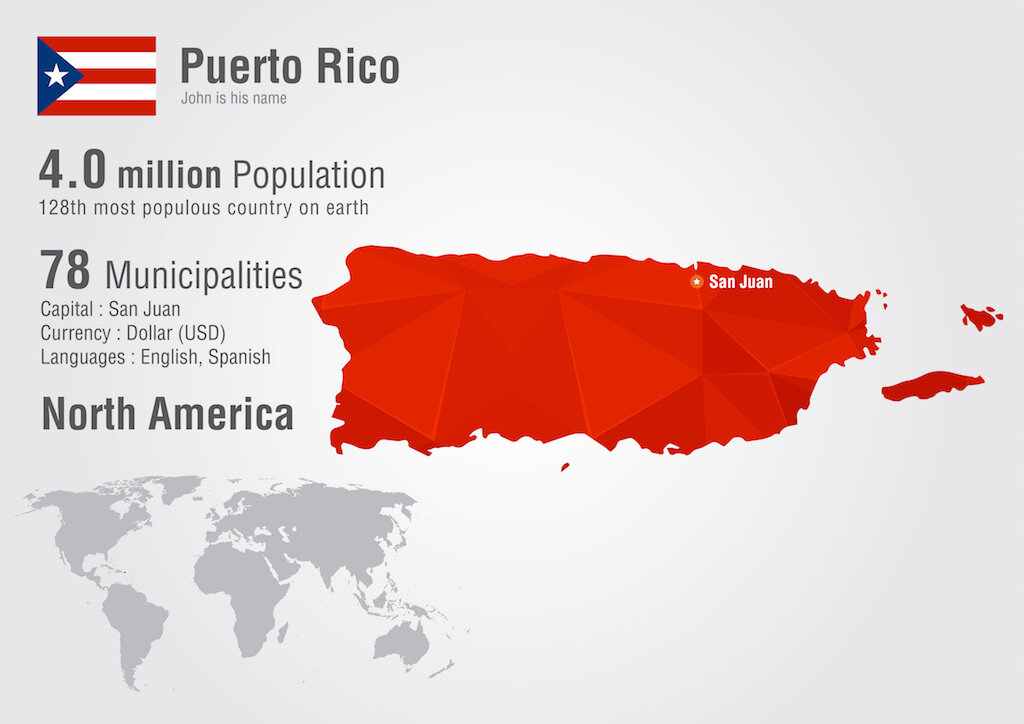
English gained official status in Puerto Rico in 1902, a consequence of the island becoming a U.S. territory following the Spanish-American War. While Spanish remains the language spoken by the overwhelming majority, English plays a significant role, particularly in official capacities and in sectors that interact with the United States.
In government agencies, legal proceedings, and national defense, English is often the language of record. Many businesses, especially those with ties to the mainland, operate bilingually or primarily in English. Furthermore, English is a mandatory subject in Puerto Rican schools, ensuring that younger generations have proficiency in both languages. For tourists, especially those from English-speaking countries, this bilingual environment can ease communication in many tourist-oriented establishments, hotels, and major transportation hubs. However, venturing off the beaten path might reveal a greater reliance on Spanish.
Navigating Puerto Rico: Language and Your Travel Experience
For travelers, understanding the linguistic nuances of Puerto Rico can significantly enhance your journey. While you will undoubtedly encounter Spanish spoken everywhere, the presence of English as an official language, coupled with the island’s status as a popular tourist destination, makes communication generally accessible.
Practical Tips for Travelers
- Embrace Spanish: Even a rudimentary grasp of Spanish will be met with appreciation and can lead to more authentic interactions. Basic greetings like “Hola” (Hello), “Gracias” (Thank you), and “Por favor” (Please) go a long way. Asking “Habla inglés?” (Do you speak English?) is also a polite way to inquire about language capabilities.
- English is Widely Understood in Tourist Areas: In major tourist hubs like San Juan, Ponce, and the popular resorts in areas like Dorado and Fajardo, you will find that many hotel staff, restaurant servers, and shopkeepers are fluent or at least conversant in English.
- Utilize Translation Apps: For moments when communication falters, modern translation apps on your smartphone can be invaluable tools. They can help bridge language gaps for everything from deciphering menus to understanding directions.
- Look for Bilingual Signage: In tourist zones and official buildings, you will often find signs and information available in both Spanish and English.
- Be Patient and Courteous: Regardless of the language barrier, a friendly demeanor and a willingness to try will always foster positive interactions. Locals are generally warm and hospitable, eager to share their island with visitors.
Beyond Basic Communication: Cultural Immersion
The presence of two official languages is not merely a matter of communication; it is a reflection of Puerto Rico‘s rich cultural tapestry. The blend of Spanish heritage with American influences has created a unique identity, evident in everything from its cuisine to its artistic expressions.
When you hear Spanish spoken in the markets of Cataño or during a lively salsa performance, you are hearing the echoes of history. When you see official documents or hear announcements in English, you are witnessing the island’s contemporary connections. This duality is what makes Puerto Rico so fascinating. For the curious traveler, engaging with both languages, even passively, offers a deeper appreciation of the island’s complex and vibrant character. Whether you are exploring the historic forts of El Morro or the natural wonders of the El Yunque National Forest, the linguistic landscape is an intrinsic part of the Puerto Rican experience, inviting you to listen, learn, and connect.
LifeOutOfTheBox is a participant in the Amazon Services LLC Associates Program, an affiliate advertising program designed to provide a means for sites to earn advertising fees by advertising and linking to Amazon.com. Amazon, the Amazon logo, AmazonSupply, and the AmazonSupply logo are trademarks of Amazon.com, Inc. or its affiliates. As an Amazon Associate we earn affiliate commissions from qualifying purchases.